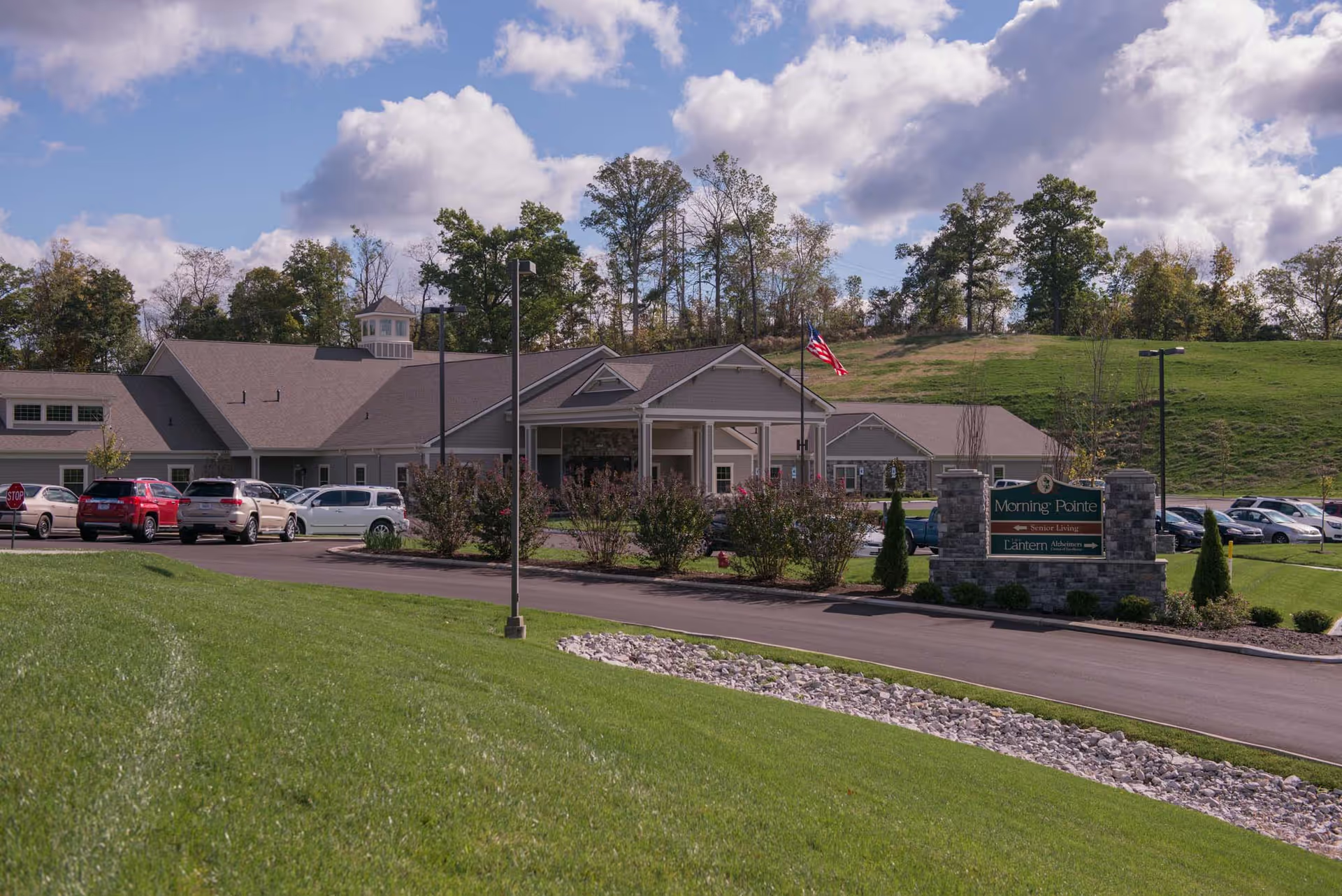
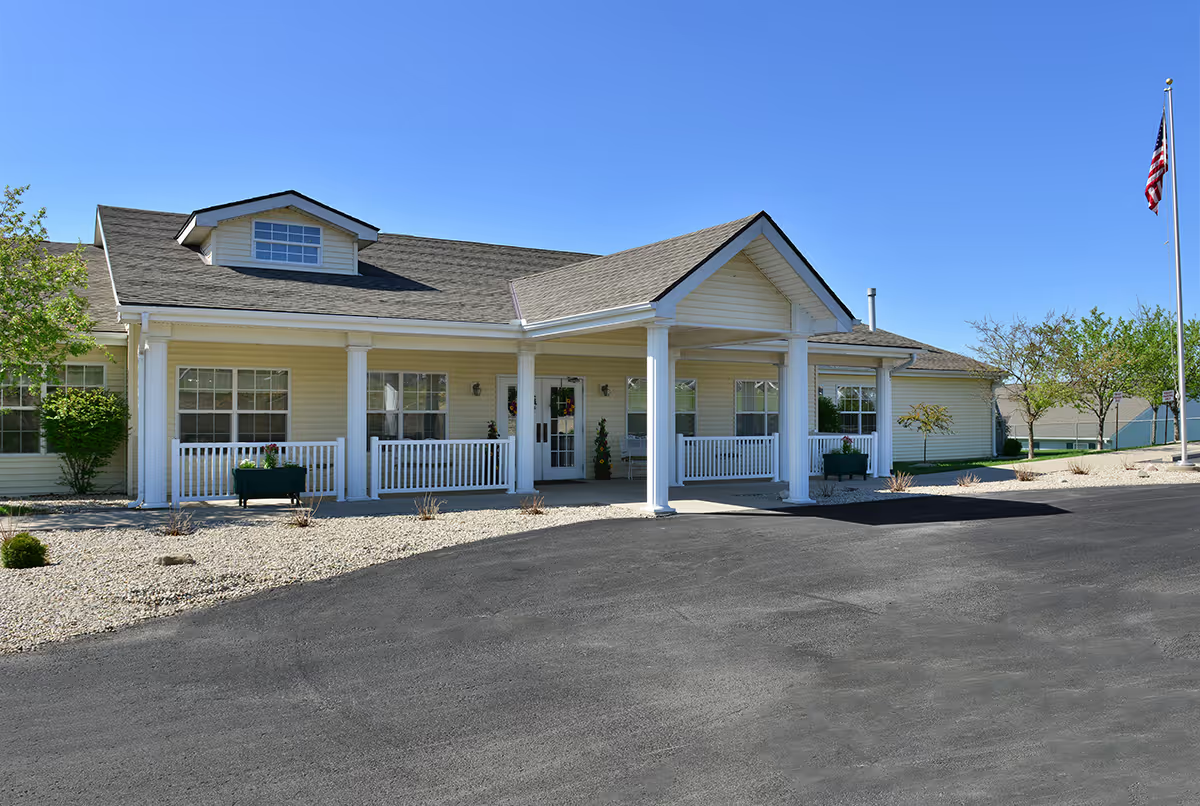
Overall impression: Feedback reflects a facility with many strengths in hands-on caregiving and therapy, paired with operational inconsistencies that prospective families should evaluate. The most consistent positives center on a caring staff culture, strong rehabilitation services, and a homelike atmosphere that many families say supports recovery and daily life. Several families reported that their relatives receive attentive personal care and that therapy staff are effective at restoring function and independence.
Care and staffing: Nursing, certified nursing assistants, and therapy personnel receive repeated praise for compassion, patience, and respect toward residents. These teams are frequently credited with creating a reassuring environment and providing individualized attention that gives families peace of mind. At the same time, reviewers describe episodic operational issues: delayed medication administration and gaps in clinical documentation, variable aide availability during busy periods, and some inconsistencies in wound-care processes and incontinence-related support. In a small number of accounts, serious concerns about staff conduct and clinical response were raised; those accounts suggest a need for transparent incident investigation and follow-up.
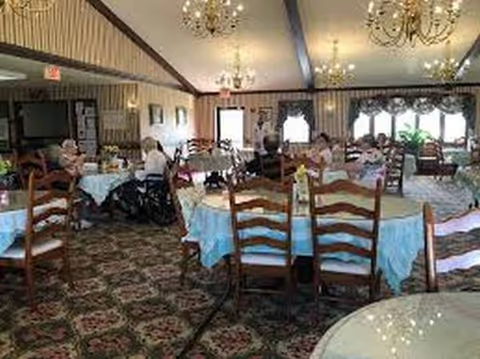
Dining and activities: Activity programming and social opportunities are often described as enjoyable and beneficial, though some residents require encouragement to participate. Dining impressions are mixed: several families praise meals and kitchen staff, while others note inconsistent portion sizes and variable food quality. Prospective families should sample meals and ask about menu cycles and special-diet accommodations during a visit.
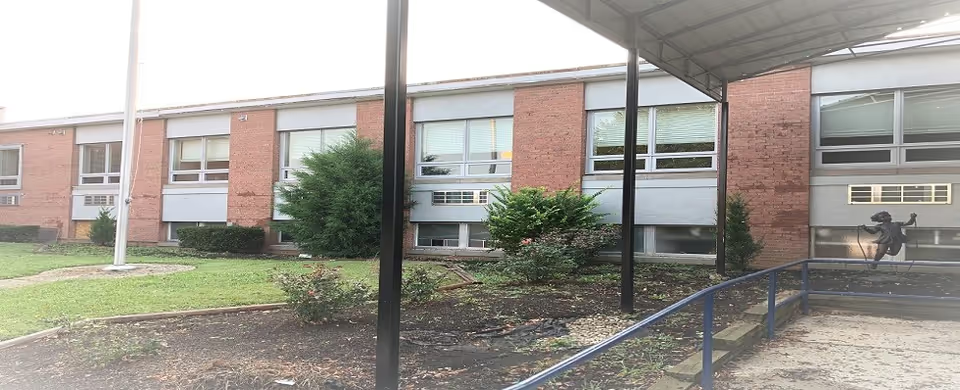
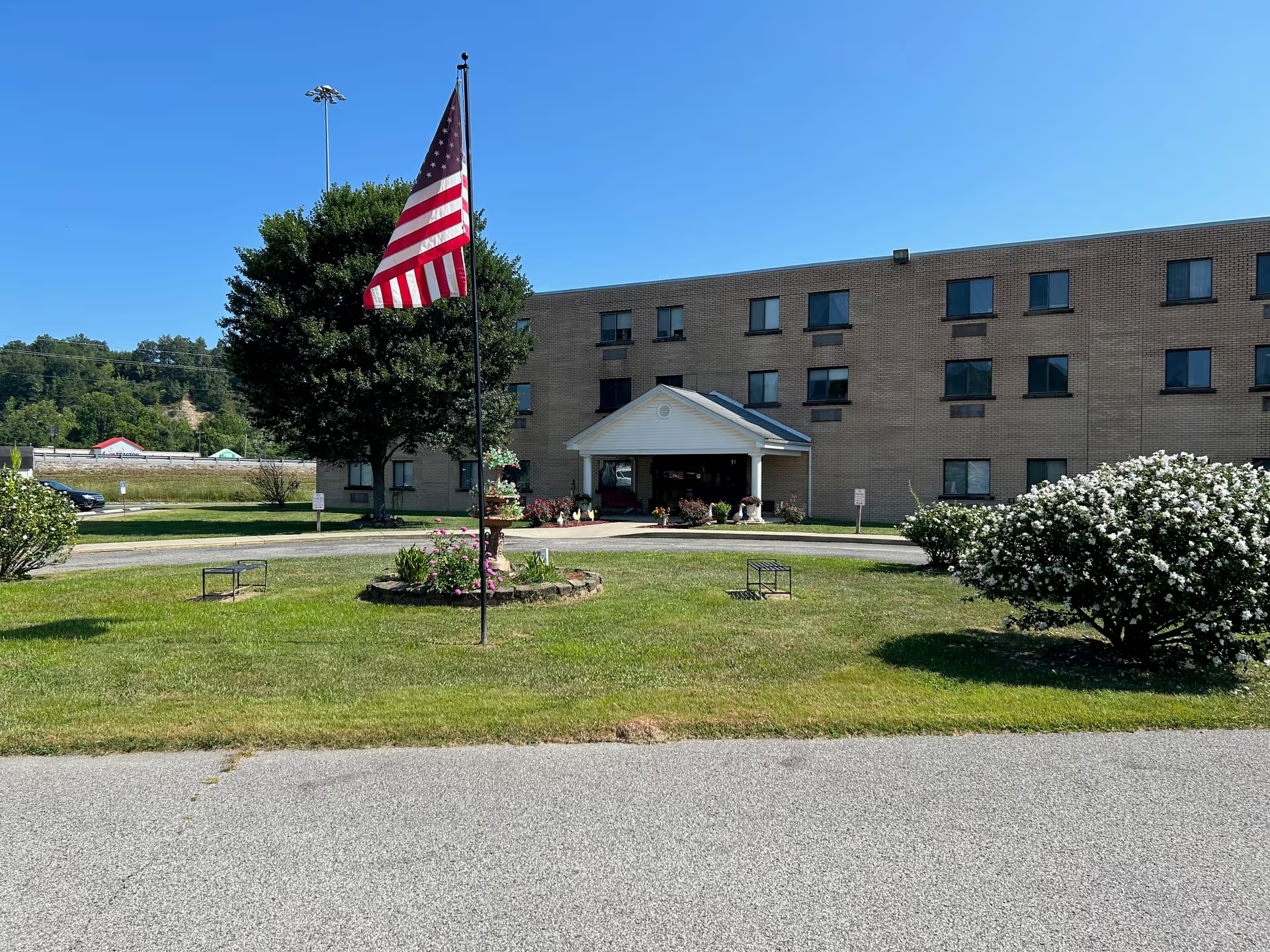
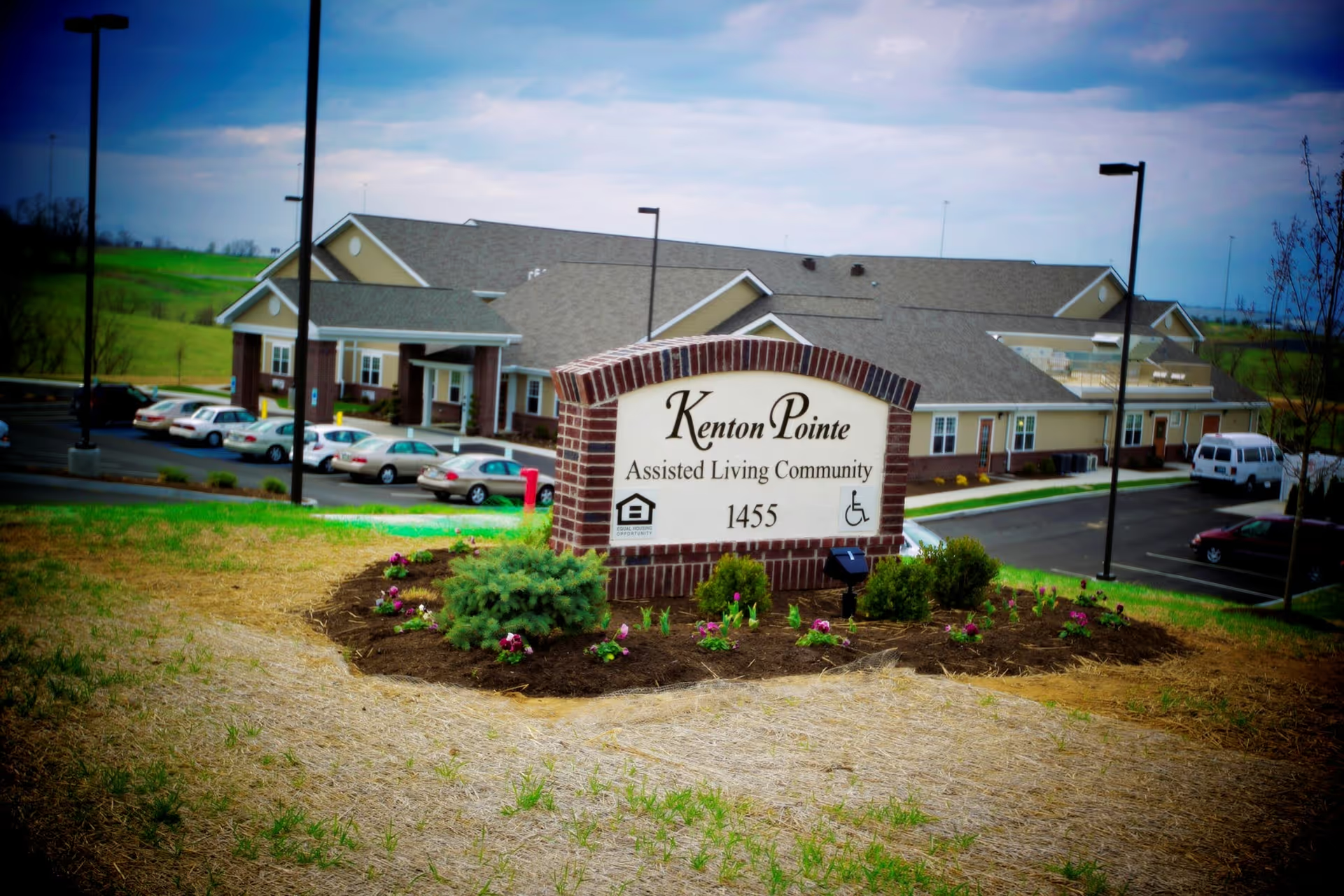
Facilities and environment: Maintenance personnel are frequently singled out as helpful and responsive, and many common areas are described as clean and welcoming. However, there are reports of sanitation and odor concerns in specific rooms or areas and comments that some patient rooms and public spaces need cosmetic touch-ups. Visitors also reported unreliable landline/phone service and recommended confirming the facility's internal communication systems and entry security controls when touring.
Management, admissions, and communication: Individual administrators and frontline supervisors receive both praise and criticism. Several staff members are named as particularly attentive and supportive, but there are also accounts of poor communication tone and unclear guidance from management. Important operational issues raised include ambiguity around short-term versus permanent placement, insufficient financial-counseling clarity, and inconsistent updates from clinical teams and physicians. Families considering admission should request written documentation on placement timelines, billing procedures, medication policies, incident-reporting practices, and visitation rules.
Recommendations for prospective families: On a tour, verify staffing levels for the unit and typical aide-to-resident ratios, observe hygiene and wound-care practices in resident rooms, sample a meal, review recent inspection reports, ask about emergency and medication protocols, and inquire about roommate-placement and infection-control policies. Also confirm how the facility communicates with families (frequency and methods) and test phone connectivity. The facility shows clear strengths in caregiving and therapy, but the operational and communication inconsistencies noted by some families merit direct assessment before a placement decision.