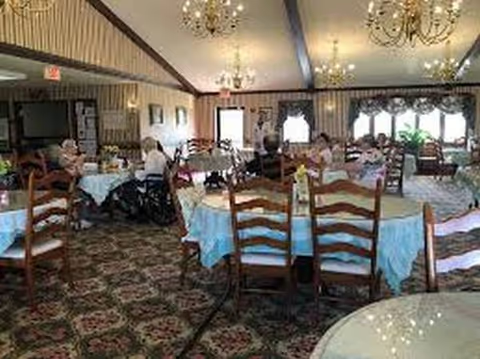
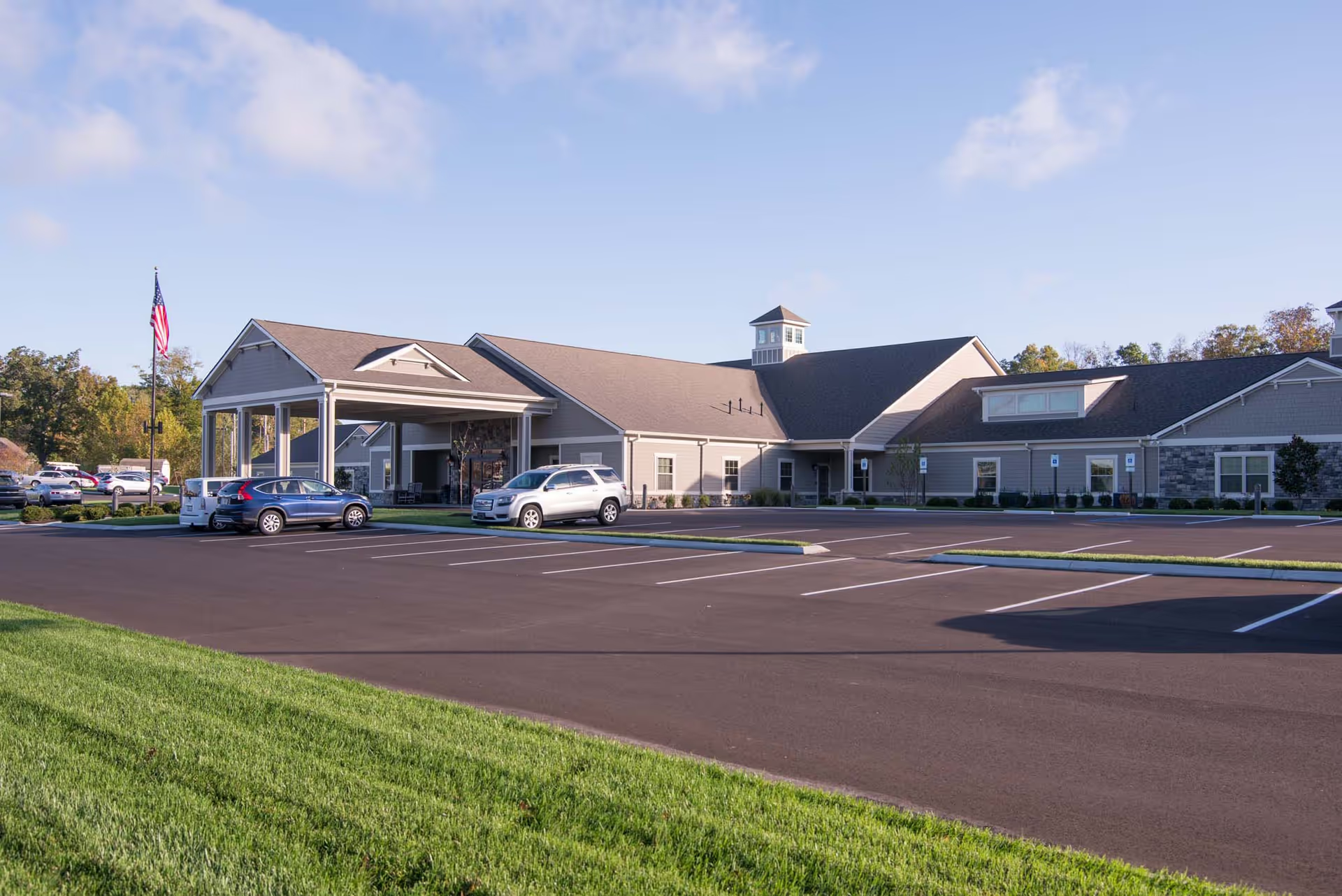
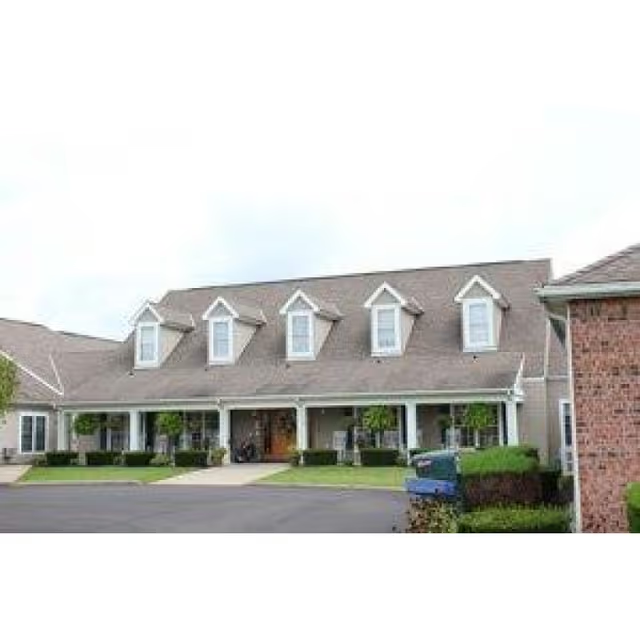
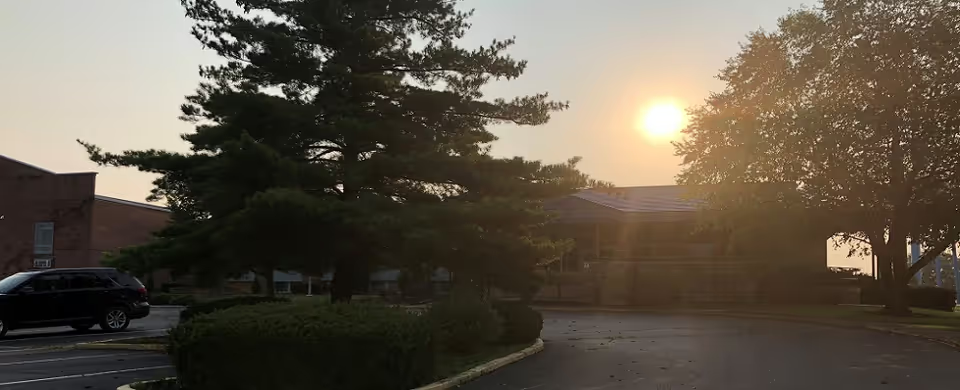
Overall impression: The Courtyard at Wheelersburg is consistently described as a clean, bright, and well‑maintained assisted living community with a strong emphasis on personalized, compassionate care. Reviewers repeatedly highlight the staff as the facility’s primary strength — nursing, aides, activities personnel, and leadership are characterized as attentive, warm, and long‑tenured, contributing to a family‑like atmosphere. Physical spaces receive frequent praise: newly redecorated common areas, bright hallways, private suites with different layouts for couples and individuals, and a central courtyard and outdoor areas that are kept in good condition.
Care quality and staffing: Many families describe hands‑on, attentive nursing and aide support, with clear medication communication, prompt urgent‑care updates, and individualized attention. At the same time, a pattern emerges where the facility is best suited for residents with mild to moderate care needs. Several reviewers noted that staffing and resource limits become apparent when residents require higher‑acuity or memory care; these accounts point to the need for additional staff or private‑pay caregivers to handle more complex care needs. Prospective families should clarify the facility’s ability to manage increasing clinical complexity and the process for arranging supplemental private support if needed.
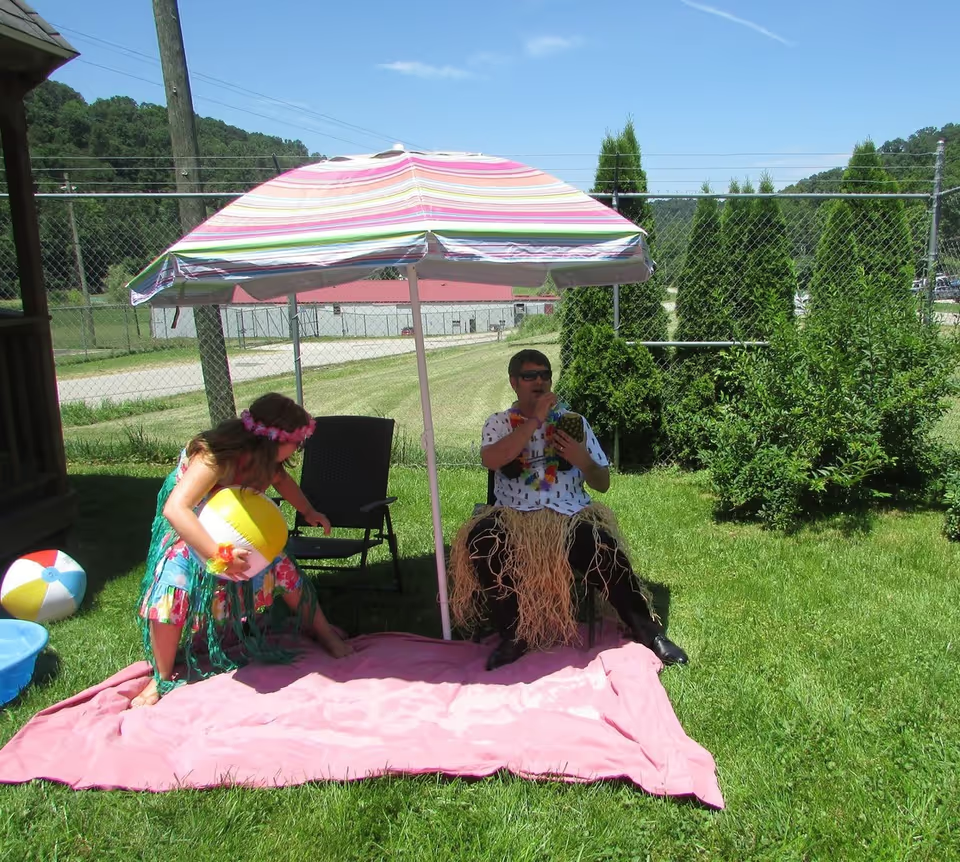
Dining, activities, and therapies: Dining is frequently praised — reviewers cite three well‑balanced meals daily (desserts included), breakfast favorites, and generally appealing food quality. The activities program is a clear strength: a wide variety of daily programming, creative events (including themed outings such as restaurant trips and even an airplane ride), regular excursions, exercise and art classes, bingo, holiday programming, and social opportunities that help residents build friendships. Transportation and scheduling for outings are noted as reliable. Therapy and rehabilitation services are available on site and are credited with successful short‑term recoveries by some families.
Facilities, management, and communication: Management and administrative staff are described as responsive and communicative, with prompt maintenance service and clear family updates. Infection‑control practices during the pandemic (on‑site vaccines and safe protocols) received positive mention. The facility is portrayed as welcoming to tours, with knowledgeable tour staff and leadership that appears engaged in day‑to‑day operations. Community engagement examples (delivering meals to local services, holiday activities) contribute to a positive neighborhood presence.
Notable patterns and cautions: While the dominant pattern is positive, a minority of accounts raise operational concerns that prospective residents should evaluate. These include limited on‑site memory care and security features for residents with cognitive impairment, occasional inconsistencies in delivering more complex clinical interventions, and instances where families felt additional private caregiving was required. There are also isolated accounts describing restrictive visitation handling during specific events; families may wish to confirm current visitation policies and emergency/incident protocols. For anyone considering this community, it is advisable to discuss care‑level limits, staffing ratios for higher needs, supplemental caregiver options and costs, and procedures for transitions should a resident’s needs increase.
Bottom line: The Courtyard at Wheelersburg appears to be a well‑kept, activity‑rich assisted living option with strong, compassionate staff and good dining and social programming. It is well suited to residents who require assistance with daily living but do not need high‑acuity medical or secure memory‑care services. Families should confirm clinical capabilities and contingency plans for escalating care needs before making a placement decision.