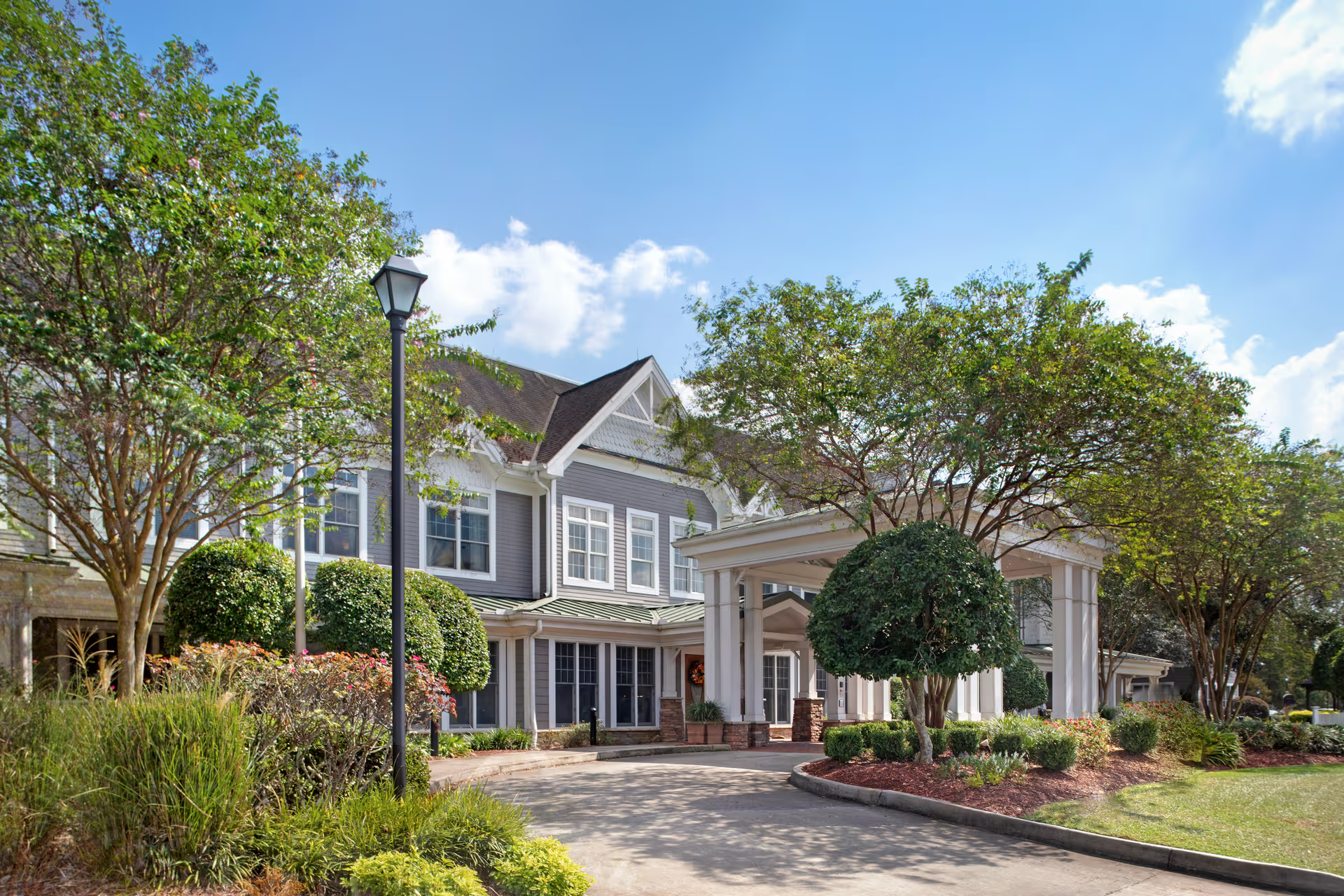
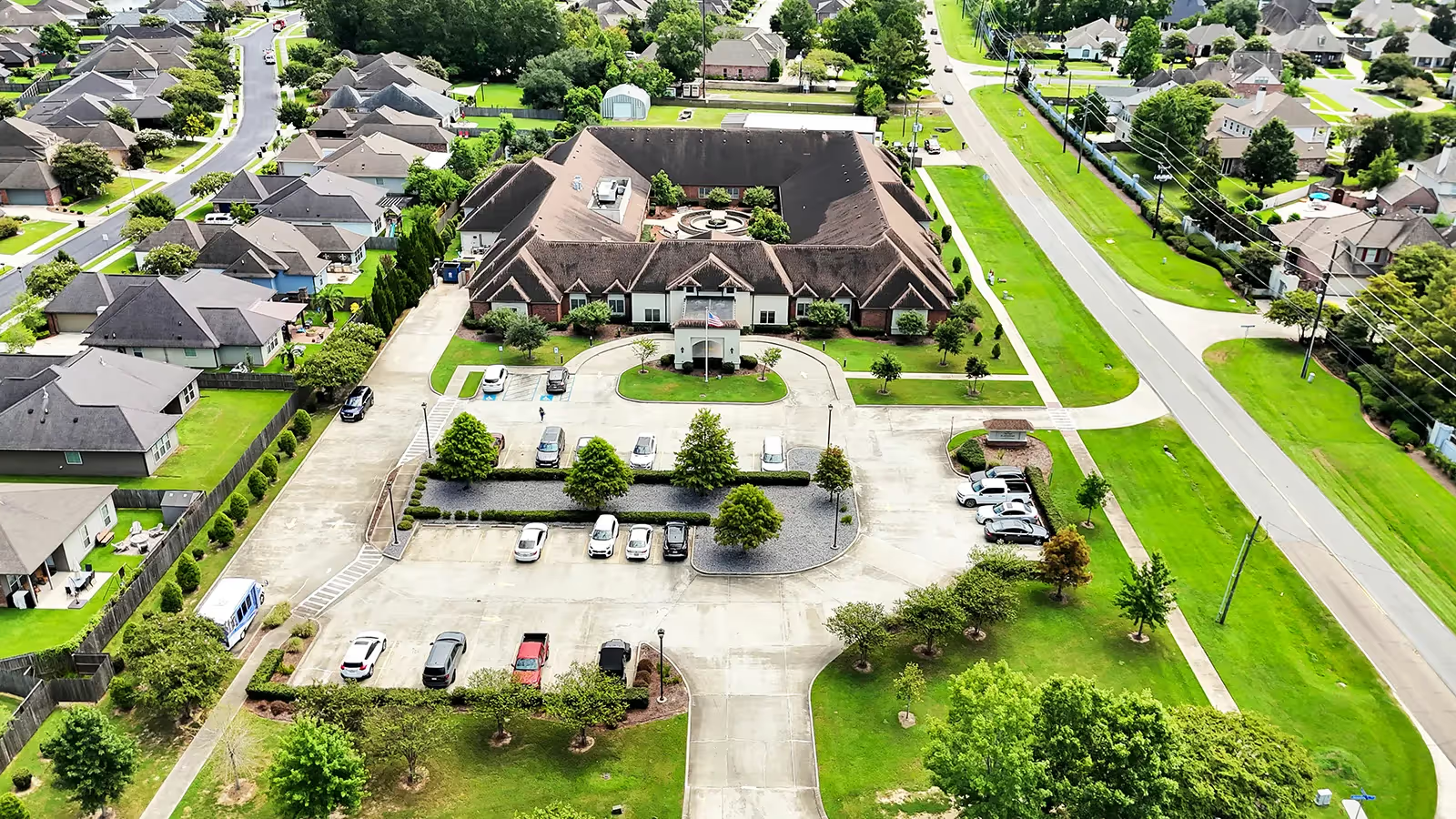
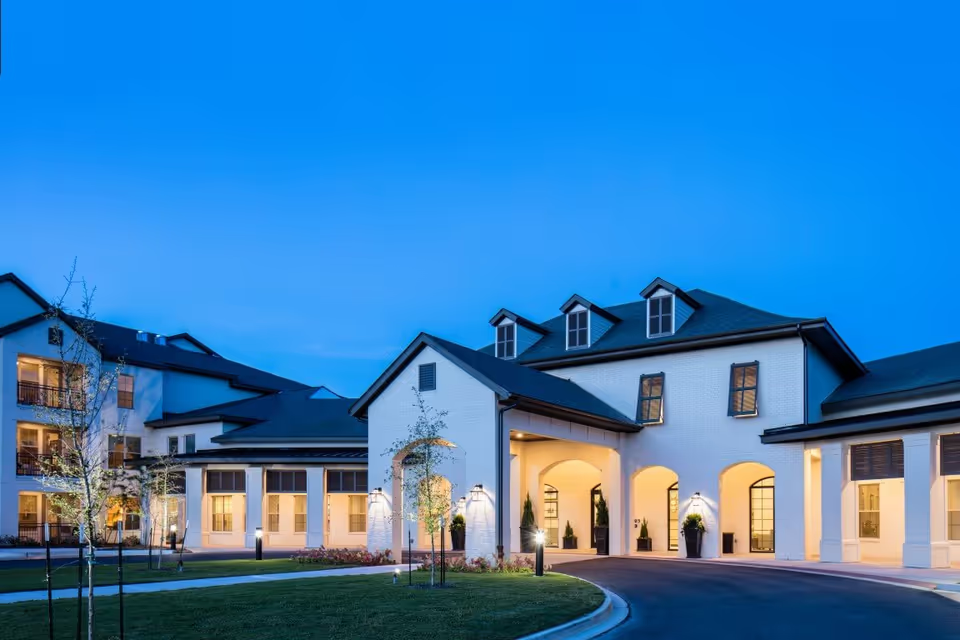
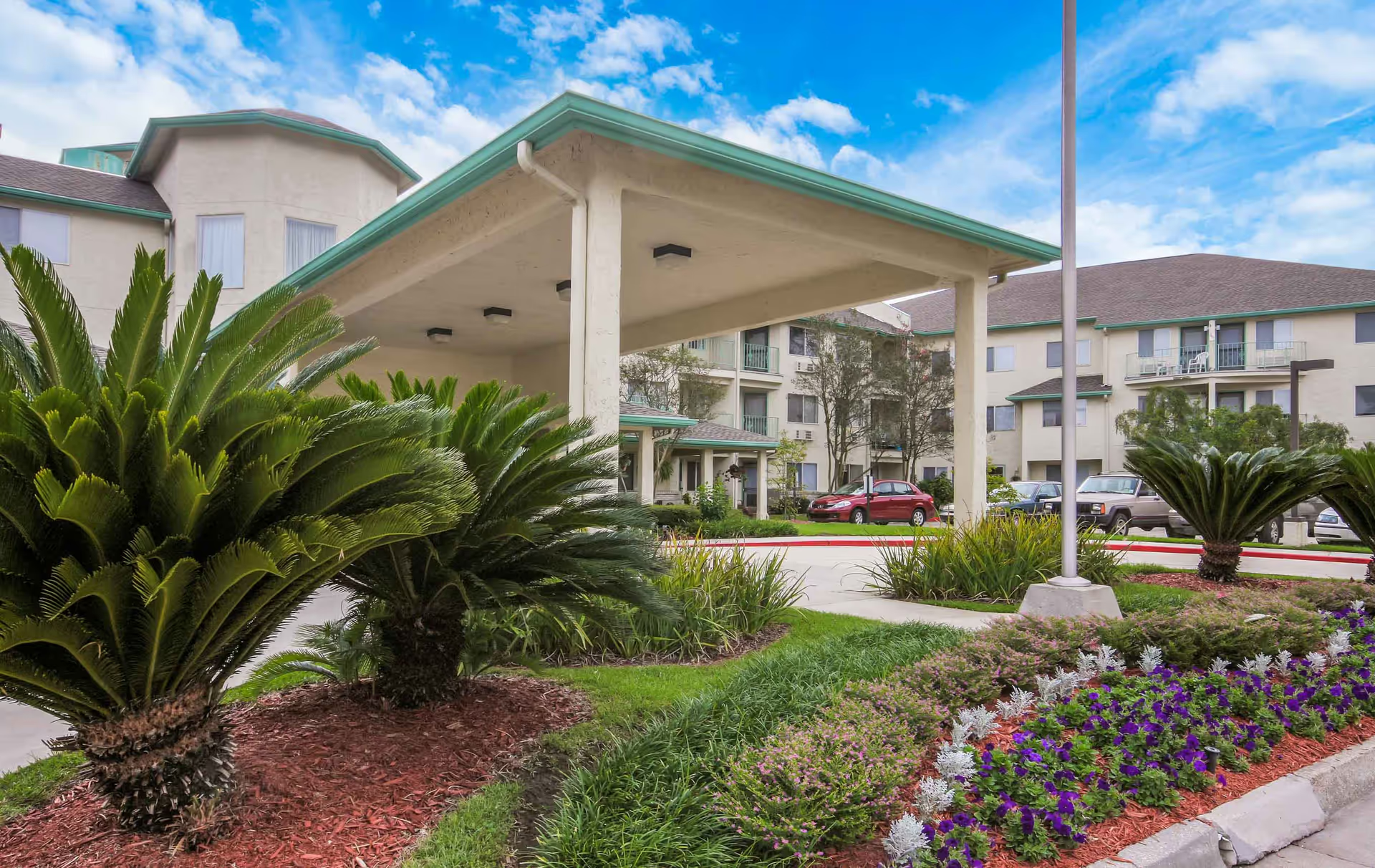
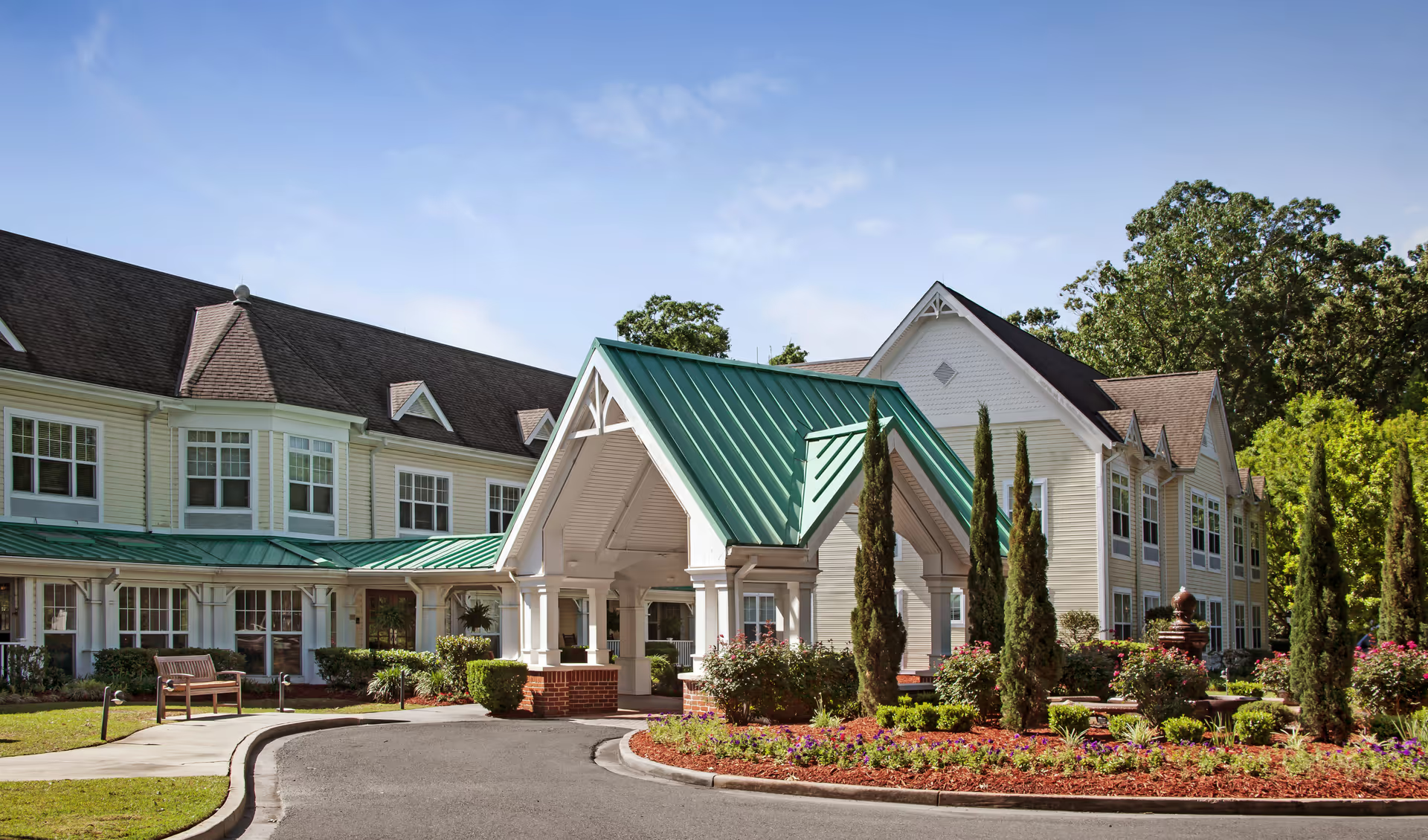
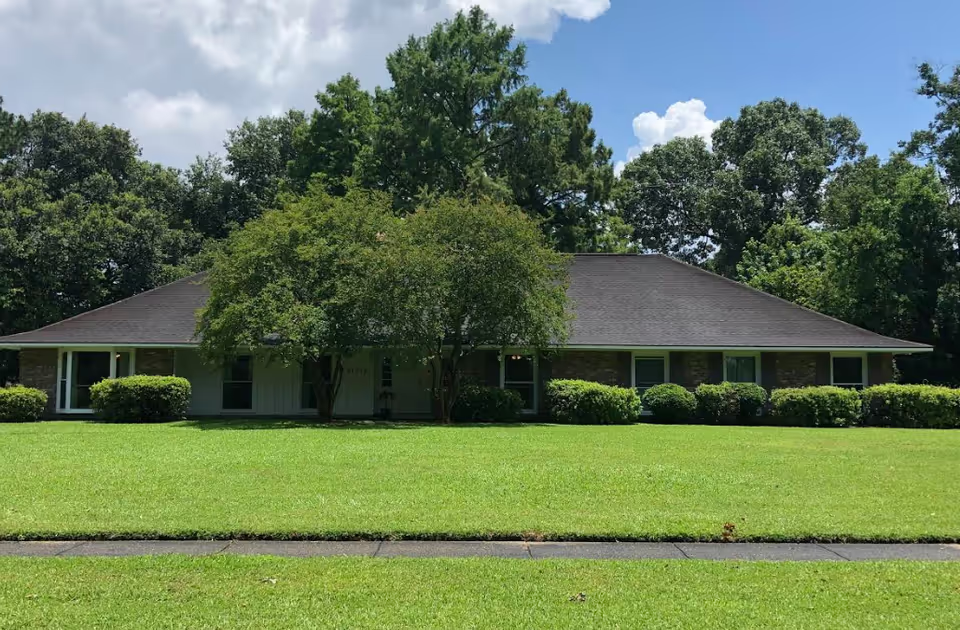
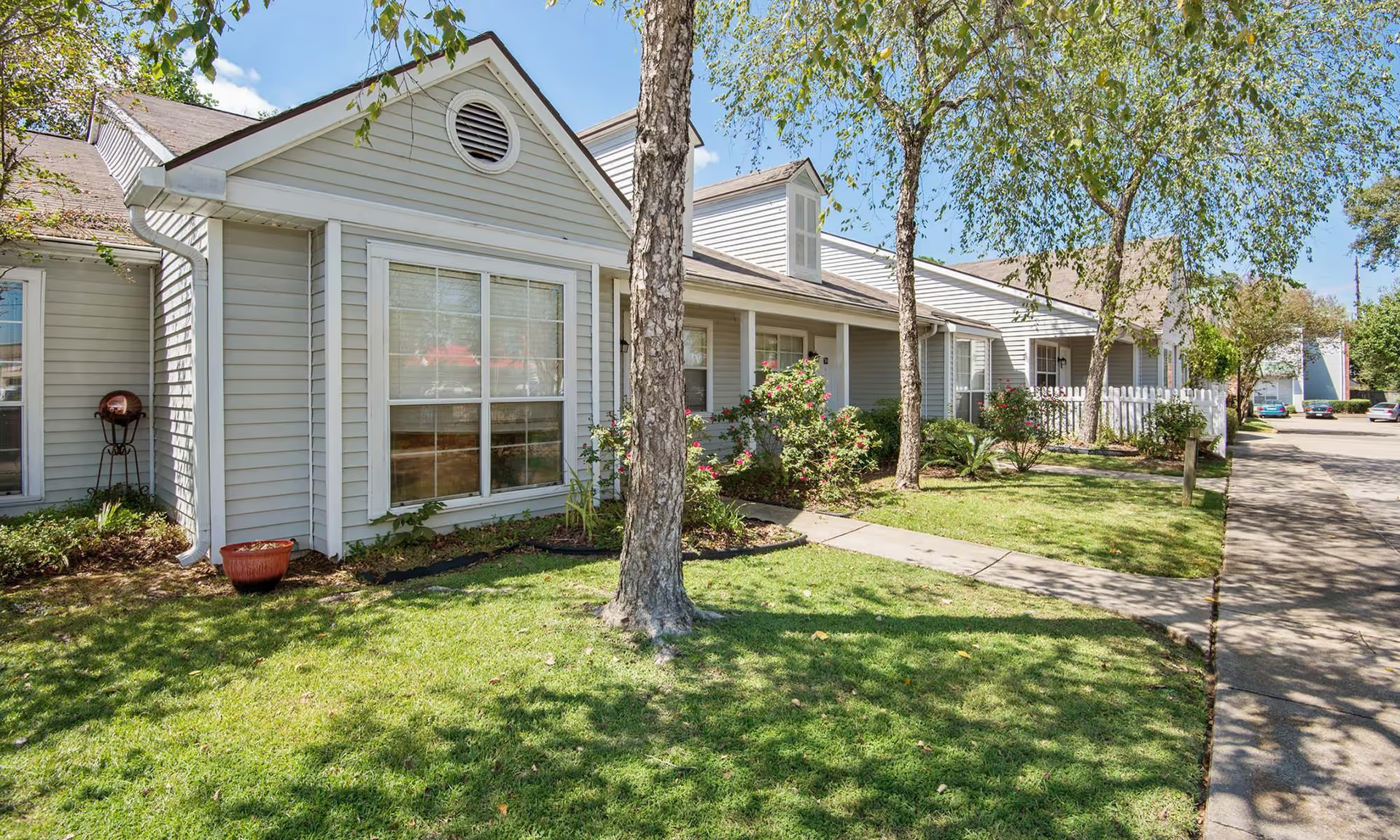
Barclay House of Baton Rouge presents as a new, well-appointed senior living community with strong hospitality and many lifestyle amenities. The physical plant and public spaces receive frequent praise: bright, designer-finished interiors, wide corridors and elevators, accessible features such as zero-threshold entries, attractive courtyards and landscaping, and numerous resident amenities (salon, theater/media room, private dining, family-use kitchen, reading nooks). The atmosphere is commonly described as home-like and welcoming, with multiple comfortable gathering areas and programming spaces that support socialization.
Staffing and care quality show a mixed picture. Numerous families and visitors describe front-line staff, memory-care aides, and some nursing personnel as compassionate, attentive, and family-oriented; marketing and front-desk teams are also frequently characterized as professional and hospitable. At the same time, reviewers describe operational patterns that suggest uneven clinical oversight: staffing levels are reported to vary (with particular concern about overnight coverage in memory care), medication administration and monitoring have been described as inconsistent, and routine personal-care tasks such as bathing and feeding assistance are sometimes delayed or inconsistently performed. Several accounts reference gaps in clinical coordination and follow-up checks. These contrasts create a pattern of variability in day-to-day care depending on shift, unit, or individual caregiver continuity.
Dining and food service are another area of divergence. The community employs an on-site chef and there are positive comments about homemade pastries, signature entrées, and special events; some families praise meal presentation and nutrition oversight. Conversely, other families report inconsistent meal quality, occasional low-quality entrees, interruptions in meal service, and perceived weaknesses in food-safety and kitchen operations. This suggests the culinary program can deliver high-quality offerings but may also experience operational lapses that affect consistency.
Activities and social programming are generally strengths. The facility offers a broad calendar — bingo, social evenings, seasonal and family events, animal visits, religious services, movie nights, and salon services — and many residents and families note active engagement opportunities. Memory-care programming is present and staffed, but activity offerings there are described as more limited or uneven compared with the general assisted-living population, and evening/nighttime engagement and supervision may be lighter.
Management and operations display both responsiveness and areas for improvement. Several families report helpful, responsive management and quick attention to concerns; others observe communication gaps, scheduling challenges, and high staff turnover that reduce continuity and predictability. Financially, the community is viewed as at the higher end of the market; some reviewers feel the cost is justified by the building and services, while others question value relative to operational inconsistencies.
Notable patterns for prospective residents and families to investigate include staffing levels (particularly overnight and in memory care), clinical oversight and medication-management processes, consistency of personal-care routines, meal-service continuity and kitchen food-safety controls, housekeeping schedules, and how the community assesses and places residents into memory-care versus assisted-living units. A tour that includes observing mealtime, asking for staffing ratios by shift, reviewing recent quality or inspection records, and speaking with the memory-care director about programming and overnight supervision would help clarify whether Barclay House’s strong physical environment and engaged staff align with an individual’s clinical and daily-living needs.