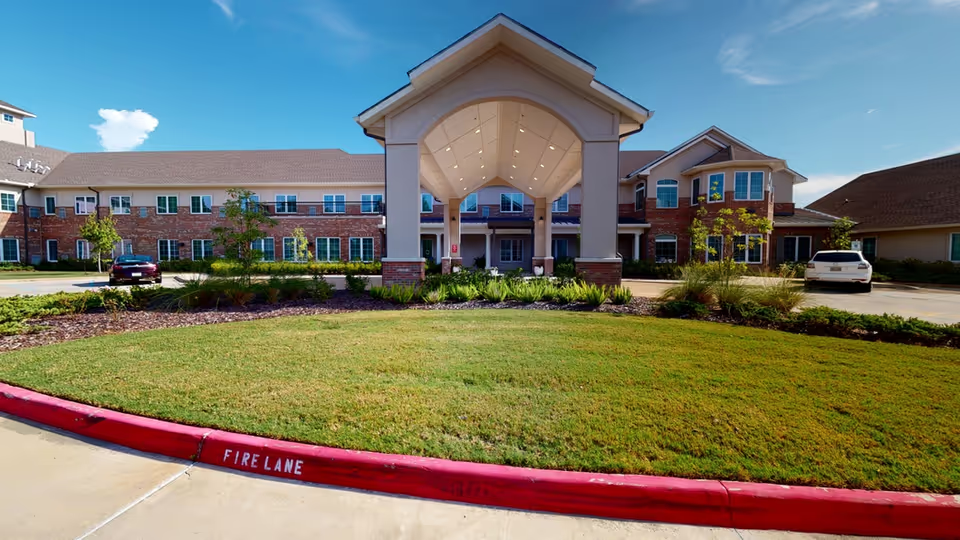
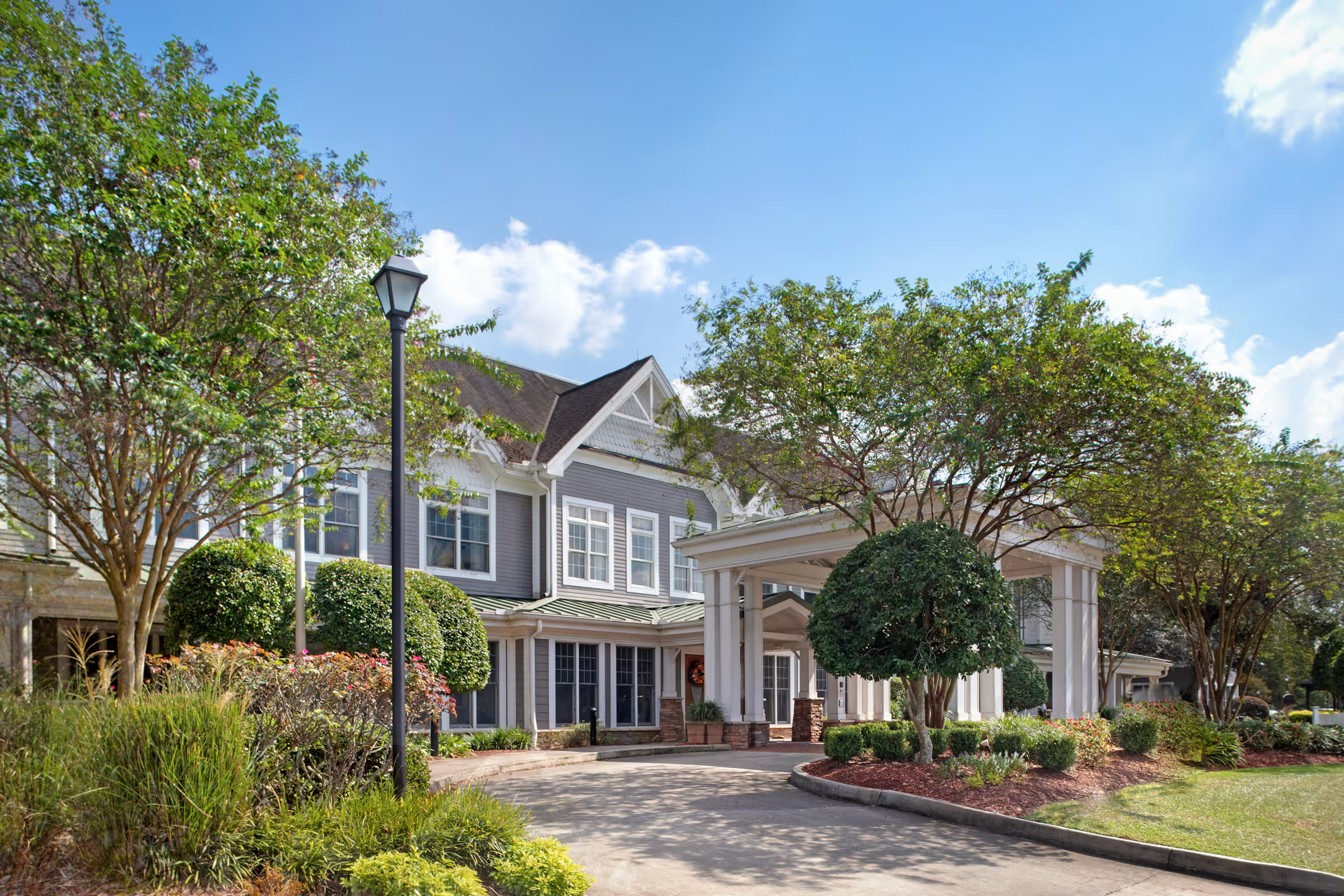
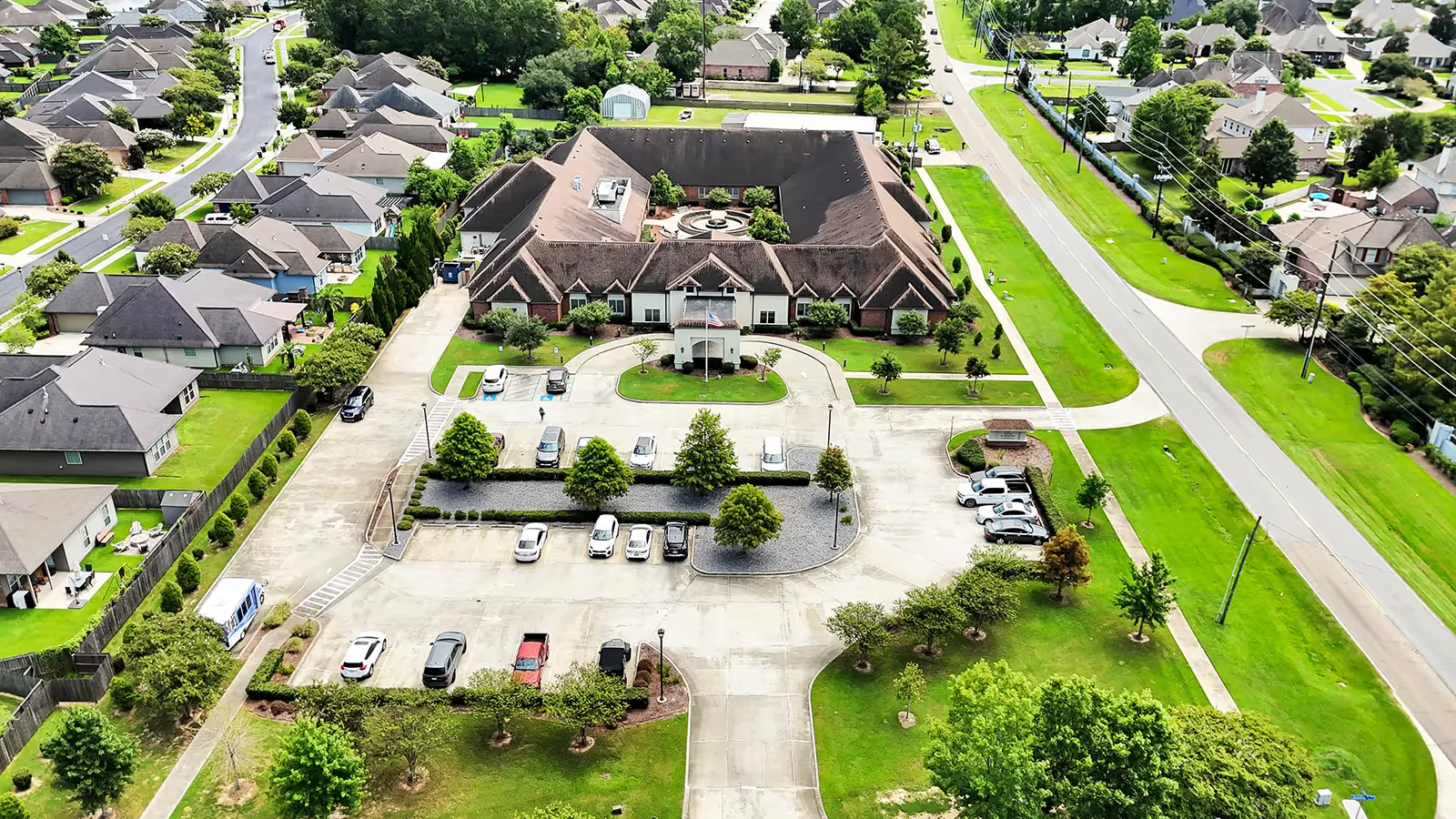
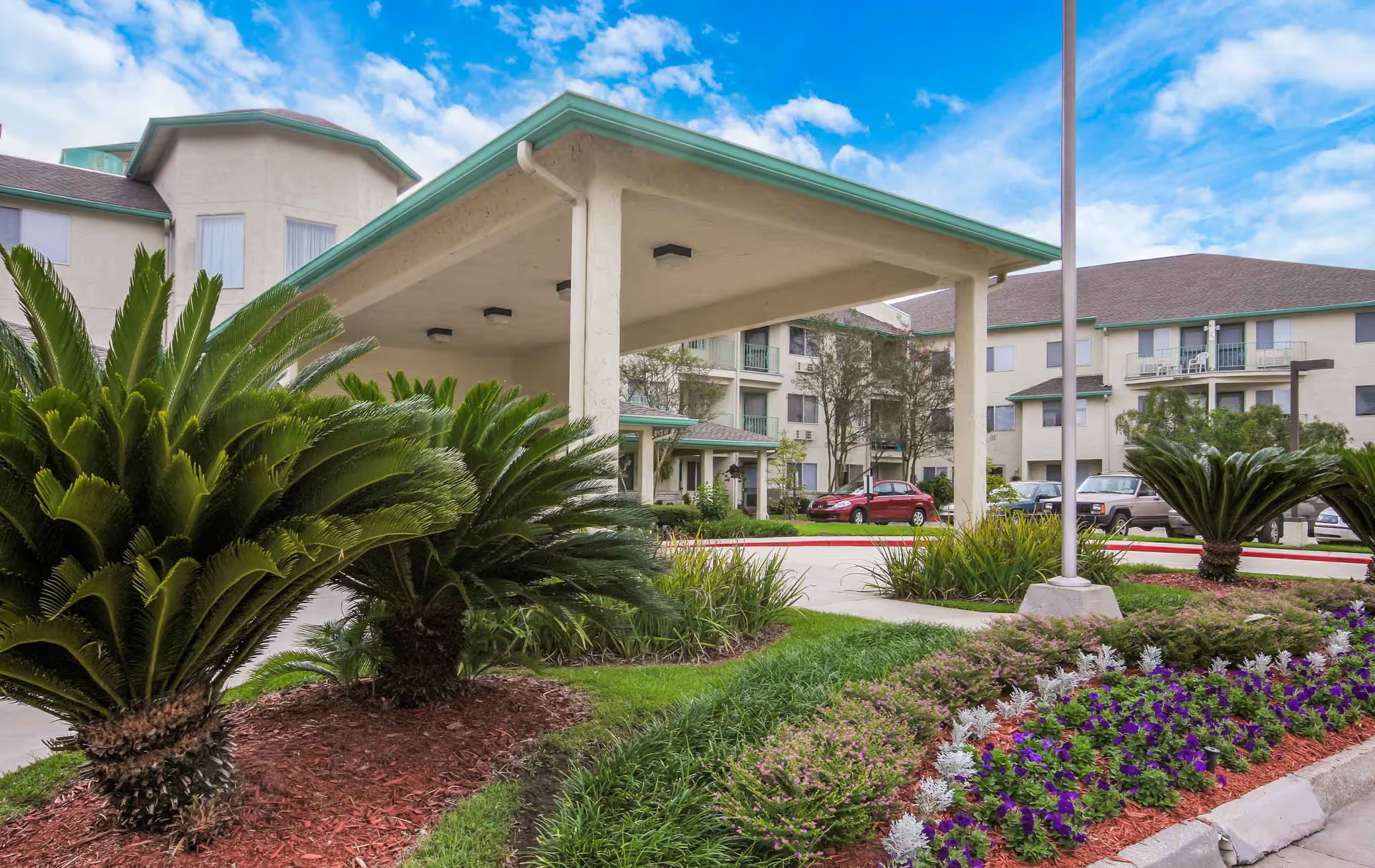
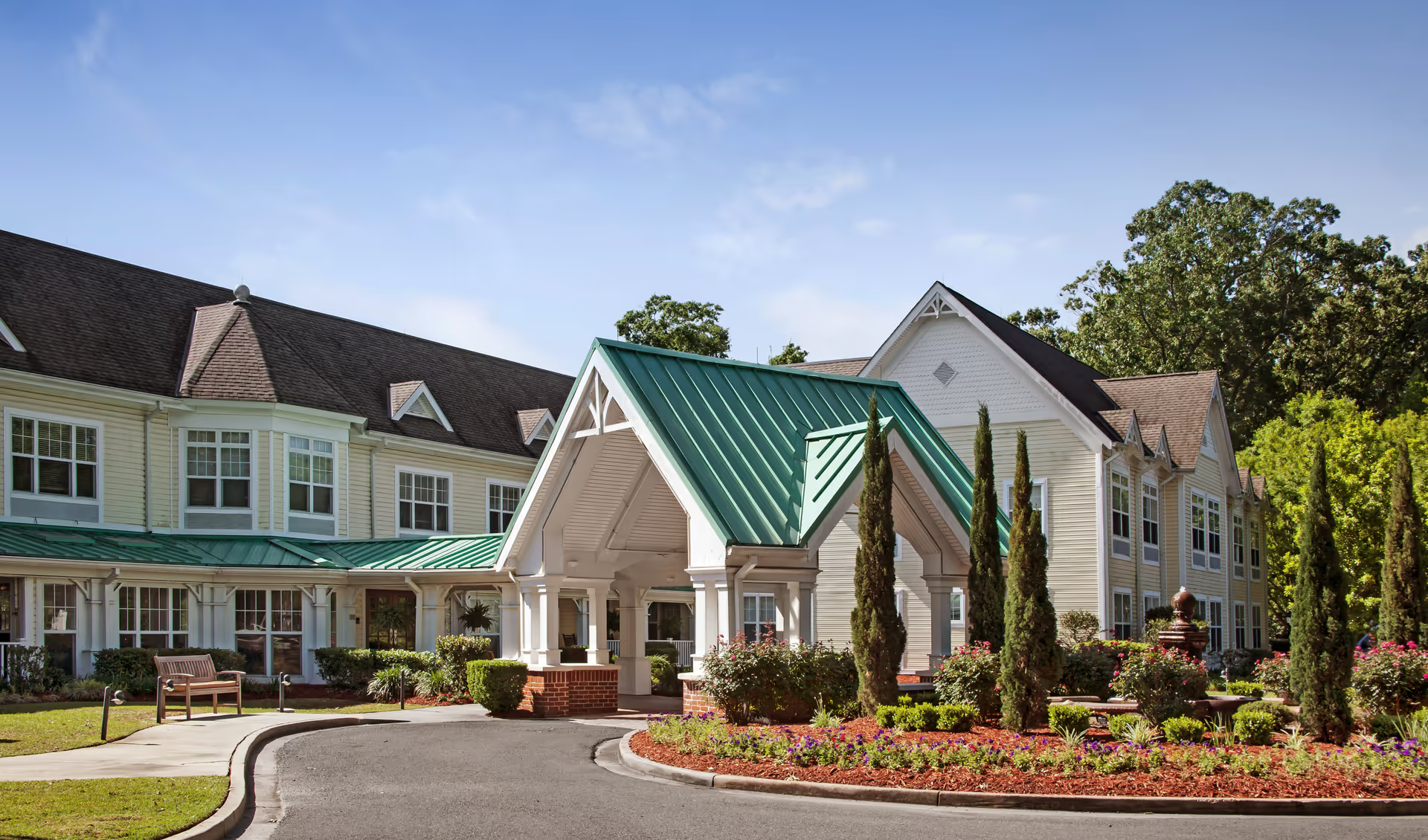
The Claiborne at Baton Rouge presents as a modern, amenity-rich senior living community with many elements that appeal to prospective residents: well-appointed apartments (including in-unit washers/dryers), attractive courtyards and screened outdoor spaces, a heated pool and fitness center, an on-site salon and therapy/medical services, and an active calendar of programs and transportation. Multiple reviewers praised the physical environment, communal spaces, and the ease of move-in, and many families described positive, compassionate interactions with frontline staff and life-enrichment personnel.
Care quality reviews are mixed. Several families praised end-of-life care and the attentiveness of particular nurses and care teams, while other accounts raise concerns about clinical consistency. The pattern in the feedback indicates issues with medication administration and record-keeping, occasional lapses in timely assistance, and specific safety-related events that point to gaps in fall-prevention and transfer-safety practices. These are operationally significant items for anyone considering assisted living or memory-care placement; prospective residents and families should ask for current staffing ratios, medication-administration protocols, incident logs, and recent state inspection results.
Staffing and leadership are recurring themes. Many reviews commend individual staff members and describe warm, helpful tour experiences and ongoing family engagement. At the same time, others describe staffing instability, the presence of newer or less experienced employees, and a management transition that has led to uneven communication and occasional unresolved questions about fees and policies. There are also comments suggesting weaknesses in supply/property controls and at least one allegation of staff financial misconduct; families should clarify theft-prevention measures, staff background-check practices, and how the community addresses inventory and resident property concerns.
Dining and activities are generally highlighted as strengths but not uniformly so. The community offers three meals per day, varied menus with two-entrée options, and a wide range of activities, outings, and therapeutic programming that many residents find engaging. However, inconsistent meal quality, service delays, and unmet special-diet requests were raised by some reviewers. It would be prudent to review sample menus, staffing for dining services, accommodation processes for dietary needs, and to observe a mealtime during a visit.
Facility logistics and suitability are another area to weigh. The Claiborne is large and visually upscale, which reviewers likened to a high-end hotel; this appeals to many but creates long walking distances for some residents and may make certain residents—particularly those with cognitive impairment—more prone to disorientation. Several families recommended direct placement into assisted living rather than independent living when care needs are present. Prospective residents should evaluate unit layouts, proximity to dining and activity spaces, and ask about escorting/wayfinding supports in memory care.
In summary, The Claiborne offers many desirable physical amenities, active programming, and examples of strong, resident-centered staff interactions. Concurrently, there are operational concerns around staffing stability, medication and safety practices, sanitation in certain care areas, dining consistency, management communication, and pricing transparency. Families touring the community should verify clinical staffing levels and competencies, medication and incident protocols, recent regulatory surveys, dining accommodation processes, and contract/fee terms; arranged or unannounced visits to care units and mealtimes can help evaluate whether the community’s strengths align with a given resident’s needs.