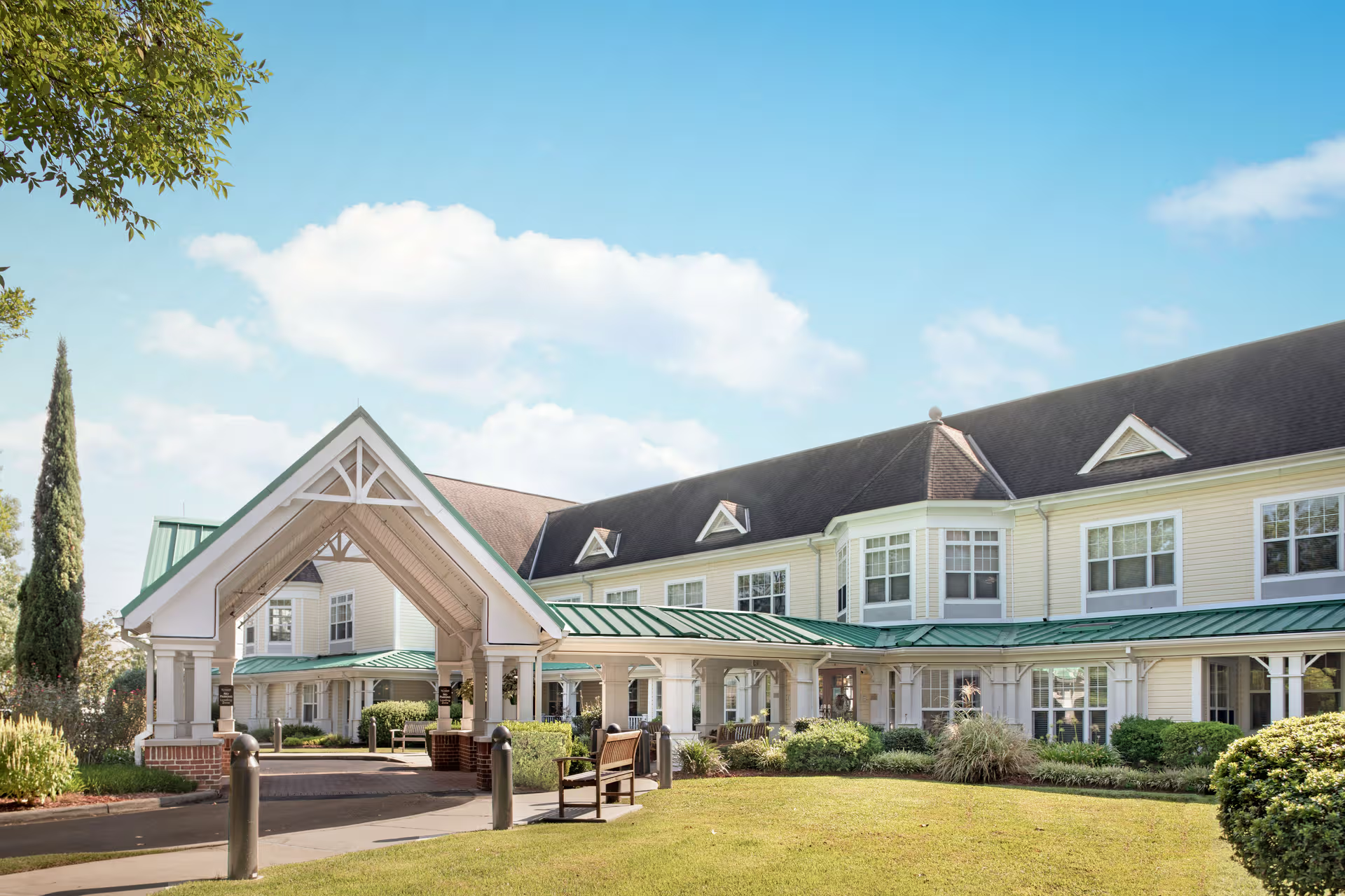
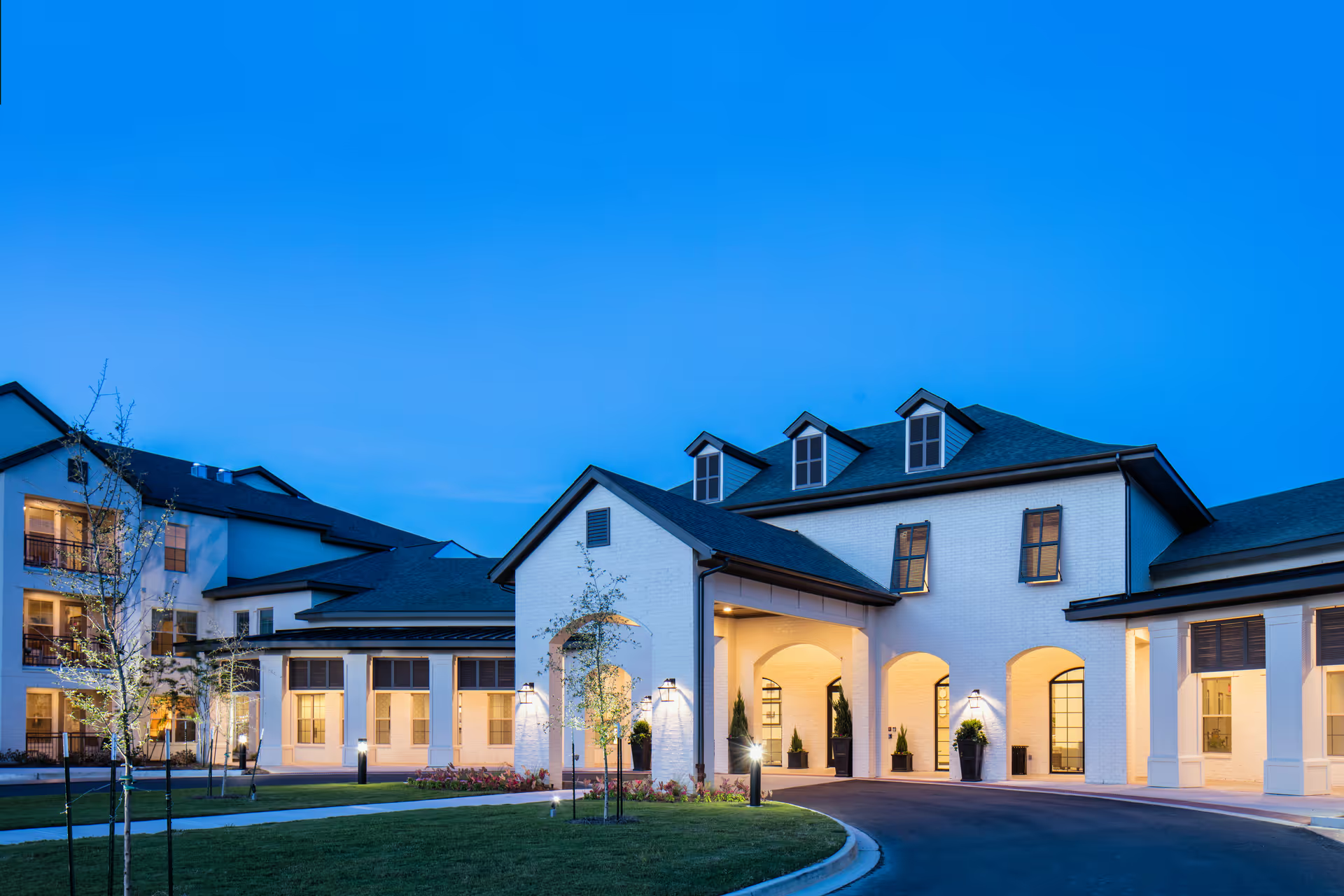
Overall impression: Whealdon Estates presents as a community with a consistently strong emphasis on resident relationships and social engagement. Reviewers routinely describe staff who know residents by name, frequent positive interactions between staff and residents, long-tenured housekeeping and support employees, and a family-like atmosphere. The community offers a wide range of common spaces and amenities — including a library, chapel, movie and music rooms, large dining area, and a dedicated physical-therapy room — and on-site therapy services (PT/OT/speech) are available, which supports residents who need rehabilitation without leaving campus.
Care quality and staffing: Feedback on caregiving is predominantly positive. Many comments highlight compassionate, attentive staff and proactive check-ins when residents miss events. The site supports independent living with optional assisted services; reviewers noted good communication with families, hospice collaboration when needed, and a sense that clinical needs can be met within the community. At the same time, there is variation in staff conduct and leadership responsiveness reported by some families — examples include inconsistent tone from certain employees and sporadic issues with management communication. Prospective families should clarify staffing ratios, escalation paths, and management accessibility during a tour.
Dining: Dining is a prominent and polarizing theme. Numerous reviewers praise the chef, attractive meal presentation, and the convenience of three meals included in rent — several describe the dining atmosphere as restaurant-like. Conversely, a substantive subset of accounts raises concerns about inconsistent meal quality, occasional unpalatable entrées, and limited accommodation for therapeutic diets (notably diabetic and low-sodium plans). There are also a few comments about perceived billing/value friction when residents provide their own meals. Visitors should sample a meal, ask about special-diet protocols, and confirm how dietary needs are handled and billed.
Activities and social life: Activity programming is a major strength. Residents and families report a broad calendar of options — live music, band performances, bingo, movie nights, crafts, exercise classes (chair-based options), regular outings, and special celebrations. The community atmosphere and frequent social opportunities are cited as important contributors to resident satisfaction and social integration. A minority of reviewers noted that pandemic-era restrictions or individual preferences limited participation; prospective residents should review the current activity schedule and participation levels.
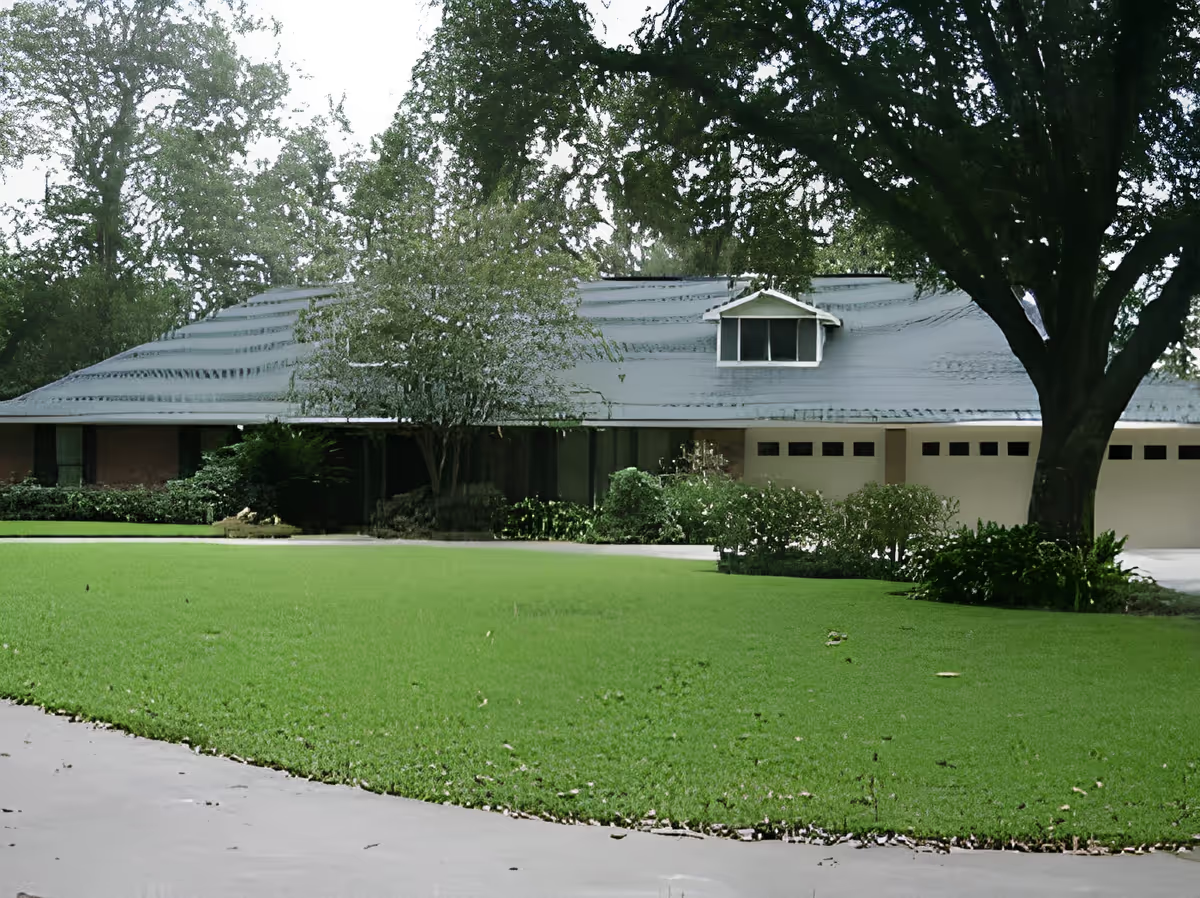
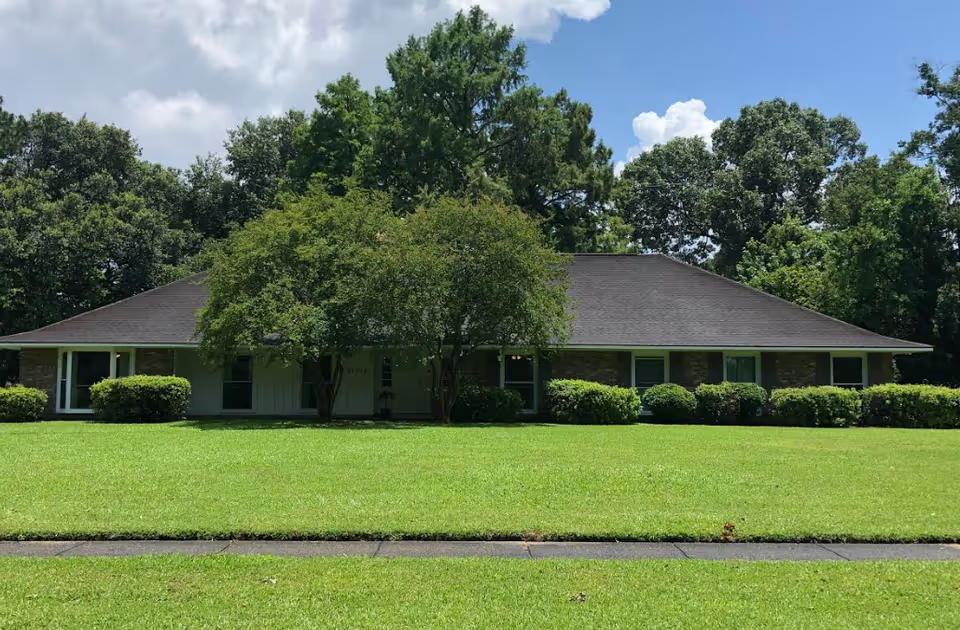
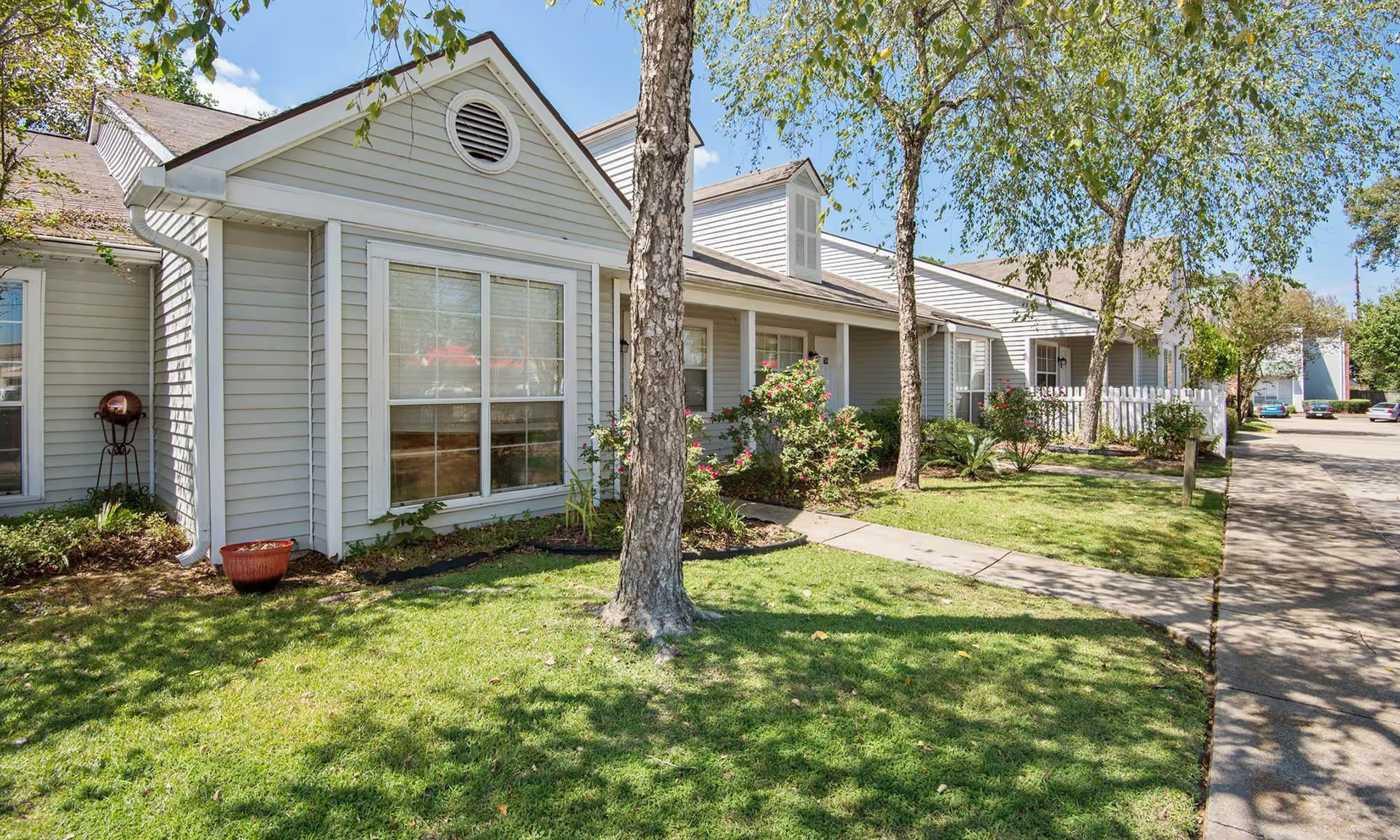
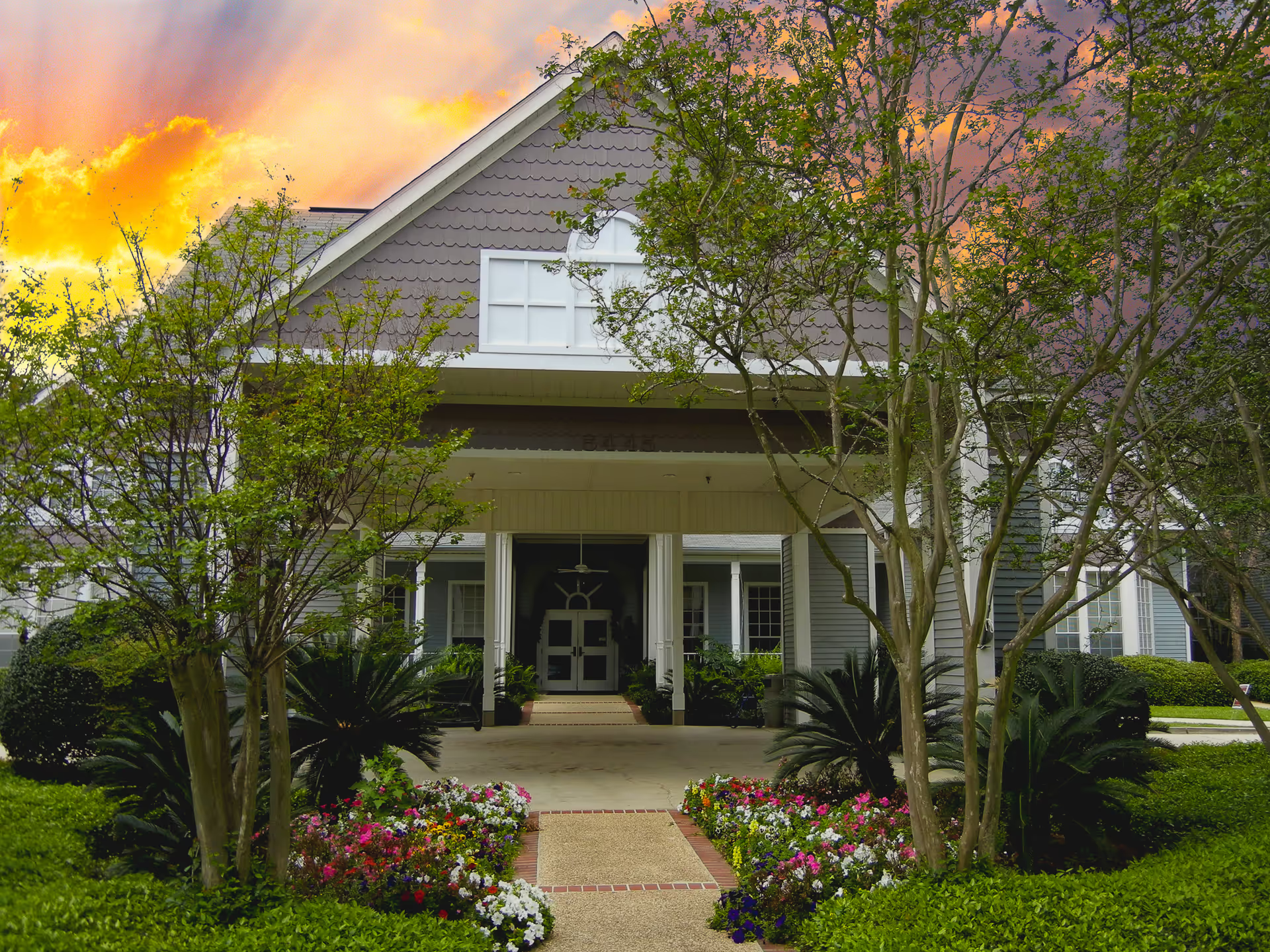
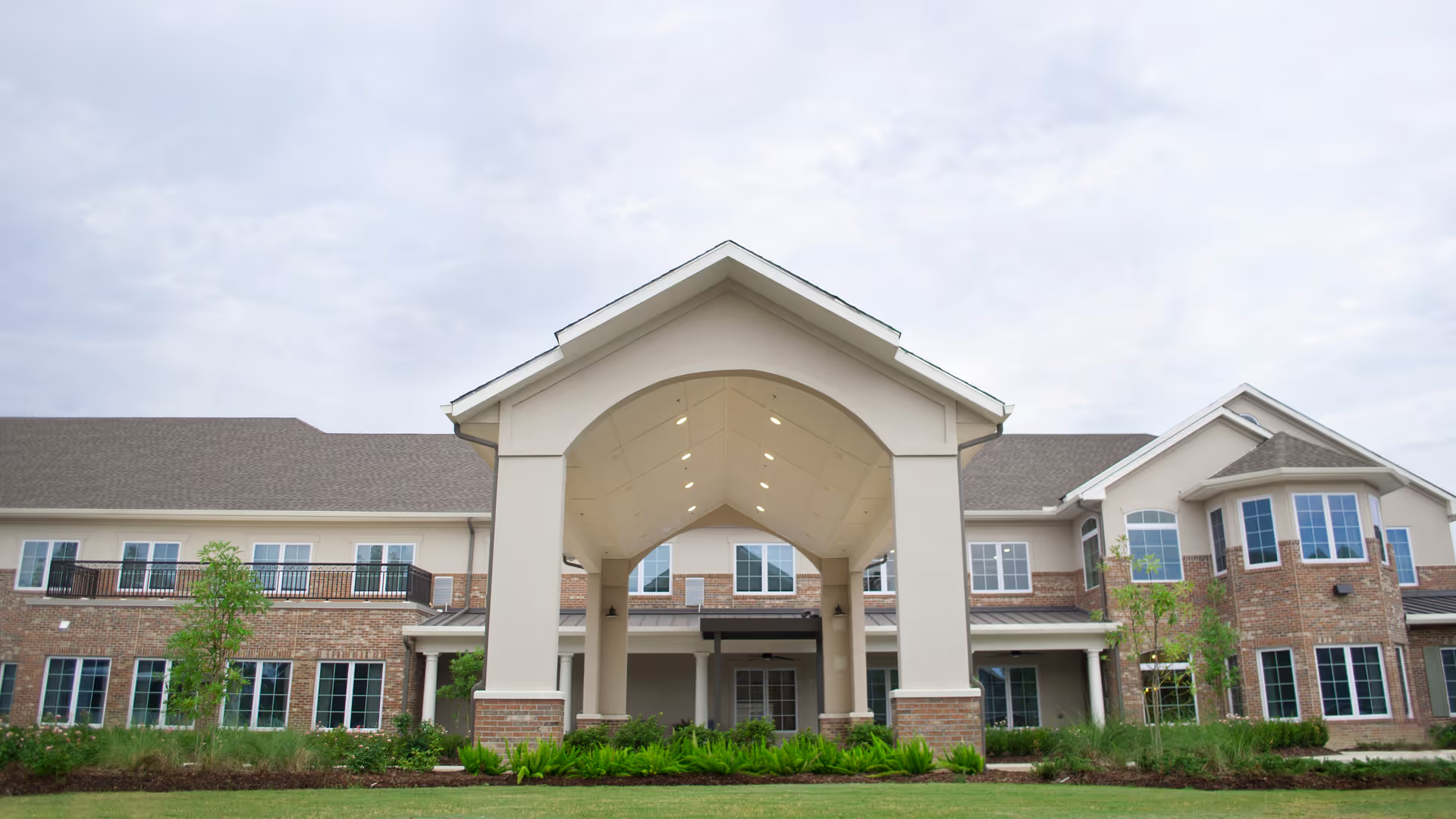
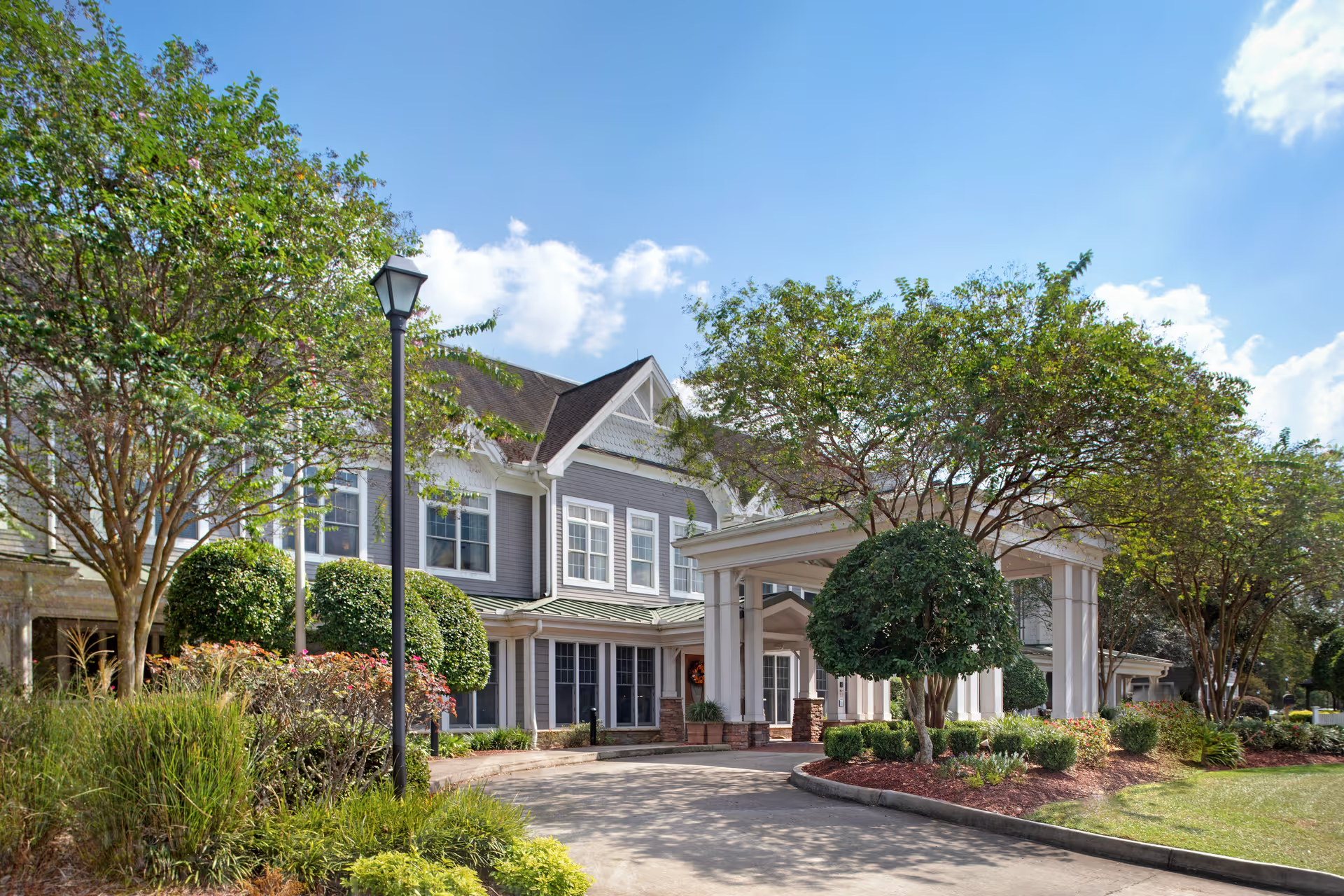
Facilities and maintenance: The campus has well-kept grounds, attractive landscaping, and functional shared spaces. Many units offer patios or balconies and accessible features such as walk-in showers and space for mobility devices. However, the building is described as older in parts, with renovations underway in some areas; some apartments are smaller than expected for similar senior developments. Reviewers also noted occasional slow responses to minor maintenance requests and isolated pest-control concerns. It is advisable to inspect specific unit floorplans, confirm recent renovation status, and ask about preventive maintenance and pest-control programs.
Management and operational patterns: Management receives a mix of high praise and critical feedback. Several reviewers commend an open-door administrator, responsive staff, and visible positive changes; others report inconsistent leadership behavior and at least one example of a brusque or rude manager. Security and access-control have been called out as an operational gap (e.g., exterior doors lacking adequate alarming). Overall, patterns suggest a well-run community with some variability in front-line conduct and operational consistency.
Guidance for prospective residents and families: Whealdon Estates appears well suited for people prioritizing social engagement, rehabilitation services, and staff continuity. When evaluating the community in person, prioritize: sampling a meal and reviewing therapeutic-diet procedures; touring available unit types to assess size and finish level; asking about recent and planned renovations; discussing maintenance response times and pest-control protocols; and clarifying security measures and management escalation processes. These targeted inquiries will help determine whether the facility’s strengths align with an individual resident’s clinical, social, and lifestyle needs.