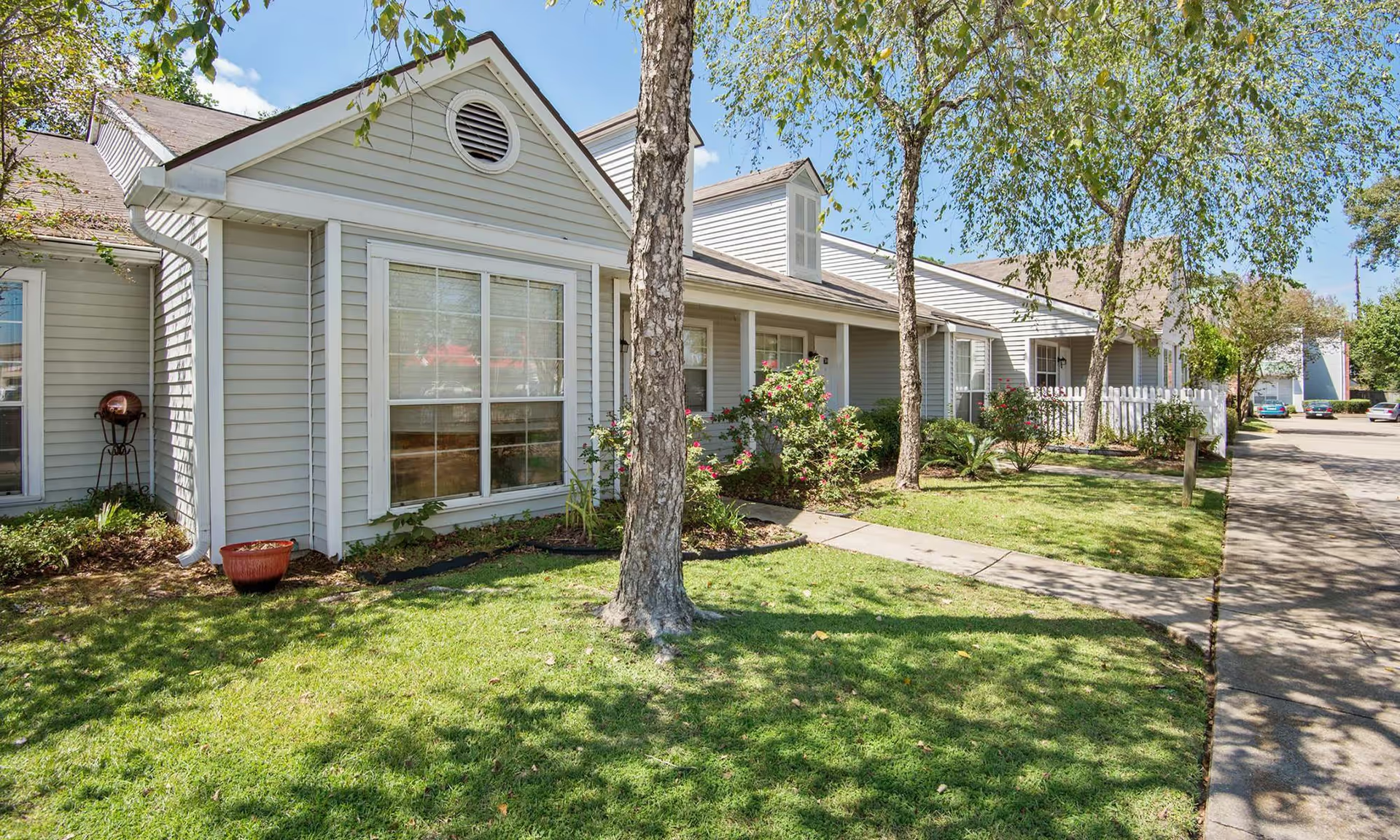
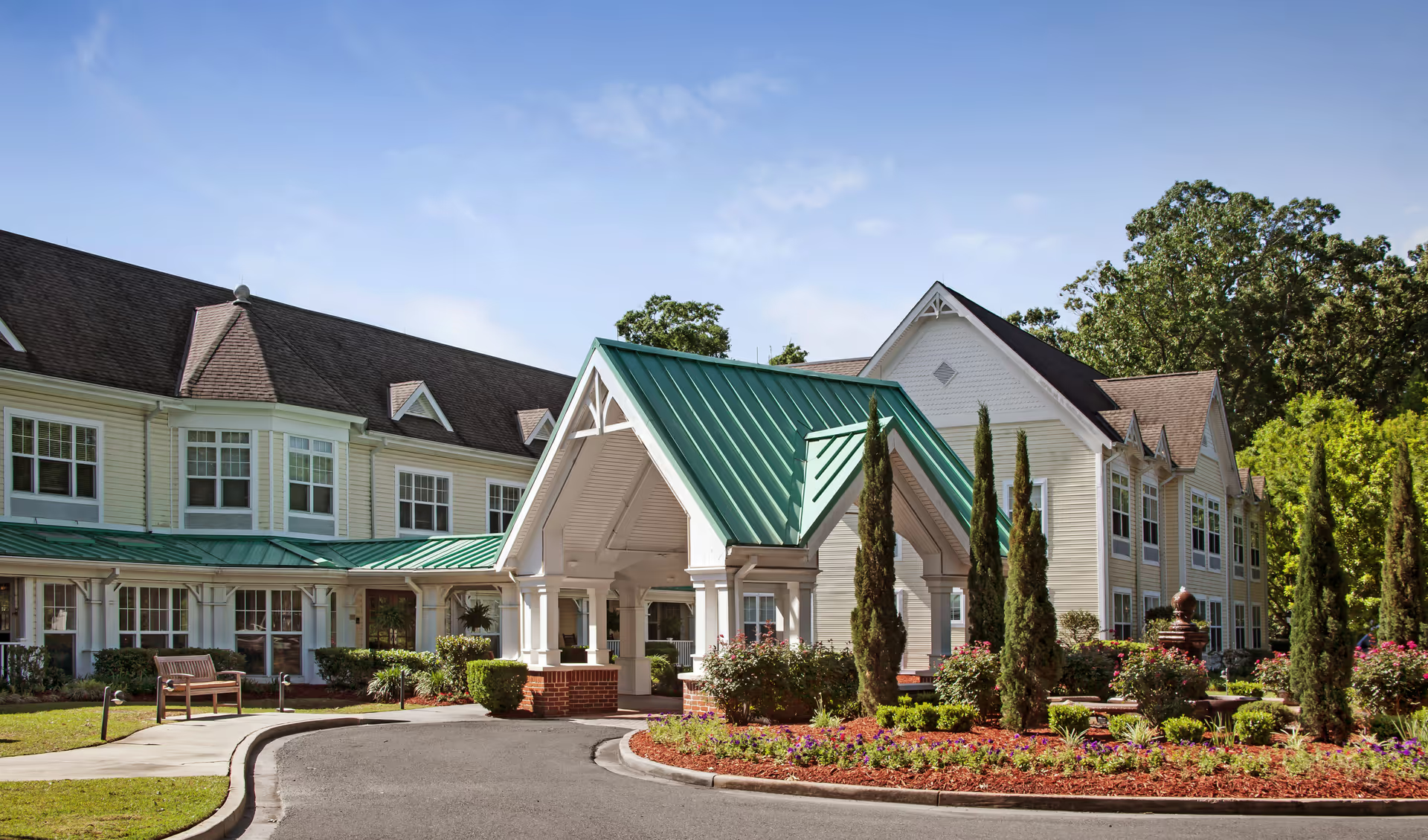
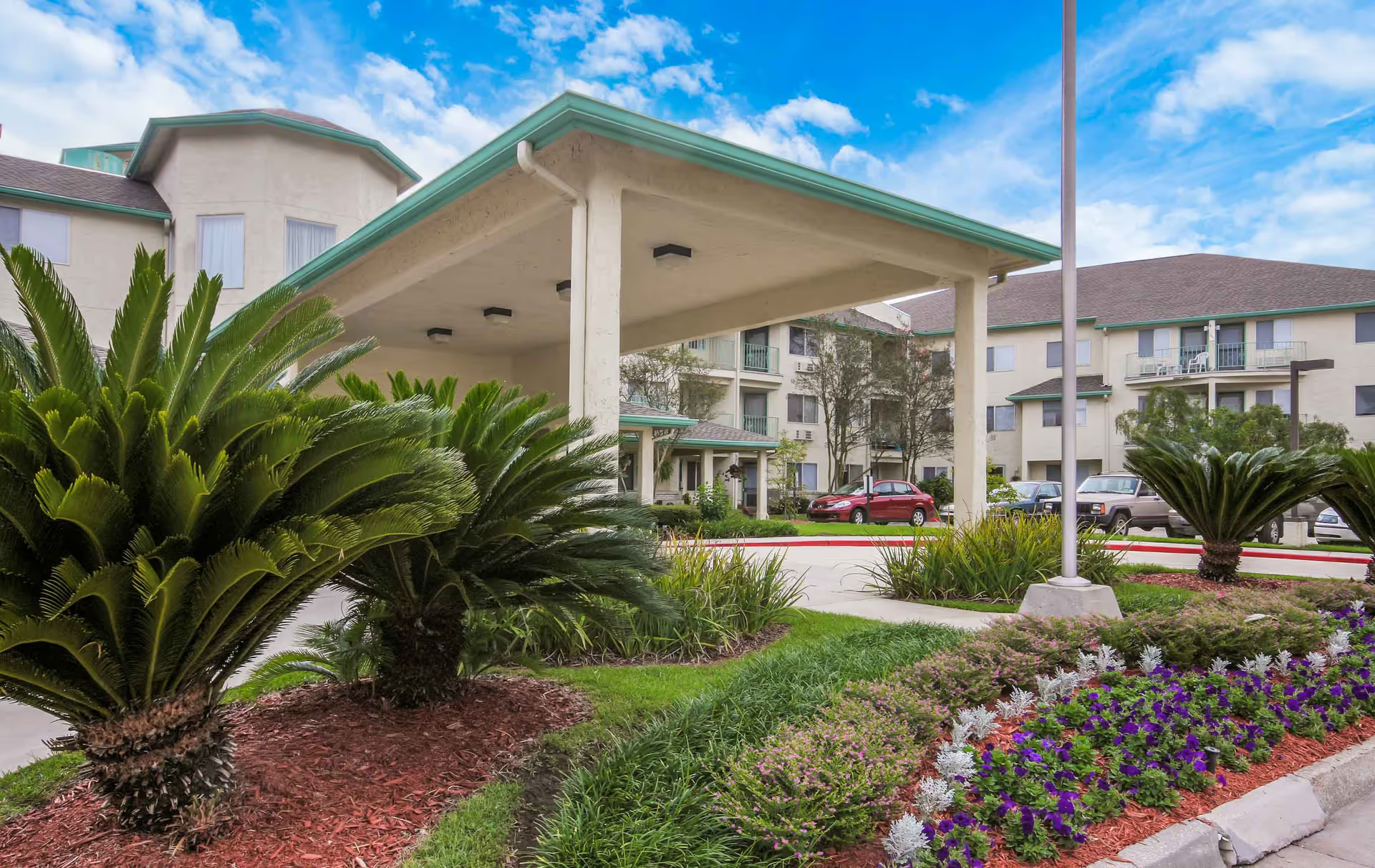
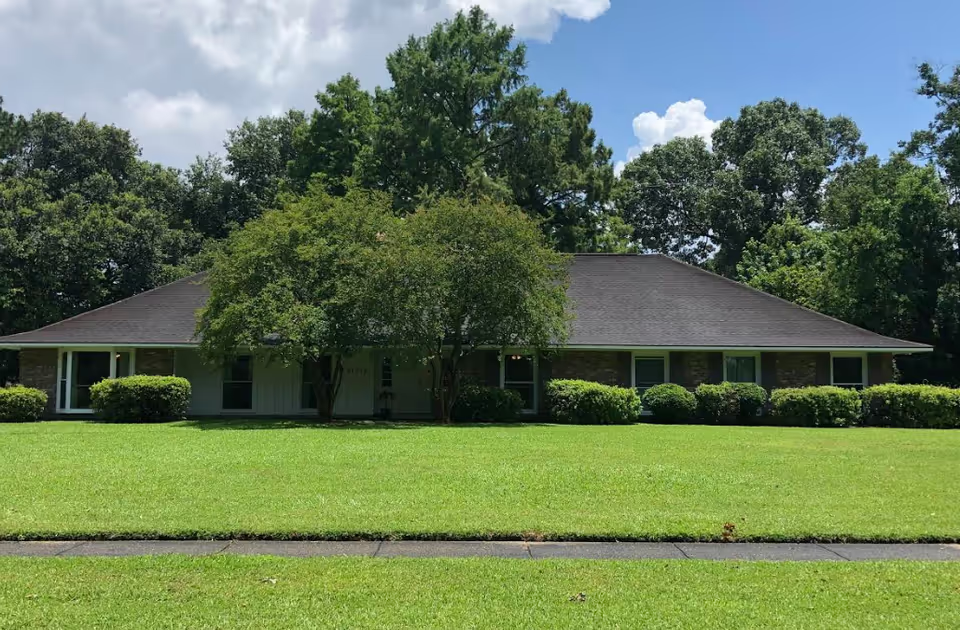
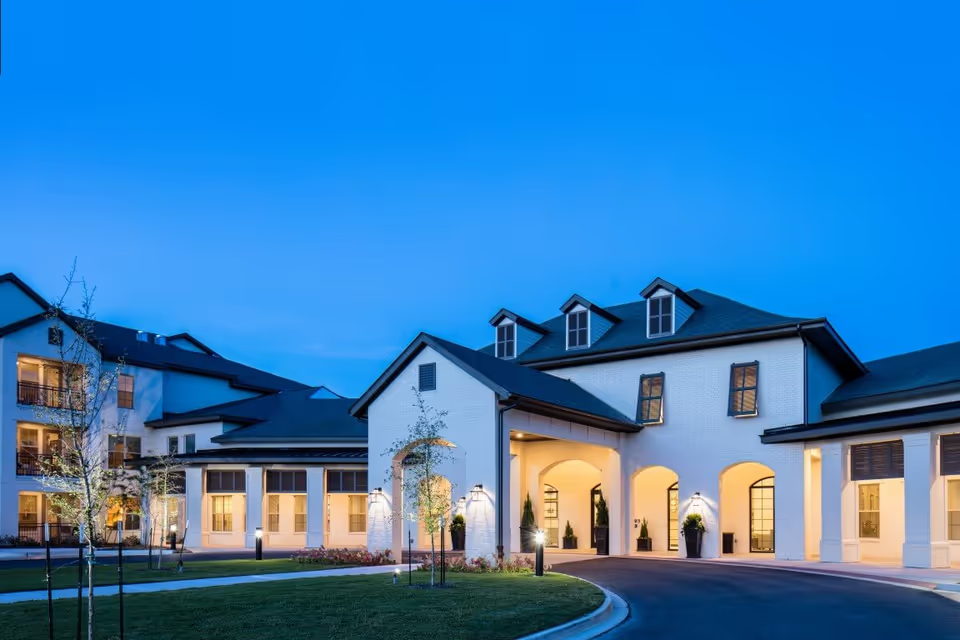
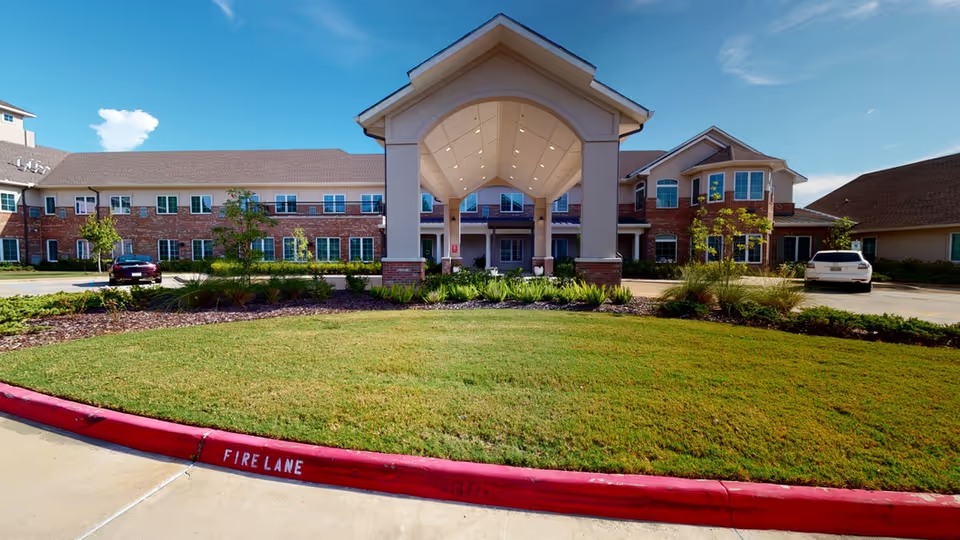
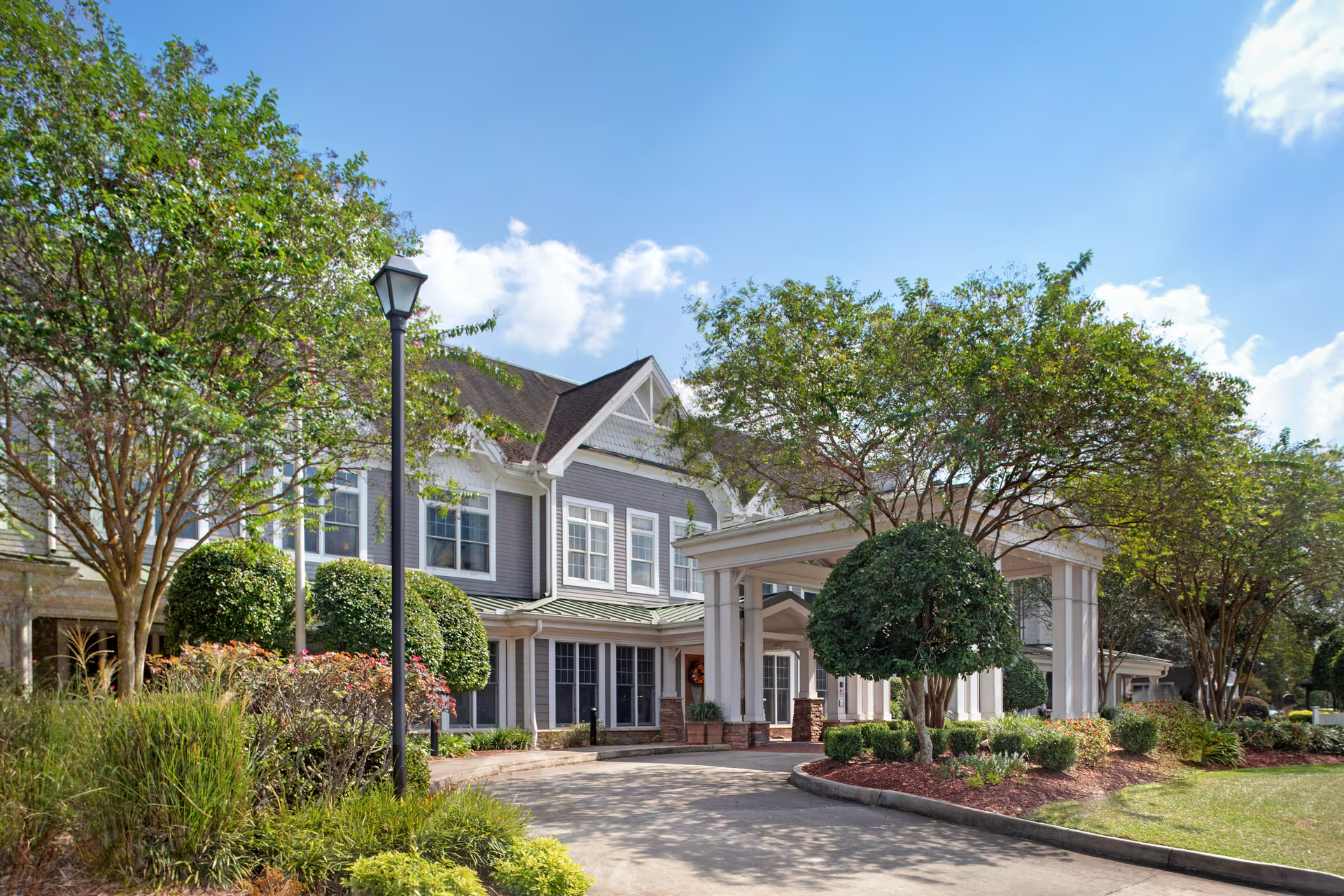
Overall impression: Williamsburg Senior Living Community is frequently described as a welcoming, family‑oriented independent living community with a pronounced emphasis on resident engagement and safety. Many families and residents highlight the compassion and longevity of staff, regular housekeeping, and a range of comfortable communal spaces. The campus and grounds receive consistent praise for being well maintained and visually pleasant, and the facility’s 24‑hour desk and locked access contribute to a general sense of security.
Care and staff: Staff performance is the facility’s most commonly cited strength. Reviewers emphasize caring, attentive aides, housekeeping and dining teams who often go beyond routine duties, and management that is visible and responsive in many cases. Medication management, on‑call assistance, and support during health events were noted positively. At the same time, the community is primarily positioned for independent living; reviewers note limited onsite skilled‑nursing capacity for residents who develop higher acuity needs, meaning transitions to higher levels of care may be required. A smaller number of reviews raise workforce issues affecting cleaning staff and occasional turnover, which appears to correlate with isolated concerns about service consistency.
Dining and nutrition: Dining is described as homestyle and frequently enjoyable, with several comments praising chefs and dessert offerings and noting a pleasant dining room atmosphere. However, a recurrent theme is variability in food quality and menu consistency. Some families would like stronger dietary oversight (for example, a registered dietitian) and clearer meal‑service expectations. The community typically provides two main meals per day, and reviewers cited both satisfaction with the offerings and frustration about limited evening service or extra charges for additional meals.
Activities and social life: Activities are a clear strength. The calendar includes exercise classes, card games, crafts, music and dance events, seasonal parties, regular excursions, religious services, and small‑animal visits. These programs contribute to a lively social environment and a strong sense of community for residents who seek activity and companionship. Transportation and weekly bus trips were commonly appreciated as enabling continued participation in town routines.
Facilities and apartments: Apartments range from compact studio/one‑bedroom units to larger floor plans; many reviewers appreciated natural light, views, and practical kitchens. Common spaces such as the library, craft rooms, chapel, salon, and gazebo were highlighted as valuable amenities. Noted facility issues include occasional pest‑control concerns, uneven cleaning thoroughness, and signs of aging infrastructure that some reviewers felt needed updating. Accessibility is a mixed picture: while some units are spacious and well‑laid out, others have narrow doorways and compact kitchens that may challenge mobility needs. Elevator reliability has been raised as an operational concern when outages occur.
Management and operations: Opinions about management and administration are generally positive with many reviewers praising proactive, caring leadership and effective onboarding. A subset of comments point to inconsistent communication from admissions or marketing, occasional disorganization during move‑in, and unclear ancillary billing (electricity metering, extra meal charges, room upgrade costs). Cost transparency and fee structures are common topics for families to clarify before move‑in.
Notable patterns and recommendation guidance: The dominant pattern across reviews is strong interpersonal care and an active social environment that supports independence while offering peace of mind to families. Prospective residents who prioritize engagement, homestyle dining, and a community atmosphere will likely find Williamsburg appealing. Those who anticipate needing higher acuity nursing care should confirm the facility’s clinical scope and plan for possible transitions. Before committing, families should ask targeted operational questions about dining hours and dietary oversight, pest‑control practices, elevator maintenance plans, ancillary fee details, and unit accessibility to ensure the apartment and services match clinical and lifestyle needs.