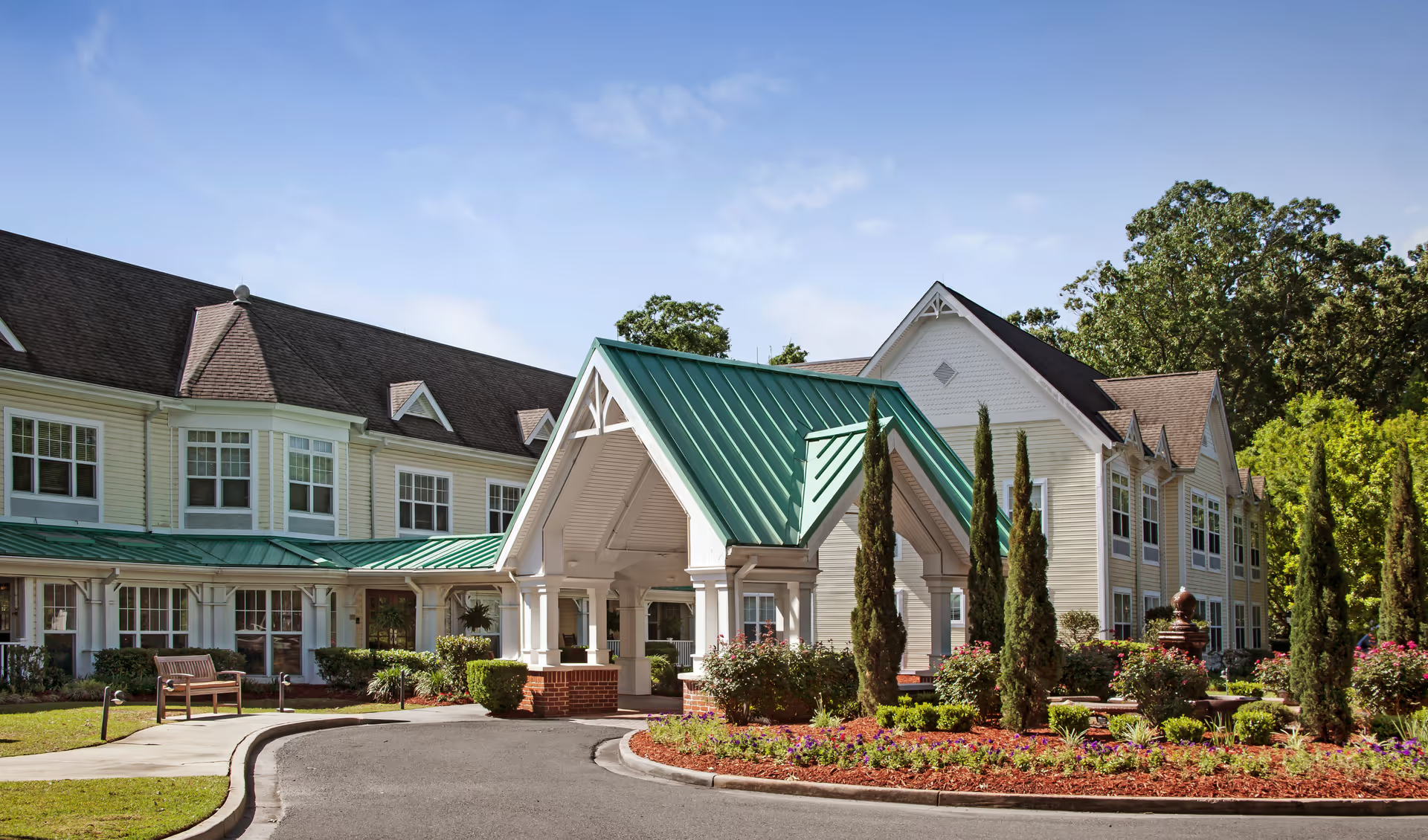
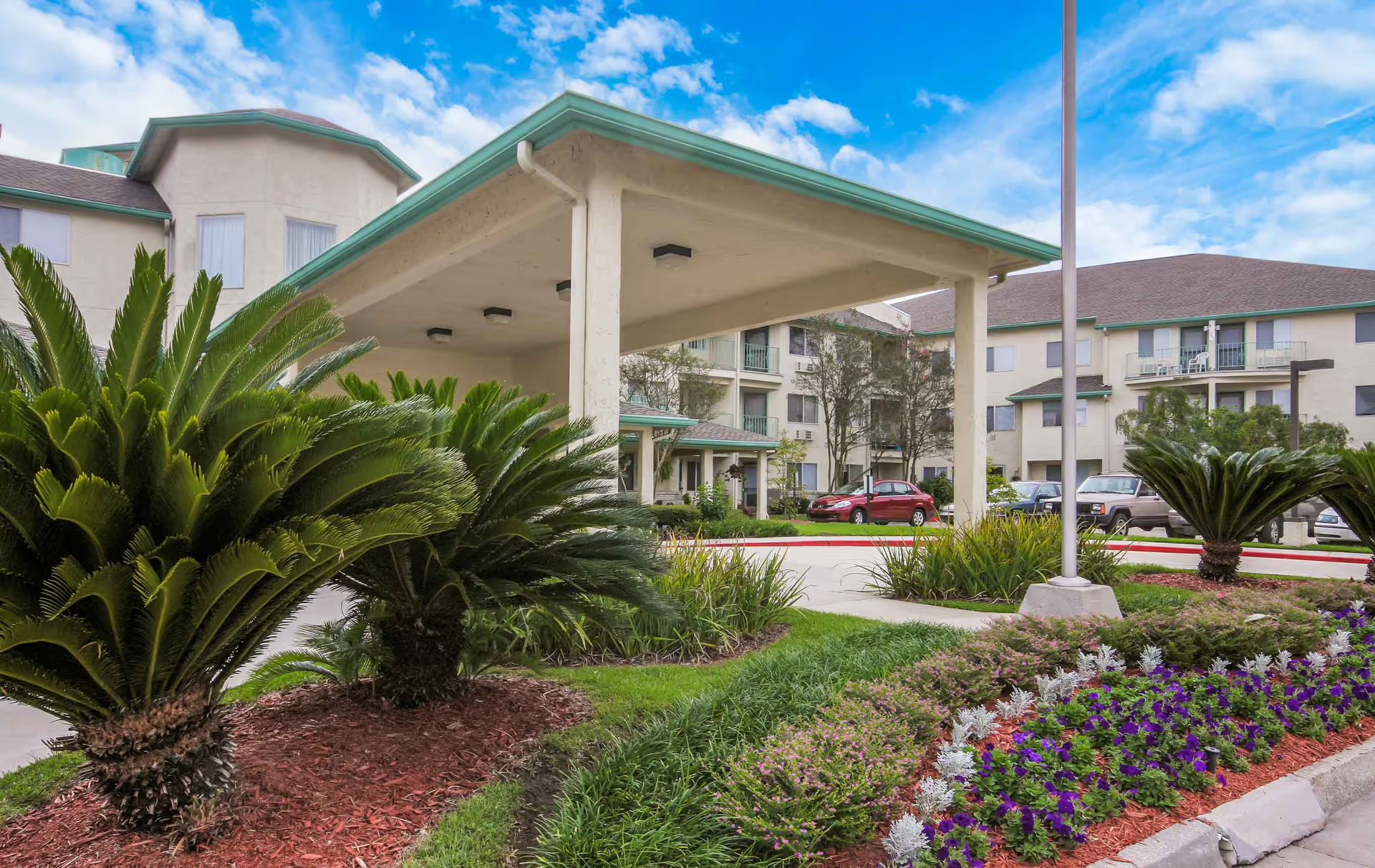
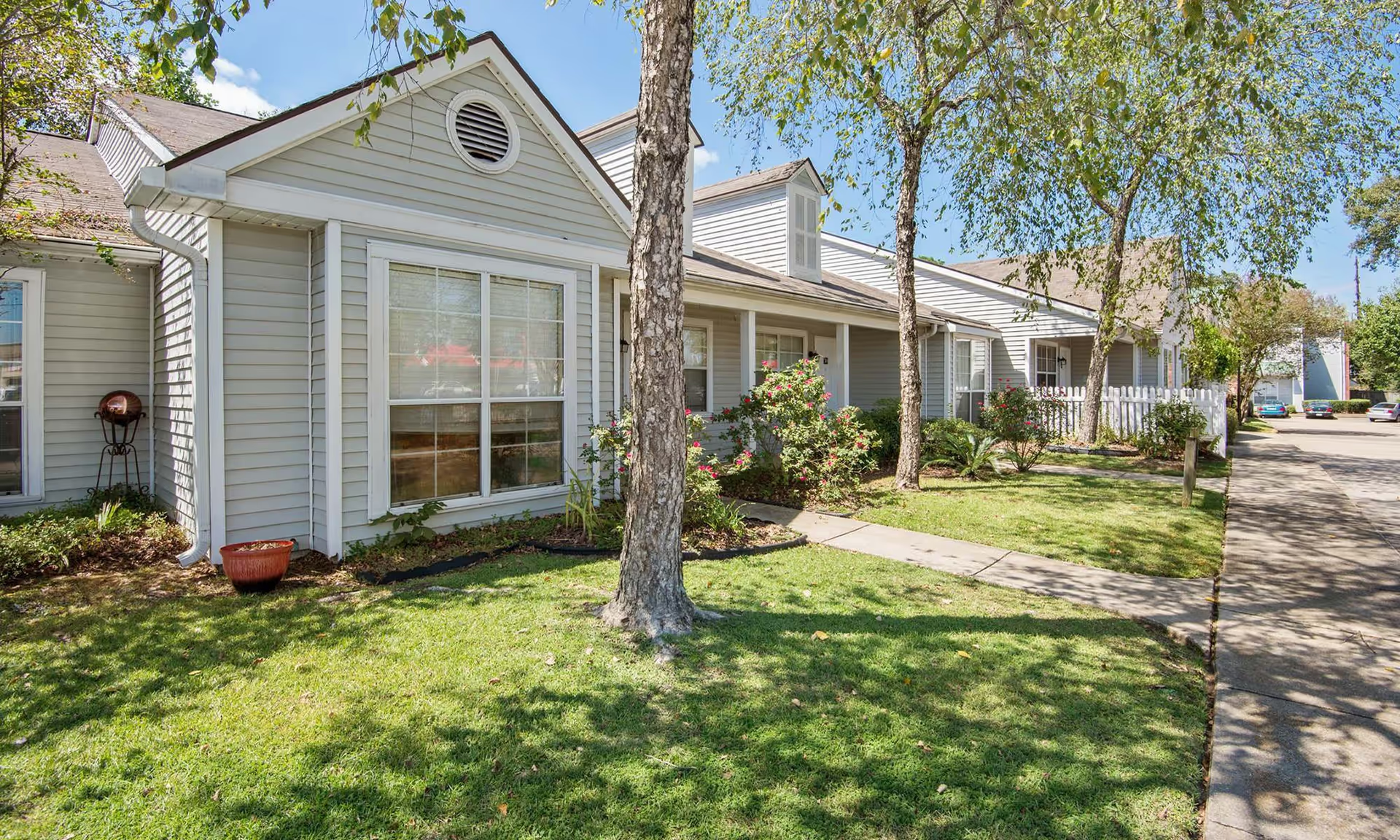
Overall impression: Feedback for The Claiborne at Shoe Creek is mixed. Many families and visitors praise the property's new construction, attractive grounds, and a broad set of amenities. Multiple comments highlight chef-prepared, varied meals, an active calendar of social programming, and staff who are warm and engaging. At the same time, a set of recurring operational concerns — particularly around staffing, documentation, and certain care processes — appears across reviews and warrants careful inquiry by prospective residents and family members.
Care and staff: Numerous reviewers describe caregiving staff as friendly, caring, and attentive, and several note effective leadership and supportive administrative staff. However, a consistent theme is variability in staffing levels and a high rate of staff turnover. This variability is associated with use of temporary/agency personnel, which families link to reduced continuity of care. Reviewers also raised concerns about delays in attending to personal-care needs (for example bathing and toileting assistance), examples of residents experiencing falls, and uneven medication-administration practices and handoffs. Several reviews referenced insufficient or inconsistent clinical documentation and care-plan recording, which contributes to family uncertainty about ongoing clinical oversight.
Dining and activities: Dining is a clear strength for many residents: the facility offers restaurant-style service, meals prepared to order, substitutions, and a rotating menu praised by several reviewers. At the same time, other families described service inconsistencies such as long waits in the dining room, limited snack availability between meals, and occasional disruptions to meal service. Activities programming and social events are frequently highlighted as robust, with regular holiday and community events, happy hours, outings, and varied offerings that support an active social atmosphere.
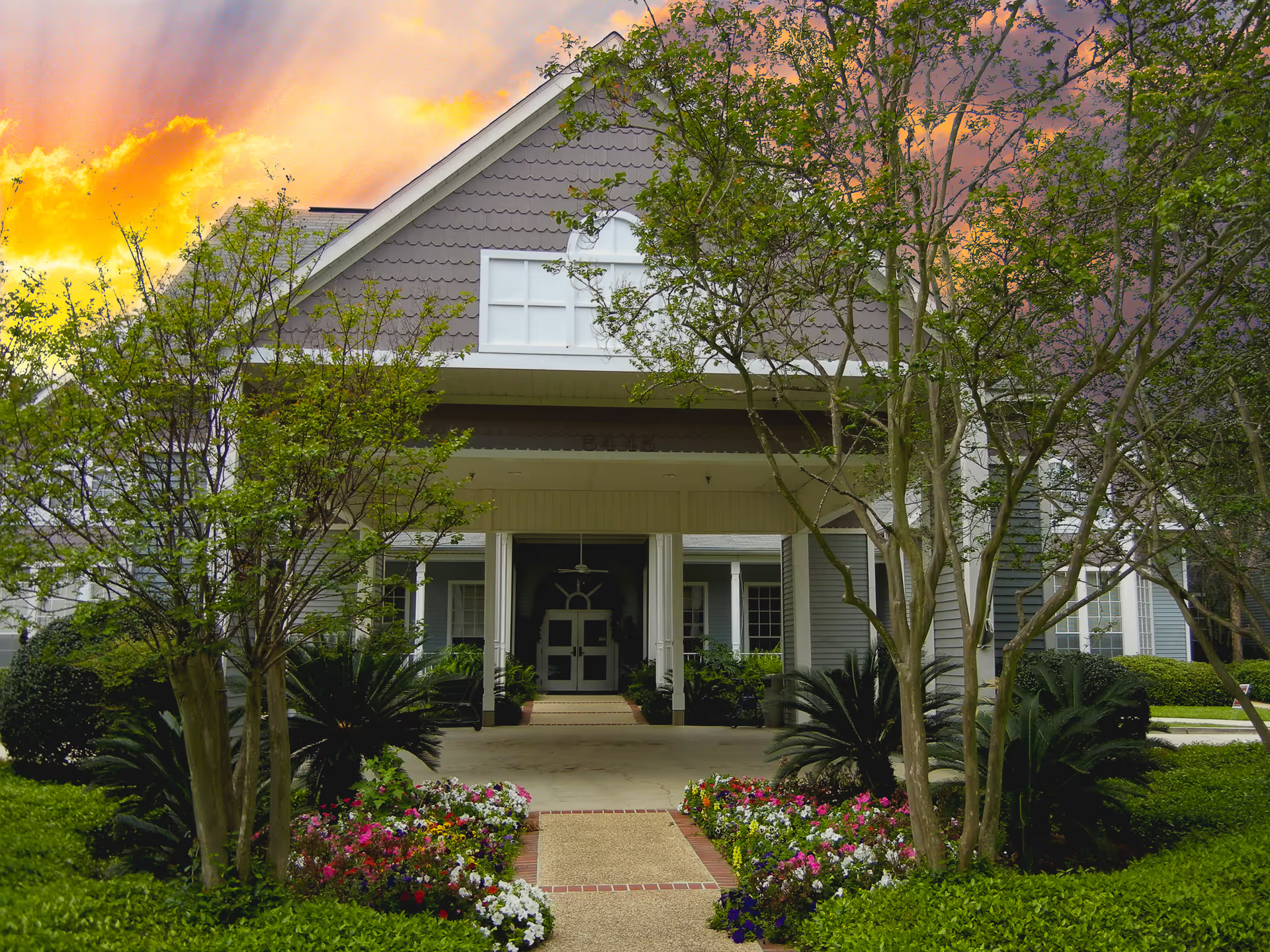
Facilities and management: The physical plant and amenities receive repeated positive comments: clean, modern interiors, well-kept grounds, and convenient on-site spaces (gym, salon, library, theater, courtyard). Conversely, there are reports that suggest uneven housekeeping and sanitation practices in particular units, along with pest-control and odor concerns in some areas — issues families view as operational and important to monitor. Additional operational weaknesses noted include inconsistent laundry and personal-item management, limited accessibility because amenities span multiple levels, and perceptions of high cost relative to the level of care delivered in certain cases. Several families also described instances where leadership did not meet their expectations for communication or for managing complex dementia-related behaviors, and a few residents required relocation when needs exceeded the facility’s capacity.
Notable patterns and recommendation: The feedback indicates a facility with strong amenities, food service, and many dedicated employees, paired with systemic operational challenges tied largely to staffing stability, care-process consistency, and housekeeping/sanitation oversight. Prospective residents and their families should balance the facility’s physical and programmatic strengths against these operational risks. Useful questions to ask during a tour include current staff-to-resident ratios (day/night), frequency of agency staff use, protocols for clinical documentation and medication administration, memory-care staffing and behavioral-support capabilities, housekeeping and pest-control schedules, laundry handling and lost-item procedures, and contract/pricing details including how care-level changes are communicated and billed. Observing an activity period, mealtime, and a medication pass (with permission) can also help assess day-to-day consistency before making a placement decision.