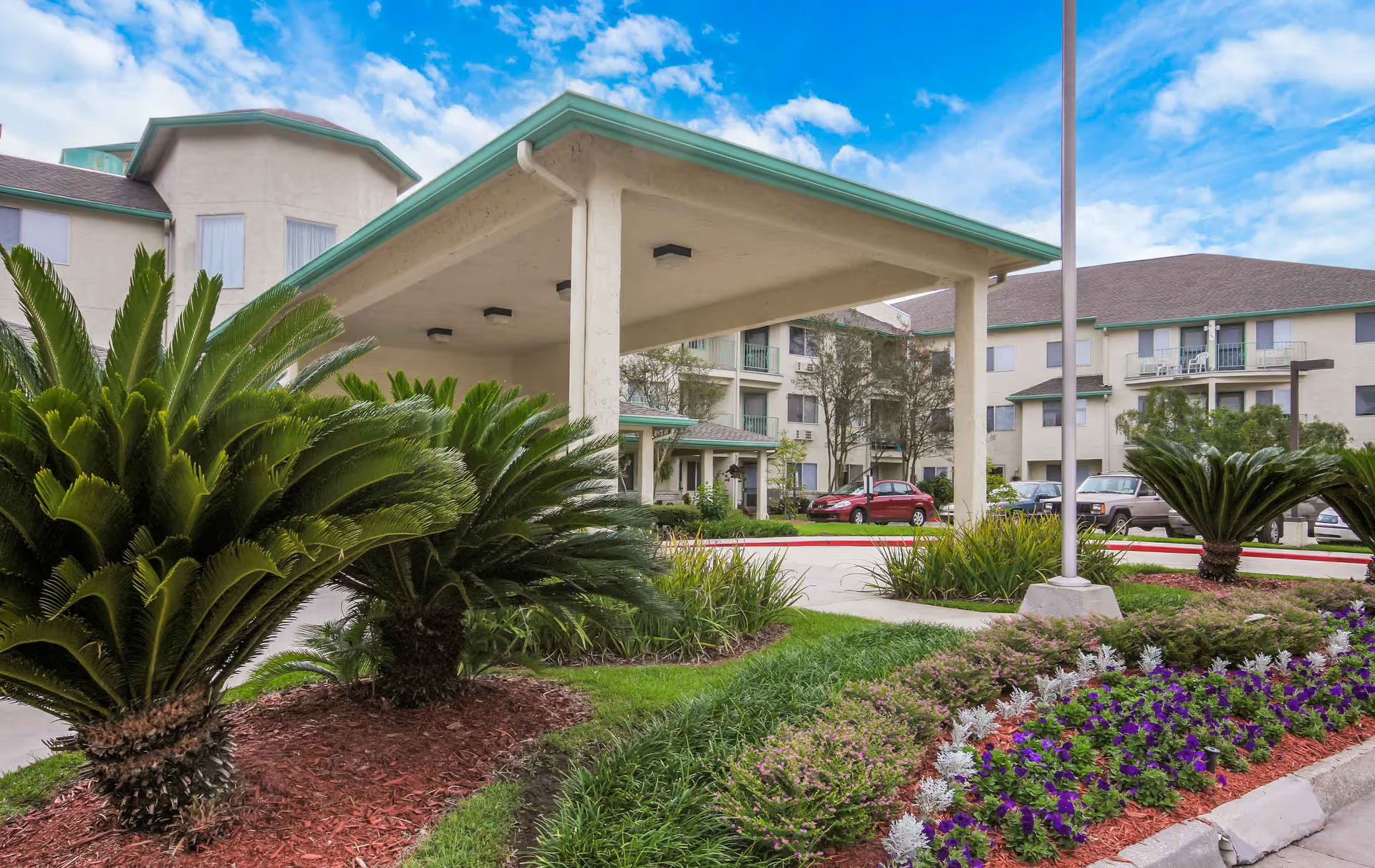
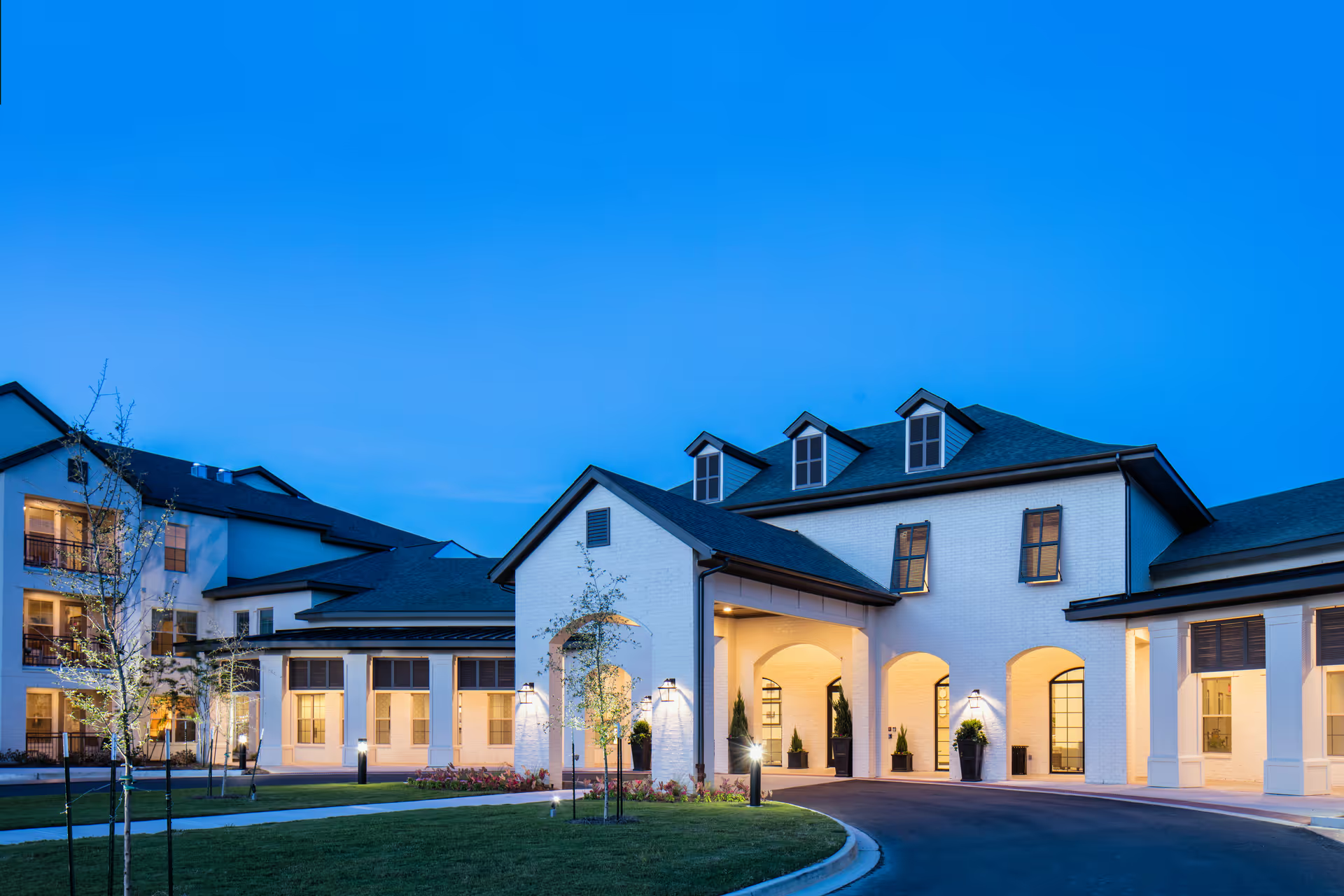
Reviews of Harvest Manor Healthcare and Rehabilitation present a strongly polarized picture: many families and residents praise the facility’s staff, therapy services, and physical environment, while others describe serious operational and clinical concerns. Positive comments emphasize a bright, well-maintained building and grounds, an attractive outdoor patio, and a welcoming reception and visiting area. Activity offerings such as music, bingo, and organized programs are frequently noted, as are on-site amenities including beauty and barber services. Multiple accounts highlight skilled rehabilitative therapy, effective discharge planning, and instances where staff went above and beyond to support recovery.
At the same time, a number of substantive care-quality issues recur across reports. The most prominent themes relate to personal-care and incontinence management, wound care and infection-prevention practices, and inconsistent pain control and medication administration. Specific operational weaknesses described suggest lapses in medication documentation and controls, variable wound-dressing practices, and limited attention during overnight hours — all of which can compromise continuity of clinical care.
Staffing and supervision emerge as central drivers of both positive and negative experiences. Where staffing levels and day-shift supervision are adequate, families report respectful, responsive caregivers and good outcomes. Where staffing is stretched — especially overnight and on weekends — reviewers describe delayed rounds, limited clinical coverage (including limited weekend therapy or physician availability), and reduced supervisory presence. These conditions are linked in reviews to longer response times, inconsistent bathing and linen management, gaps in fall-prevention practices, and variability in staff professionalism and tone.
Facility operations and asset management also show mixed signals. The physical plant, common areas and dining spaces are often described as clean and pleasant, and many residents enjoy the food prepared by the kitchen. However, other accounts note inconsistent meal timing, occasional dietary noncompliance, sanitation-process variability between units, and concerns about clothing and personal-property handling; there are also allegations of missing items and unclear property-inventory practices.
Taken together, the pattern is one of notable strengths in rehabilitation programming, amenities, and many frontline caregivers, coupled with recurring operational vulnerabilities tied to staffing patterns, clinical oversight, sanitation processes, and property management. Prospective residents and families considering Harvest Manor would benefit from targeted questions about overnight staffing ratios, wound-care and infection-control protocols, medication-administration safeguards, weekend clinical coverage, fall-prevention practices, and property/linen management procedures to better assess current risks and supports.