Overall impression: Reviews portray Arbor Lake Skilled Nursing and Rehabilitation Center as a facility with many strengths in daytime care and an environment that families found comfortable and well run. Positive remarks emphasize kindness, personalized attention, and a family-like culture among staff, as well as a peaceful atmosphere and generally smooth operations. Multiple families expressed gratitude for the clinical care their relatives received and characterized the facility as a good place to live.
Care quality: Clinical care is described positively, with reviewers noting attentive, compassionate caregiving and continuity over longer stays. The consistent praise for personalized attention suggests that care plans and daily assistance are generally delivered in a way that families perceive as respectful and tailored to residents' needs. There is limited specific information about medication management or therapy programs in the available summaries, so those areas should be confirmed directly with the facility.
Staff: Strengths are concentrated in daytime personnel—many comments highlight compassionate, friendly, and helpful daytime nurses and aides who create a family-like atmosphere. However, a clear pattern emerges around evenings and overnight: reviewers describe diminished responsiveness after about 10:00 p.m., occasional negative reactions from individual aides to resident requests, and indicators of low morale on the night shift. There are also odor-related concerns linked to staff smoking during shifts. Together these items point to inconsistent staff conduct and engagement across shifts rather than uniformly poor staffing.
Dining and activities: The summary reviews do not provide substantive detail about dining quality, meal service consistency, or the activity program. Prospective residents and families should ask the facility for current menus, sample schedules, and activity participation rates to evaluate these domains.
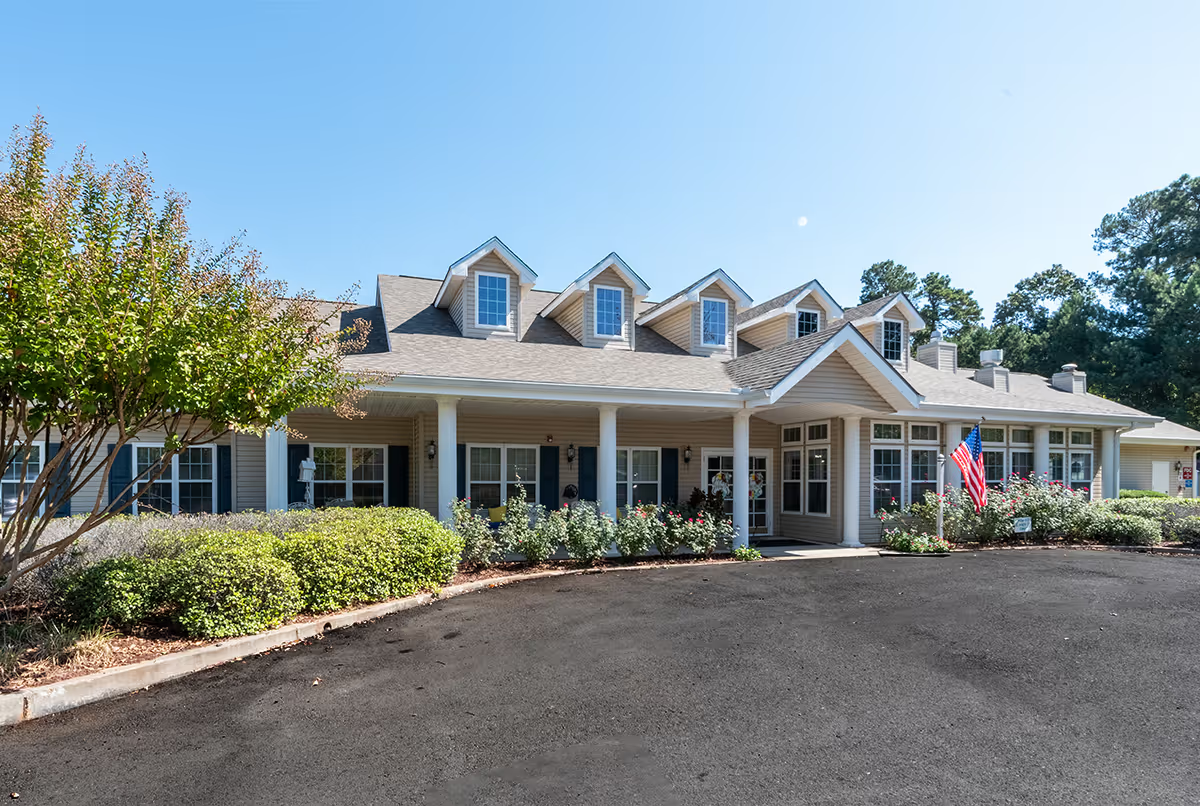
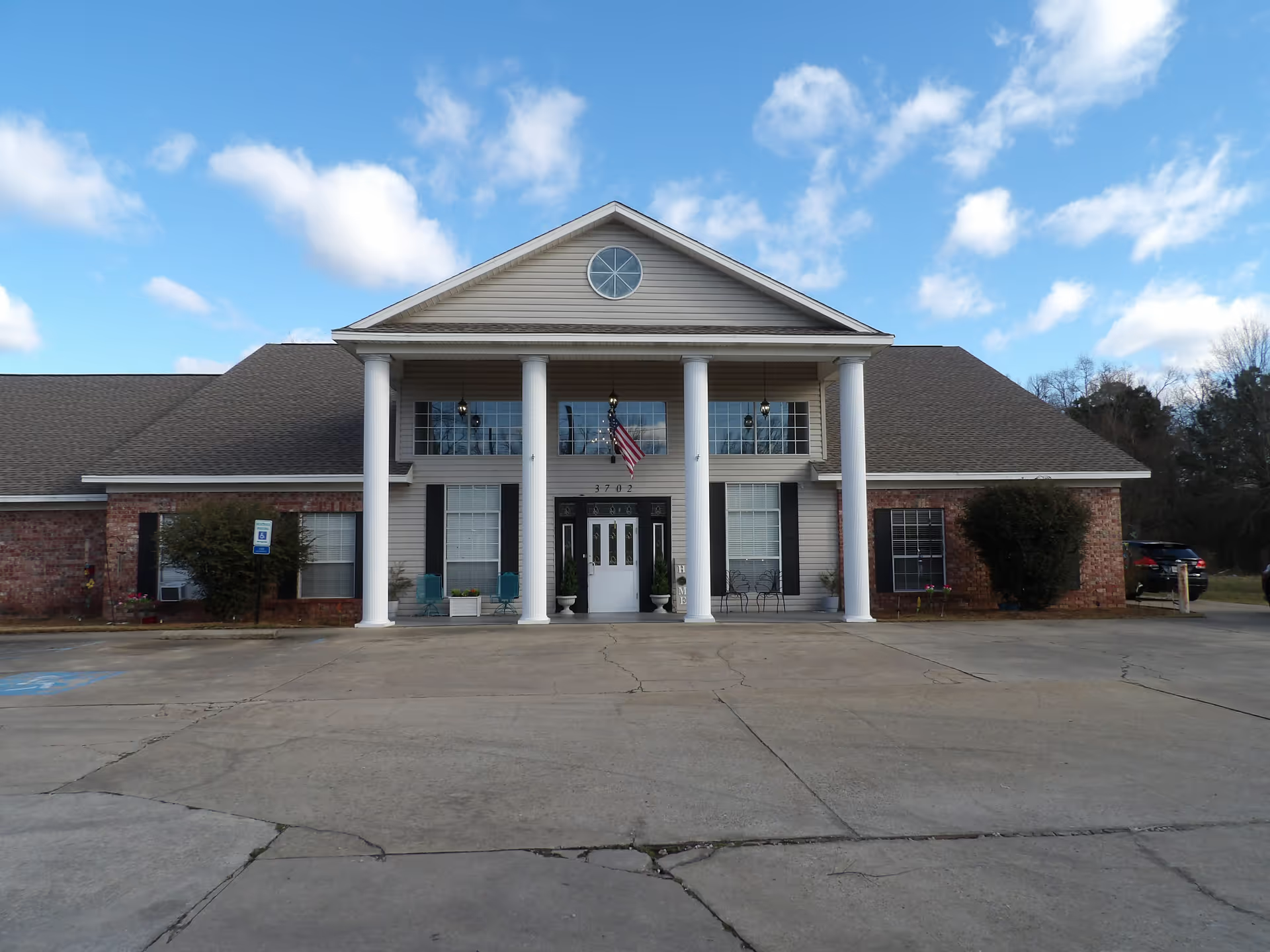
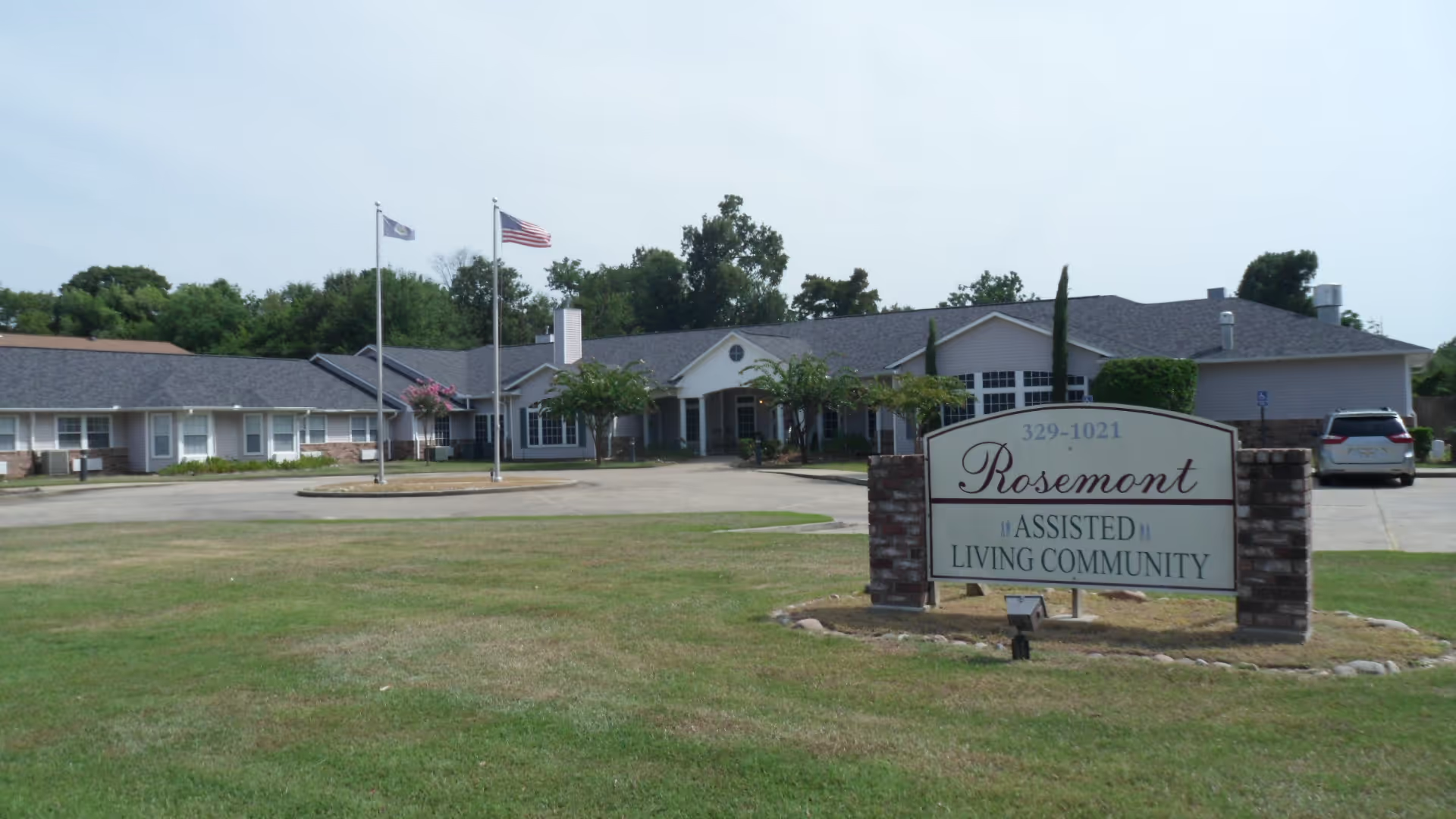
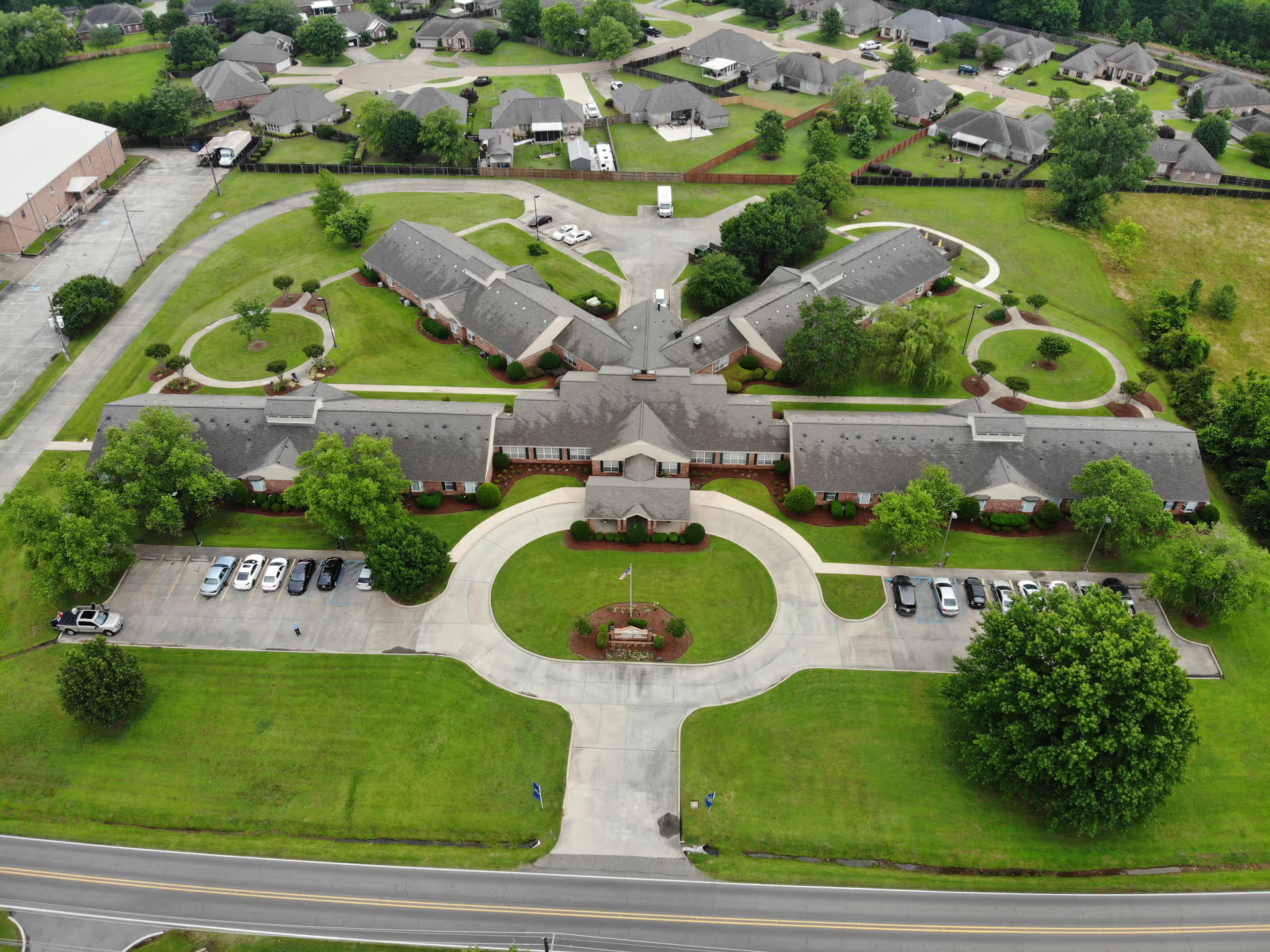
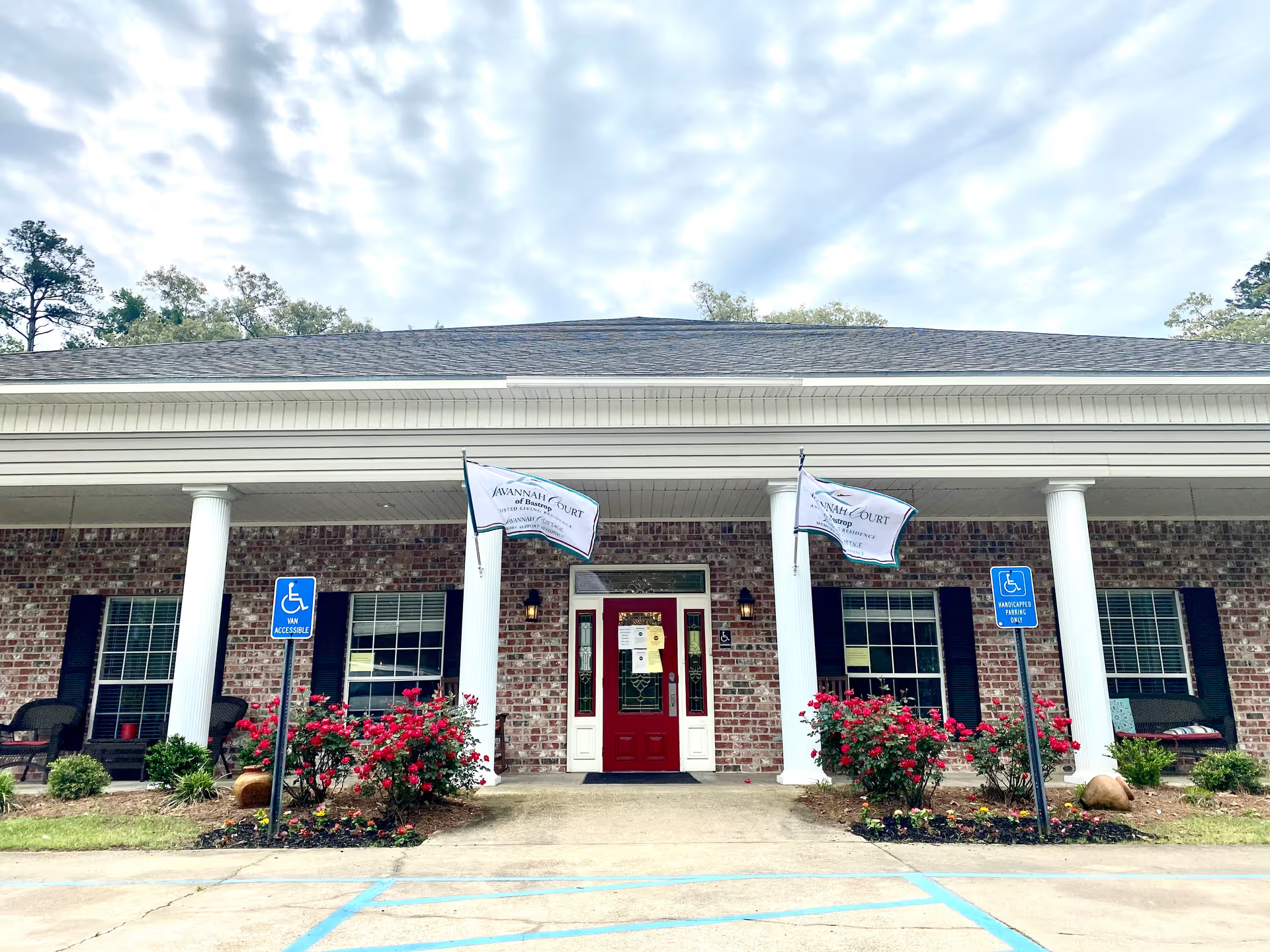
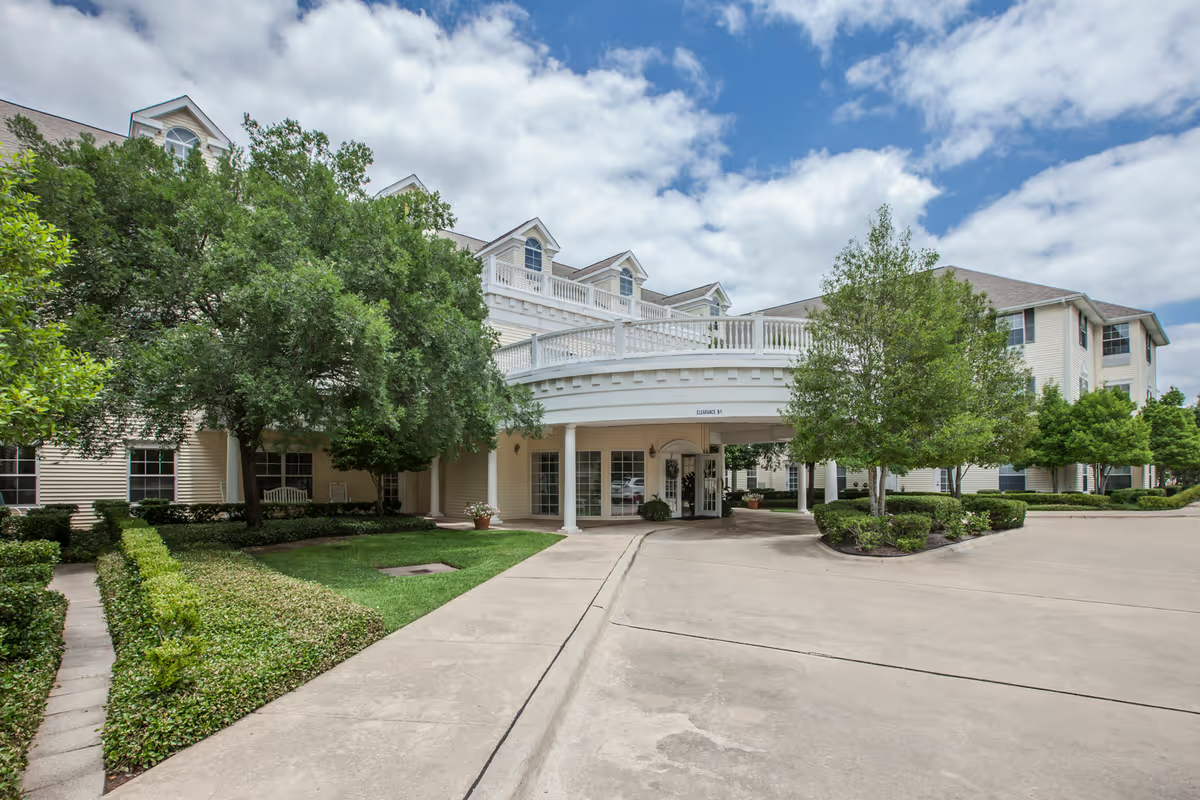
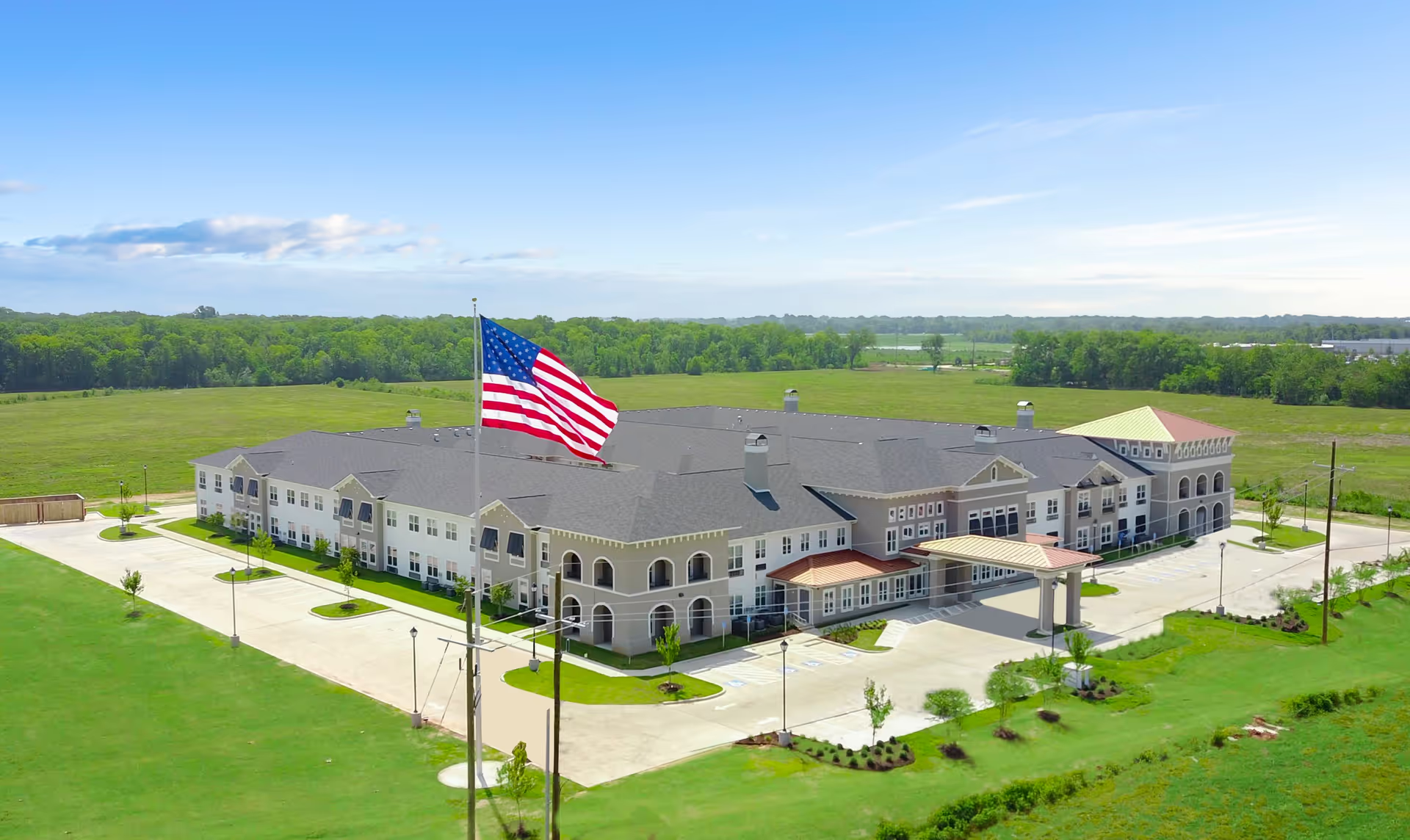
Facilities and environment: Reviewers consistently describe the physical environment as peaceful and relaxing, and several called the facility a comfortable place to live. Comments about smooth operations and a well-maintained atmosphere support an impression of adequate housekeeping and general upkeep, though specific cleanliness or maintenance metrics were not detailed.
Management and operations: Families express overall appreciation for staff and the facility’s operations, indicating effective day-to-day management in many respects. Notable operational gaps include after-hours support and shift-to-shift consistency. Management attention to night-shift morale, enforcement of workplace policies related to smoking and professional conduct, and targeted communication or customer-service training could address the primary negative patterns described.
Notable patterns and recommendations: The dominant positive pattern is strong daytime, family-oriented caregiving and a calm living environment. The dominant concerns are operational: inconsistent responsiveness and staff conduct during night shifts, and odor issues associated with staff smoking. These are programmatic issues that management can address through staffing adjustments, supervisory oversight, formalized after-hours protocols, and staff development. Prospective residents and families should tour the facility during both daytime and evening hours, ask about night-shift staffing levels and supervision, and request information on the facility’s smoking policies and staff conduct expectations to assess whether the environment fits their needs.