Reviews of Farmerville Nursing and Rehabilitation Center present a mixed picture, with distinct strengths in clinical supports and community offerings alongside operational weaknesses that affect day-to-day resident experience. Positive comments highlight compassionate care, strong respiratory and other clinical teams, an effective therapy/rehabilitation program, and a visible commitment to outdoor and communal spaces. At the same time, reviewers raised several recurring operational concerns that bear on resident safety and satisfaction.
Care quality is described as generally strong in areas where specialized teams are involved: respiratory care, nursing oversight for complex needs, and therapy services received favorable remarks. Families also noted efforts at family education and continuous room monitoring options. However, an important and repeated pattern involves medication-administration problems and delayed responses to call systems. These issues suggest gaps in medication management processes and point to risks when staff are not immediately available to respond to resident needs.
Staffing and staff conduct are areas of contrast. Many reviews praise long-tenured, caring staff and a sense of community; others describe high workload, perceived understaffing, staff cliques, and inconsistent performance—especially among different staff groups (for example, therapy versus direct-care aides). This variability appears to contribute to delays in care, communication lapses, and uneven daily assistance.
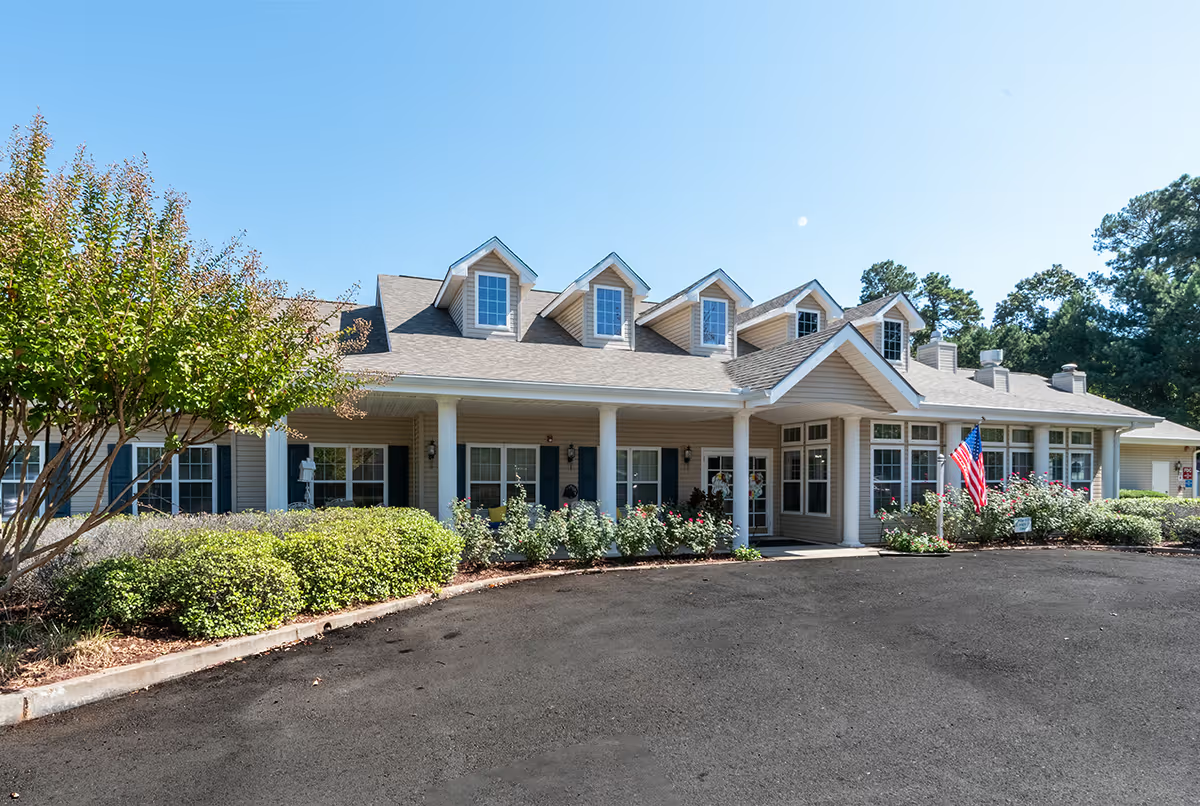
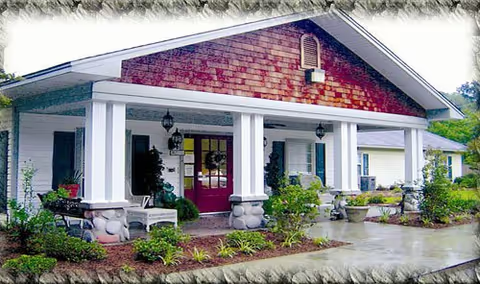
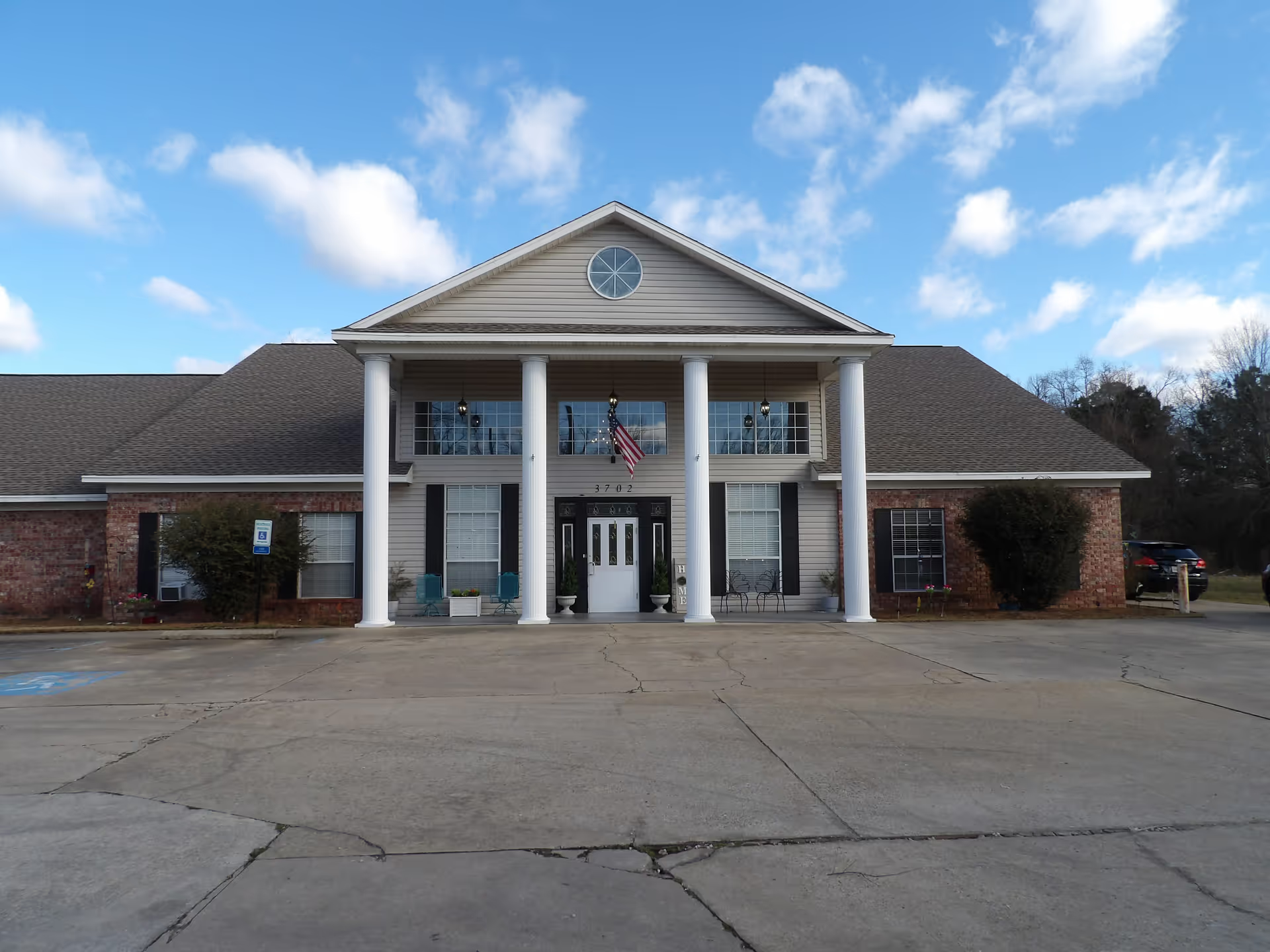
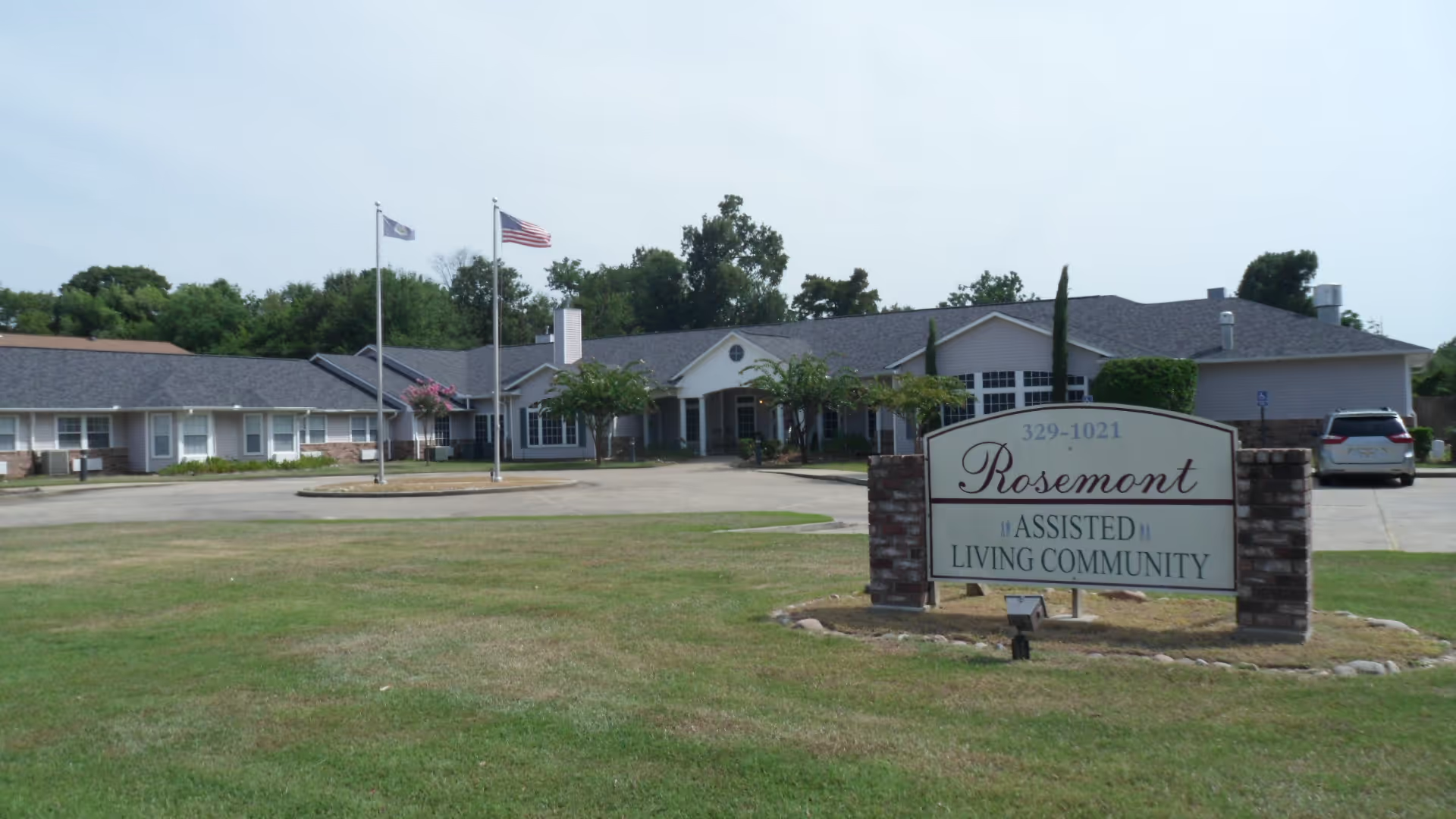
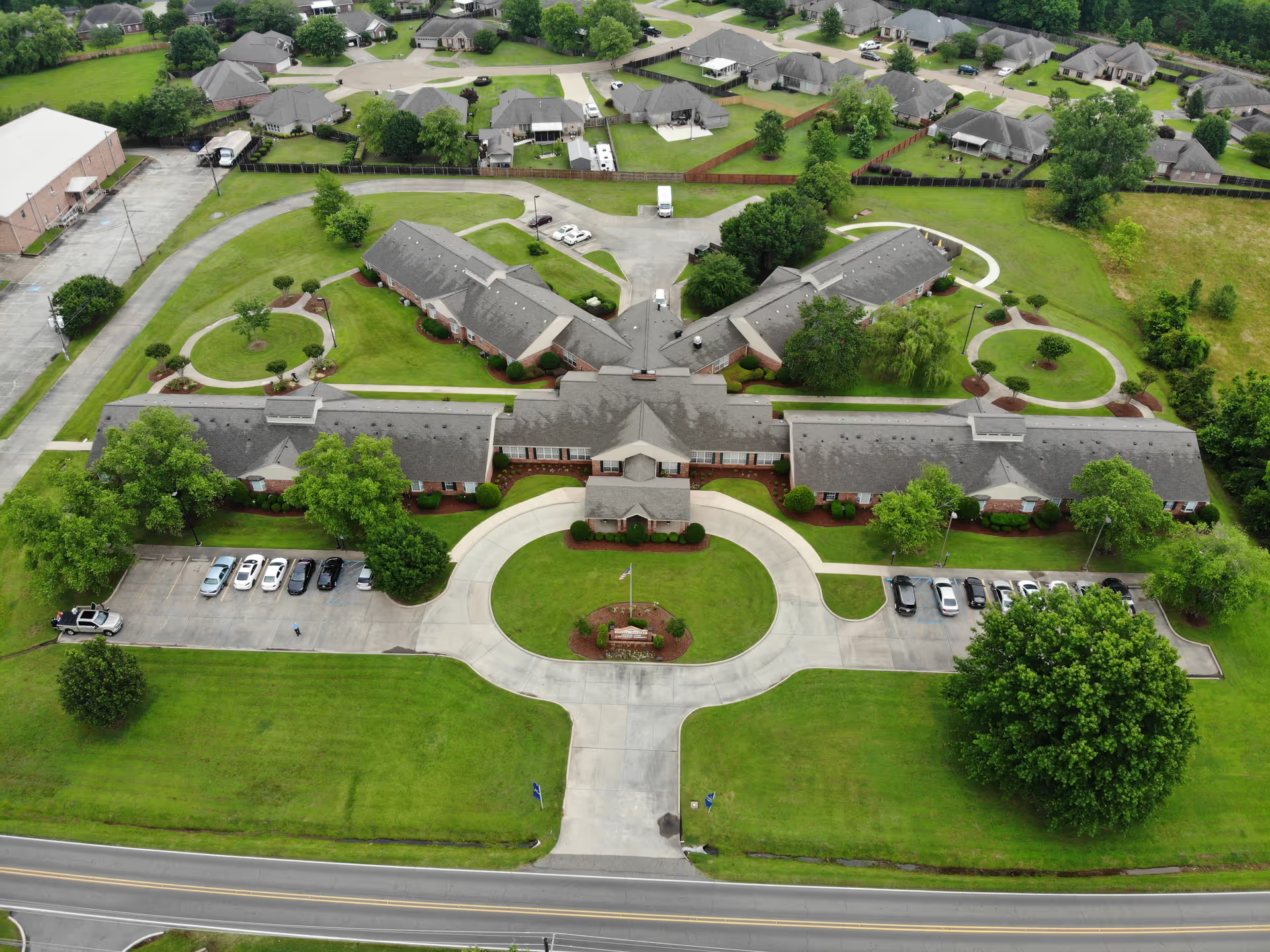
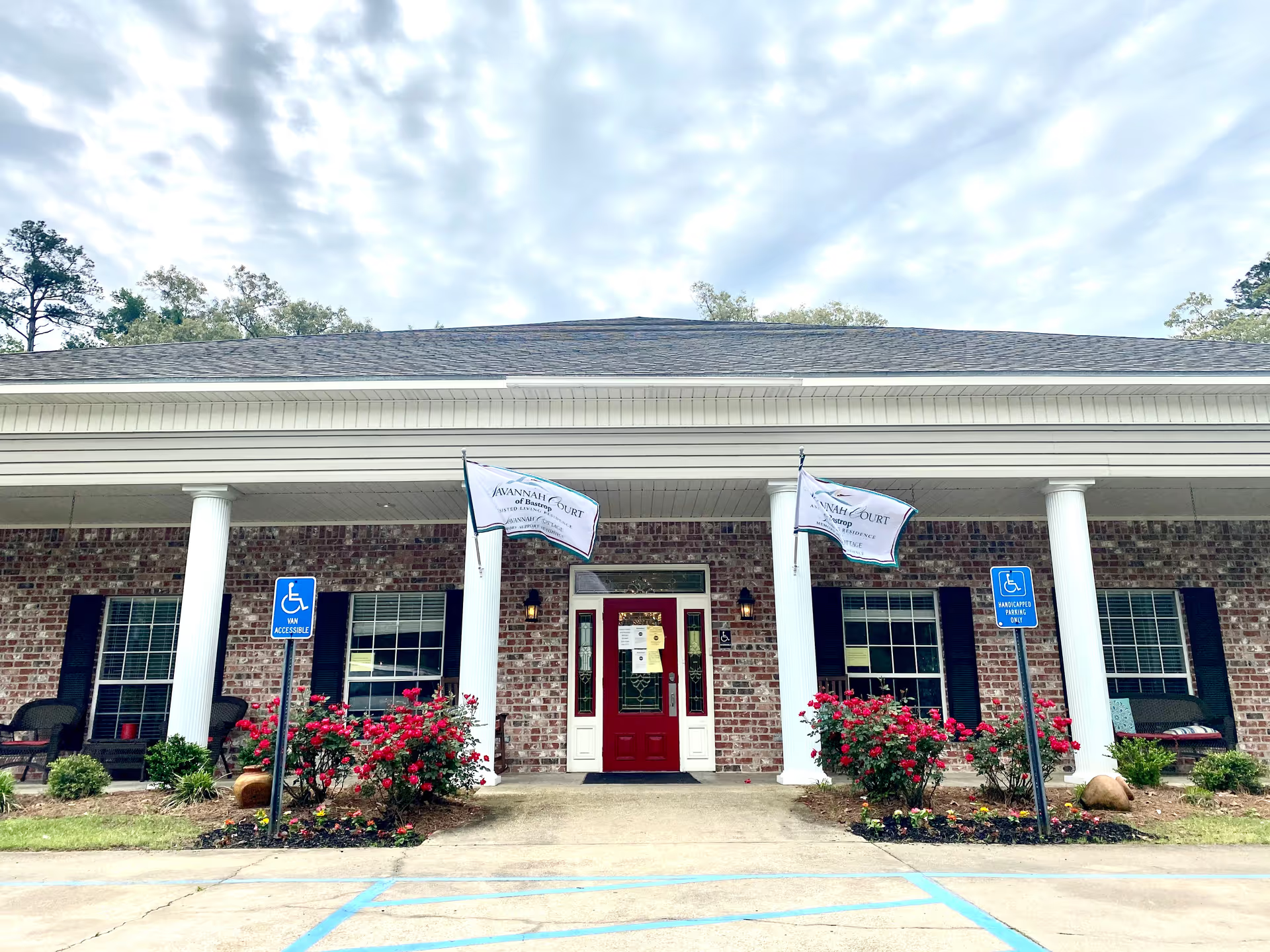
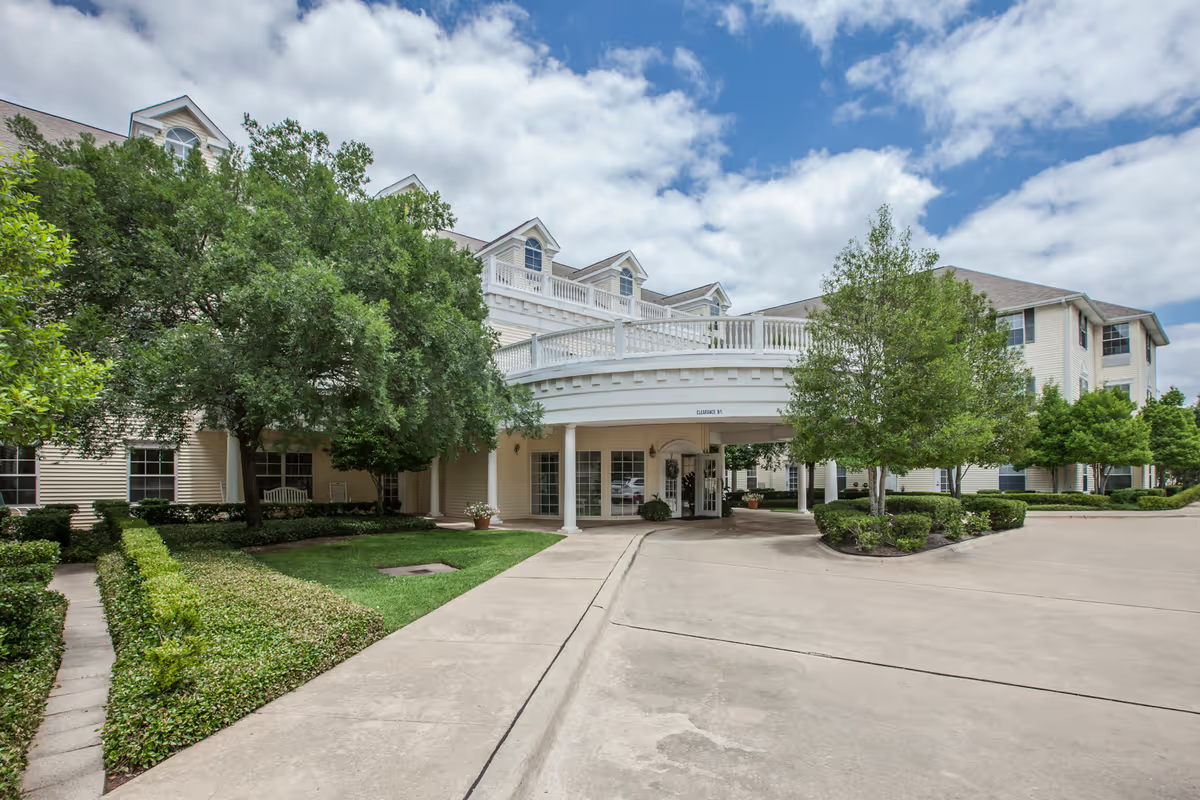
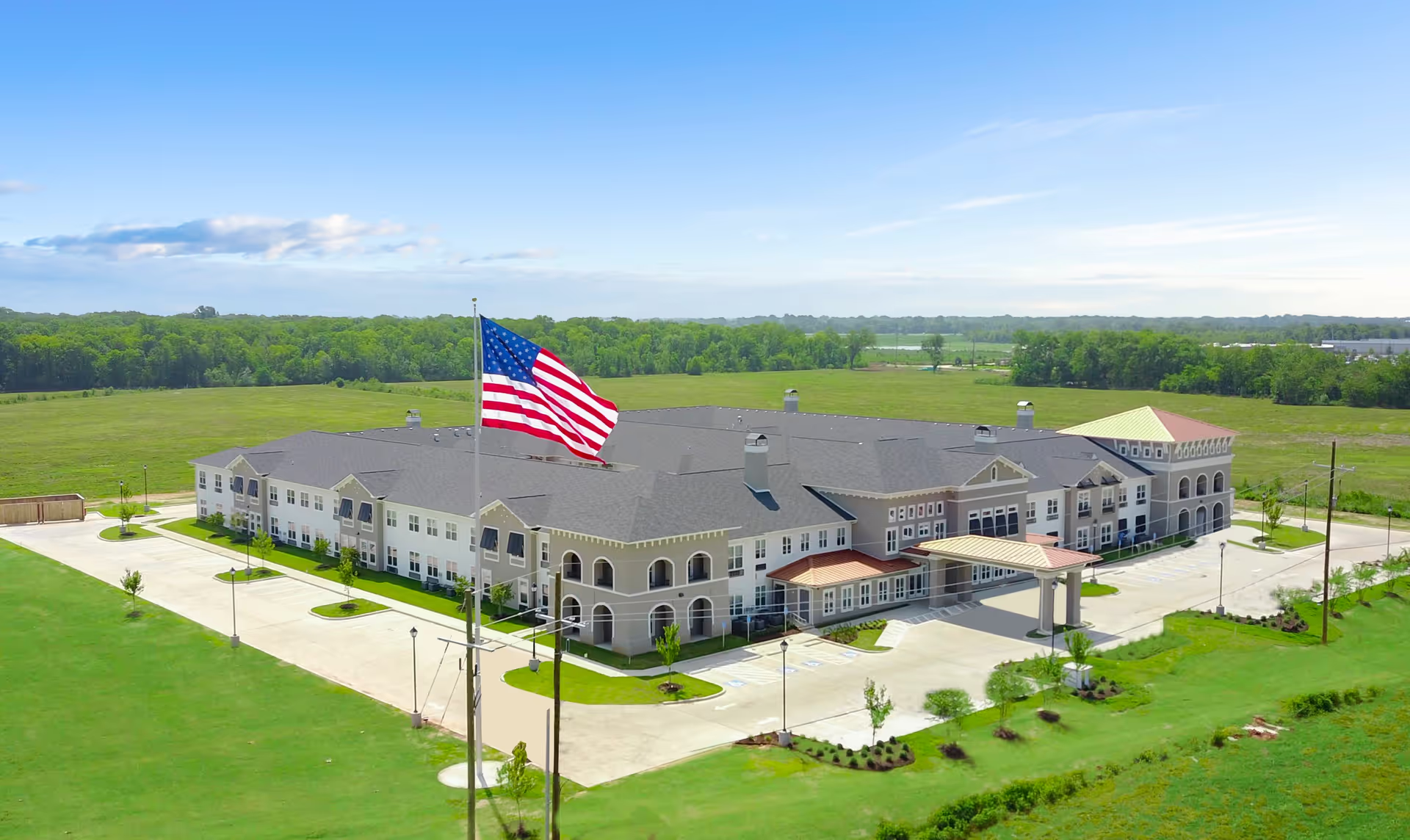
Facility condition and cleanliness present a split impression. The exterior grounds, including landscaping and wildlife visibility, receive positive mention, and an exterior refresh was noted. Internally, however, reviewers described the building as dated and in need of modernization, and there are sanitation and infection-control concerns in some areas. These points indicate a need for both capital improvements and more consistent housekeeping/infection-control practices.
Activities and administration show strengths and weaknesses. Social and spiritual programming (bingo, choir) and a community-oriented culture are positives for resident engagement. Administrative issues—such as misdirected mail and communication breakdowns with families—were also cited, suggesting room for improvements in front-office processes and family communication protocols.
Overall, prospective residents and families should weigh the facility’s clinical strengths and community activities against operational challenges in staffing, medication management, internal cleanliness, and administrative oversight. When evaluating the center in person, consider asking for recent inspection reports, staffing ratios by shift, specific medication-safety protocols, infection-control procedures, examples of facility improvement plans, and how communication with families is handled during incidents. These targeted questions can help determine whether the facility’s strengths align with an individual resident’s needs and whether the cited operational gaps are being actively addressed.