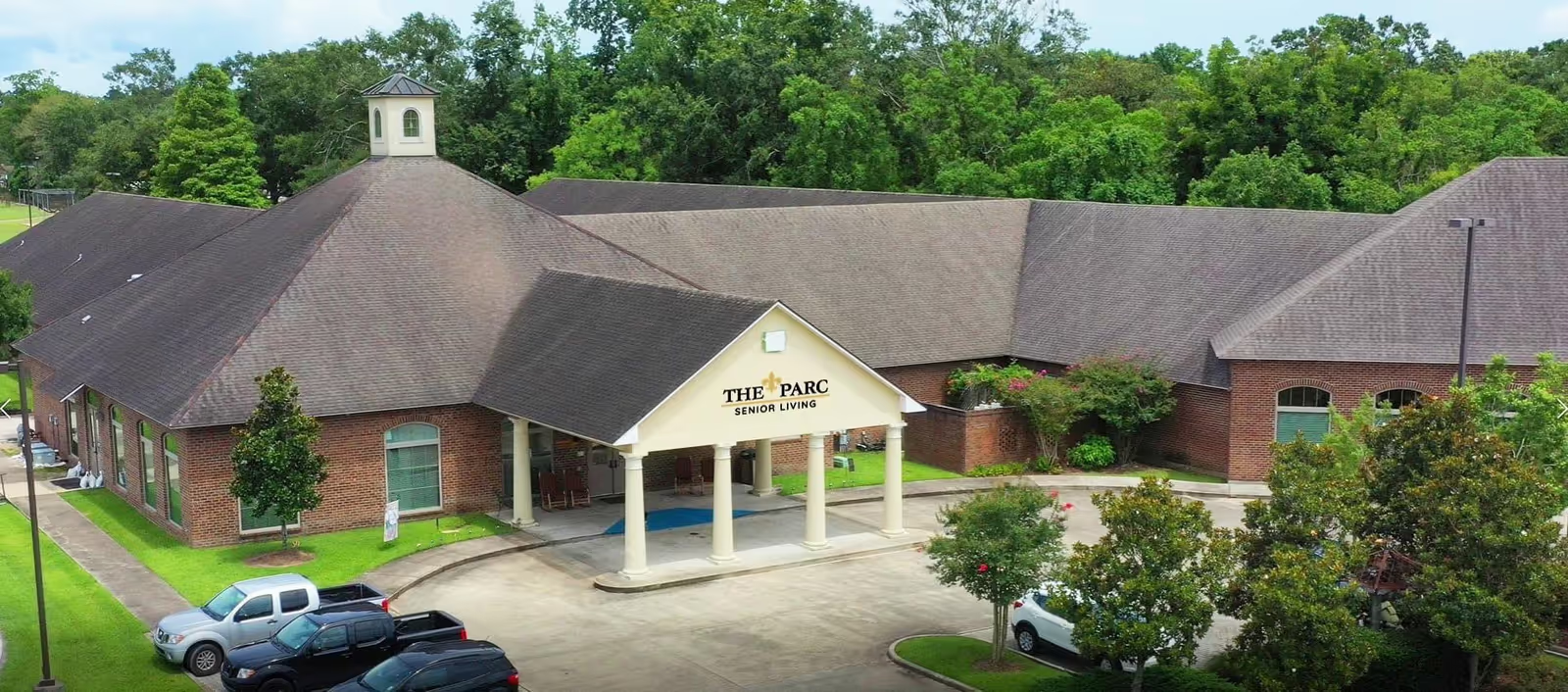
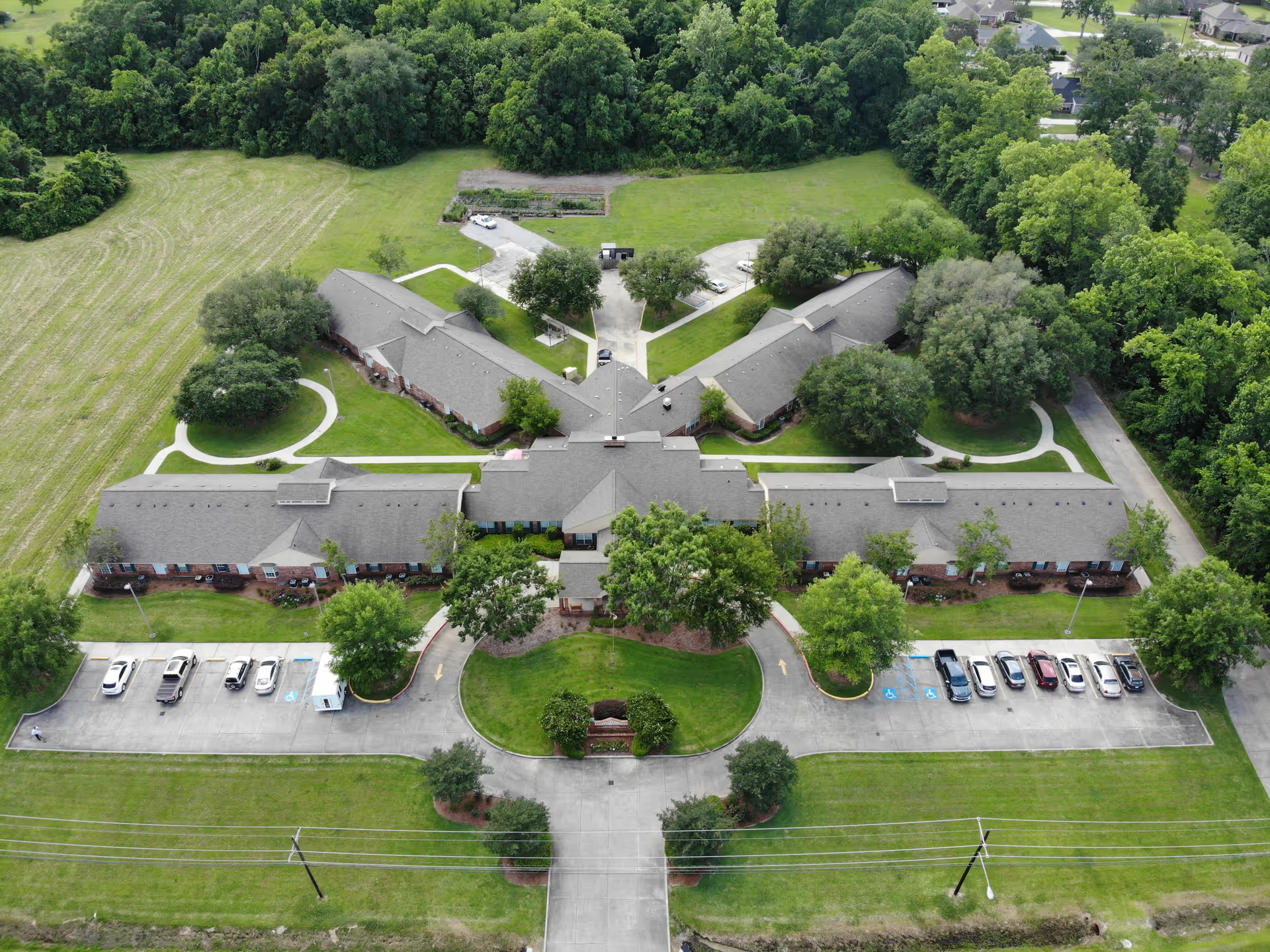
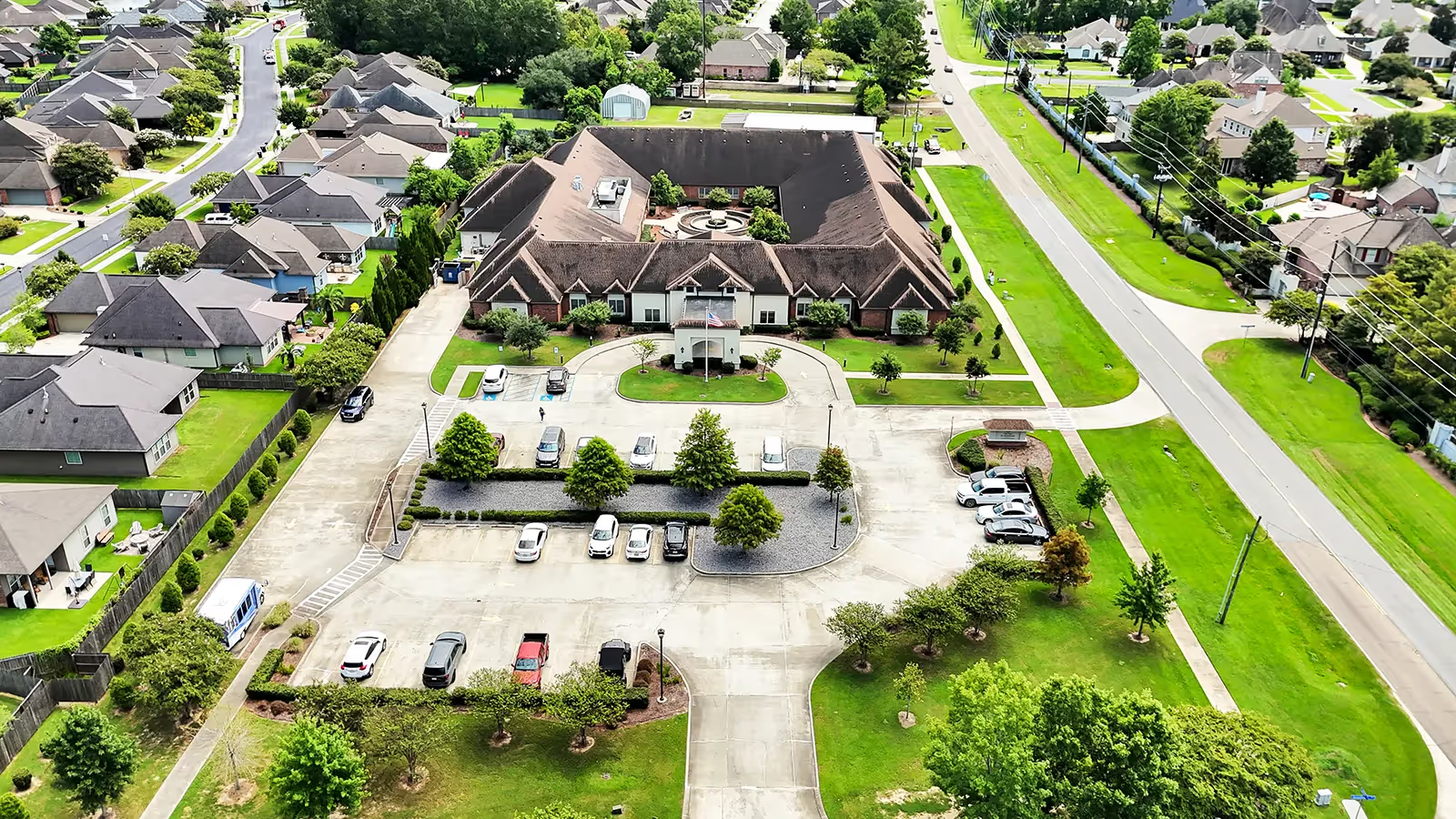
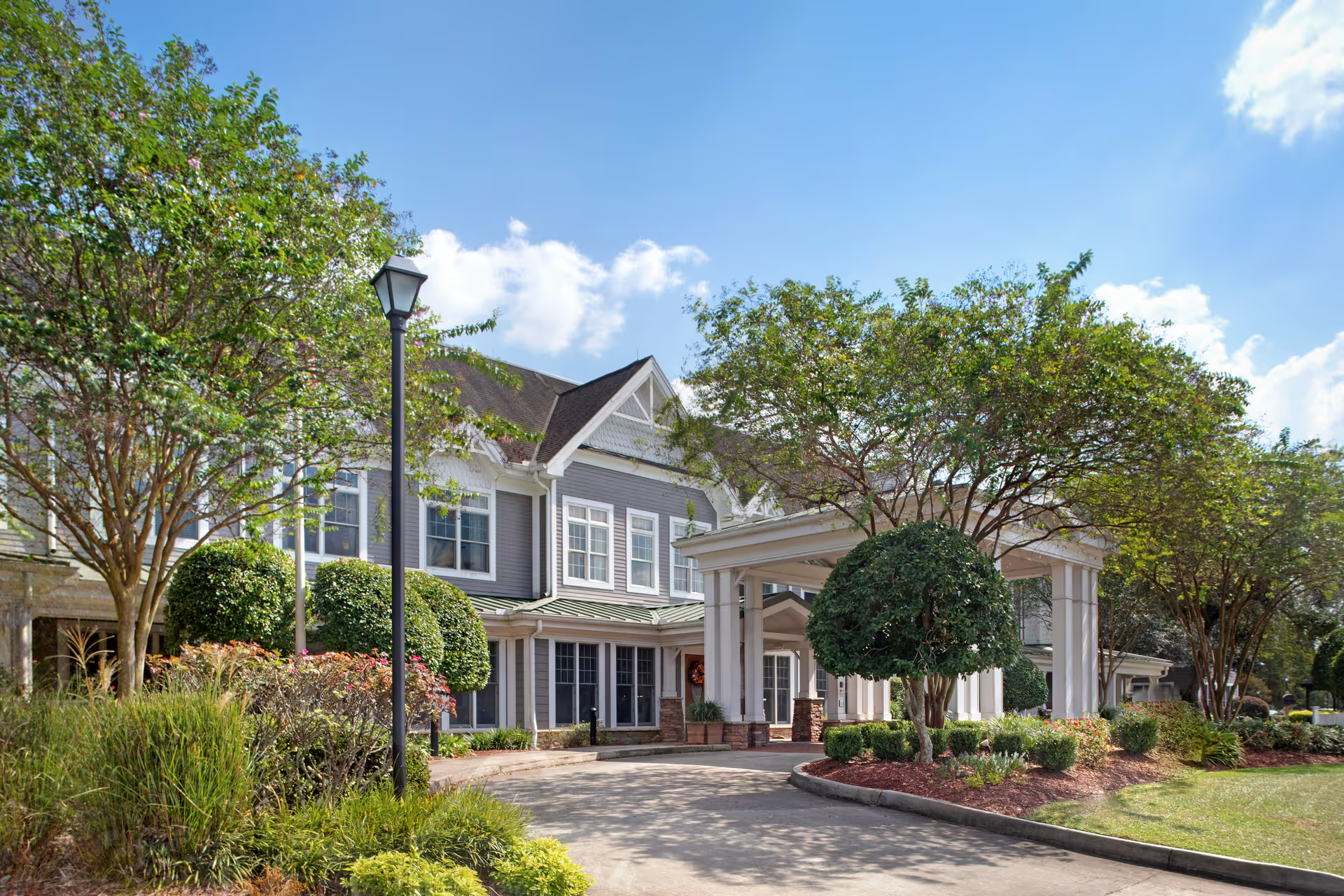
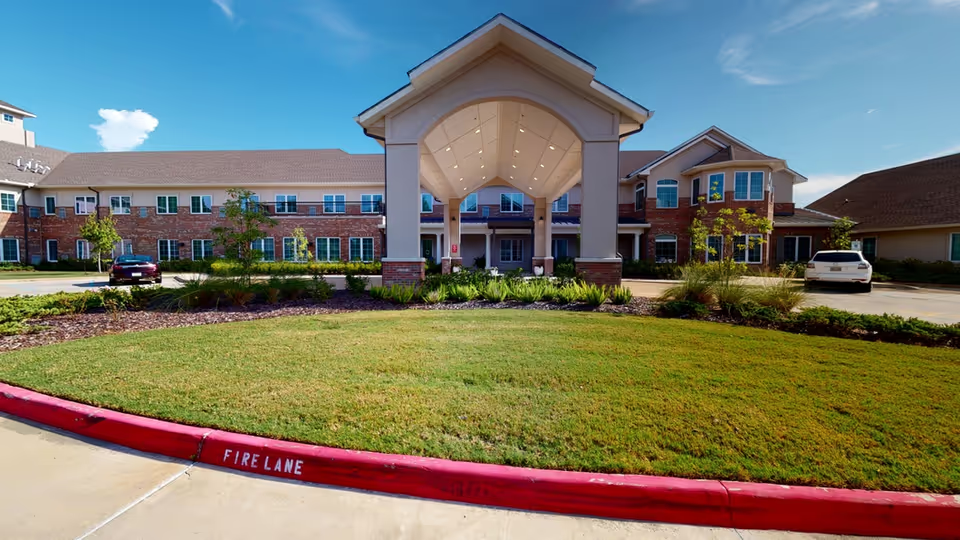
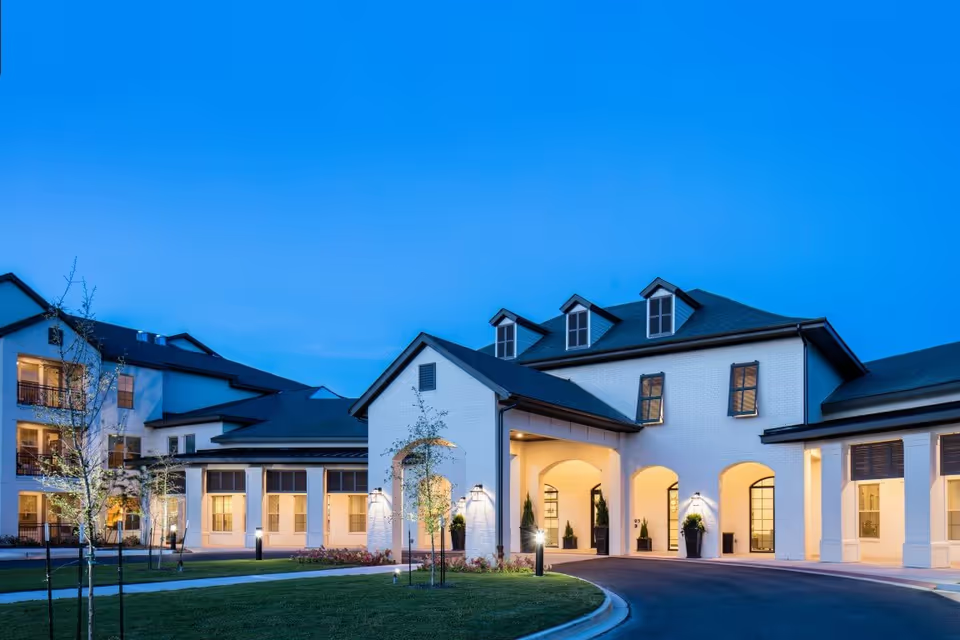
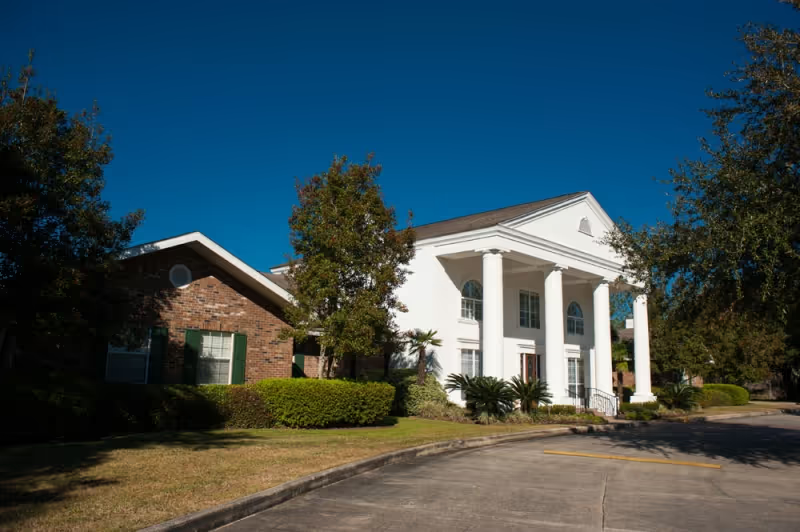
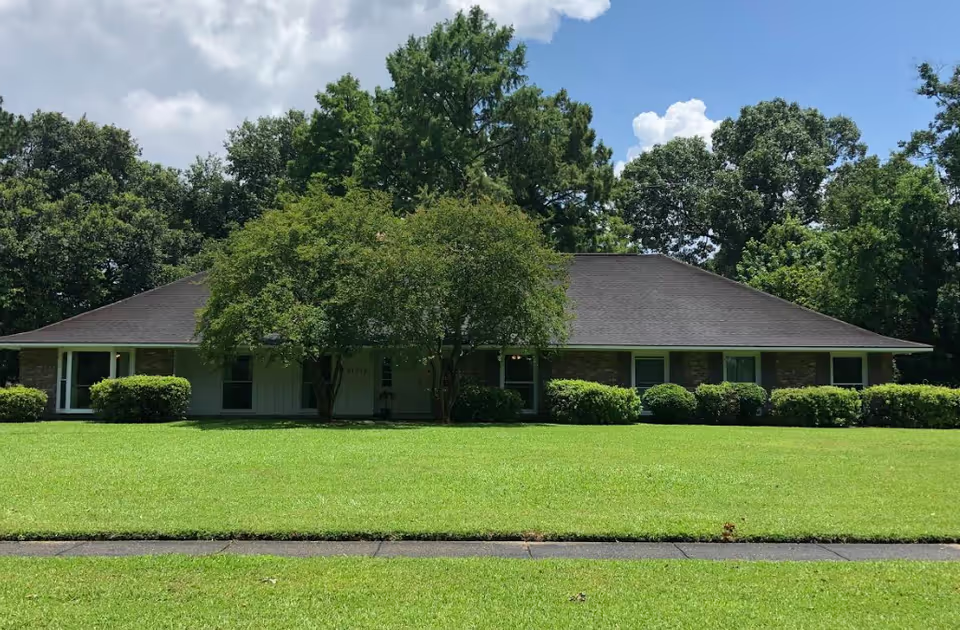
Francois Bend Senior Living presents as a largely new, well-appointed community with many physical and programmatic strengths. Reviewers consistently describe a modern, well-kept campus with spacious apartments, attractive common areas, mobility-friendly design, and a range of onsite services such as podiatry, physical therapy, hair salon, and a chapel. The facility emphasizes restaurant-style dining, and multiple accounts cite varied menus, accommodating special-diet needs, and communal dining with music and social opportunities. The community offers a robust activities calendar (bingo, crafts, live music, movies, gym/exercise options) and visible rehab capabilities that families credit with strong functional recoveries for some residents.
Staffing and care quality show mixed patterns. Many reviews praise friendly, attentive caregivers, long-tenured nurses, 24-hour on-site nursing coverage, and a resident-first culture; these comments point to pockets of high-quality, consistent care and effective rehabilitation services. However, a recurrent operational issue is inconsistent caregiver assignments tied to staff turnover, which reviewers link to uneven experiences. Related concerns include variable communication from staff, delays or variability in responsiveness, and specific gaps in medication-administration procedures. These items suggest opportunities for stronger scheduling continuity, handoffs, and medication controls.
Cleanliness and housekeeping are also mixed. Public spaces and activity areas are frequently described as sparkling and well-maintained, whereas some reviewers note inconsistent cleanliness in private rooms and occasional sanitation concerns. A few families supplement care by hiring private caregivers for specific needs, which may reflect either preference or perceived gaps in staffing intensity. Memory-care impressions vary notably: while some find the memory unit respectful and well-run, others describe the memory-care environment as institutional or poorly matched to resident needs. This variability in atmosphere and placement practices warrants careful, in-person evaluation for prospective memory-care residents.
Dining and value present a split picture. Many reviewers compliment the food, variety, and dining experience, including attentive meal assistance and a chef-driven menu. Others perceive decline or inconsistency in meal quality and question affordability; the community is recurrently described as premium-priced, prompting cost and value concerns for some families. Service standards also vary across shifts and employees — several reviewers reported courteous, helpful staff members by name, while others reported rude interactions or delays in service, indicating uneven staff training or oversight.
Management and responsiveness receive generally positive remarks about follow-up after tours and accommodating practices (flexible visitation, family involvement, location convenience). Still, the pattern of mixed operational performance — especially around staffing continuity, medication handling, private-room housekeeping, and memory-care ambiance — suggests prospective residents and families should conduct focused in-person assessments. Specific recommended topics for a visit: consistency of caregiver assignments, medication administration workflow and auditing, condition of a prospective apartment, memory-care unit atmosphere and staffing ratios, and a clear explanation of all costs and included services.