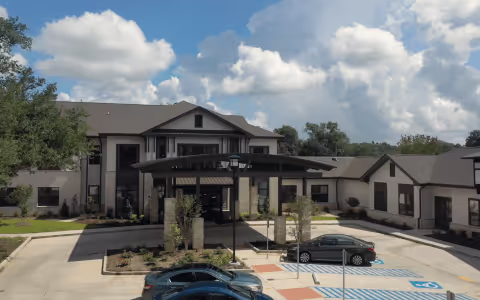
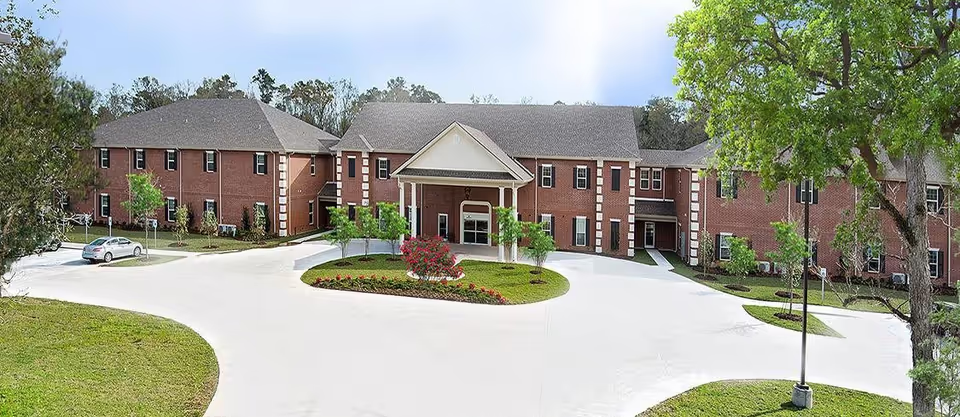
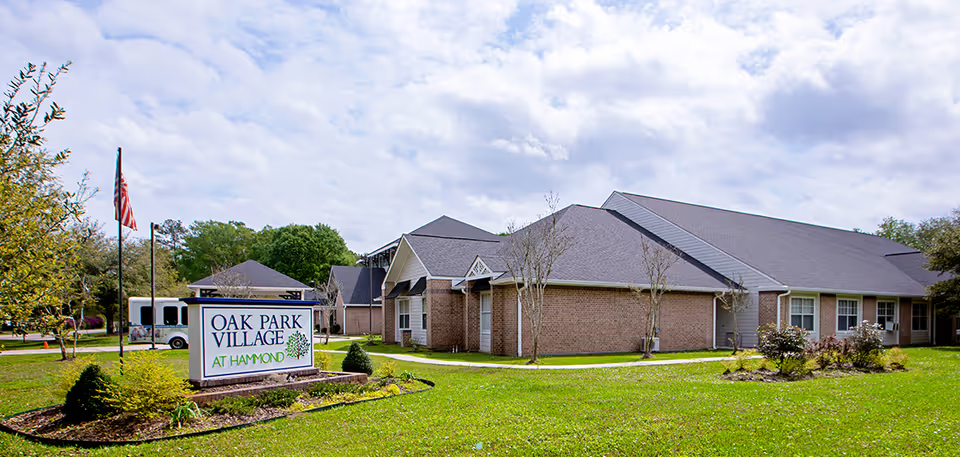
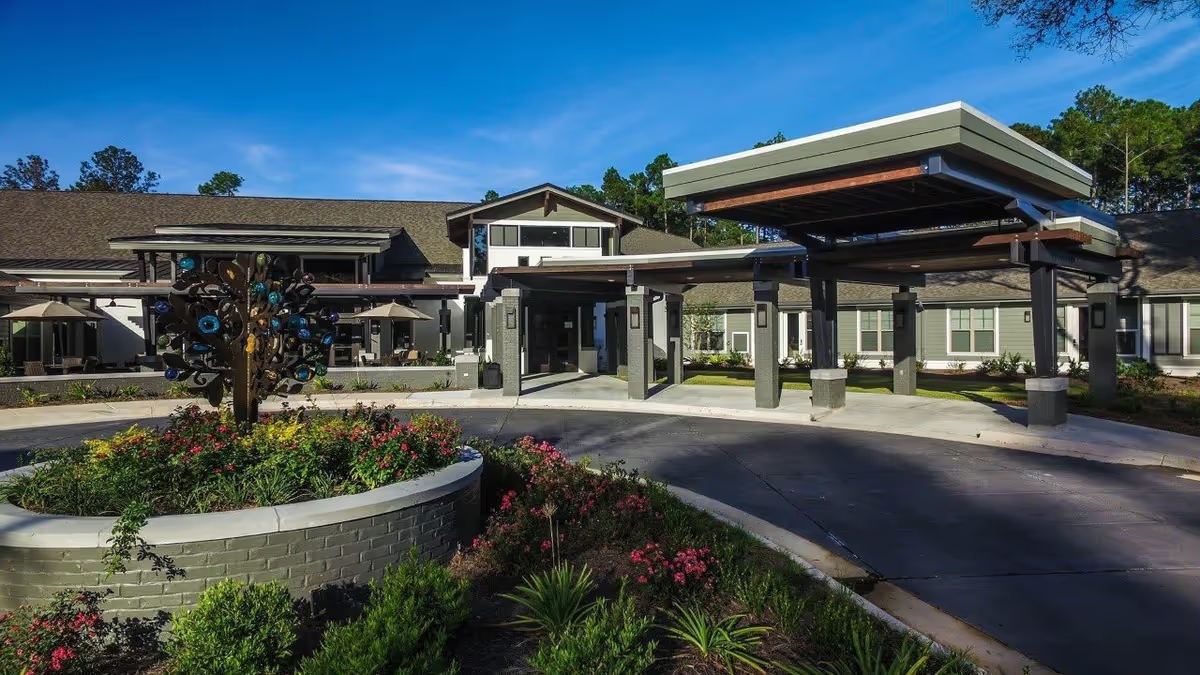
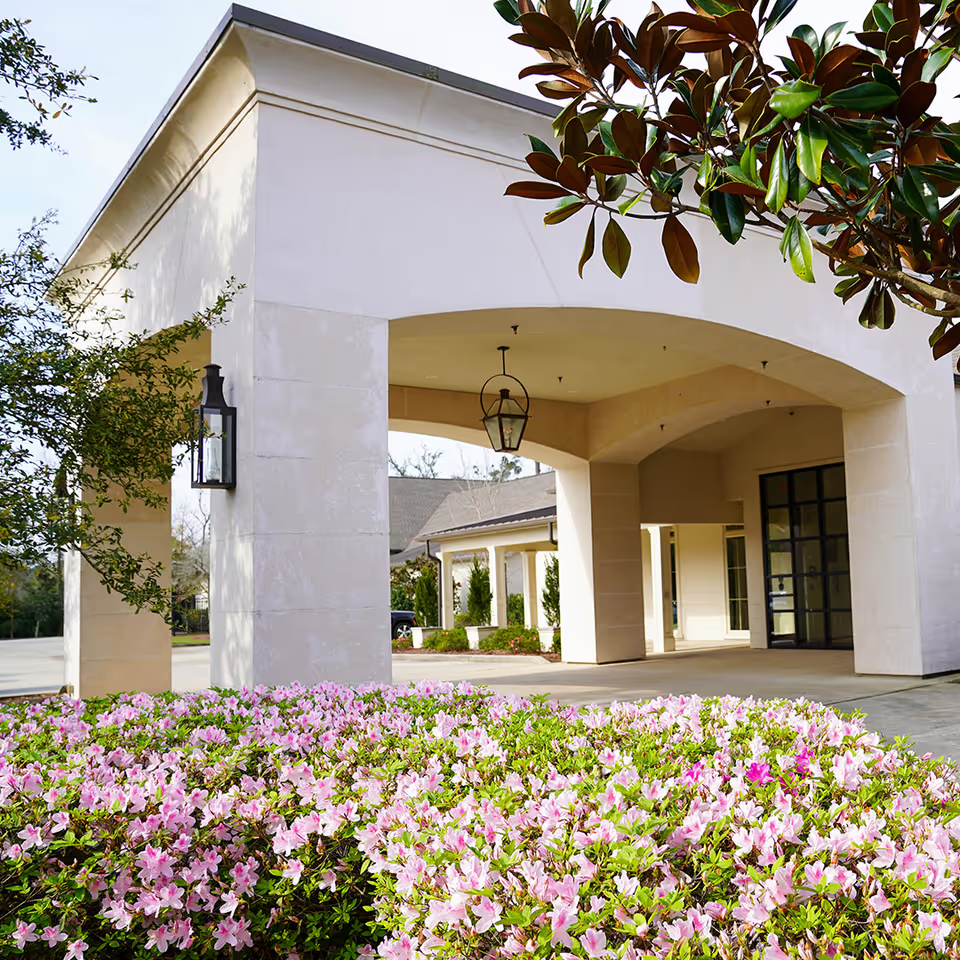
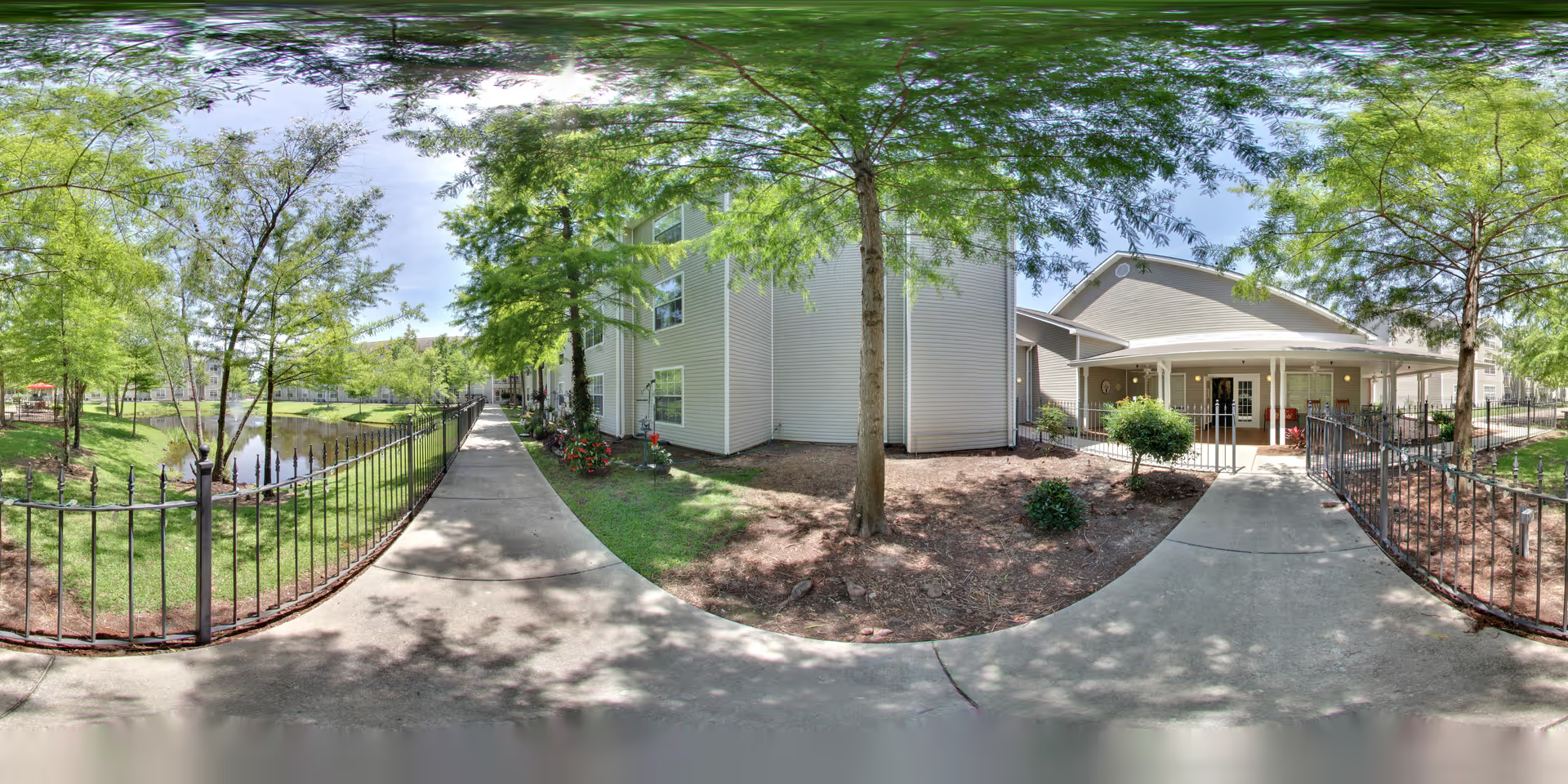
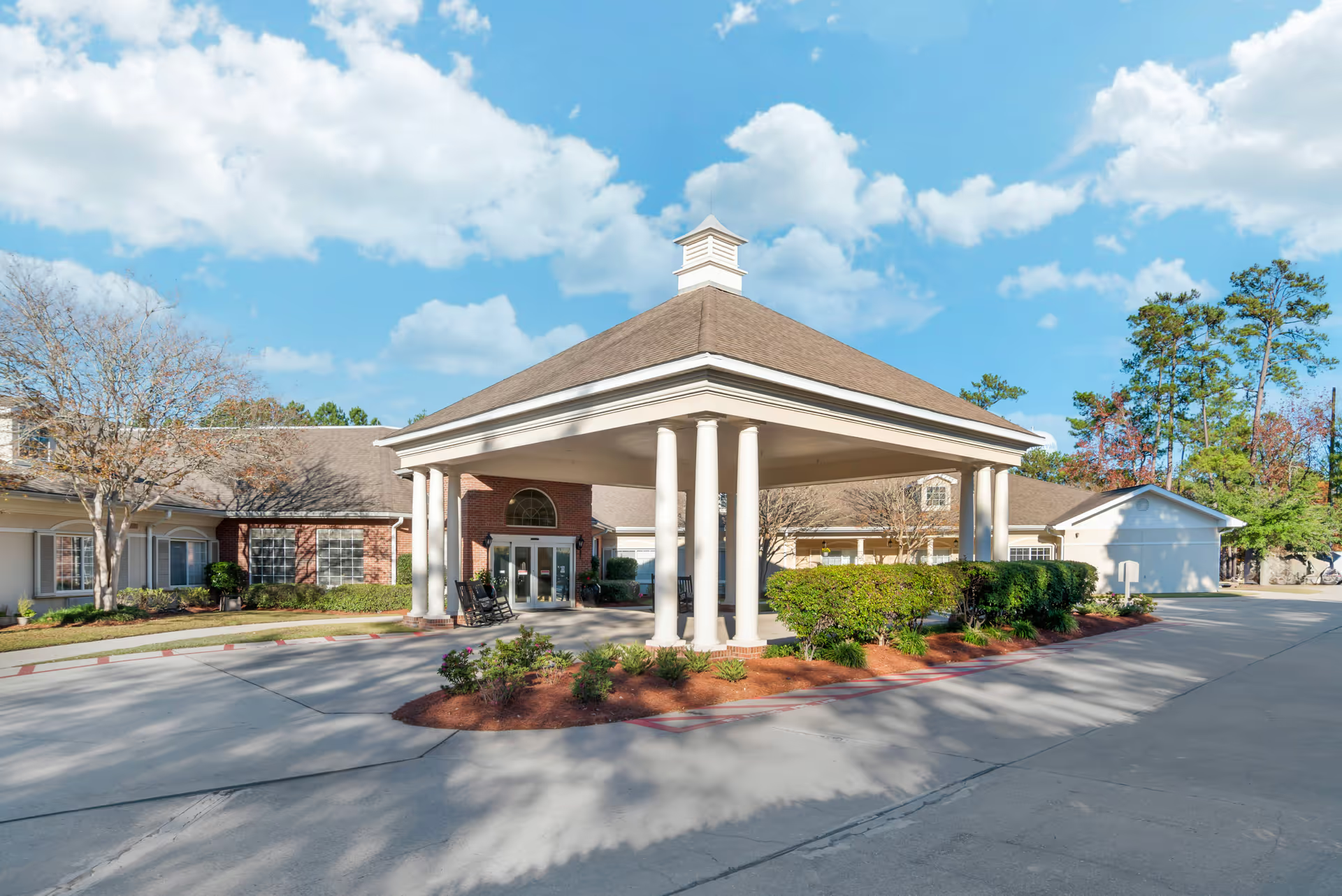
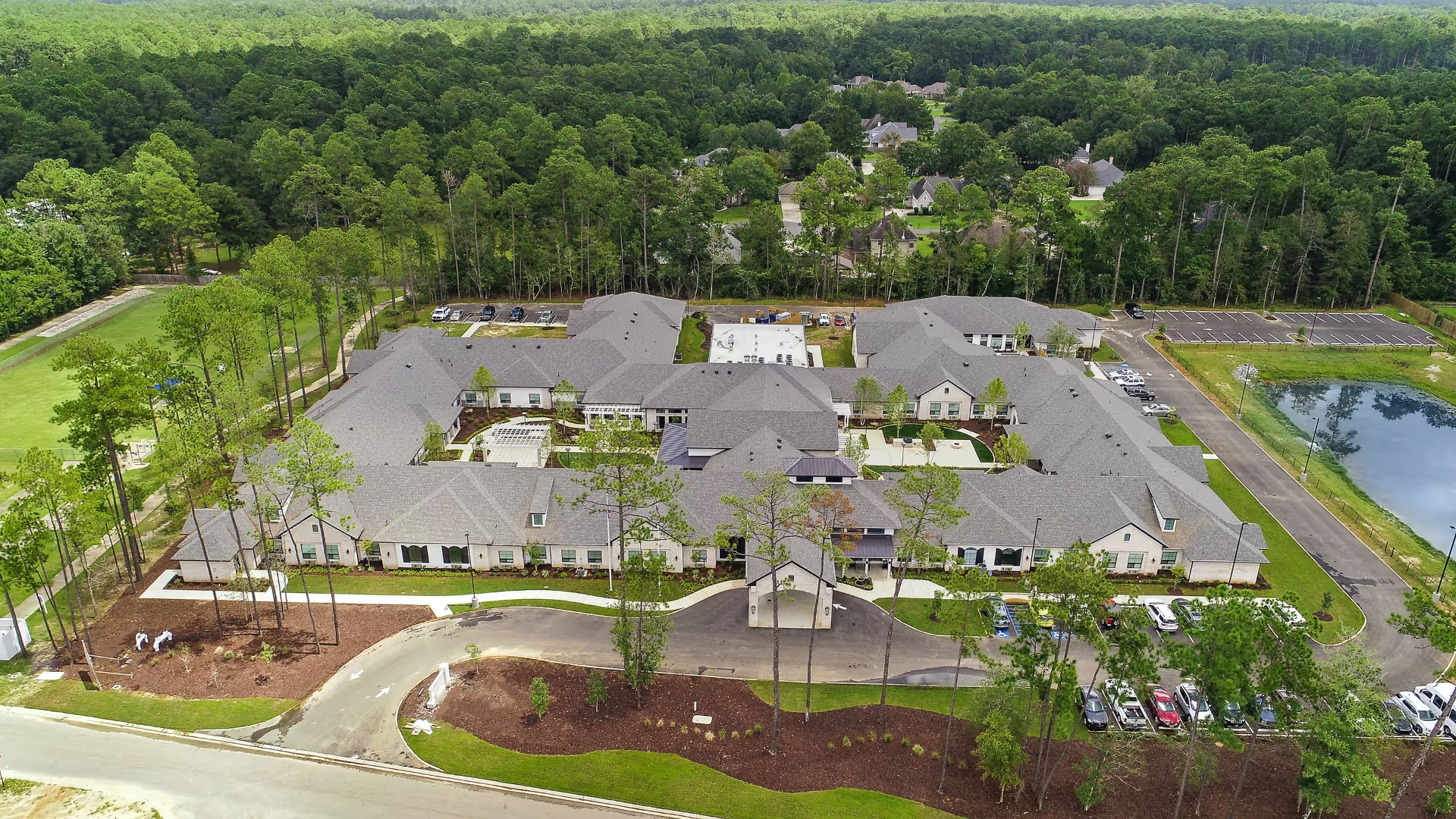
The reviews for Landmark Nursing Center Hammond reflect a wide spectrum of resident and family experiences. Many families praise the facility’s physical environment — consistently described as clean, well-decorated, and home-like — and note private, comfortable rooms and pleasant grounds. Admissions and transition experiences are often described as welcoming, with staff at intake and the kiosk system facilitating a smooth arrival. Rehabilitation services (physical and occupational therapy) attract repeated positive comments for helping residents regain mobility and independence. Activities programming and social opportunities are frequently highlighted as contributing to resident engagement and satisfaction.
Staff performance is a polarizing theme. Numerous reviewers describe frontline caregivers as warm, friendly, and compassionate, and several specifically commend individual nurses and aides for attentive, helpful care. At the same time, other families describe inconsistent responsiveness, perceived rudeness from some staff, and variability in the quality of interactions. This variability appears linked to staffing levels and scheduling: positive accounts often reference consistent staffing, whereas negative experiences cite perceived shortages, long aide shifts, or hurried care.
Clinical operations and communication show similarly mixed patterns. Positive comments note clear explanations of plans of care and approachable leadership. Conversely, reviewers raised concerns about medication timing, delayed medication administration, and meal timing or portion inconsistencies. Several families reported gaps in communication between nursing staff and physicians and uneven follow-up from the administrative team; phone-call responsiveness and front-desk follow-up were specific operational weaknesses cited.
More serious patterns in the reviews concern end-of-life coordination and personal-care continuity. There are accounts describing delayed hospice engagement, restricted family interactions at critical times, and dissatisfaction with how end-of-life preferences were handled. There are also recurring mentions of inconsistent personal-care practices such as bathing and incontinence-related care, and infection concerns stemming from those lapses. Allegations of personal property loss or theft appear in the feedback and merit careful attention during intake and discharge procedures.
Dining and therapy produce mixed impressions: many residents enjoy the food and the social aspects of dining, while others report dissatisfaction with portion size and meal timing. Rehabilitation services are frequently cited as a facility strength and a reason families chose the center, but some reviewers felt therapy delivery was inconsistent for certain patients.
For prospective residents and families, the pattern suggests that outcomes depend substantially on unit-level staffing, communication practices, and administrative follow-through. When touring and evaluating the center, families may want to observe meal and medication routines, ask specifically about staffing ratios and shift coverage, review hospice and end-of-life protocols, inquire about personal-property safeguards, and request examples of recent care-plan communication between clinicians and families. Overall, the facility demonstrates clear strengths in environment, therapy offerings, and many compassionate staff members, but attention to operational consistency — particularly in responsiveness, medication and meal timing, clinical communication, and end-of-life coordination — would help address the concerns that appear across the feedback.