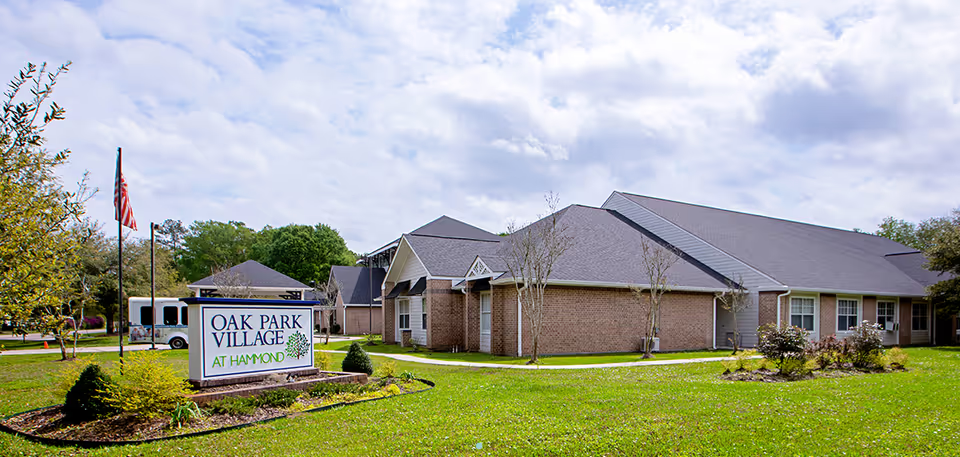
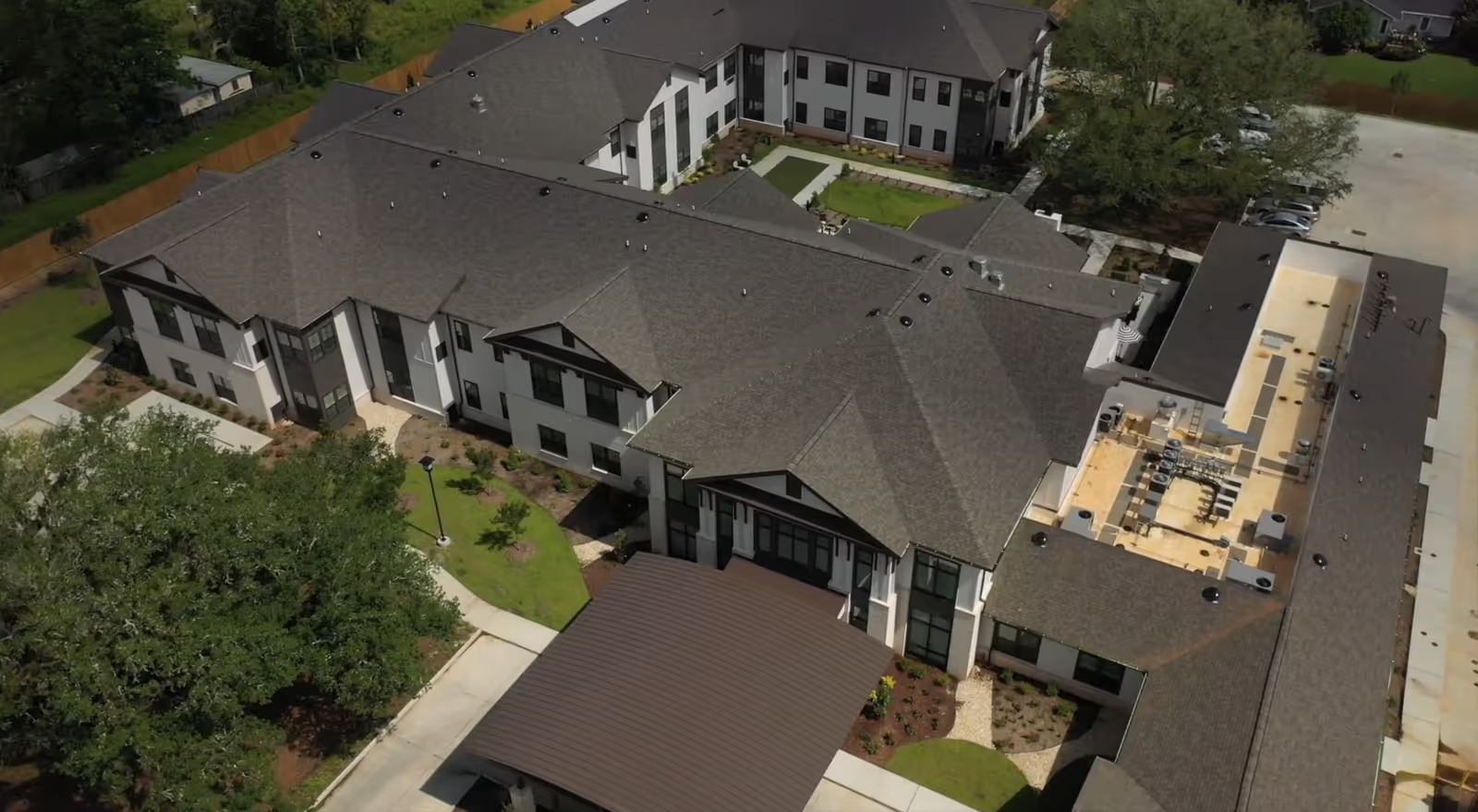
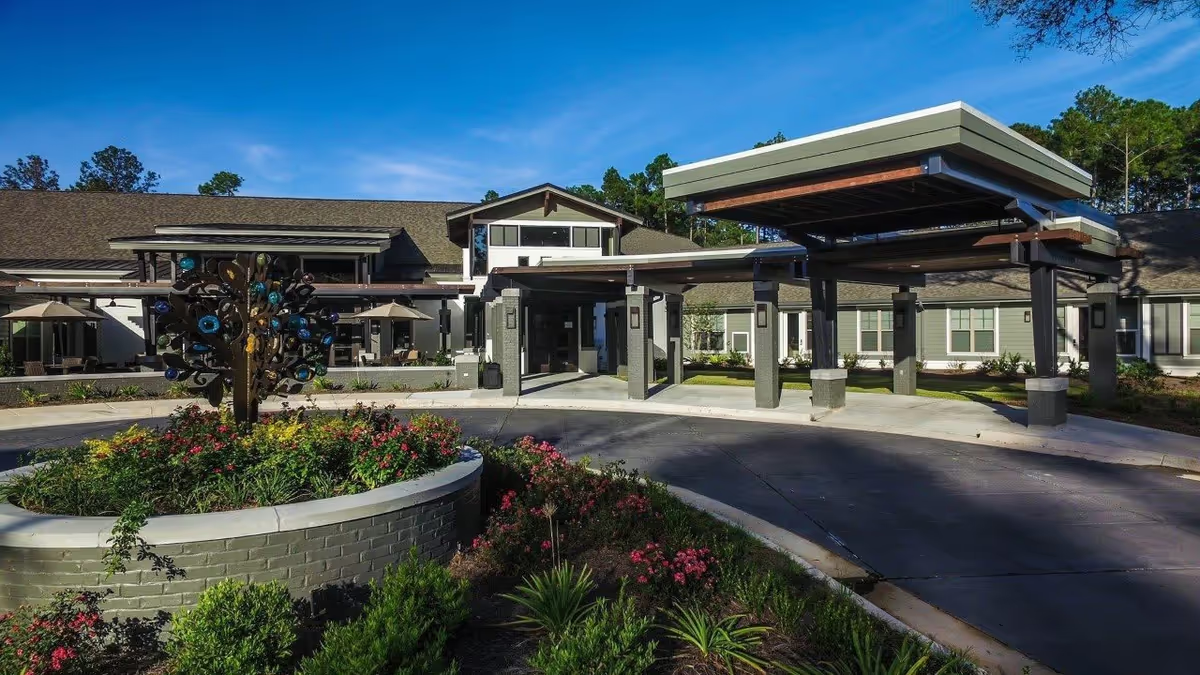
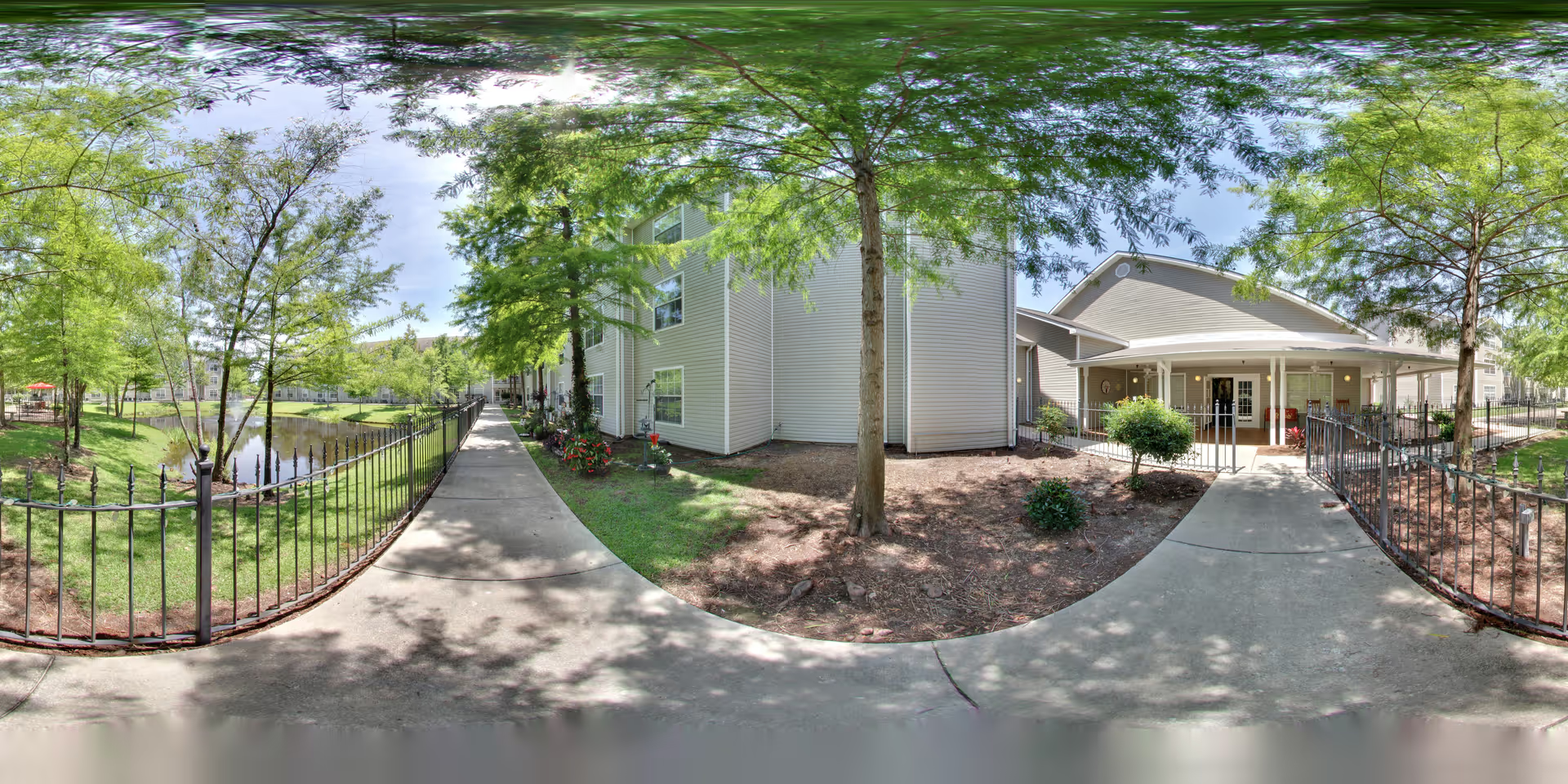
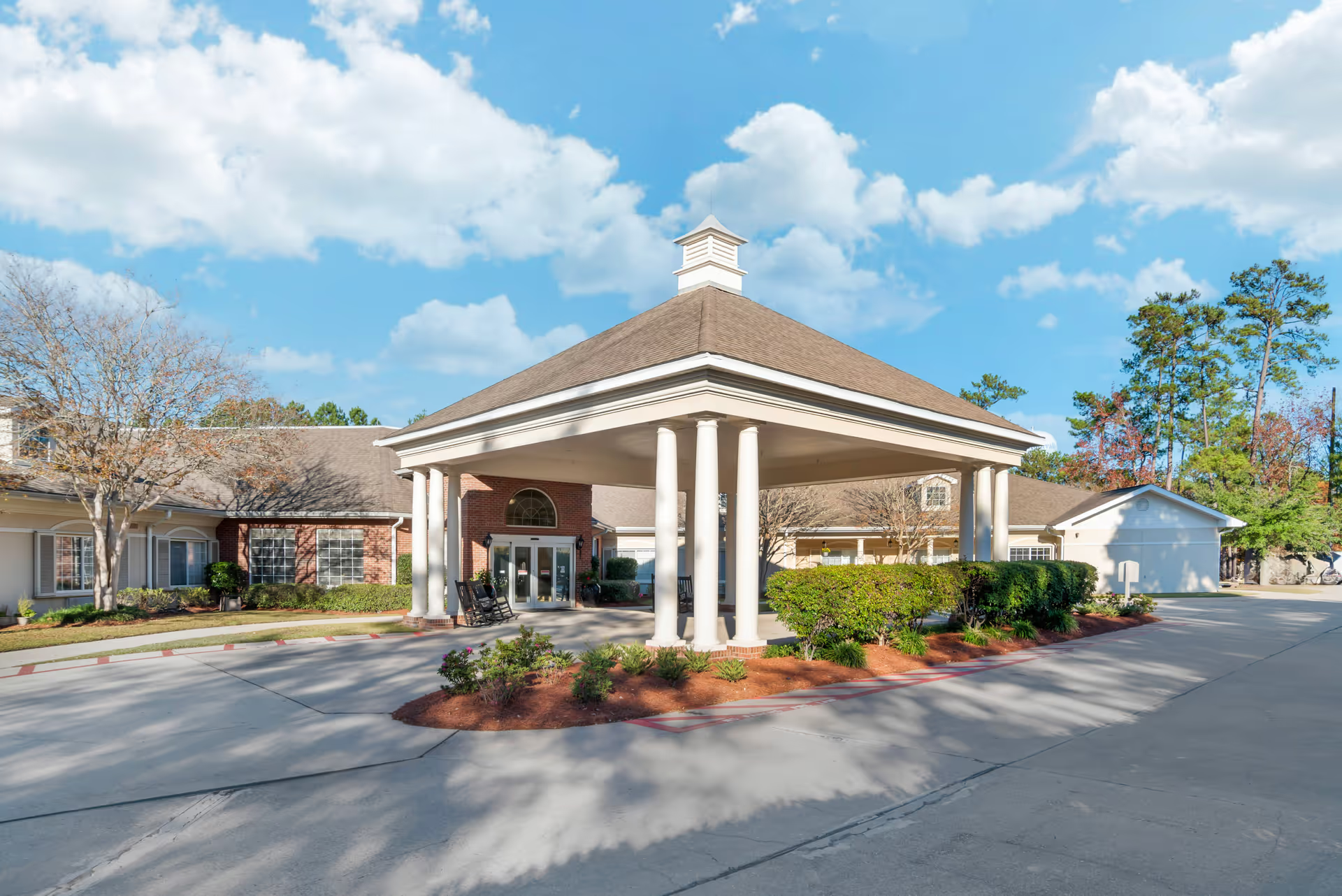
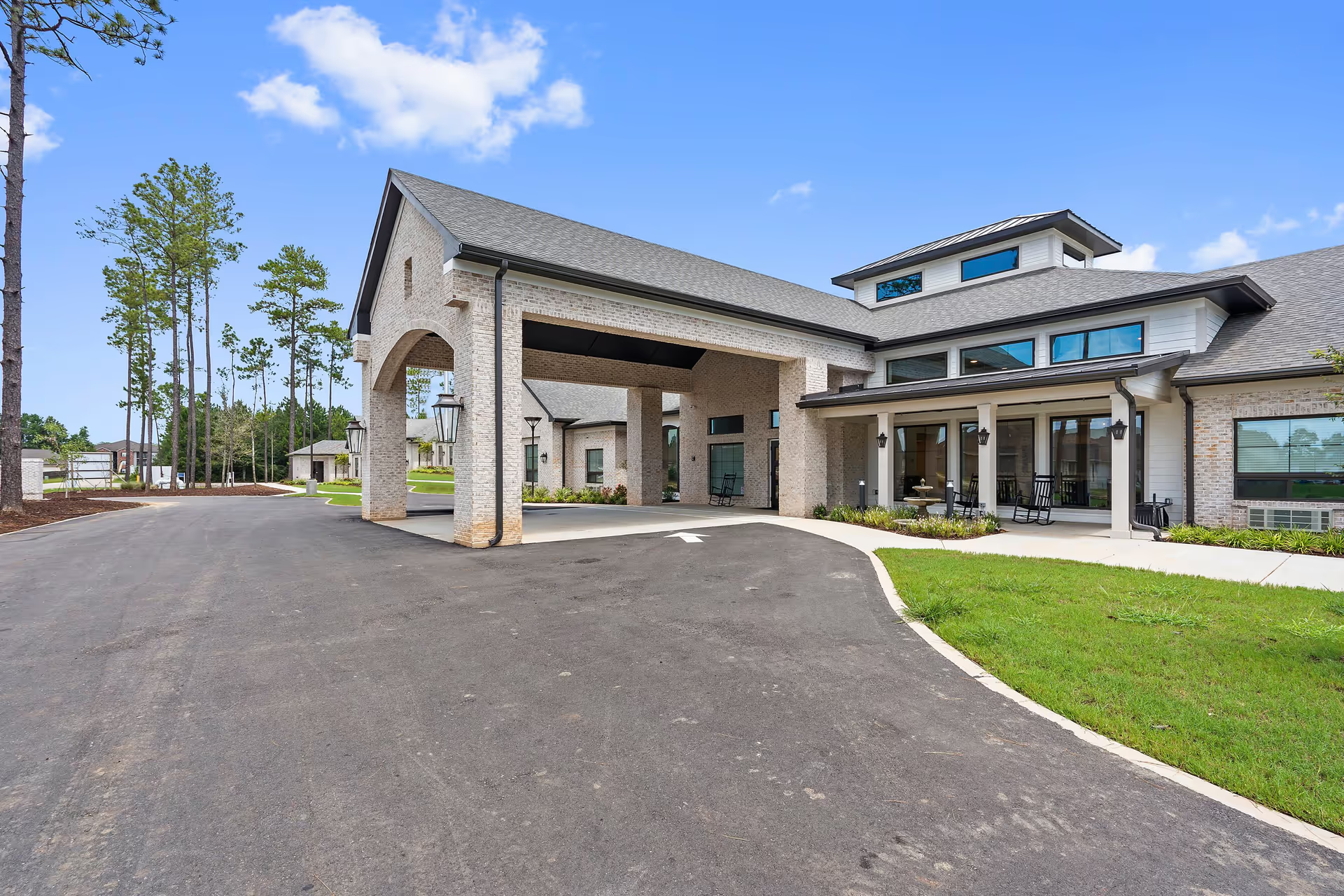
Summerfield Senior Living of Hammond is consistently described as a clean, bright, and well-maintained community with a family-oriented culture. Reviewers praise the facility’s new construction, cheery décor, and attractive outdoor amenities such as a pond, walking trails, patios, and outdoor seating. Many comments highlight a strong sense of community: staff often know residents by name, programs encourage social interaction, and families describe warm, welcoming common spaces.
Care quality and staff behavior receive broad positive mention. Numerous families characterize caregivers as compassionate, attentive, and willing to go above and beyond; management is frequently noted as responsive when problems arise. The community supports 24-hour nursing coverage and offers hospice and secured memory-care programming. At the same time, there are recurring operational concerns: inconsistent staff continuity and turnover, weaknesses in medication-administration processes and clinical oversight, and variability in individual staff performance. Some reviews raise serious concerns—including an allegation of staff misconduct and examples of medication-administration errors—that point to potential gaps in supervision and clinical systems; prospective families should ask about oversight, staff training, and incident follow-up.
Dining is a visible strength for many residents: an on-site chef, bistro options, meal customization, and snack availability receive repeated praise. However, some families note inconsistent portion sizes and occasional variability in perceived food quality. Programming is another strong suit: a robust activities calendar includes arts and crafts, music, bingo, outings, fitness/chair exercise, and memory-care–focused events, which many residents and families say improved social engagement.
Apartments and building amenities are generally well-appointed—many units include full-size refrigerators, microwaves, accessible bathrooms, climate control, and walk-in closets. Reviewers also note some practical limitations: a lack of full kitchens or stoves in most units, variable natural lighting in particular rooms, and accessibility challenges for residents with significant mobility needs. A few maintenance-related issues (for example, intermittent HVAC problems) are mentioned but are not described as widespread.
Management and operations present a mixed picture. The facility’s family-owned character and hands-on administration are praised for clear communication and prompt problem resolution in many cases, and leadership handled pandemic-era operations to the satisfaction of several families. Conversely, recurring themes include interdepartmental communication breakdowns, billing and administrative disorganization, and staffing instability. Safety controls in secured memory areas are another area of concern: reviewers cited limited surveillance and security gaps that warrant direct inquiry during a visit.
Overall, Summerfield offers many hallmarks of a high-quality assisted-living community—engaged staff, active programming, attractive grounds, and good dining options—balanced against operational issues that prospective residents and families should investigate further. Recommended questions for a tour: current staff turnover and vacancy rates, medication-administration and incident-review protocols, staffing ratios by shift, security/surveillance measures on memory-care units, sample dining menus and portion sizes, accessibility features relevant to the prospective resident, and clarity on billing practices and waitlist timelines.