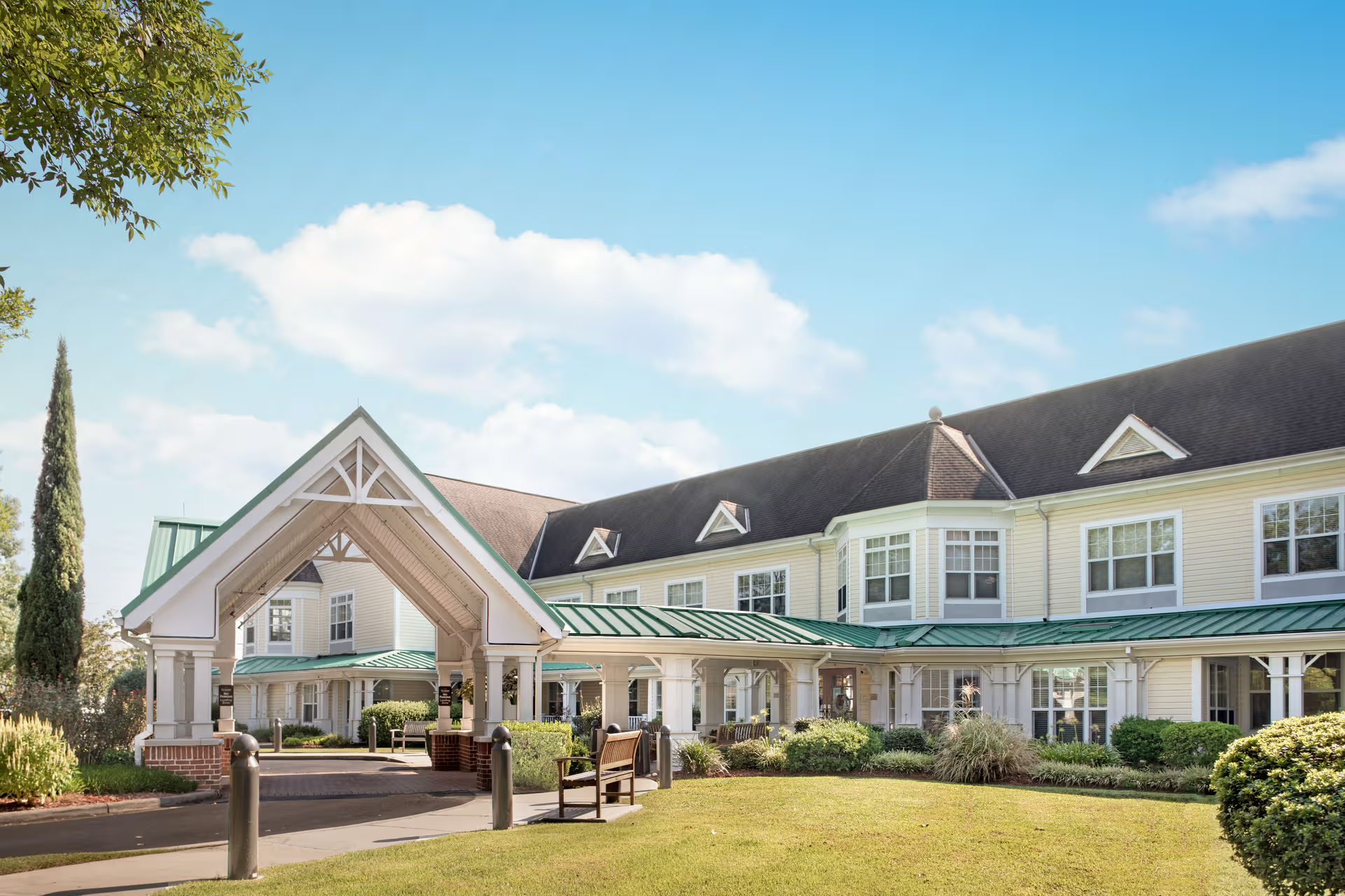
Experiences at Louisiana War Veterans Home are mixed, though many family accounts describe positive care. Families praise the nurses and other staff for being caring, professional, and respectful, and several say residents receive attentive support. One family specifically appreciated staff members’ understanding of veterans’ PTSD. Other accounts raise concerns about staff conduct, responsiveness, and management oversight, suggesting that families may want to ask how concerns are handled and how care is monitored.
Residents are described as building friendships and enjoying a sense of community. Reported activities include bingo, crafts, music and dance performances, animal visits, birthday celebrations, and outings for shopping or lunch. Families also value the rural setting, wildlife on the grounds, holiday decorations, and spaces that feel comfortable and relatively quiet rather than institutional.
Cleanliness and upkeep are recurring strengths in positive accounts. Dining feedback is less uniformly favorable: one family raised concerns about limited adjustment of meals for individual dietary needs, including diabetes, and about the amount of salt and starchy food. Laundry service also drew a specific concern about clothing being returned wrinkled. These accounts point to areas families may wish to discuss directly, including dietary accommodations and clothing care.
Operational concerns include variable staffing coverage, especially on weekends, and questions about management attention and staff accountability. One family also described difficulty reaching the facility by phone and uncertainty about the frequency of physician visits; another cited appointment transportation as an ongoing concern. These criticisms contrast with other families’ accounts of prompt answers and positive staff relationships. Overall, prospective residents and families may benefit from asking about staffing by shift, clinical-provider arrangements, transportation, individualized meal planning, and the process for raising concerns.