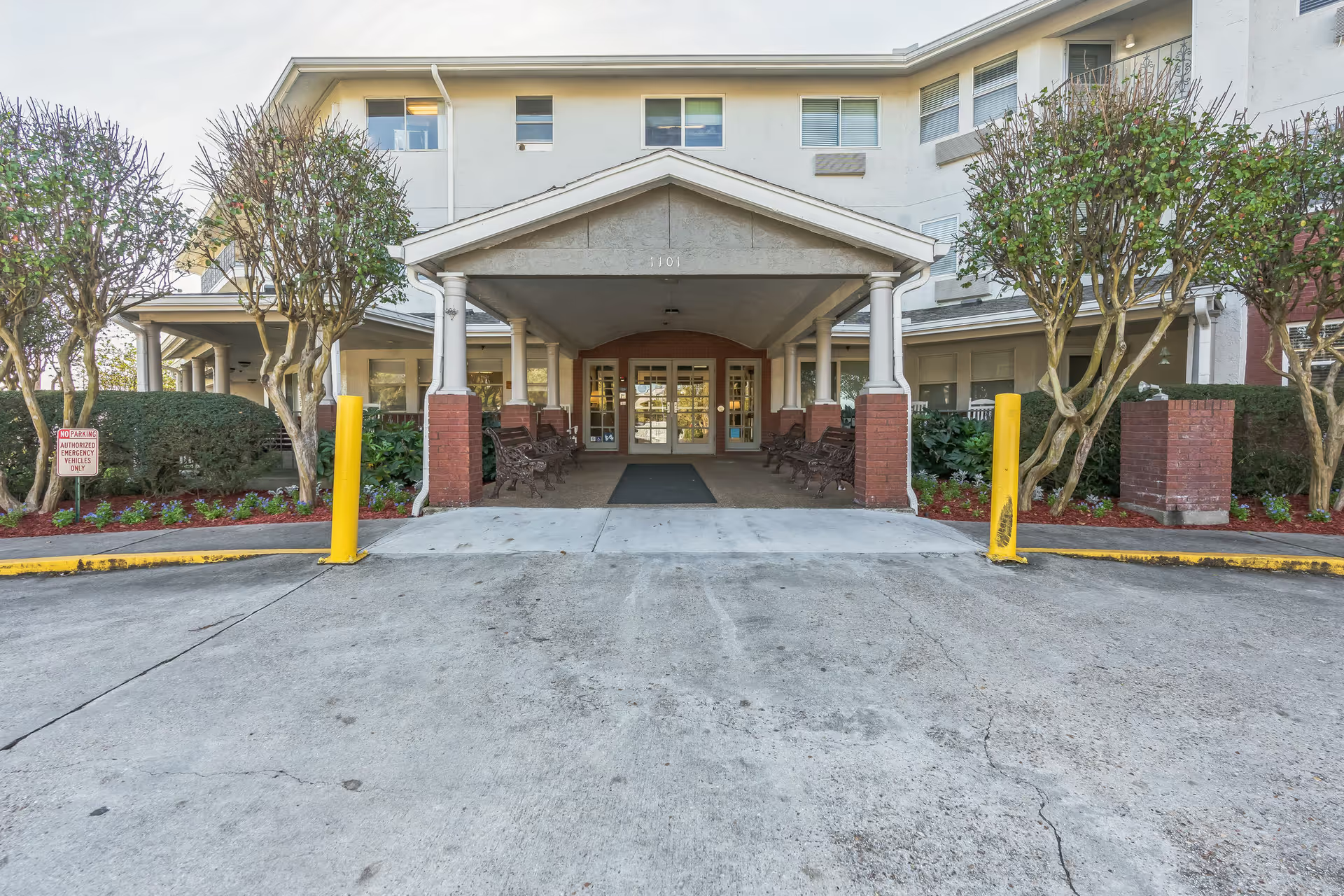
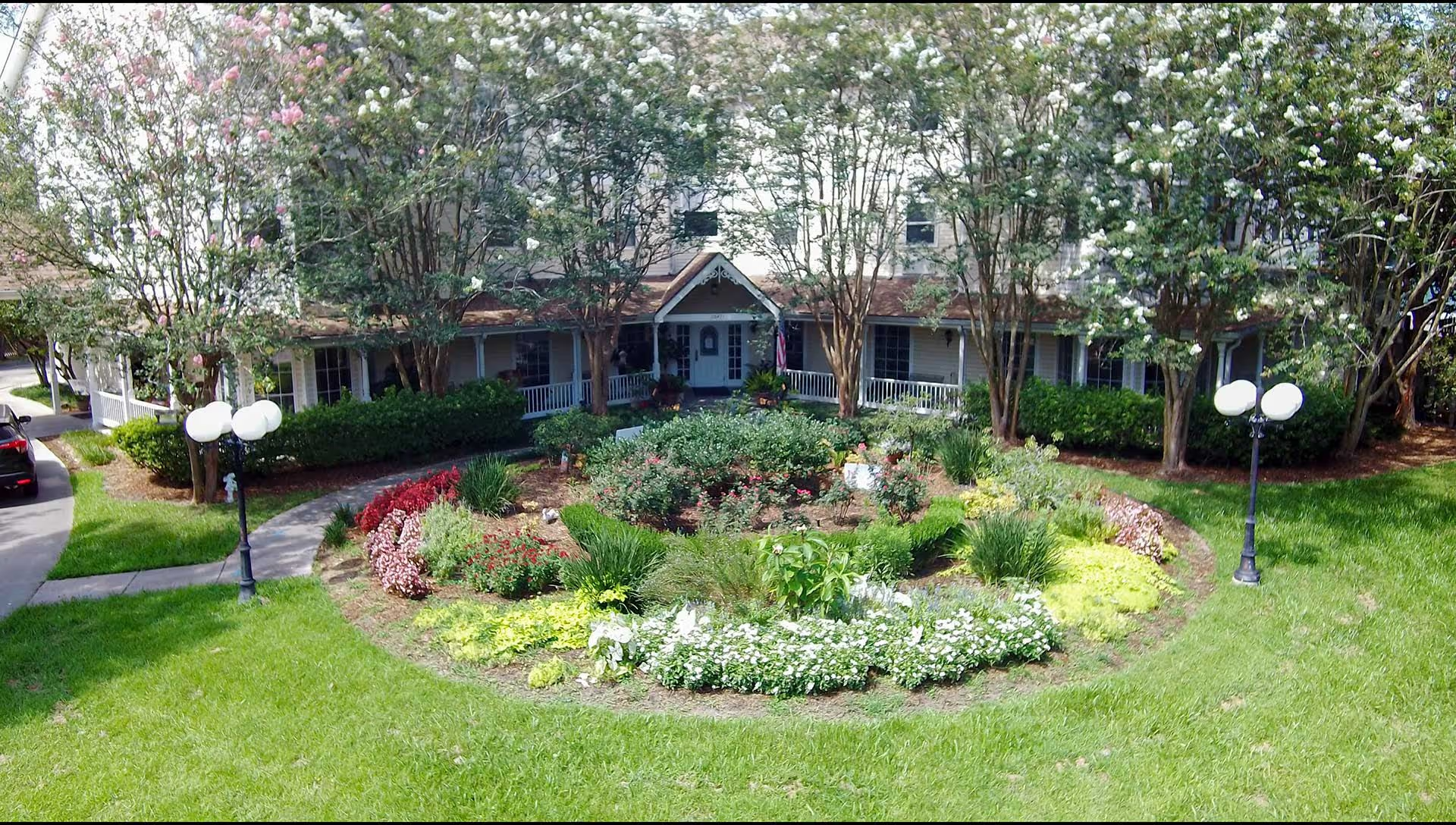
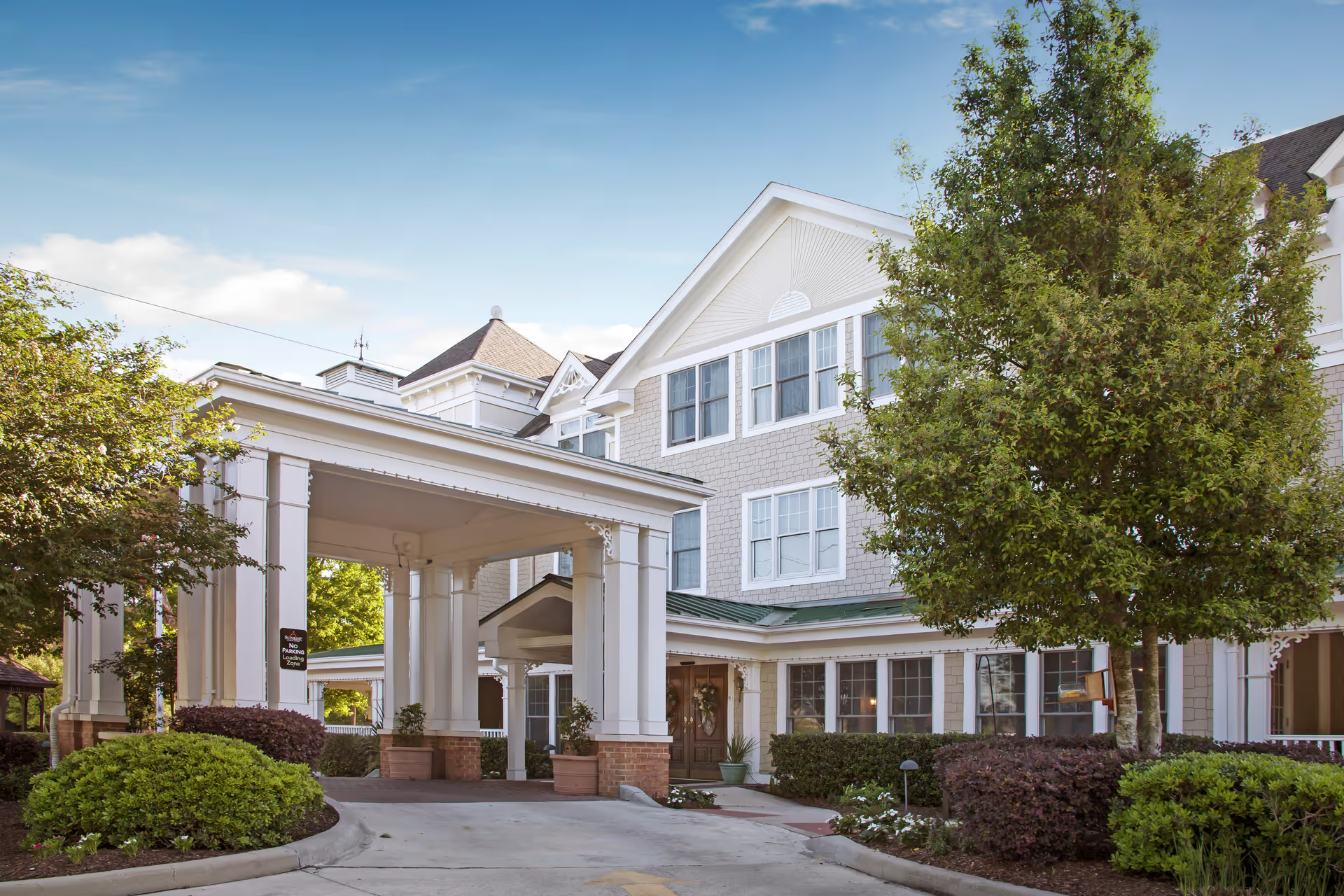
Inspired Living Kenner presents as a modern, resort-like senior community with many operational strengths alongside recurring operational concerns. Reviewers consistently highlight the facility's attractive physical environment: new, spacious apartments with large bathrooms, multiple room-size options, well-kept grounds, accessible outdoor walking paths, pool and tiki-bar amenities, salon and fitness spaces, and pet-friendly features. Life-enrichment programming is a clear asset — residents and families frequently praise the broad activity slate (arts and crafts, knitting groups, religious services, outings, happy hours, bus excursions) and the social opportunities that promote resident engagement.
Care and staff performance elicit mixed but specific impressions. Many families describe compassionate, personable care partners, helpful admissions/staff (Amanda and several other named caregivers were singled out positively), timely follow-up after incidents, and strong move-in support. There are multiple reports of a 24/7 nursing presence and occasions where clinical staff responded promptly. At the same time, a distinct pattern of inconsistent staffing and high turnover appears across accounts. That instability is linked to delays in response to call buttons, variable adherence to care plans and hospital orders, and episodes where families felt clinical follow-up was inadequate. Memory-care services receive both praise (visible memory-care leadership, individualized rooms, strong programming) and criticism (unit-level staffing shortages and different standards between memory care and assisted living).
Dining and hospitality are often cited as strengths: a chef-driven program, all-day meal availability, table-mate matching, and thoughtful presentation are commonly noted. However, reviewers also describe inconsistencies in meal delivery and kitchen staffing — examples include late or cold meals, dining staffing shortages, and occasional limited menu variety. Housekeeping and sanitation generally receive positive remarks for public spaces, but there are enough accounts of localized cleanliness issues, hallway and room sanitation concerns, and occasional odor-related comments to indicate uneven quality-control in housekeeping.
Operational and management patterns are important to consider. Several families report that management visibility and responsiveness have fluctuated over time, with turnover in leadership affecting communication practices. Specific operational weaknesses raised include unreliable transport (broken van or vehicle maintenance problems), billing and move-out administration errors, and emergency-preparedness lapses (for example, generator/power-event concerns). There are also isolated but serious consumer claims, including allegations of unauthorized billing and missing personal items; these represent potential red flags that merit direct inquiry during a tour or intake discussion.
Bottom line: the community offers strong amenities, an active activity program, pleasing dining when operating as intended, and many caring staff members who create a welcoming atmosphere. Prospective residents and families who place a high value on lifestyle, amenities, and engagement may find a good fit here. At the same time, families seeking consistently reliable clinical execution and tight operational controls should probe specific operational areas before committing: ask about staff turnover rates, call-response metrics, clinical-order adherence processes, housekeeping quality-control, transportation maintenance protocols, billing and move-out procedures, and emergency-power systems. Observing meal service and speaking directly with current families and unit-level managers (especially in memory care) will help clarify whether the facility’s strengths align with an individual resident’s needs.