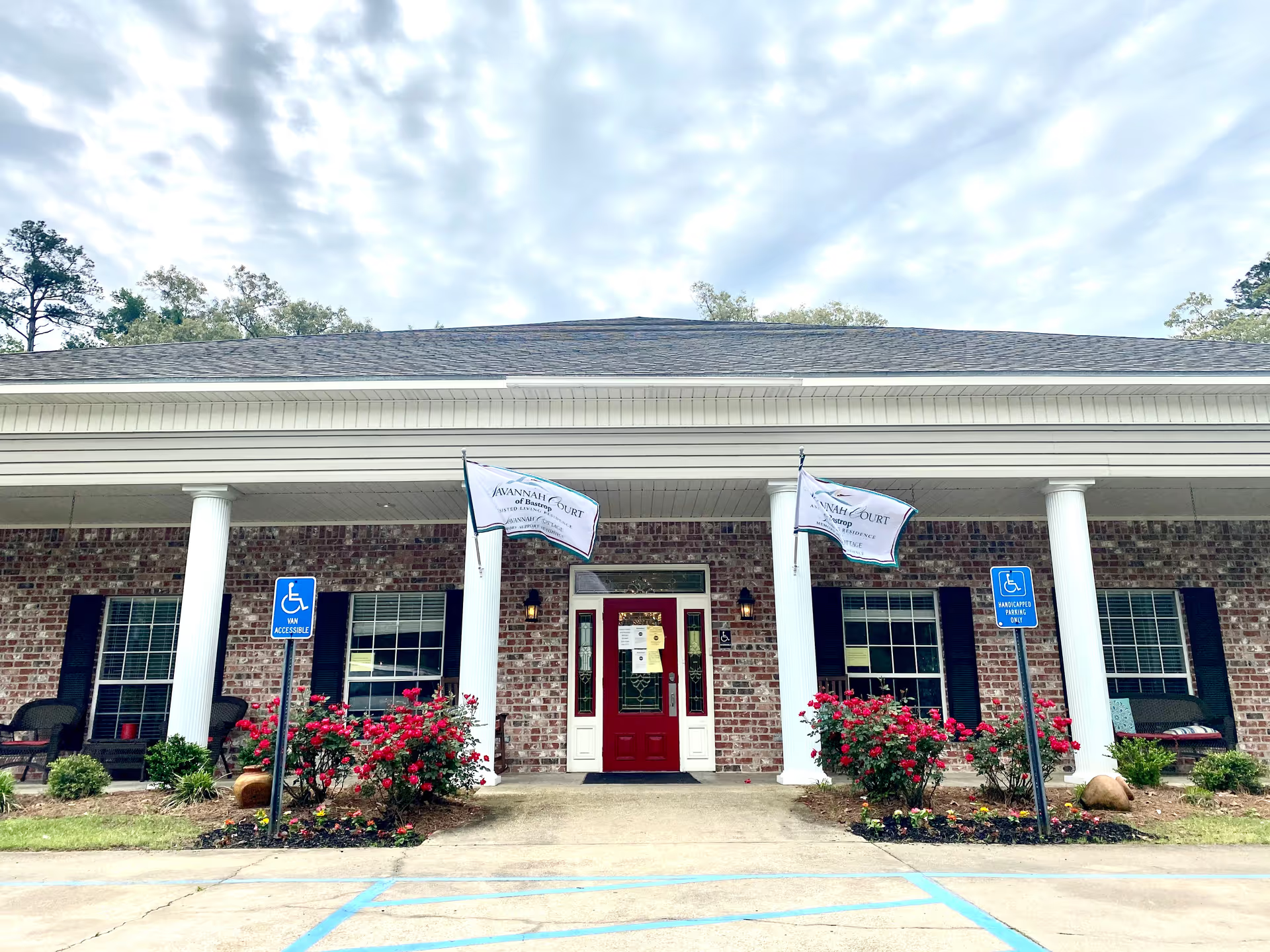
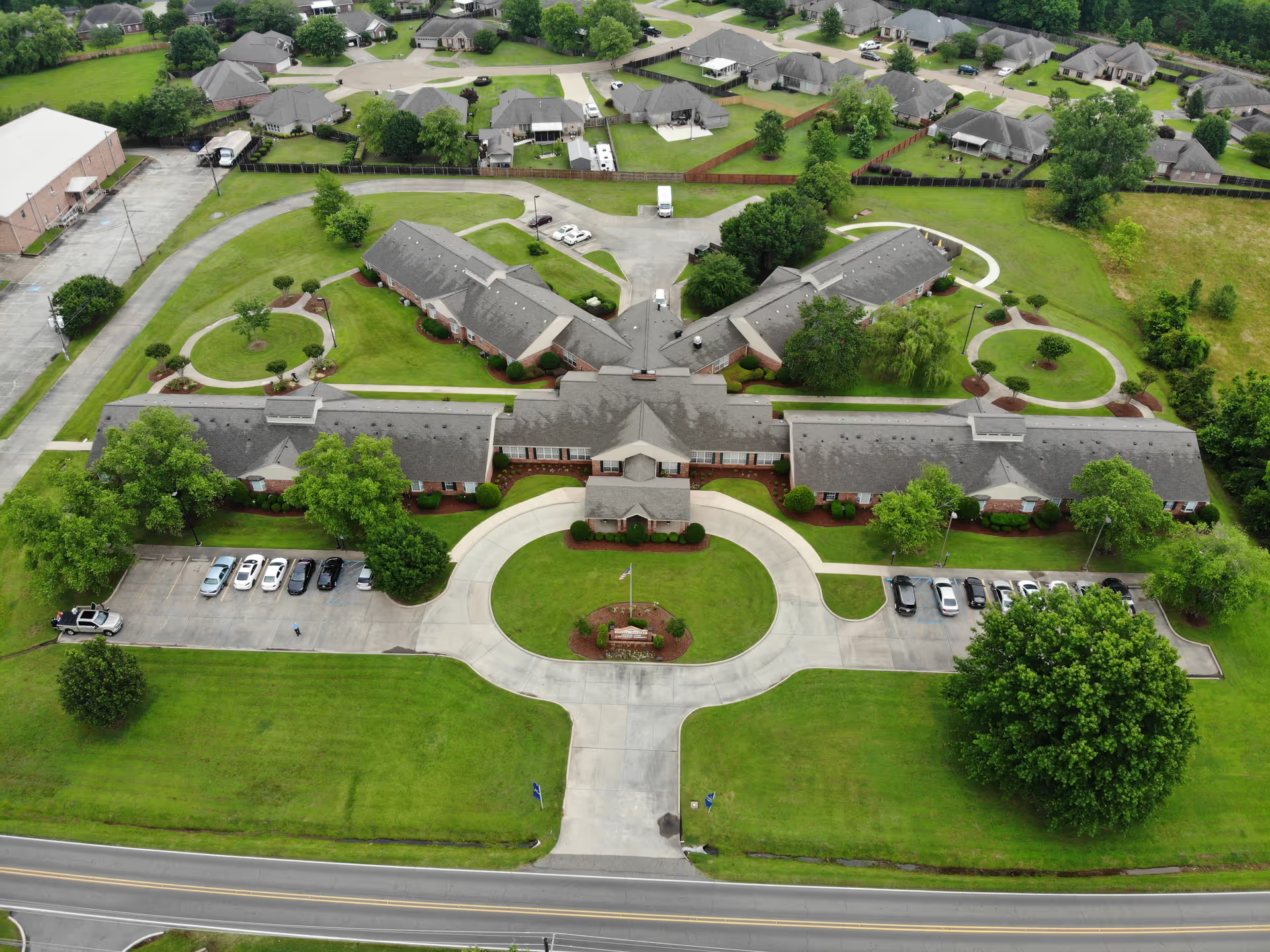
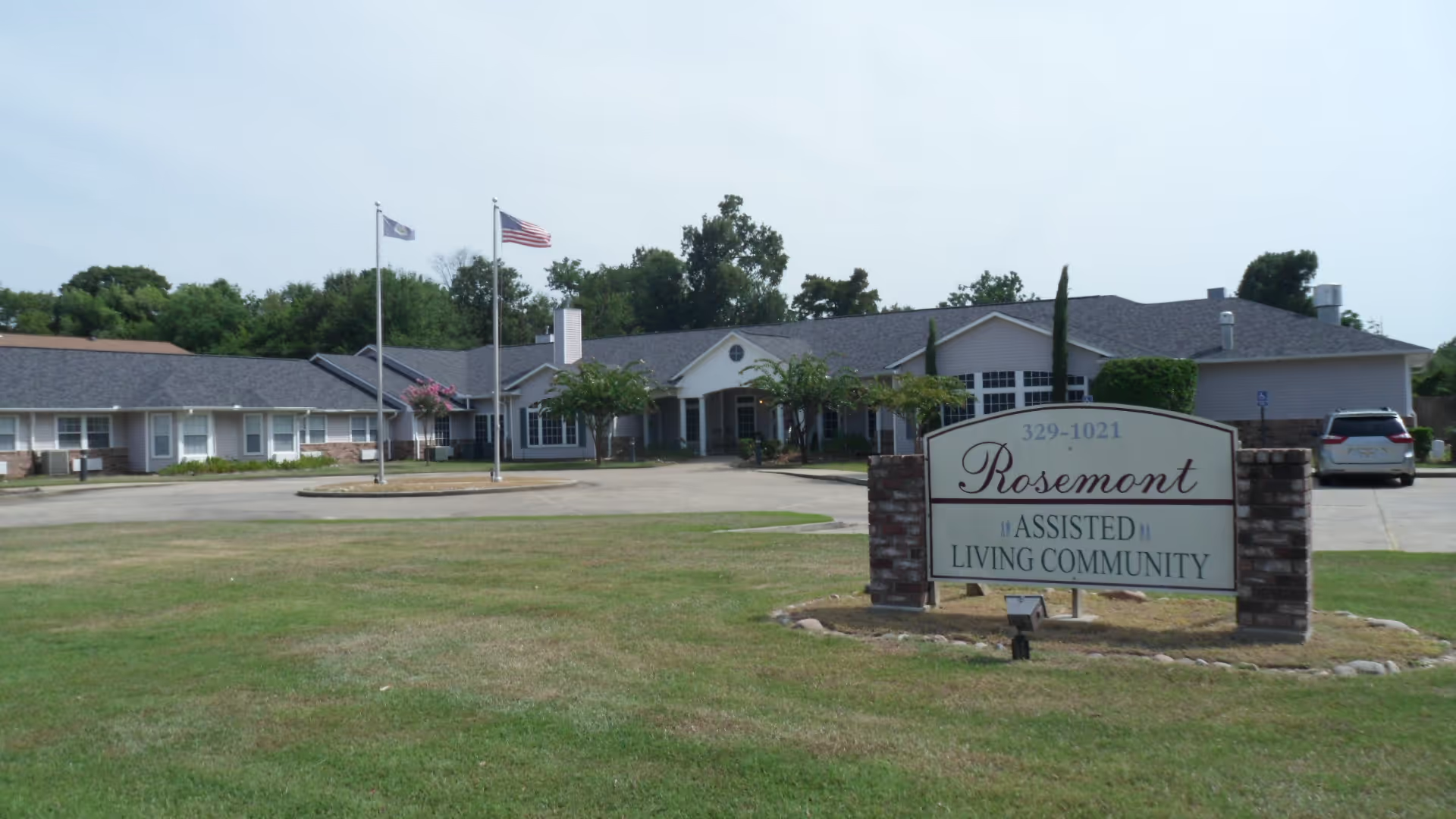
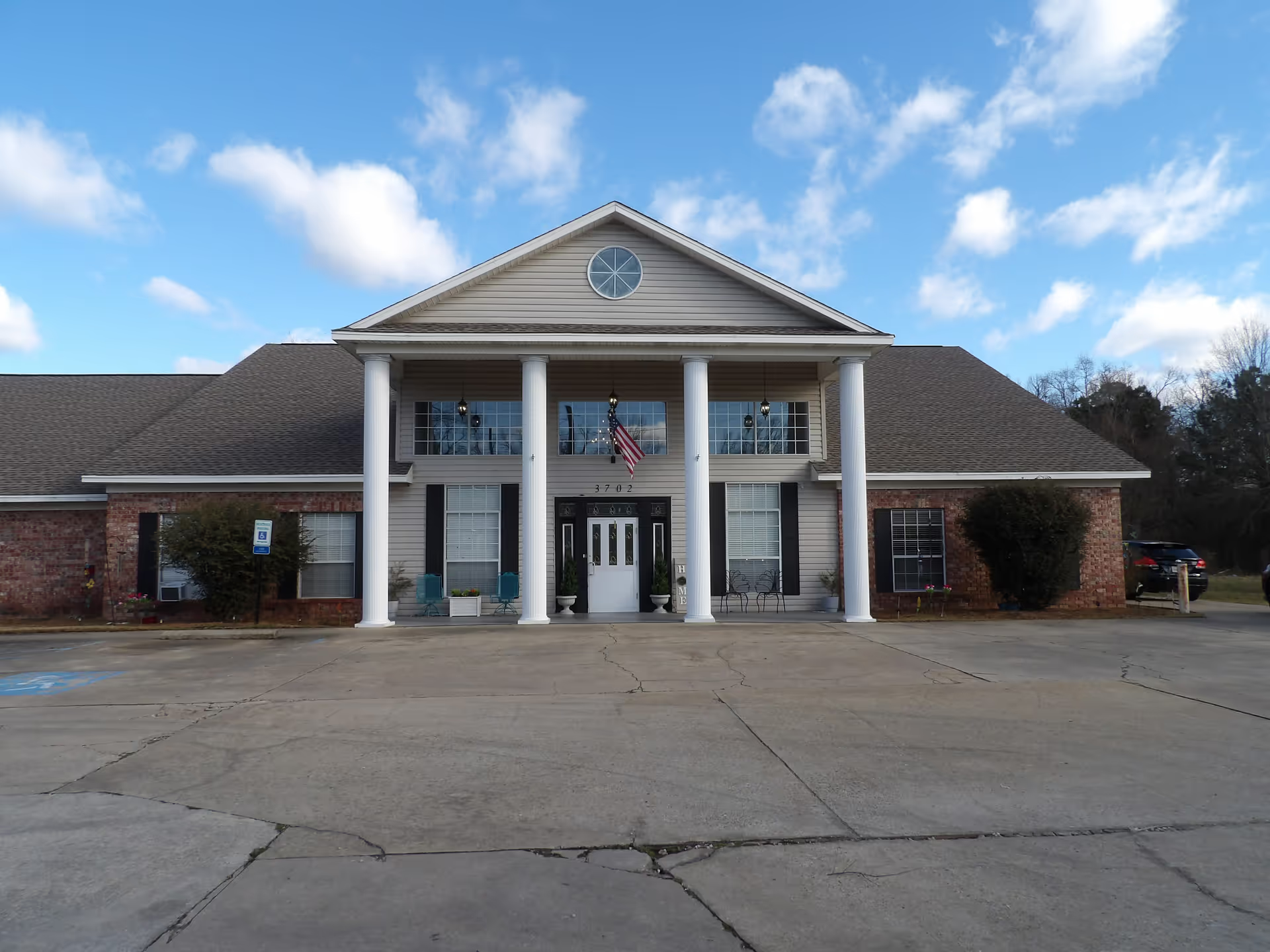
Reviews describe a facility with a mix of individual strengths and significant operational weaknesses. Several reviewers identified compassionate, capable nurses and CNAs who provide attentive, personable care, and a few accounts note meaningful social engagement and observable clinical improvement for residents. On-site therapy is available and has supported recovery in some cases. These positives, however, are frequently described as inconsistent and limited to particular staff members or shifts.
Care quality concerns are prominent. Multiple reviewers reported delays in staff responding to call buttons and emergencies, which reviewers framed as systemic rather than isolated delay events. There are recurring allegations of inadequate supervision that have contributed to safety incidents, and reviewers raised concerns about medication management practices during therapy and other activities. Some accounts also described fluid-intake and dietary delivery issues that suggest gaps in routine clinical monitoring.
Staffing and conduct issues appear to affect daily operations. Reviewers described staff distraction by non-care tasks and uneven communication among departments, producing therapy delays, missed or incorrect meal delivery, and inconsistent bathing and grooming assistance. Maintenance staff are described as busy and sometimes noisy, and reviewers expressed that staffing levels do not reliably meet resident needs, particularly overnight when response times were reported as slower.
Dining and nutrition were frequently criticized. Complaints include small or cold portions, incorrect or missing meals, and broader dietary-management inconsistencies. These issues were linked by reviewers to meal-service processes and to coordination problems between dietary staff and nursing staff responsible for feeding and monitoring intake.
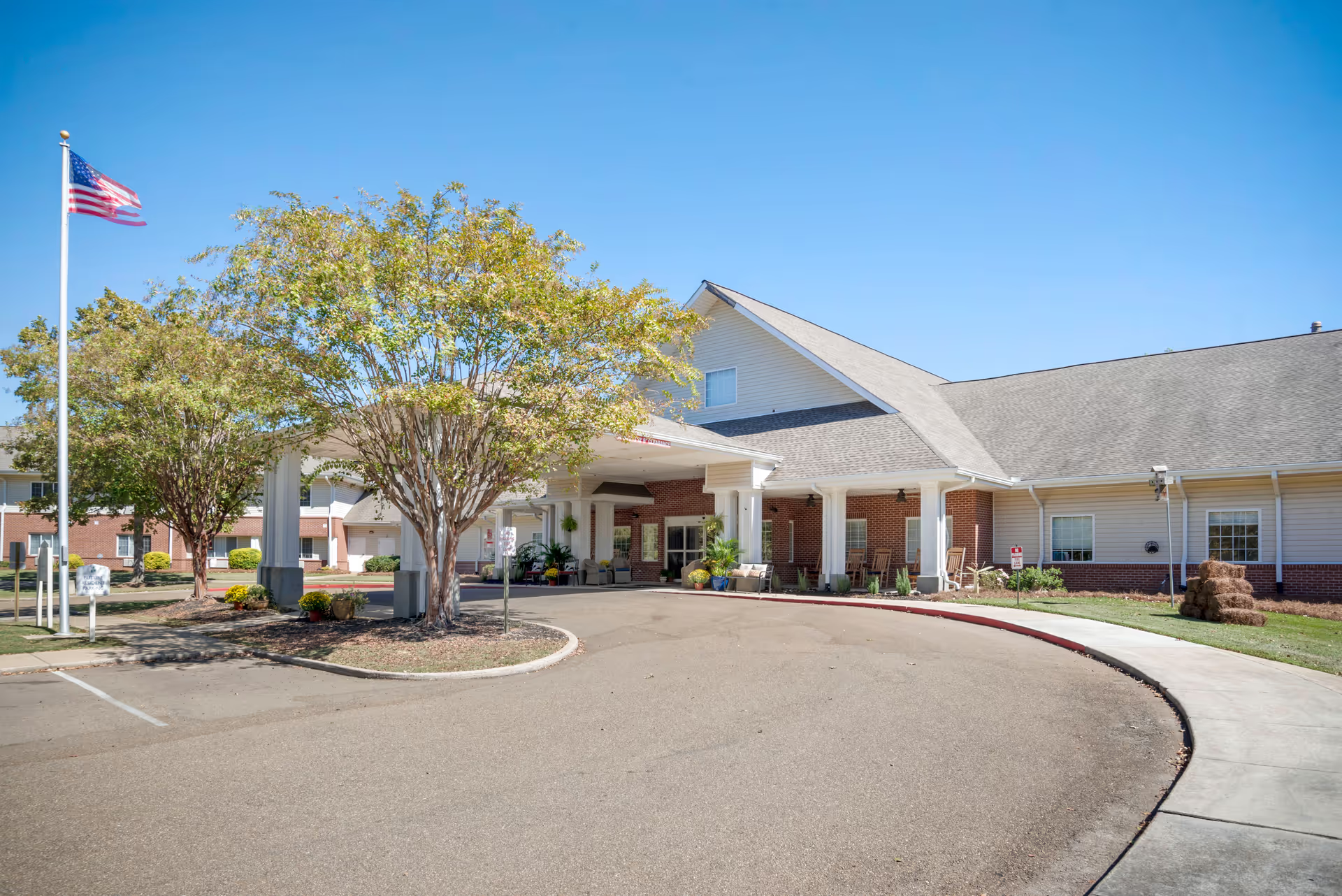
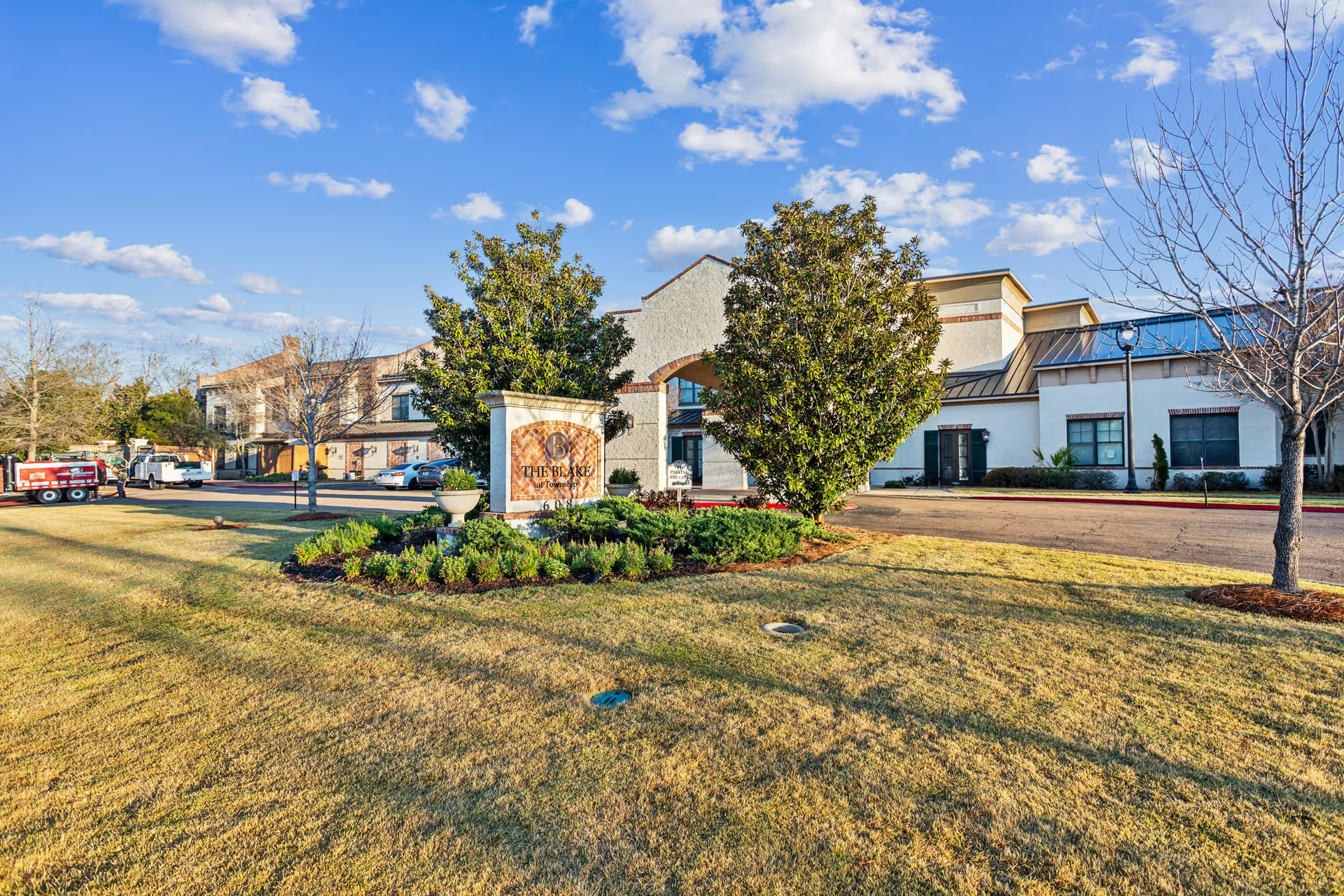
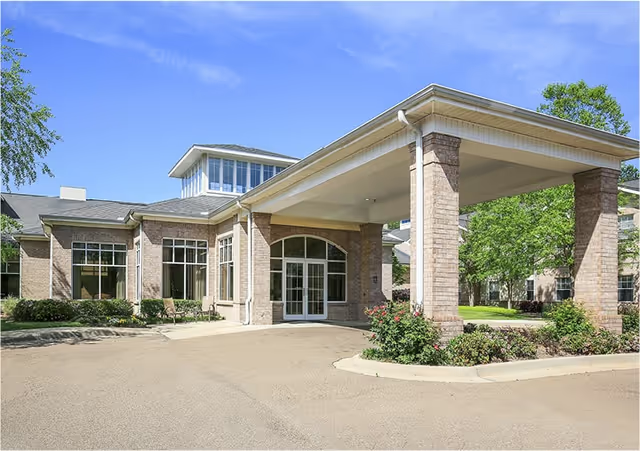
Facility condition and environment were another recurring theme. Reviewers noted sanitation concerns and odor issues in both rooms and common areas, problems with room climate control, and an overall noisy or chaotic atmosphere that affected resident comfort. These environmental issues were described as persistent enough to influence families’ perceptions of care.
Management and communication practices drew specific criticism. Families reported difficulties reaching staff by phone, long waits at entry, delayed or dropped calls, and a general lack of clear, timely information about incidents, transfers, or discharge planning. Some reviewers characterized administrative interactions as unprofessional or exclusionary, prompting external notifications to advocacy resources in at least one case.
Overall patterns suggest that while there are committed caregivers and moments of good care, the facility exhibits systemic operational challenges — inconsistent responsiveness, environmental and sanitation deficiencies, unreliable meal and medication processes, and communication gaps — that impact resident experience and safety. Prospective residents and families should weigh the presence of dedicated staff against these reported patterns and consider verifying current staffing levels, response protocols, sanitation practices, and family-communication procedures before placement.