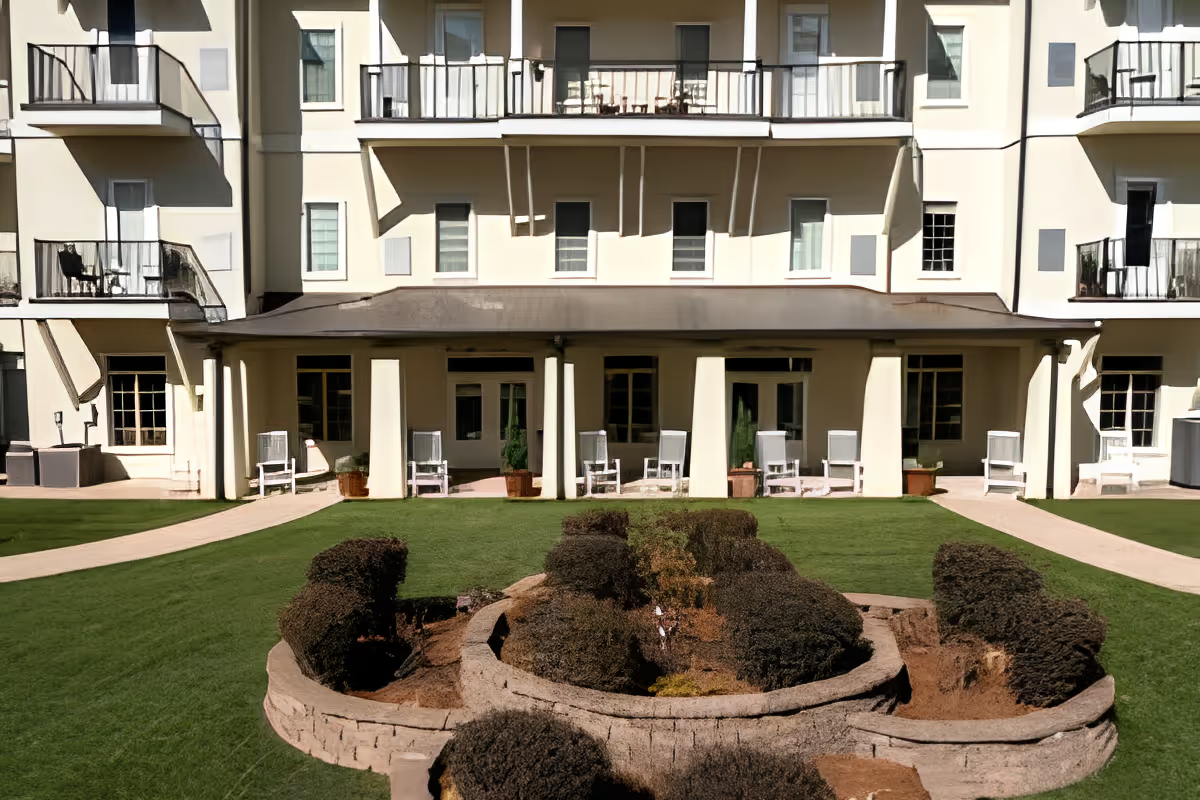
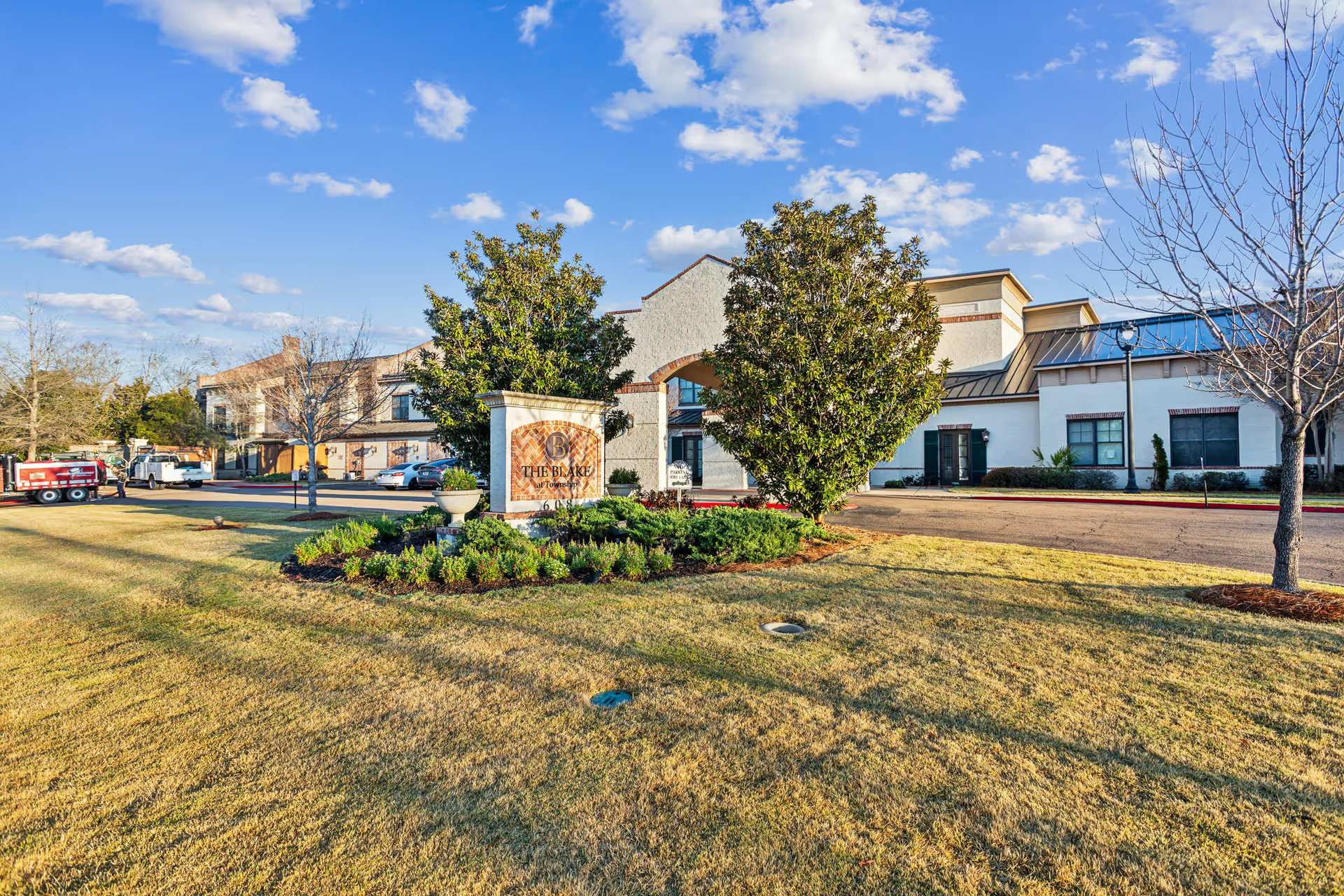
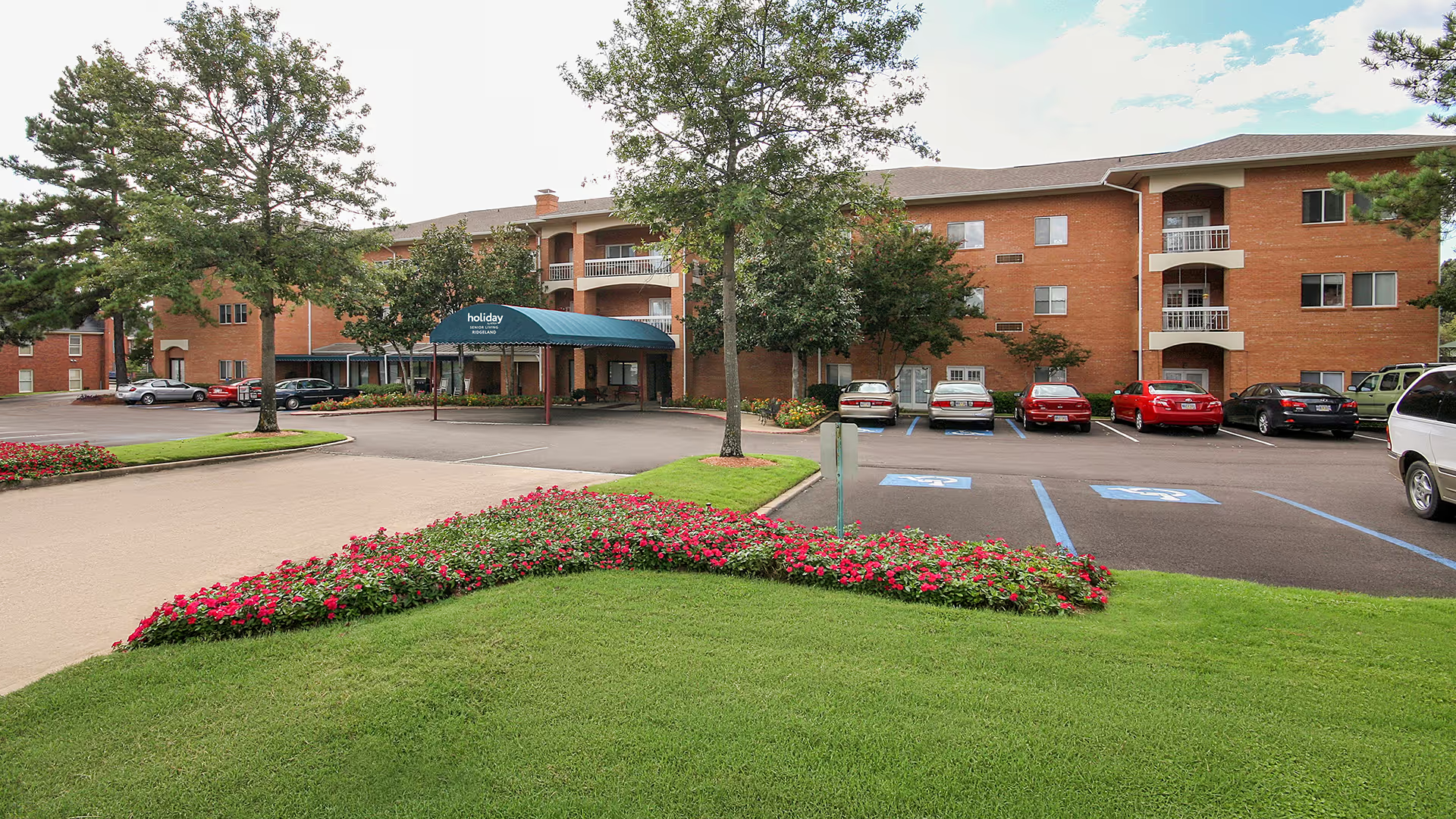
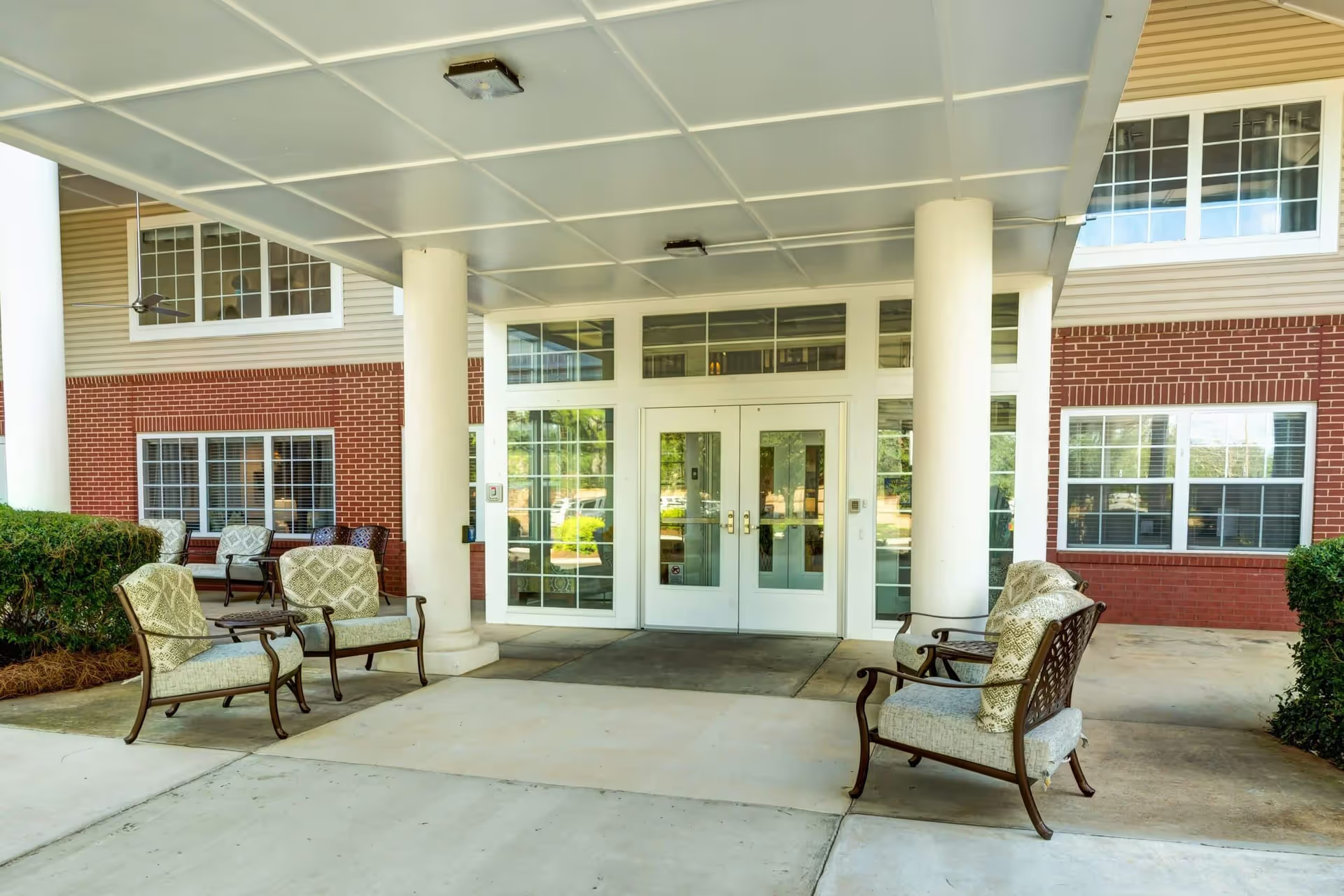
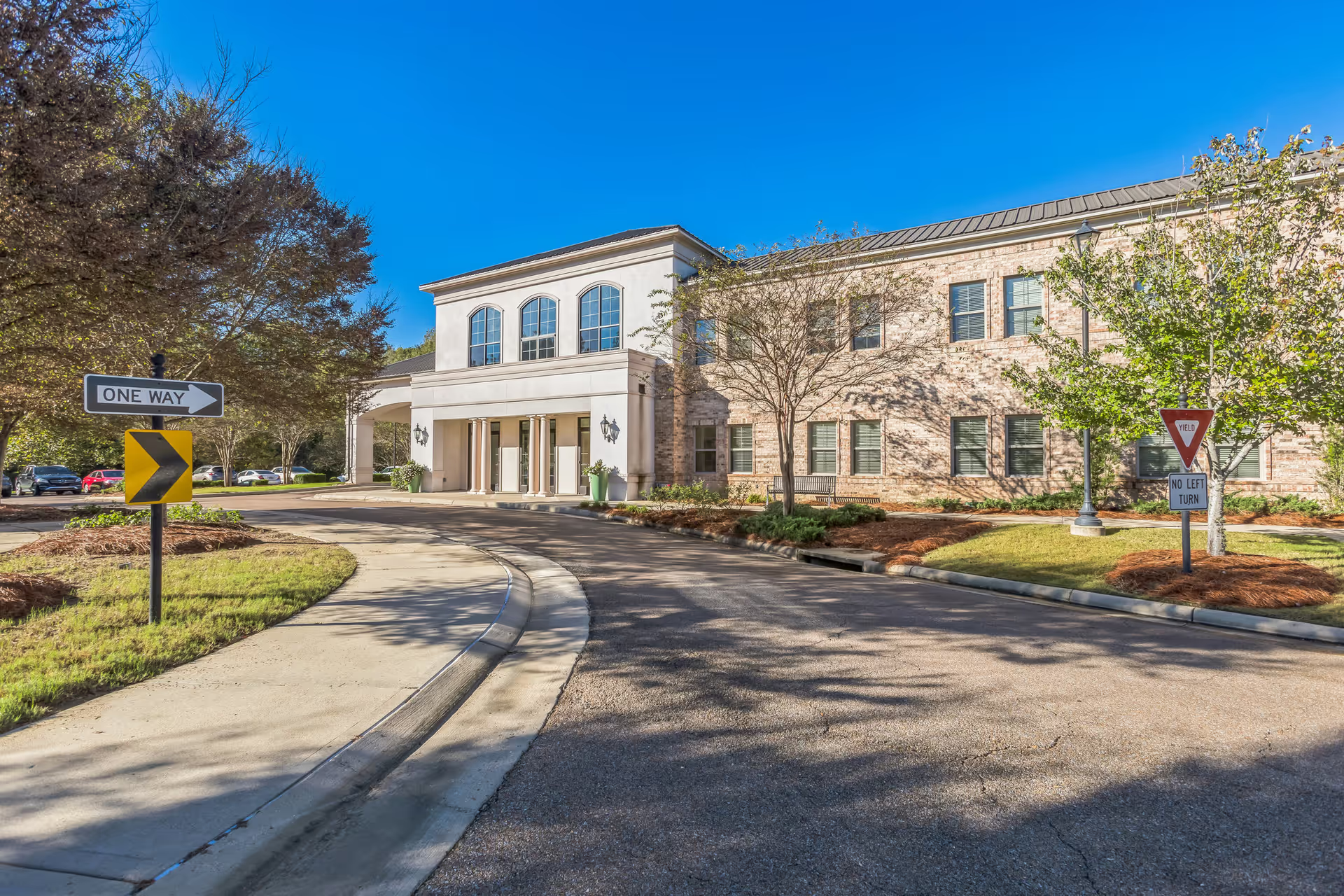
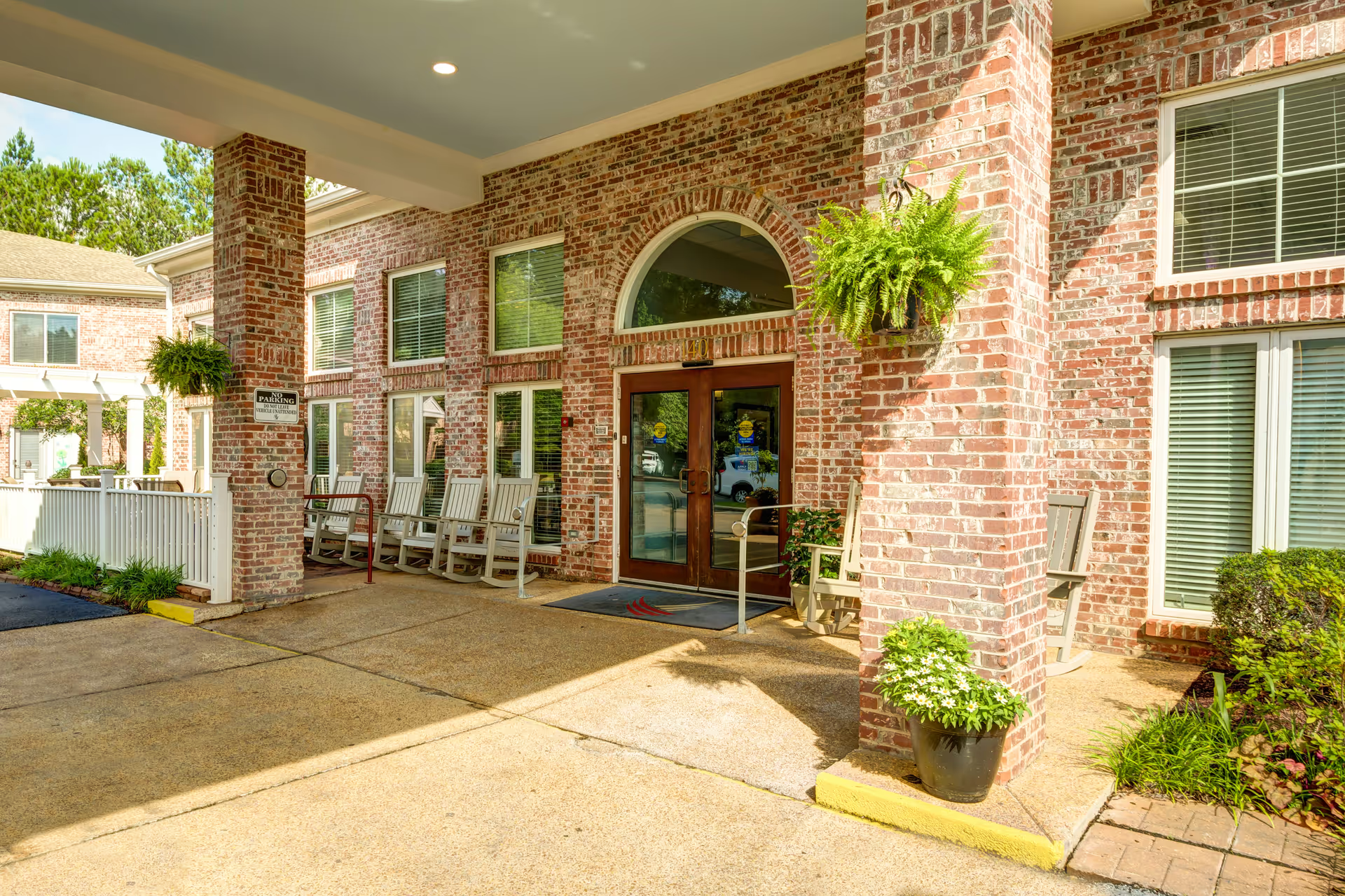
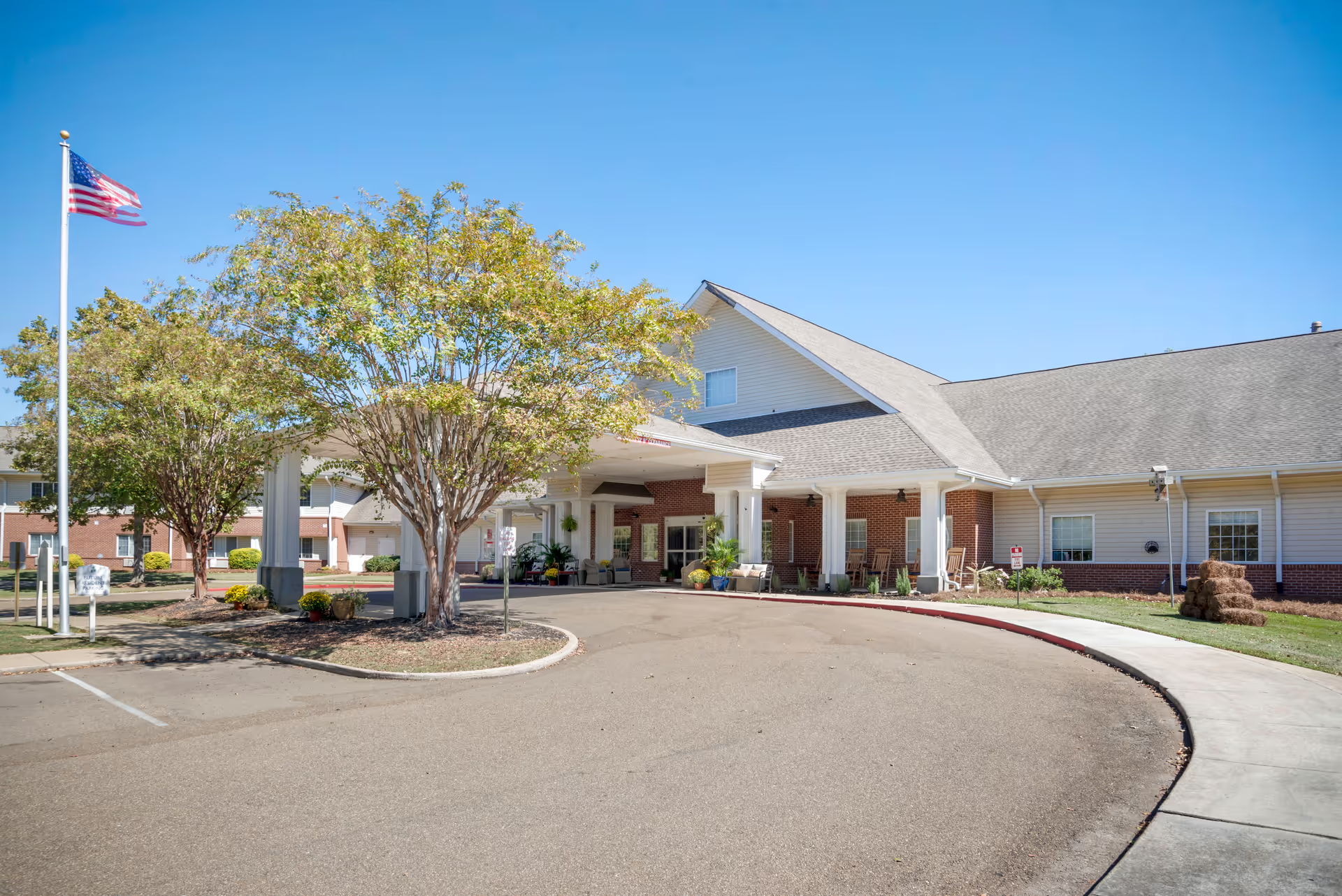
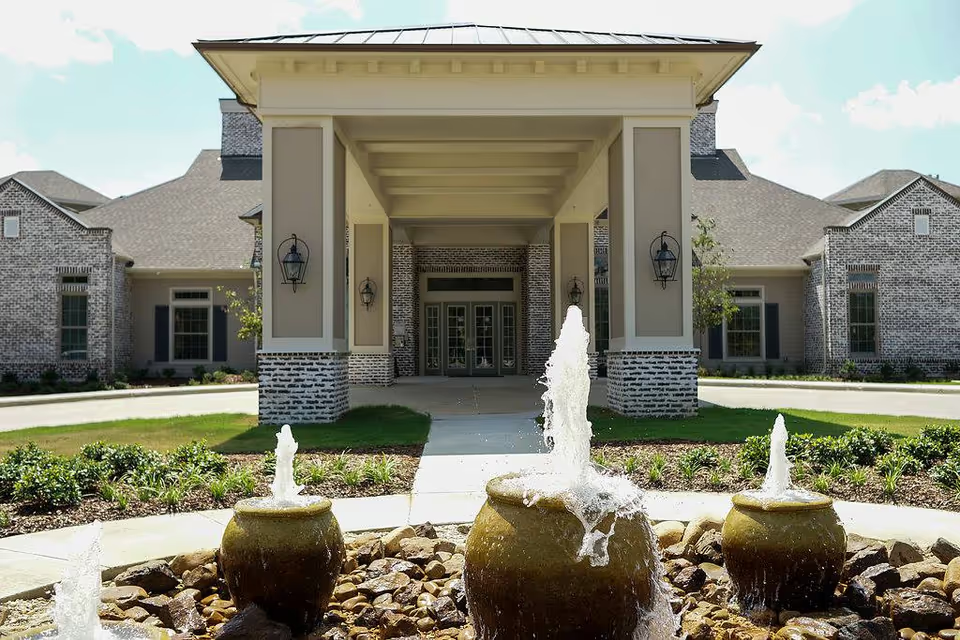
Overall impression: Reviews present a largely positive picture of daily life at the Waterford on Highland Colony, with repeated praise for staff warmth, a strong social culture, and an environment that many residents and families describe as clean, secure, and active. The facility's physical plant is frequently highlighted: recent renovations, bright dining rooms, well-kept grounds with wooded and lake views, and a range of on-site amenities (fitness area, salon, library, game rooms) contribute to a welcoming, home-like atmosphere for independent and assisted residents who are comfortable with moderate campus mobility.
Care and staff: Staff performance is the facility's most consistently noted strength. Many reviewers described employees as helpful, kind, and attentive; families frequently cite smooth move-ins, staff who learn residents' names, and a nurturing culture among dining and front-desk teams. At the same time, several operational patterns temper that praise: recurring comments point to staffing shortages and turnover (including kitchen and managerial positions) and occasional deficits in training or responsiveness. Clinical coverage also appears limited in scope—an RN on-site during daylight hours only was specifically referenced—so families seeking reliable hands-on transfer assistance or continuous clinical oversight should clarify staffing levels and shift coverage before choosing the community.
Dining and housekeeping: Dining impressions are mixed. Numerous reviewers praised the dining room ambiance, friendly wait staff, and enjoyable meals, while others noted inconsistent food quality, small evening portions, and nutrition concerns (fat/carbohydrate balance). There are also reports of service coordination problems (missed or incorrect meal items, dessert or billing inconsistencies). Housekeeping and room-service quality are generally seen as an asset when functioning well, but inconsistent housekeeping performance was cited as an operational weakness in several accounts.
Activities and community life: Programming is a clear strength. The Waterford offers a wide array of scheduled activities, off-site outings, arts and crafts, church services, and social events that foster resident engagement and new friendships. Reviewers highlight a strong sense of community, active resident involvement, and regular special events such as parties and musical performances. For prospective residents who prioritize social activity and outings, this community is strongly positioned.
Facilities and accessibility: The campus is frequently described as modern, bright, and well maintained, with multiple apartment sizes and updated fixtures. However, studio units were sometimes characterized as small, and on-site laundry capacity and parking (including covered parking preferences) were noted as limited by some families. The layout and size of the campus can make routine destinations such as the cafeteria less convenient for residents with reduced mobility; families should assess unit location and walk distances relative to a prospective resident's mobility.
Management and notable operational patterns: Reviews indicate a pattern of strong front-line staff engagement combined with intermittent management and administrative issues—slow responsiveness, misdirected messages, and turnover in leadership roles. Marketing and service-level alignment also emerged as an important theme: some families experienced a mismatch between expectations of ‘‘assisted living’’ services and the actual level of hands-on assistance provided. Relatedly, concerns about safety protocols and training (including isolated safety-related incidents and concerns about staff conduct or parking-lot behavior) suggest value in asking about staff training, incident response policies, and fall-prevention protocols during a tour.
Conclusion and considerations for families: The Waterford on Highland Colony offers many strengths for seniors seeking an active, social independent or assisted-living environment with modern facilities and robust programming. Prospective residents and families should verify clinical staffing patterns, clarify the scope of assisted-care services versus marketing terminology, sample meals at different times of day, and confirm unit sizes and accessibility in relation to mobility needs. Doing so will help align expectations with the community's operational realities: strong interpersonal care and social programming paired with some recurring operational challenges around staffing, dining consistency, and management responsiveness.