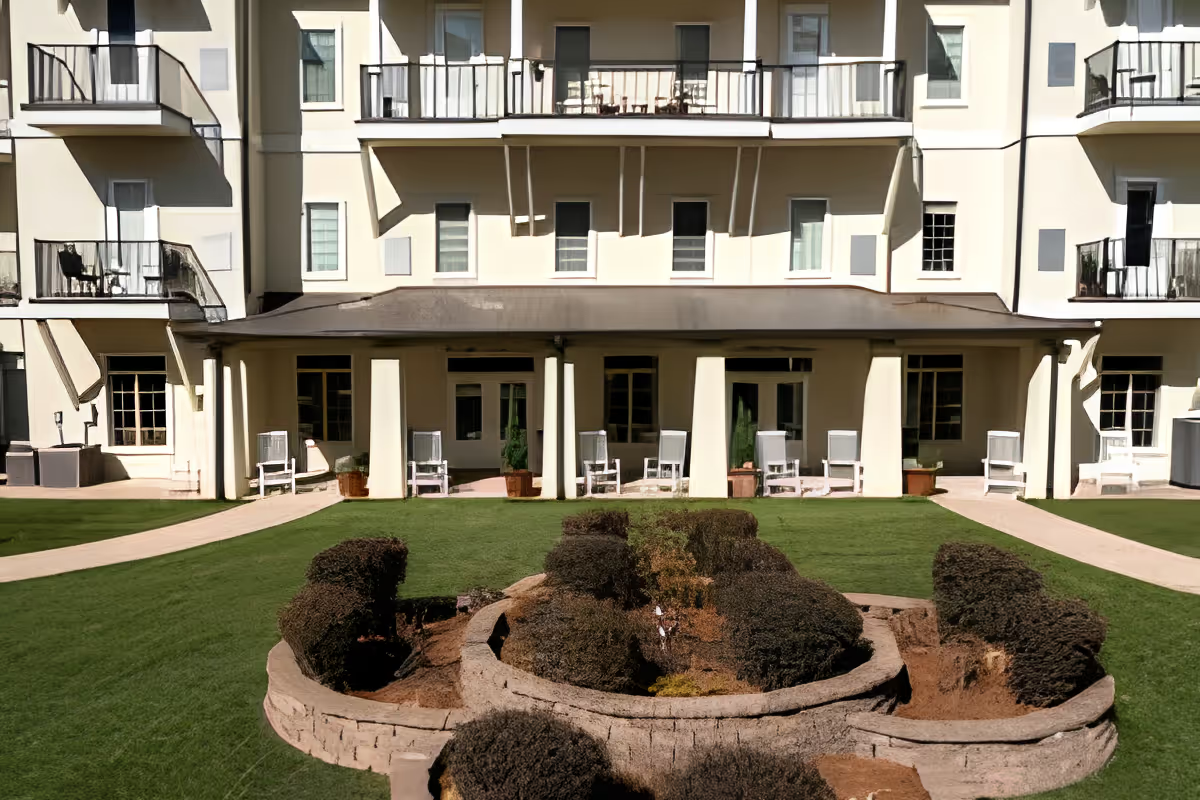
Ridgeland Place presents a mixed but instructive profile for prospective residents and families. Many reviewers praise the direct-care staff for being compassionate, attentive and personally engaged; those positives are repeatedly tied to residents’ comfort and family peace of mind. The community’s smaller, home-like scale, inviting common rooms, porches and outdoor courtyards contribute to a social atmosphere that many residents enjoy. Several reviewers highlighted particular staff strengths — notably activity leadership and certain nursing and therapy staff — which have produced an active calendar, individualized engagement, and consistent transportation to appointments and monthly outings.
Care quality shows meaningful strengths alongside operational variability. Families and residents frequently cite attentive aides and responsive interventions, while other accounts describe gaps in medication administration, inconsistent adherence to nursing protocols, and delays in attending to resident needs during understaffed shifts. Memory-care services are available and some families appreciated private-room options; however, layout issues in some shared memory-care configurations have produced practical conflicts (for example, bathroom access), and reviewers expressed concerns about staff training for crisis situations and dementia-specific behaviors.
Dining and activities are prominent positives but uneven in execution. The community provides three meals daily with varied menus, frequent social meals, themed events, and a broad activities program that includes outings, clubs, and therapies. The activities director is frequently singled out for creativity and communication. At the same time, reviewers reported inconsistent food quality and small portion sizes at times, and occasional menu items that did not meet expectations. When staffing is stretched, participation and individual attention for activity-involved residents can decline.
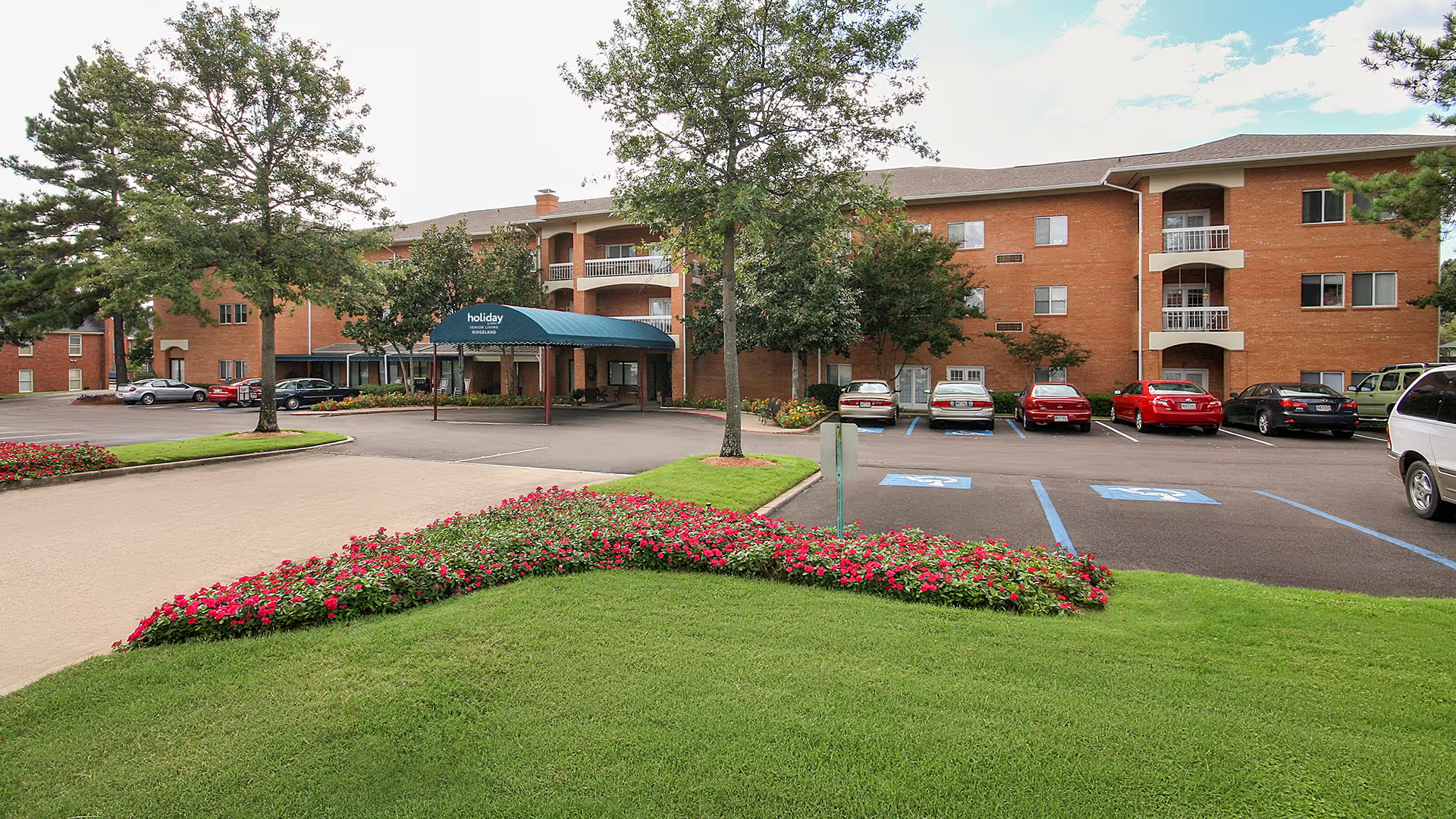
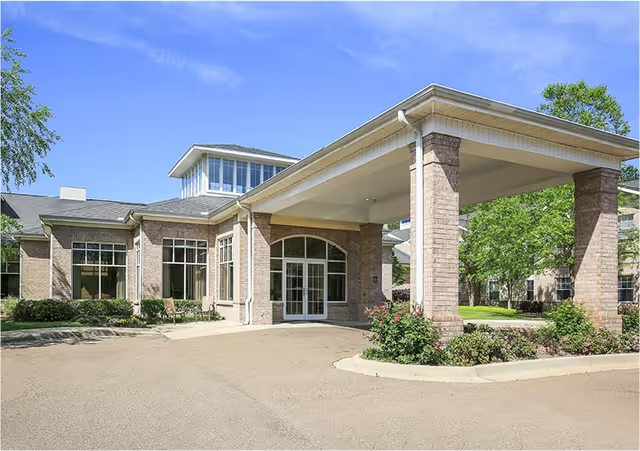
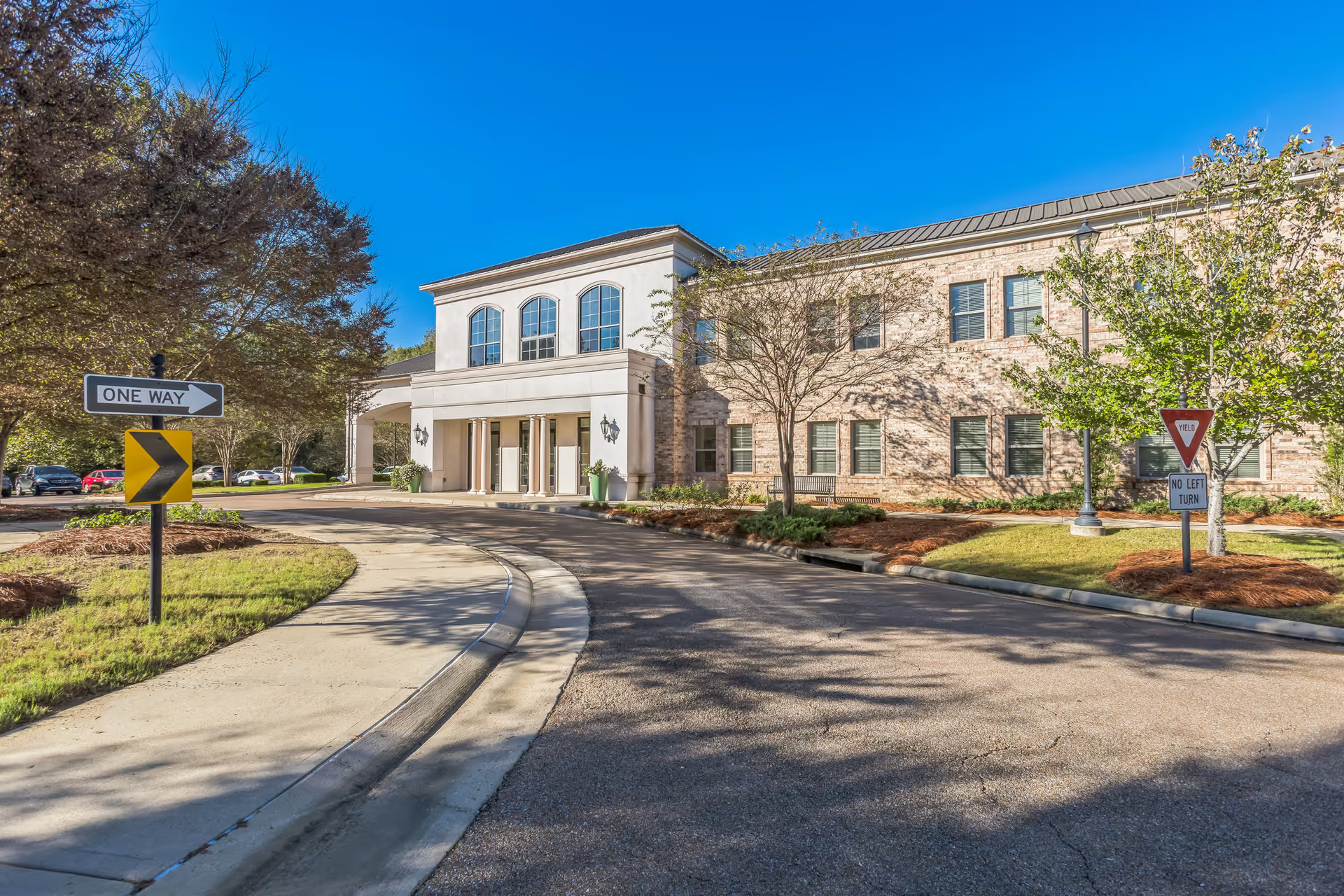
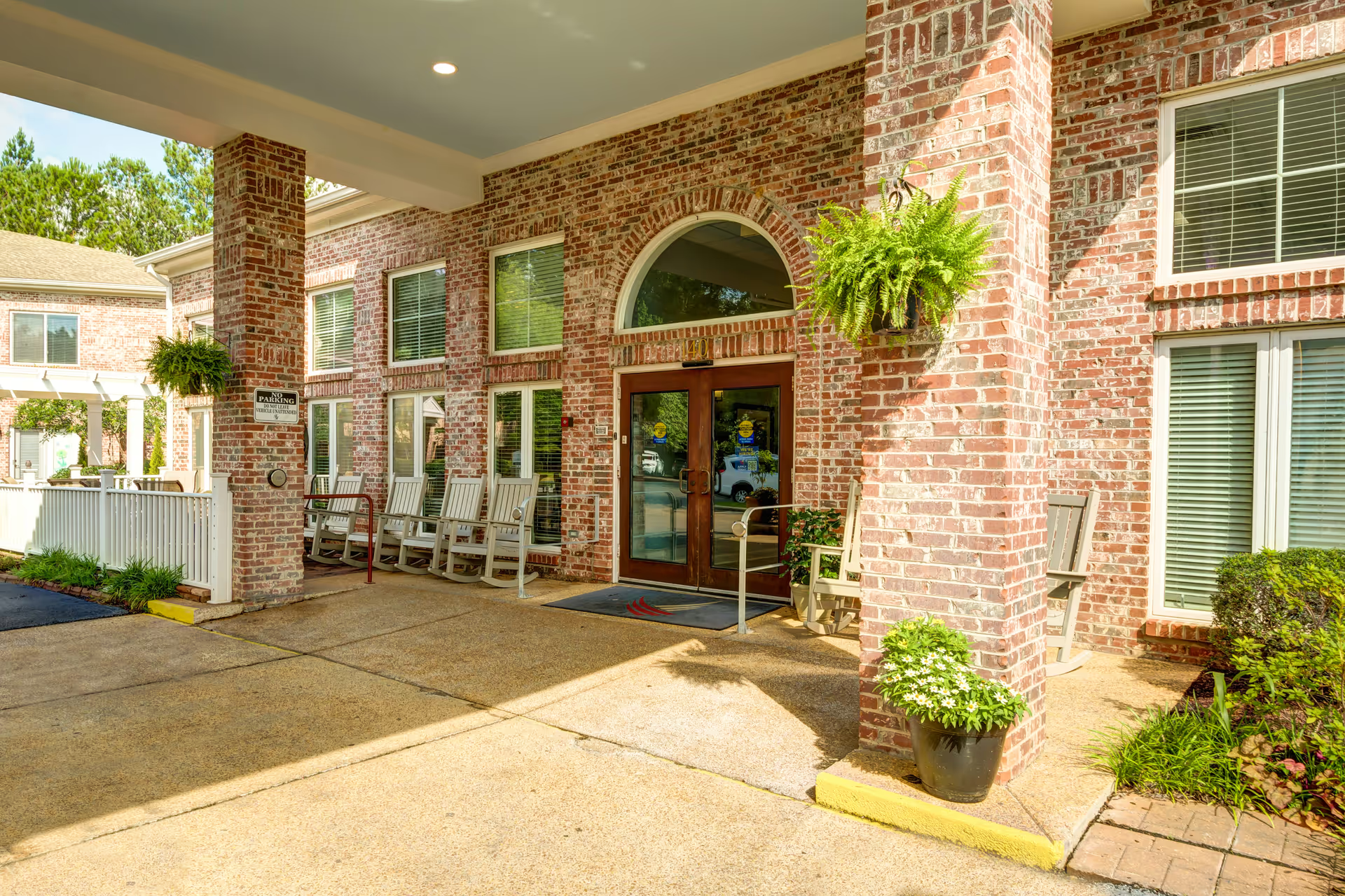
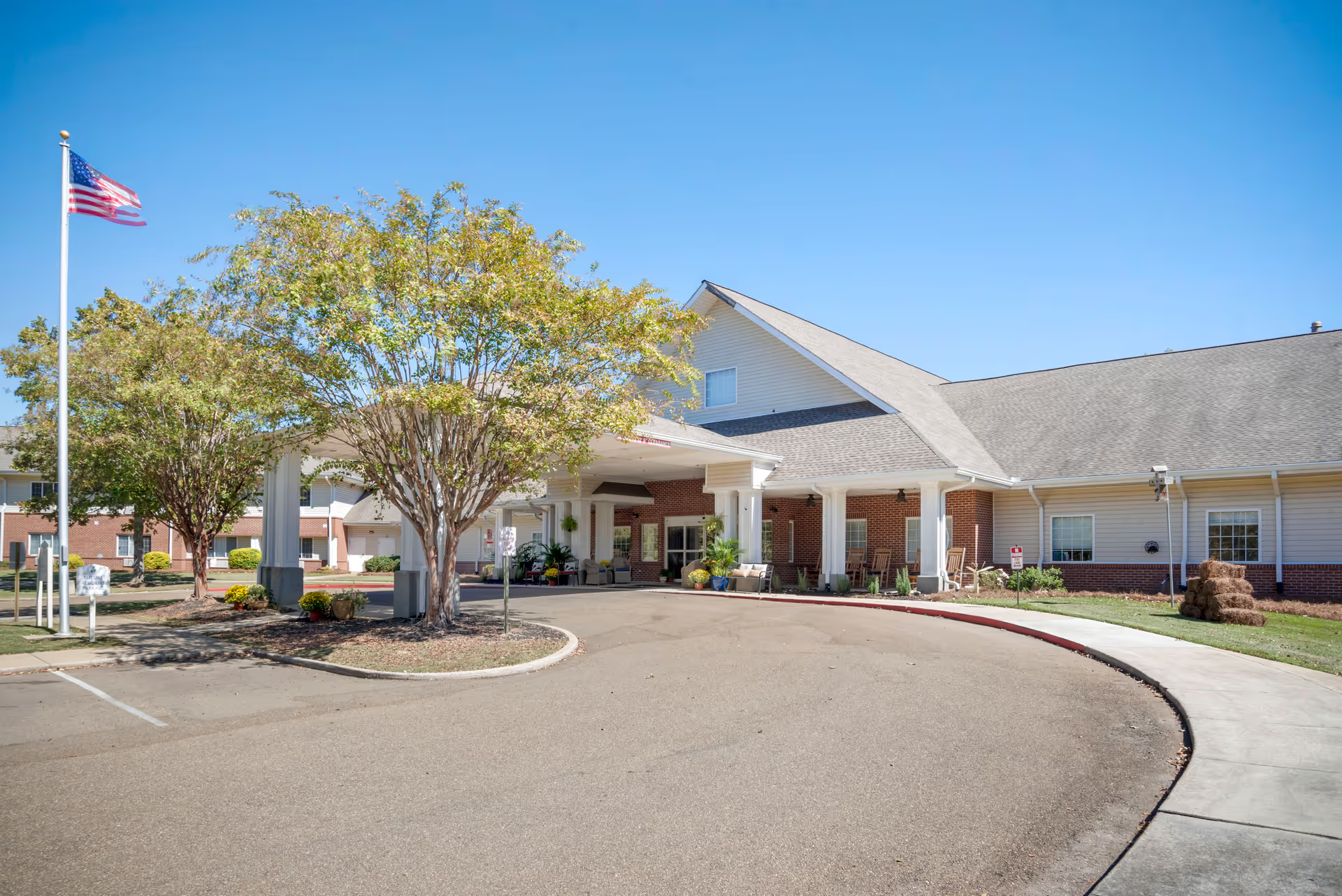
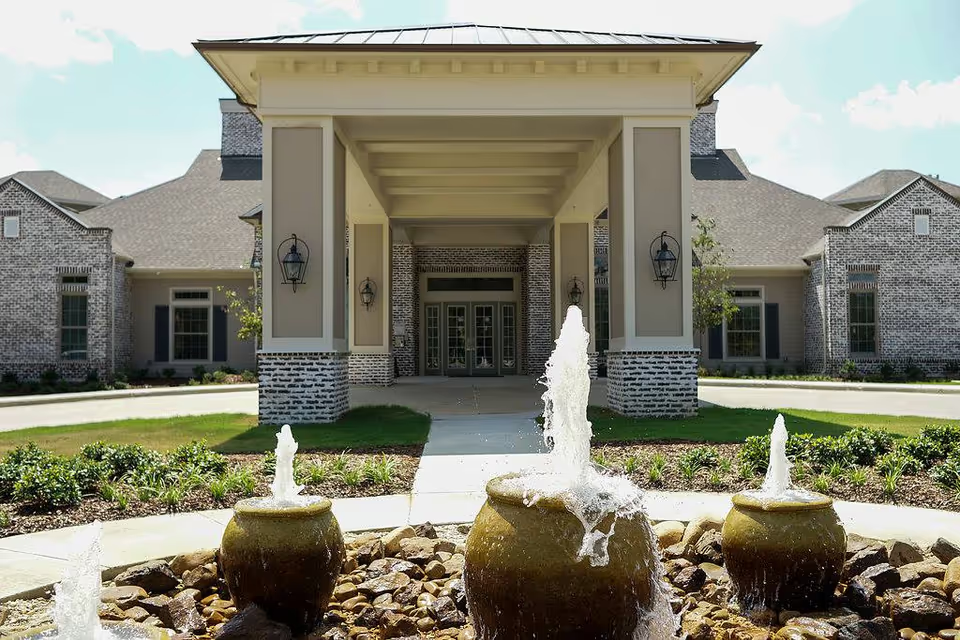
Facility condition and services are a mix of well-kept communal spaces and areas needing attention. Many reviewers described clean, pleasant common areas, a well-kept front entrance, and attractive courtyards. At the same time, aging infrastructure — small elevators, scuffed doors, and areas in need of renovation — was noted, along with intermittent maintenance follow-through. Housekeeping service is included for many residents, but accounts vary about consistency; sanitation and odor concerns in specific areas were reported and should be clarified during a tour. Security features such as pendants and secured memory-care entry exist, although there are also allegations of missing personal items that raise questions about property controls.
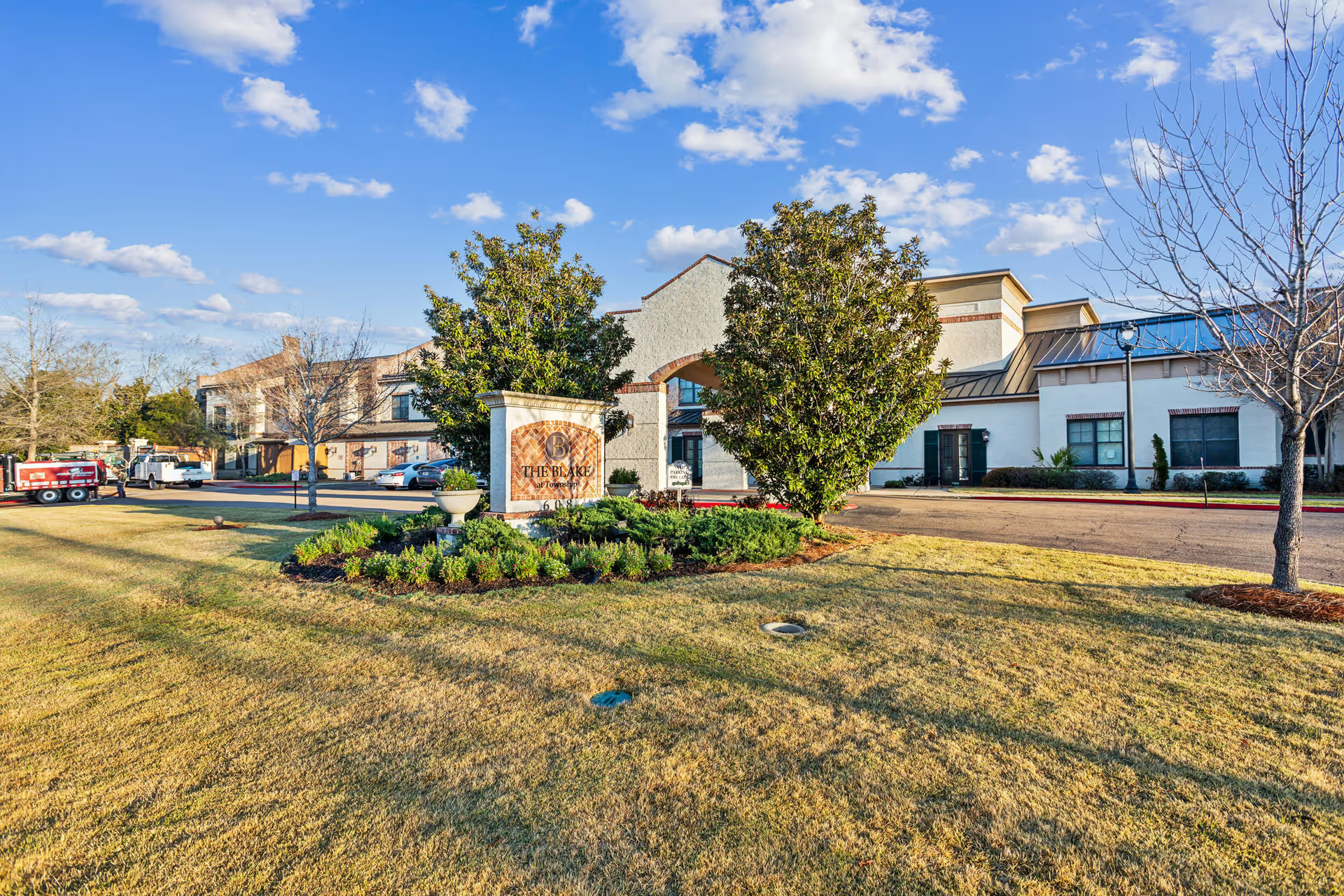
Management, administration, and communication emerge as key deciding factors. The community has experienced turnover in management and a transition in ownership/branding; several reviewers described visible improvements under new leadership, while others noted inconsistent billing practices, unexpected price increases, and gaps in family communication. Weekends, holidays and after-hours phone routing are recurring sources of concern. Prospective residents should ask for specifics about staffing ratios by shift, medication-administration protocols, incident-reporting processes, and the community’s policy on price adjustments and family notifications.
Overall, Ridgeland Place offers many of the features families seek — a social, activity-rich environment with caring direct-care staff and accessible amenities — but it also shows operational inconsistencies that matter for higher-acuity residents, particularly those with dementia or complex medication needs. A focused tour that includes meetings with nursing leadership, review of medication-safety procedures, inspection of memory-care room layouts, and clarification of billing and after-hours contact procedures will help families assess whether the facility’s strengths align with a prospective resident’s clinical and social needs.