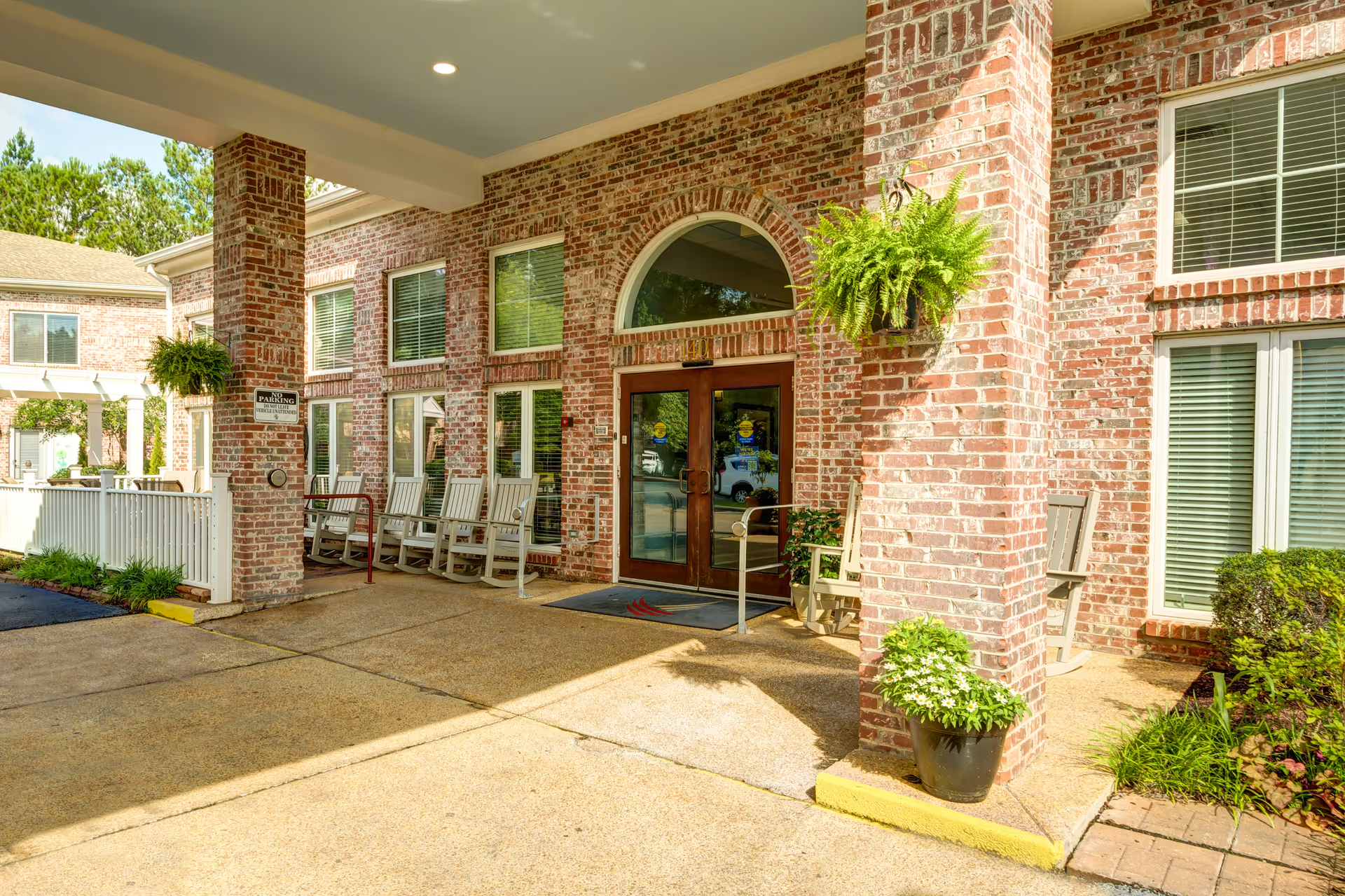
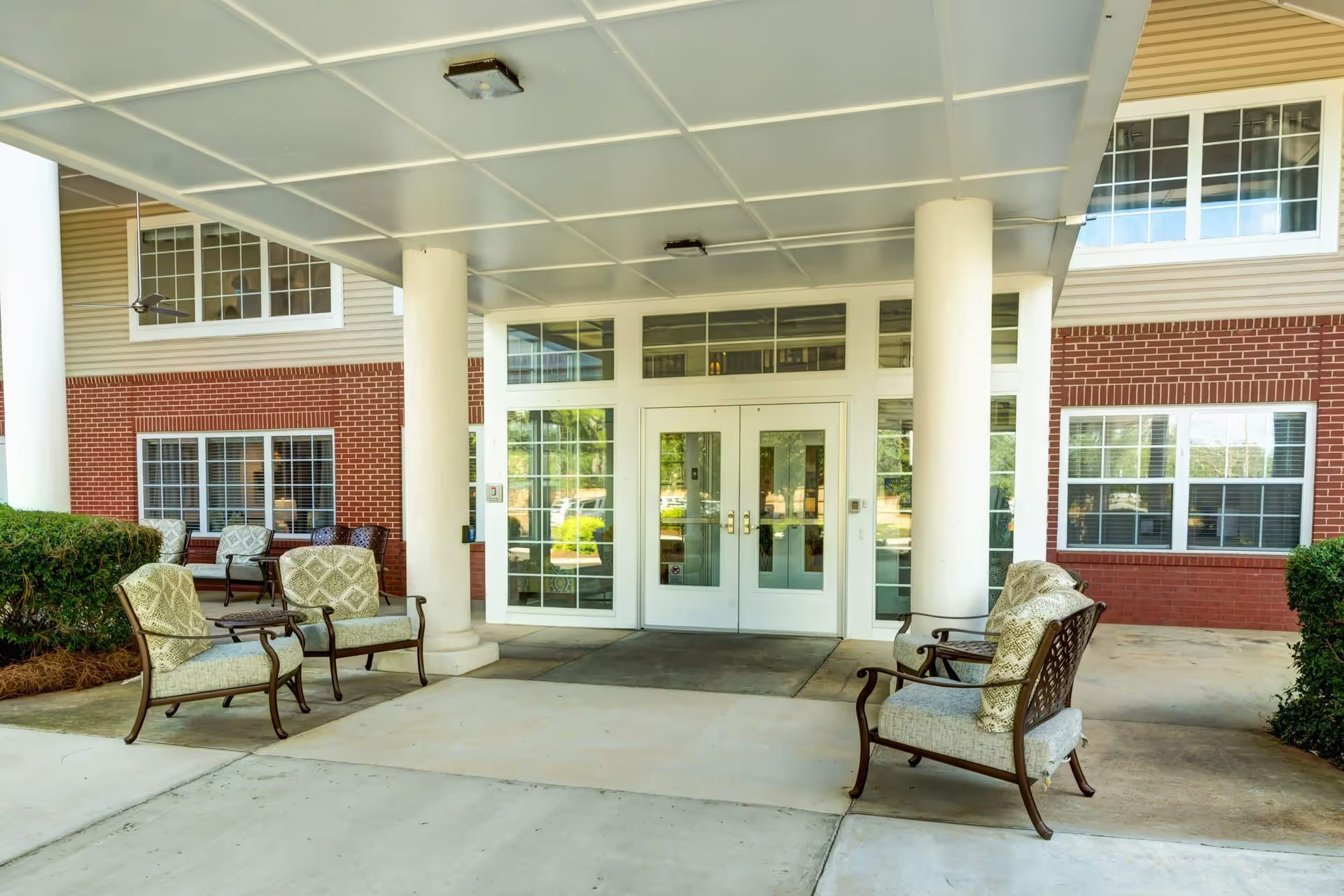
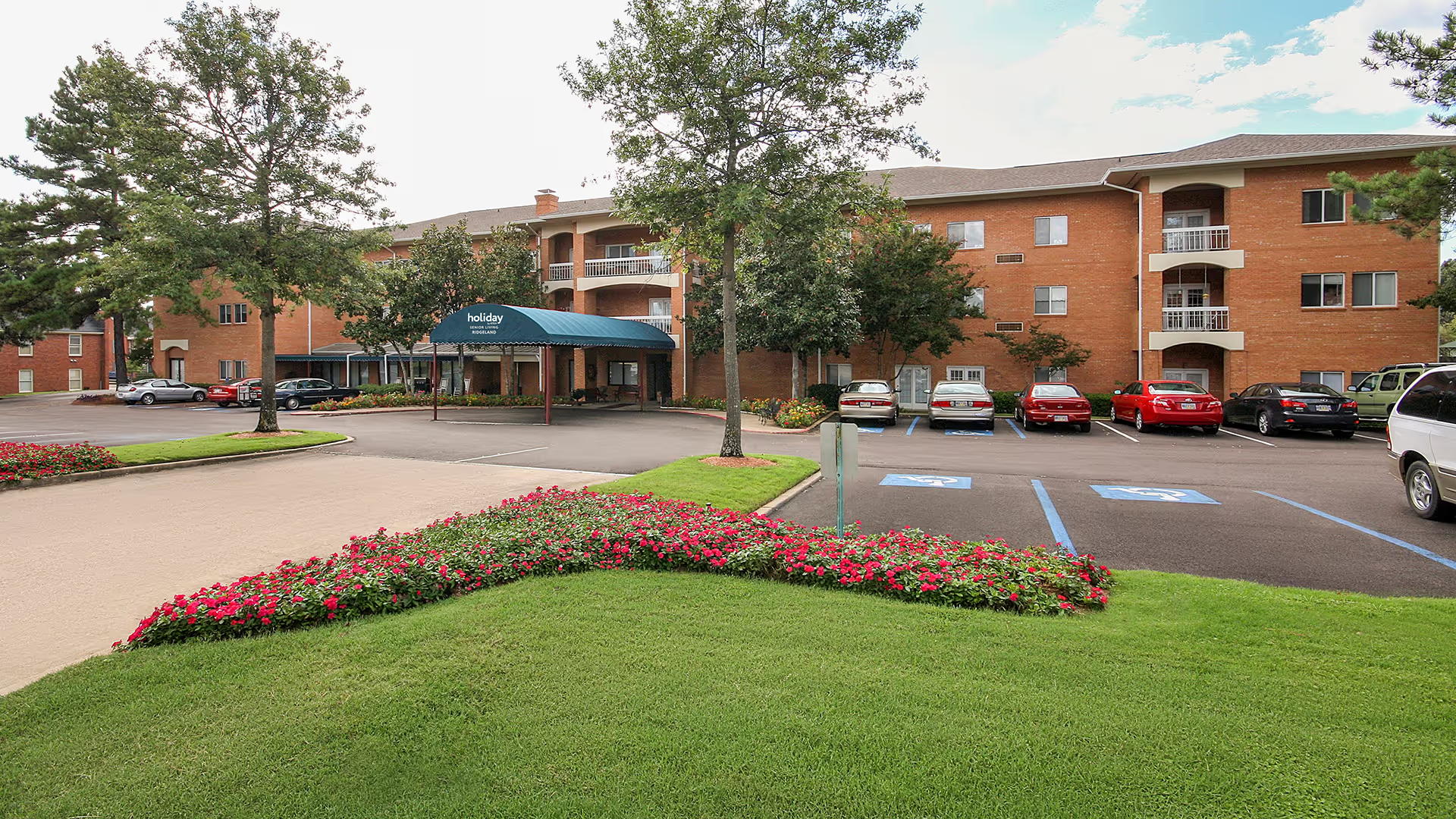
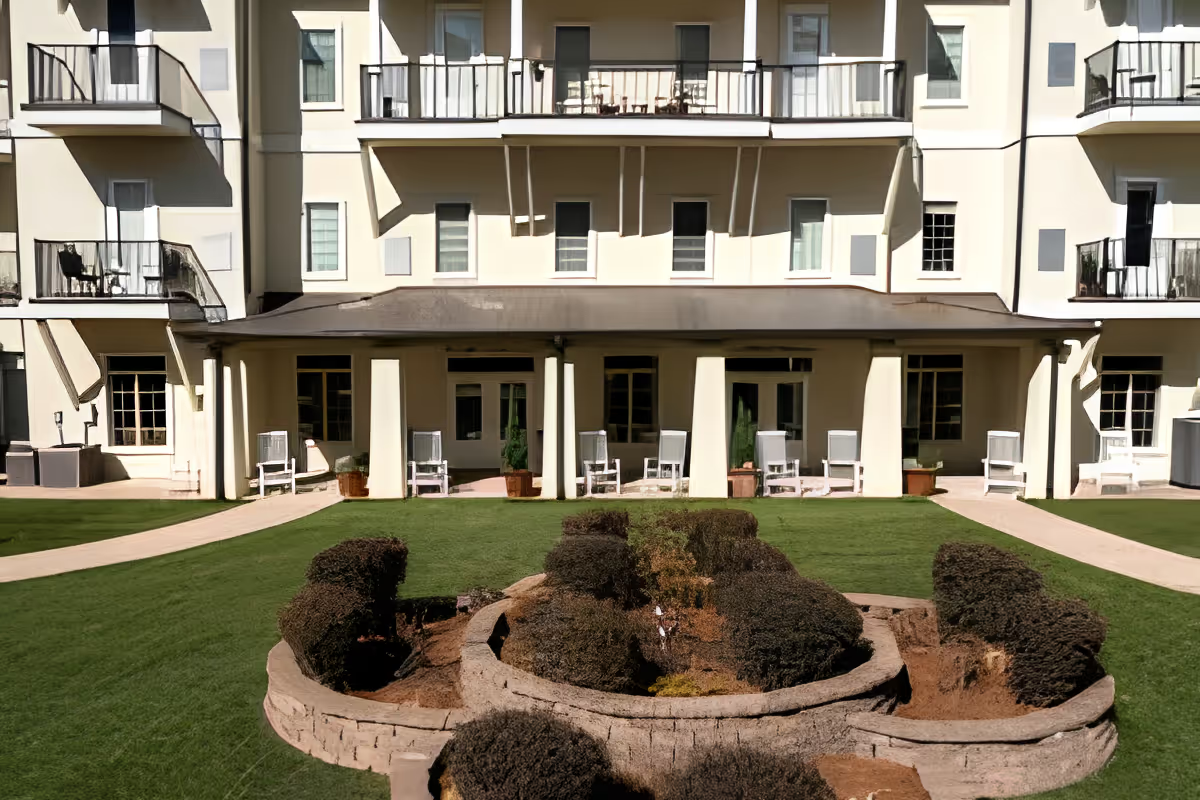
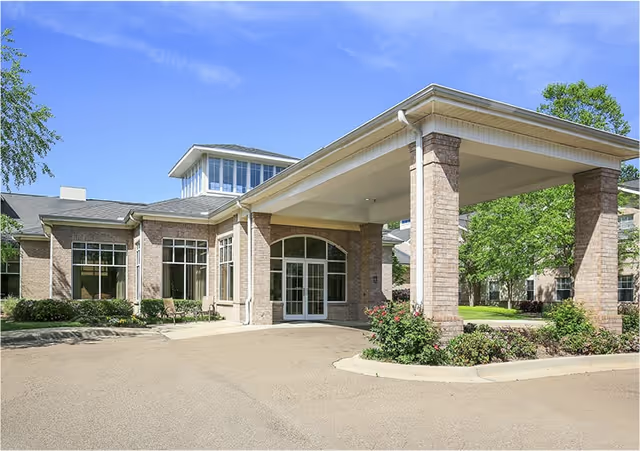
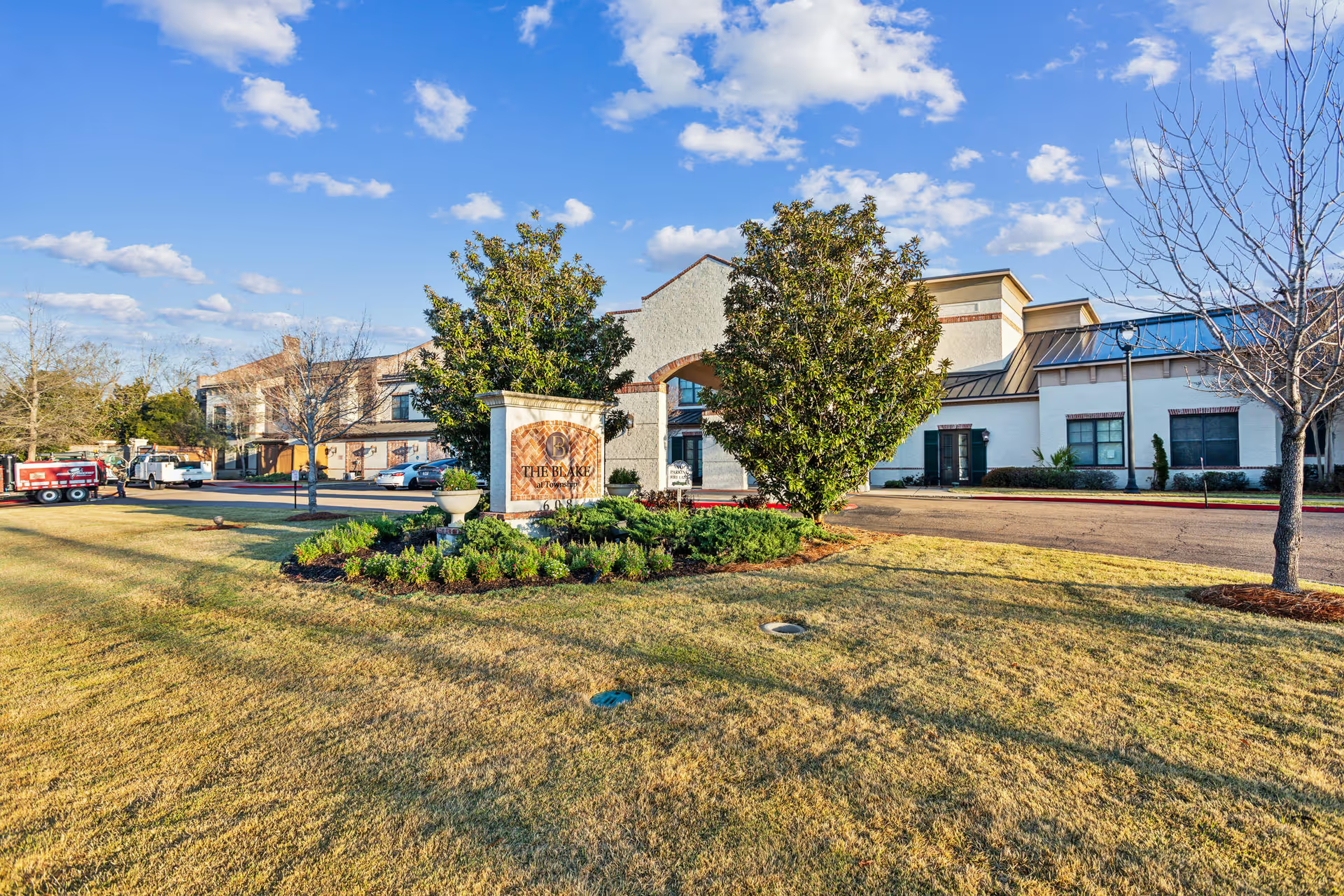
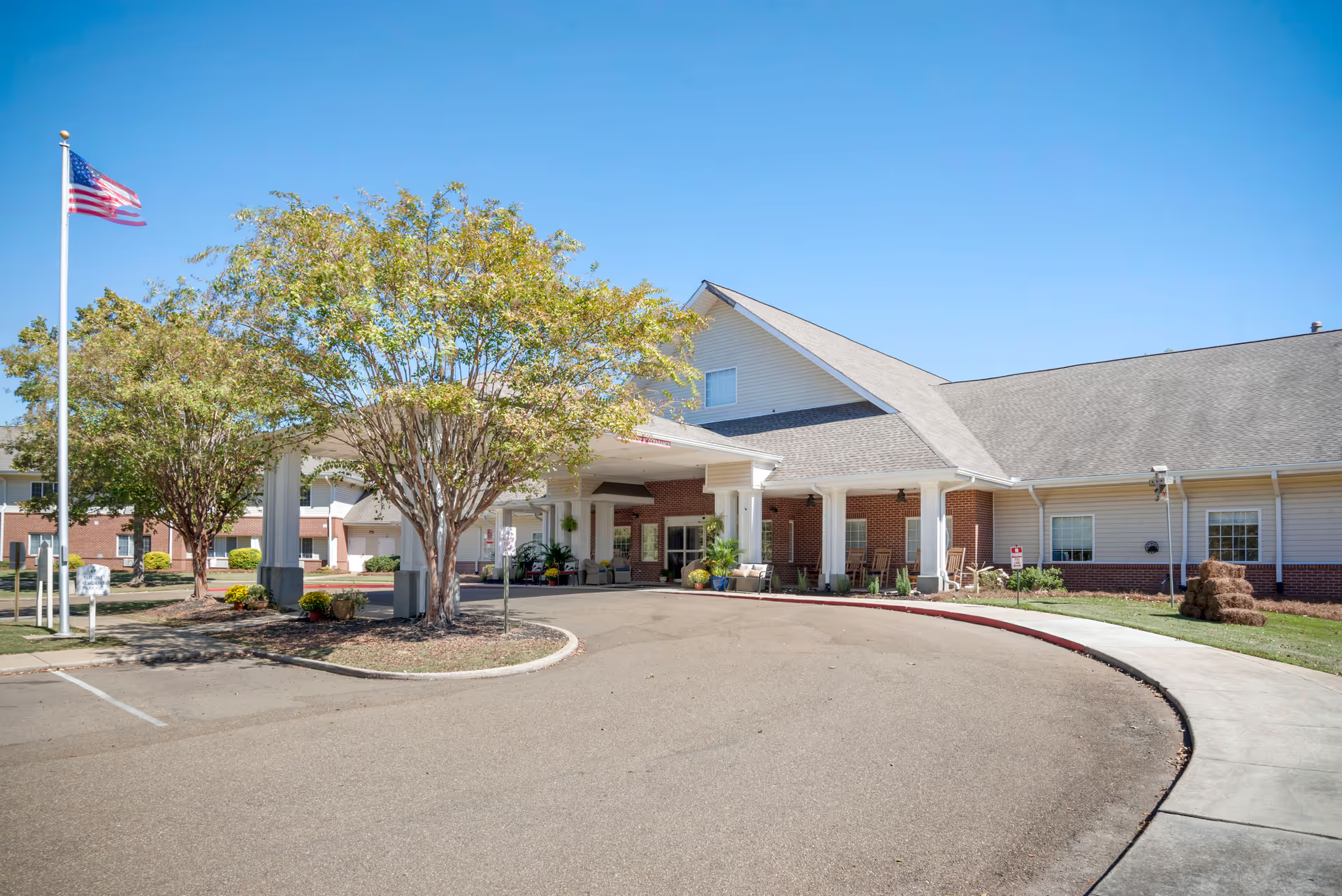
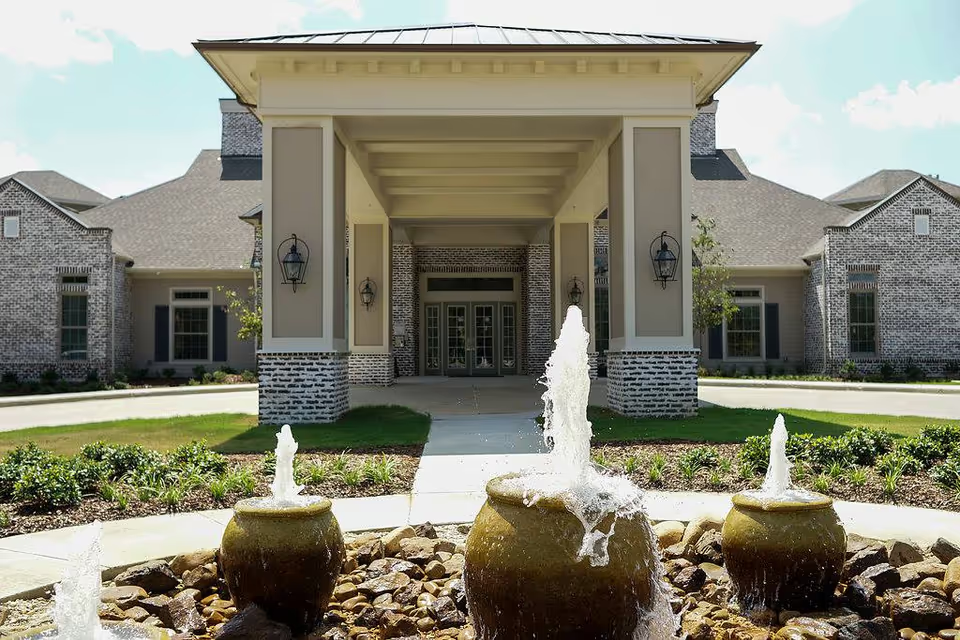
The reviews present a polarized picture of The Blake at Flowood: the community offers many features consistent with a newer, upscale senior living campus, but those positives coexist with recurring operational and care-delivery concerns. Physically, the building and grounds are frequently praised — modern architecture, large windows and bright common areas, attractive courtyards, and resort-style amenities (salon, fitness room, bistro-style dining, physical therapy). Private apartments and spacious communal areas contribute to a hotel-like atmosphere that many families and residents find appealing.
Direct caregiving and onsite services receive mixed evaluations. Numerous accounts describe staff who are warm, attentive, and willing to go beyond expectations; physical therapy, maintenance, and certain nursing personnel are singled out for strong, timely performance. At the same time, a persistent pattern emerges of high staff turnover and understaffing, which reviewers link to uneven care quality. Specific operational issues cited include delayed or missed assistance with activities of daily living, inconsistent medication scheduling, laundry and housekeeping lapses, and occasional sanitation concerns in resident rooms and common spaces. Memory-care care is another area of variability: some families praise safety and transition processes, whereas others raise concerns about inadequate supervision, limited programming, and wandering risks.
Communication and administrative responsiveness are notable pain points. Several families describe difficulties getting timely updates, inconsistent coordination with physicians and hospitals, and billing or admission policies that felt inflexible (including charges that continued during hospital stays). Reviewers also note defensive or slow management responses when concerns are raised, which can amplify family frustration. Conversely, specific employees and departments — maintenance, certain directors, and particular care staff — are repeatedly acknowledged for rapid problem resolution and strong family engagement.
Dining and activities reflect the same inconsistency seen elsewhere: the facility operates a varied menu and restaurant-style service that many enjoy, but meal quality and portioning are described as inconsistent at times. The activity program and social life are strengths for residents who engage, with regular offerings, outings, and social events cited as contributors to resident satisfaction. However, some reviewers felt activity programming in higher-acuity units was insufficient.
Overall, the pattern across reviews is one of a well-appointed community with many of the amenities and services expected at a higher price point, coupled with operational variability that affects day-to-day resident experience. Prospective residents and families should weigh the facility’s physical environment, specific staff strengths (ask about maintenance, therapy, and nursing leads), and activity offerings against reported patterns of turnover, communication gaps, and inconsistencies in housekeeping, medication administration, and memory-care supervision. When touring, consider targeted questions about staffing ratios by shift, memory-care programming and supervision practices, housekeeping schedules, medication management protocols, and written billing/proration policies to better understand how the facility’s operational realities align with its physical and programmatic strengths.