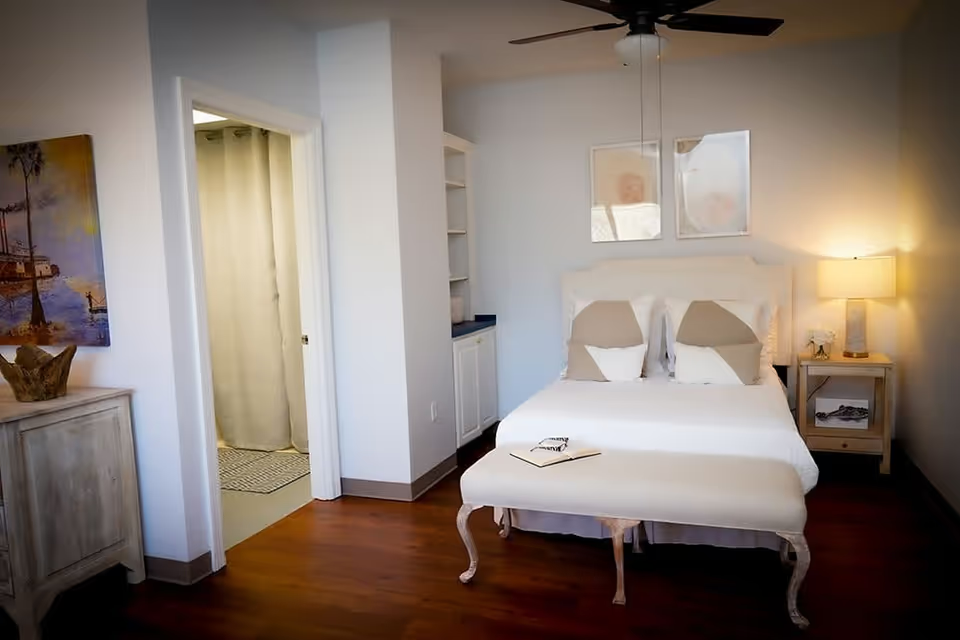
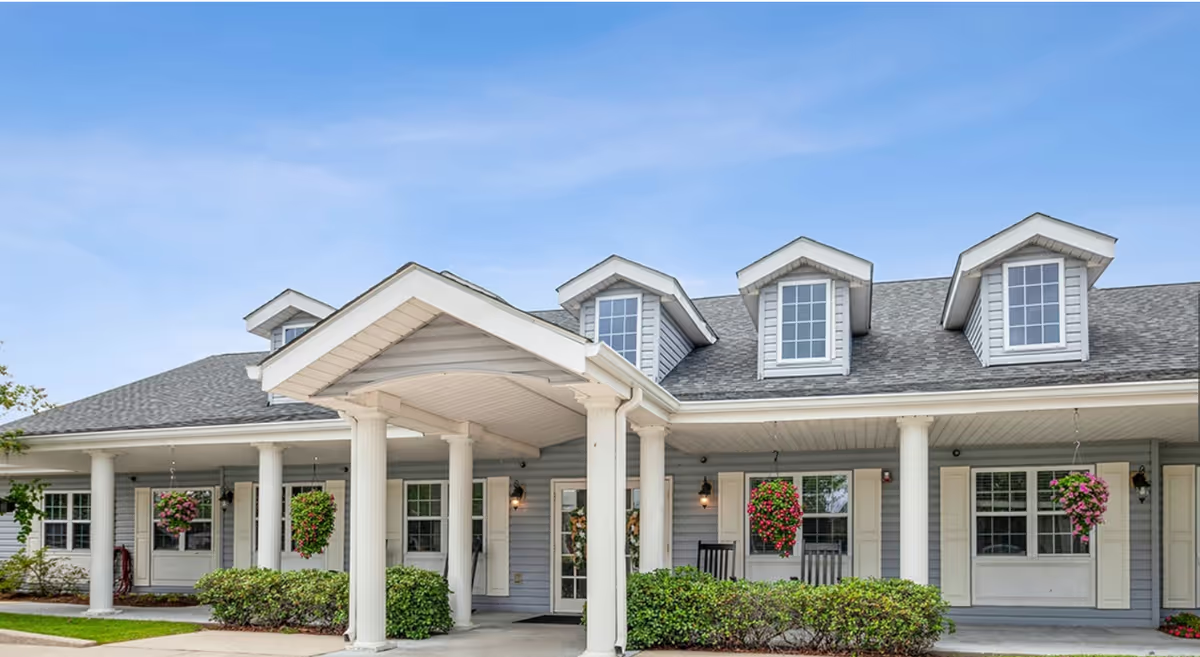
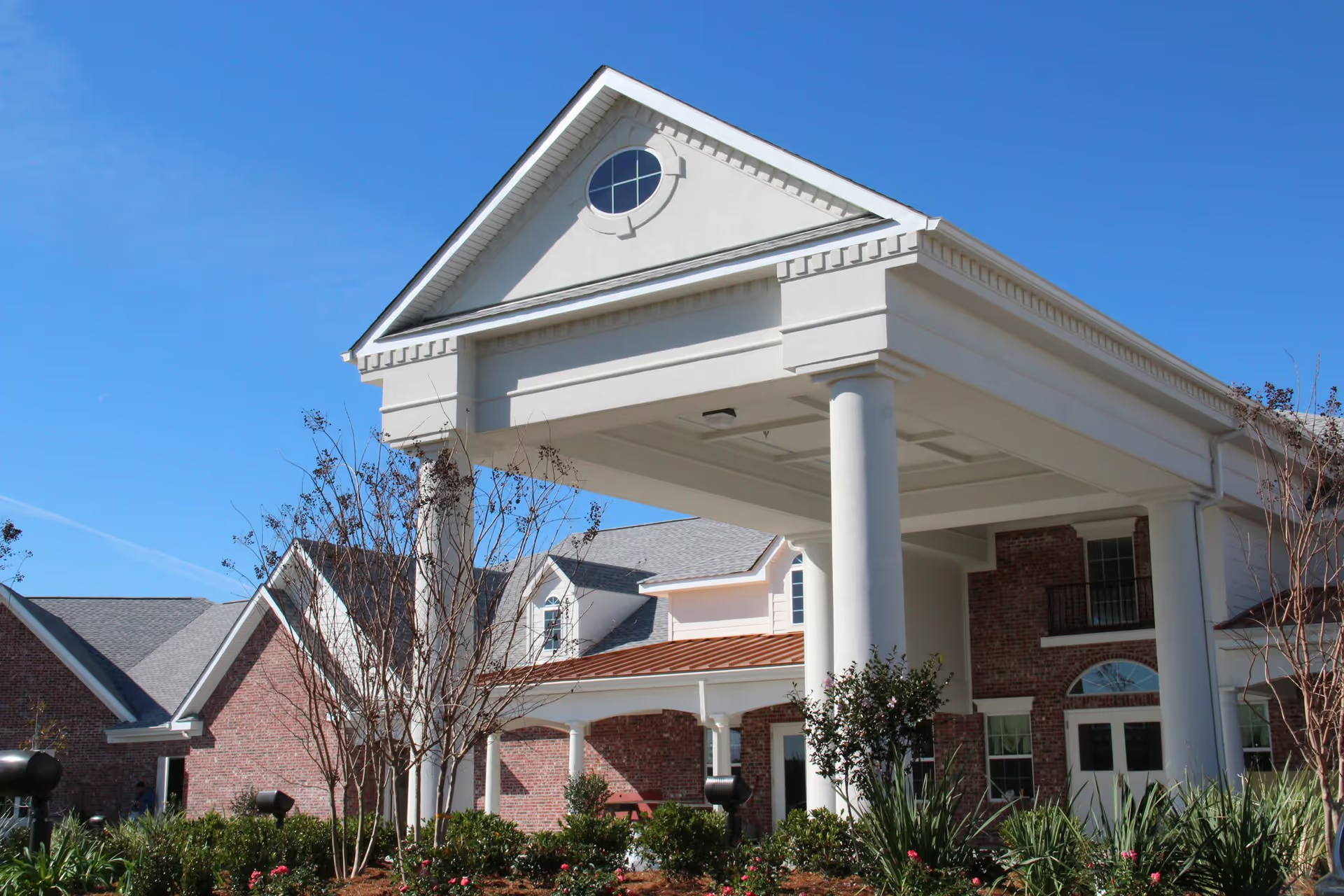
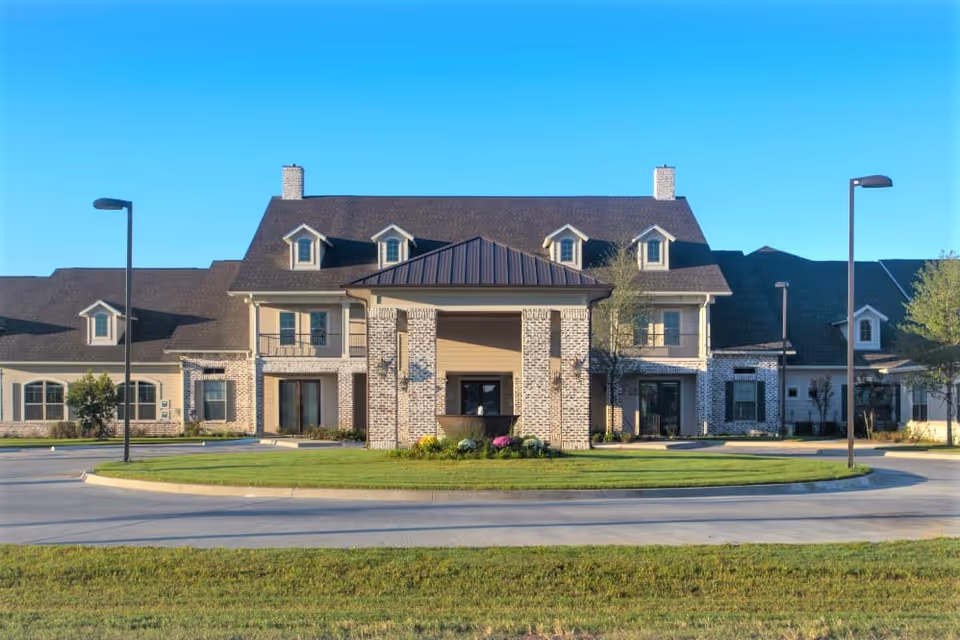
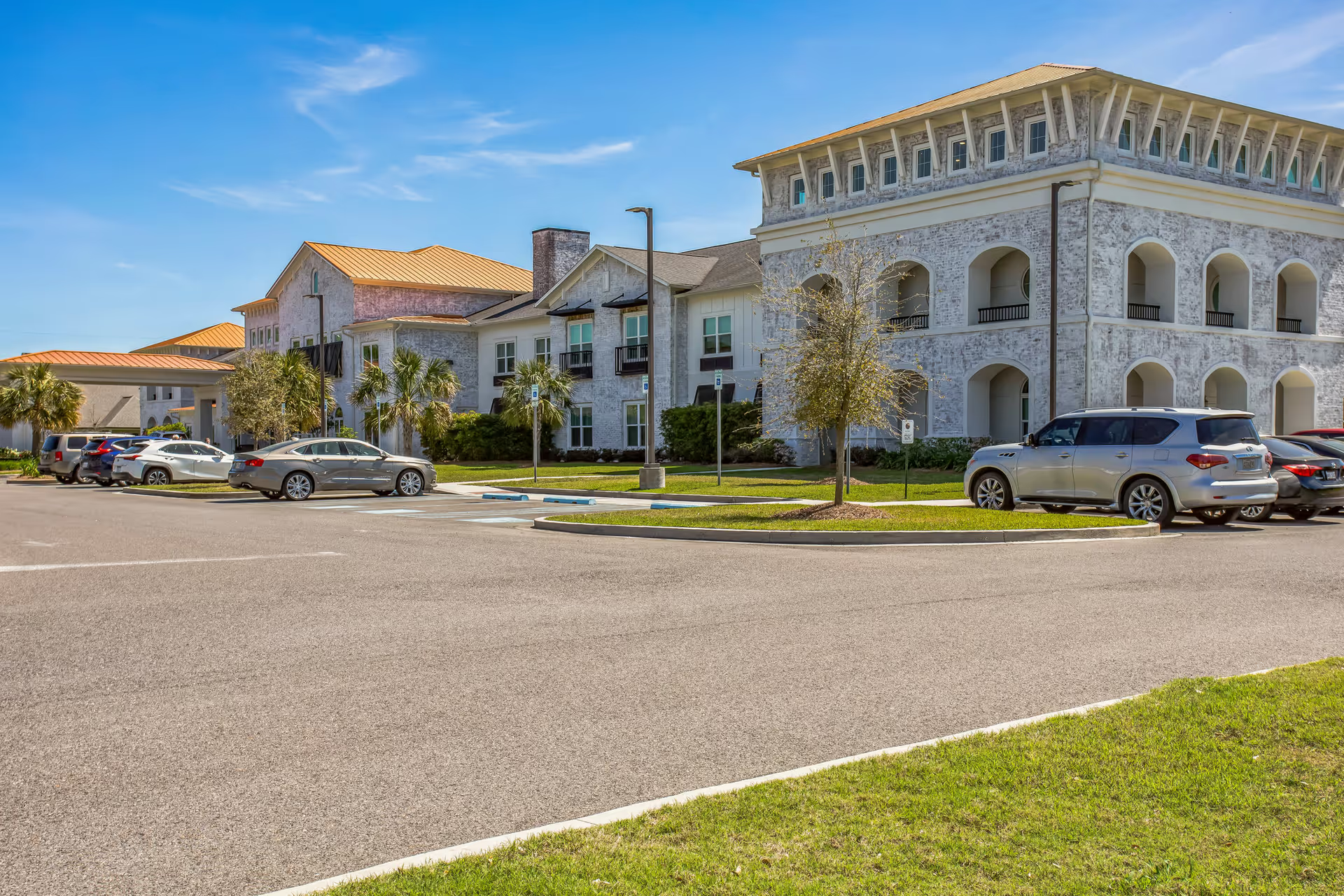
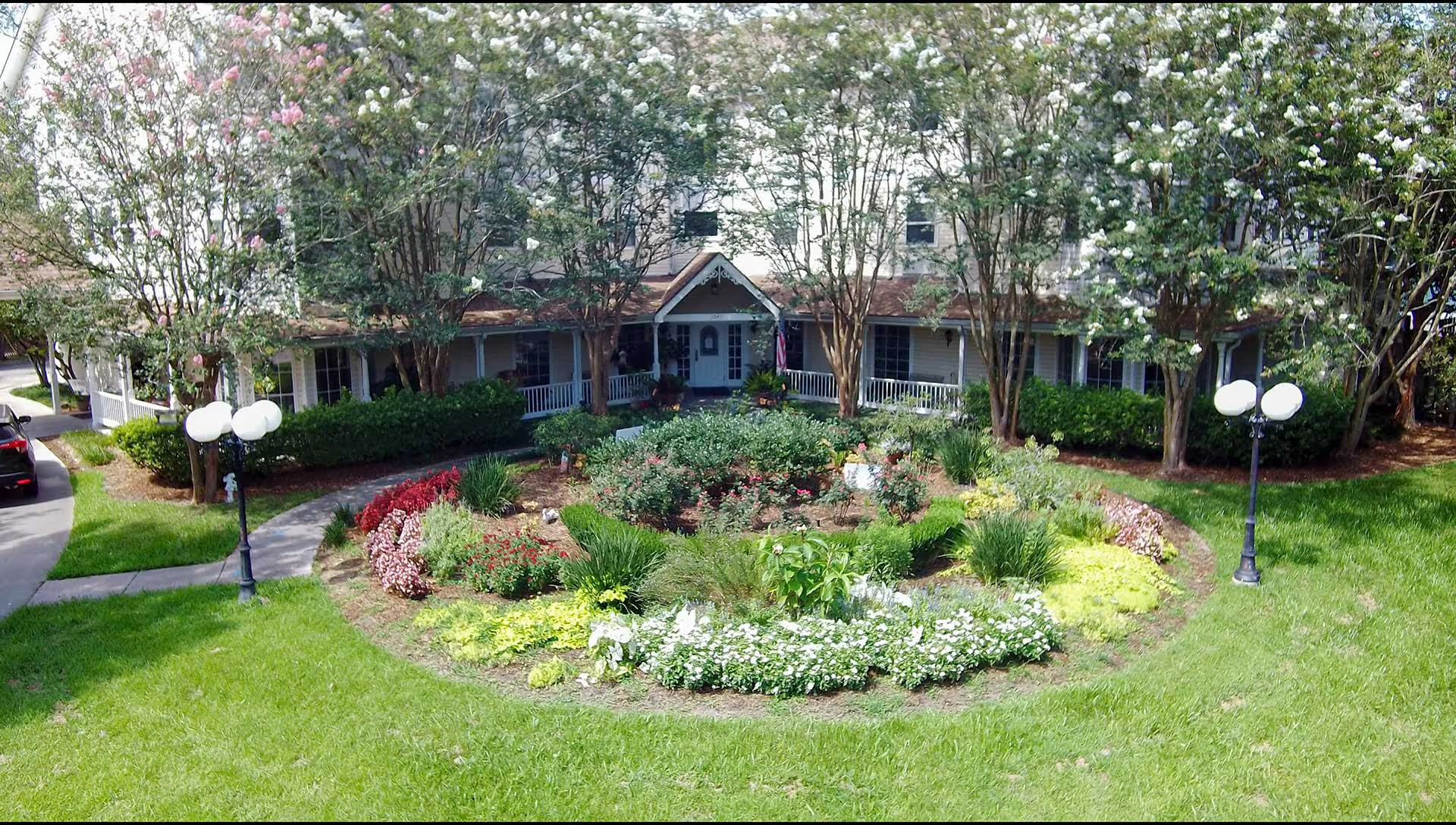
The Broadway Elder presents as a largely well-regarded skilled nursing and long-term care community. Many families describe a warm, welcoming culture created by courteous and personable staff, with consistent praise for the nursing team’s compassion and individualized attention. The facility’s physical environment is frequently characterized as modern, clean, and well-maintained; residents and visitors also note secure entry points, strong housekeeping, and an organized admissions process that makes transitions smoother.
Clinical care quality appears generally solid, with numerous comments about attentive nurses and staff who treat residents respectfully. At the same time, a pattern of operational gaps emerges: several families raised concerns about delays in attending to time-sensitive needs and about mealtime supervision. These concerns include instances where residents required assistance with eating or toileting and did not receive prompt support, which highlights a potential mismatch between resident needs and staff availability or task prioritization during peak service periods.
Dining and nutrition receive mixed feedback. Some reviews praise enjoyable meals, special holiday events, and volunteer involvement, while others describe inconsistent food quality and a desire for greater menu variety and culturally specific options prepared in a healthier manner. There are also comments around how meals are prepared or presented for residents with swallowing or chewing needs; prospective residents with specific dietary or texture requirements should confirm how those accommodations are managed.
Activities and social programming are frequently mentioned as strengths: the community offers scheduled entertainment, volunteer-driven events, and a generally positive atmosphere that helps residents engage and feel comfortable. Housekeeping and common-area cleanliness are commonly commended, though a minority of observations point to occasional lapses in room-level cleanliness that management may need to monitor.
Management and communication trends are mixed. Staff are described as professional and welcoming, but there are occasional gaps in resident recognition and handoff awareness that can affect response times and family confidence. The pattern suggests strong interpersonal care but intermittent operational inconsistencies—particularly around staffing/prioritization during busy periods, mealtime assistance, toileting response, and individualized meal accommodations.
For families considering The Broadway Elder, the community’s strengths include compassionate staff, a clean and secure facility, robust activity programming, and generally skilled nursing. It would be prudent to discuss specific care needs at intake: confirm mealtime assistance protocols and schedules, how dietary preferences and texture modifications are handled, toileting support and continence-care procedures, and staffing levels during peak care times. Those conversations will help align expectations with the facility’s operational practices and ensure the best fit for a prospective resident’s needs.