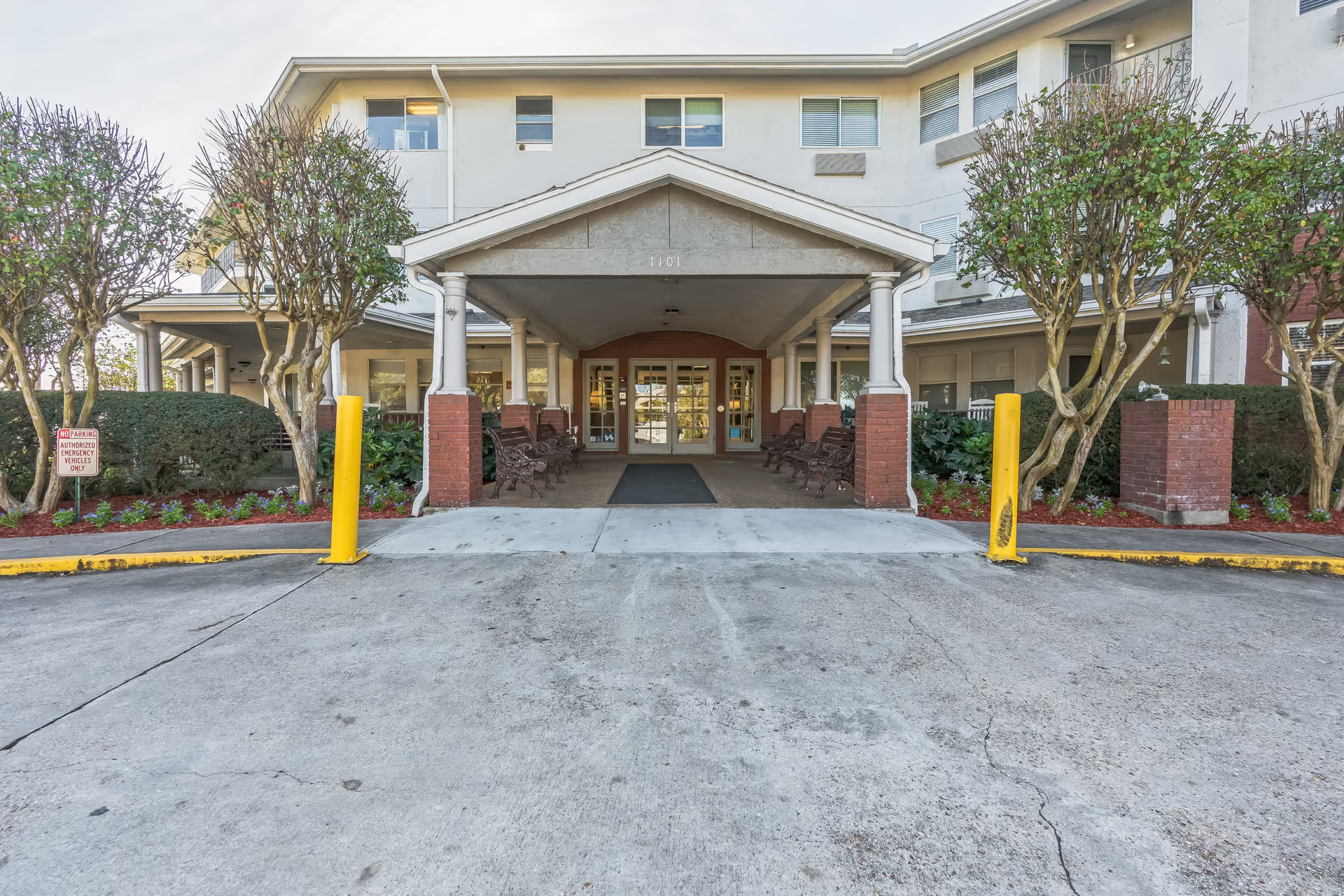
Lafreniere Assisted Living Center presents a mixed picture with clear strengths in resident-facing services but recurring organizational and facility-level weaknesses. Positive themes include a generally warm caregiving staff, an active activities program, and apartment-style accommodations that many families find comfortable and affordable. Common amenities cited are an airy atrium and sunlit dining area, on-site laundry and salon services, accessible two-story circulation with an elevator, and transportation and outings that support social engagement. A memory-care option and a 30-day trial-stay are additional practical features for prospective families.
Care quality is described inconsistently. Numerous accounts praise the compassion and attentiveness of CNAs and PCAs and note good food and prompt responsiveness in many day-to-day situations. However, several reviewers raised concerns about limited clinical oversight, intermittent nurse coverage, and specific problems with medication and respiratory-device (CPAP) management. These concerns translate into variability in the level of assistance available to residents who require higher-acuity or around-the-clock clinical support. Prospective residents who need dependable clinical supervision should verify current nurse staffing levels and clinical protocols before committing.
Staffing and culture show a dual pattern: many families describe friendly, engaged front-line staff and activities personnel, while others report inconsistent caregiver availability, receptionist and front-desk shortcomings, and occasional unprofessional conduct. Turnover and perceived gaps in training or supervision are recurring themes. Administration elicits polarized impressions as well—some reviewers commend a hands-on director who coordinates care and supports move-ins, while others raise concerns about leadership, slow follow-through, and problematic bookkeeping or billing practices. There are also isolated but serious allegations concerning theft and financial irregularities that prospective families should investigate through facility management and regulatory records.
Dining and activities are frequently cited positives, with outings, bingo, exercise classes, and social events contributing to a lively community for many residents. Food quality is reported as very good by many families, though others note menu repetition (particularly predictable weekly/sunday options) and variable meal quality. Activity offerings appear robust overall, but delivery can be inconsistent depending on staffing and unit.
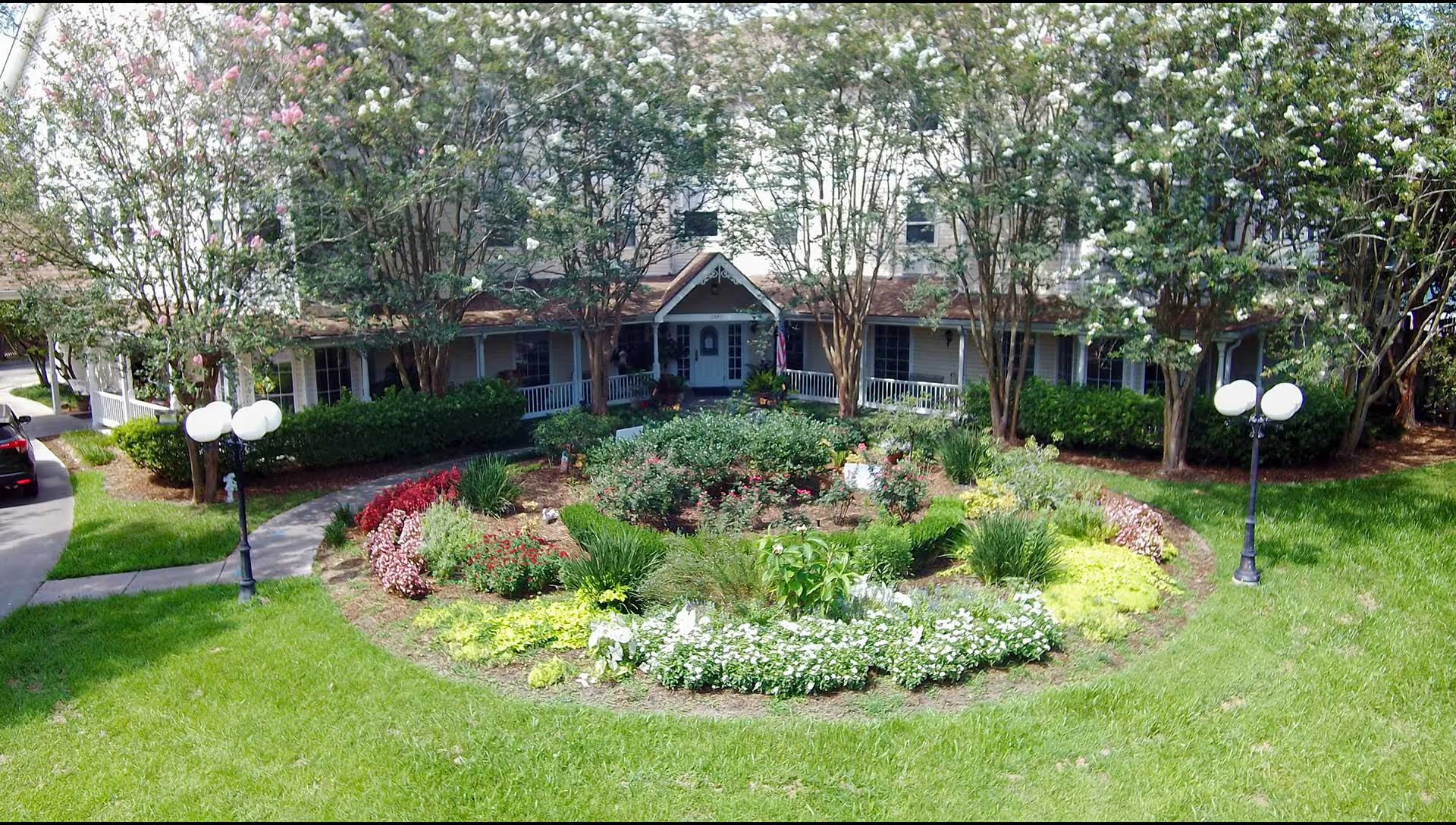
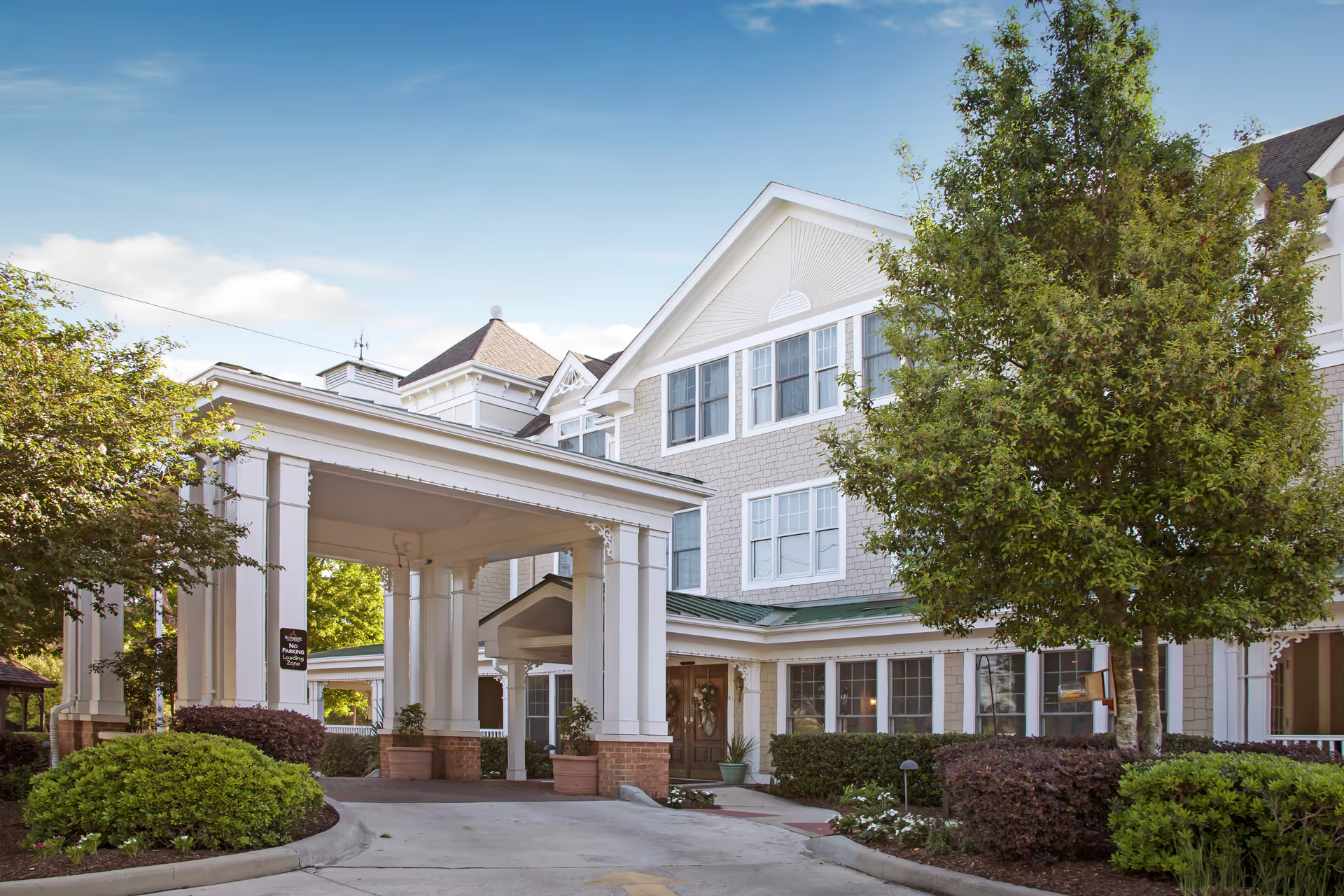
The facility itself offers practical apartment-style living—kitchenettes, living rooms, large closets, and a pleasant atrium—but is described as an older building with deferred maintenance in places. Specific operational weaknesses include slow response to maintenance requests, weekend availability gaps, lawn and exterior upkeep issues, and pest-control and odor concerns in some common areas. Emergency preparedness is another uneven area: some families reported a functional generator and smooth evacuation coordination, while others described evacuations and backup-power shortcomings during severe weather. Confirming the facility's current emergency plan and backup-power capabilities is advisable.
Notable patterns: reviews are polarized, with many strong endorsements focused on staff warmth, activities, and affordability, and a separate cluster of serious operational complaints around clinical coverage, administration, sanitation, and emergency readiness. For families considering Lafreniere, recommended next steps are to tour during a meal and an activities period, review current staffing and clinical-coverage schedules, ask for written billing and refund policies, inquire about pest-control and maintenance logs, and confirm the facility's emergency-power plan and memory-care staffing ratios. These targeted checks will help determine whether the facility's strengths align with an individual resident's clinical and safety needs.