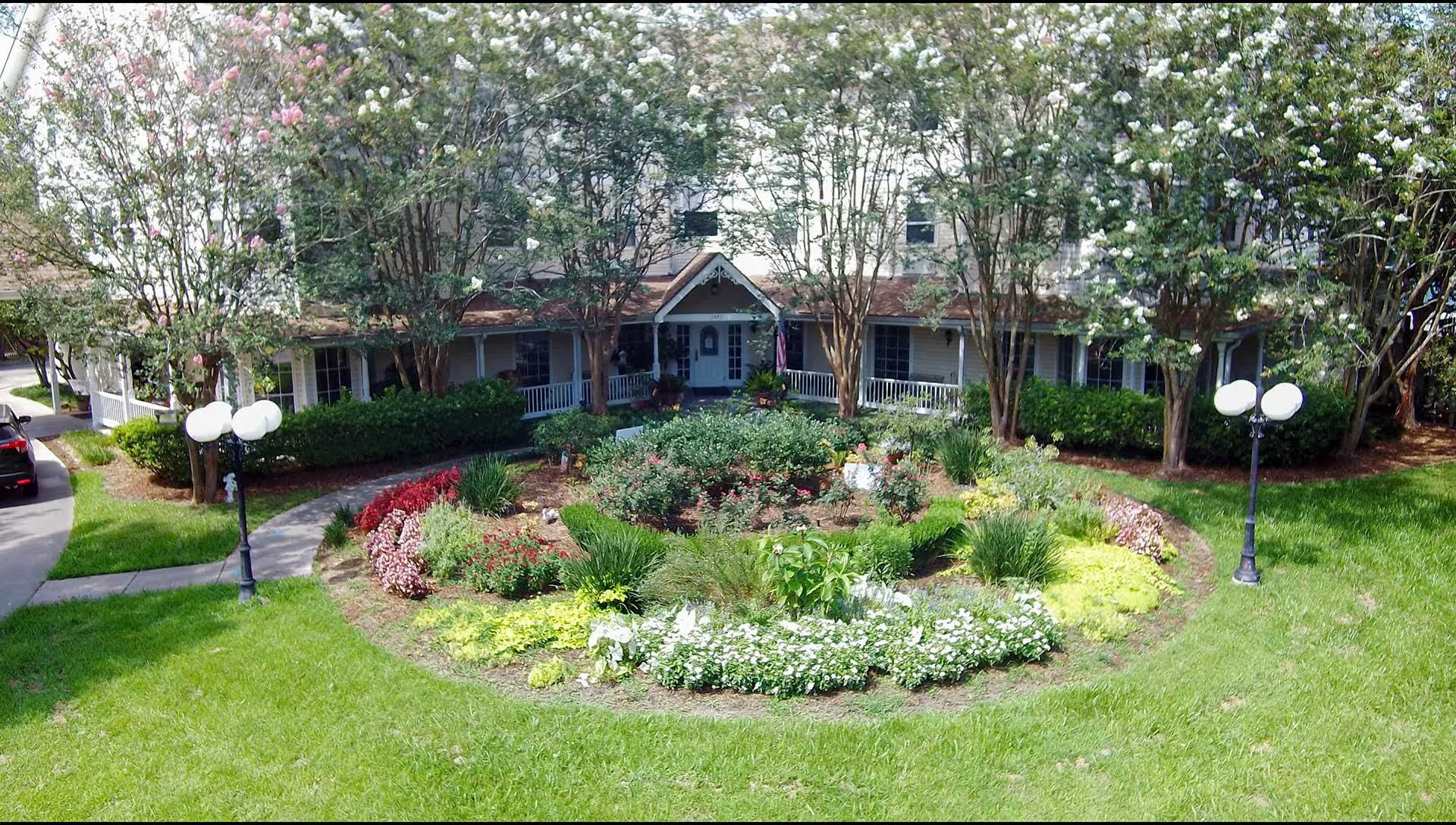
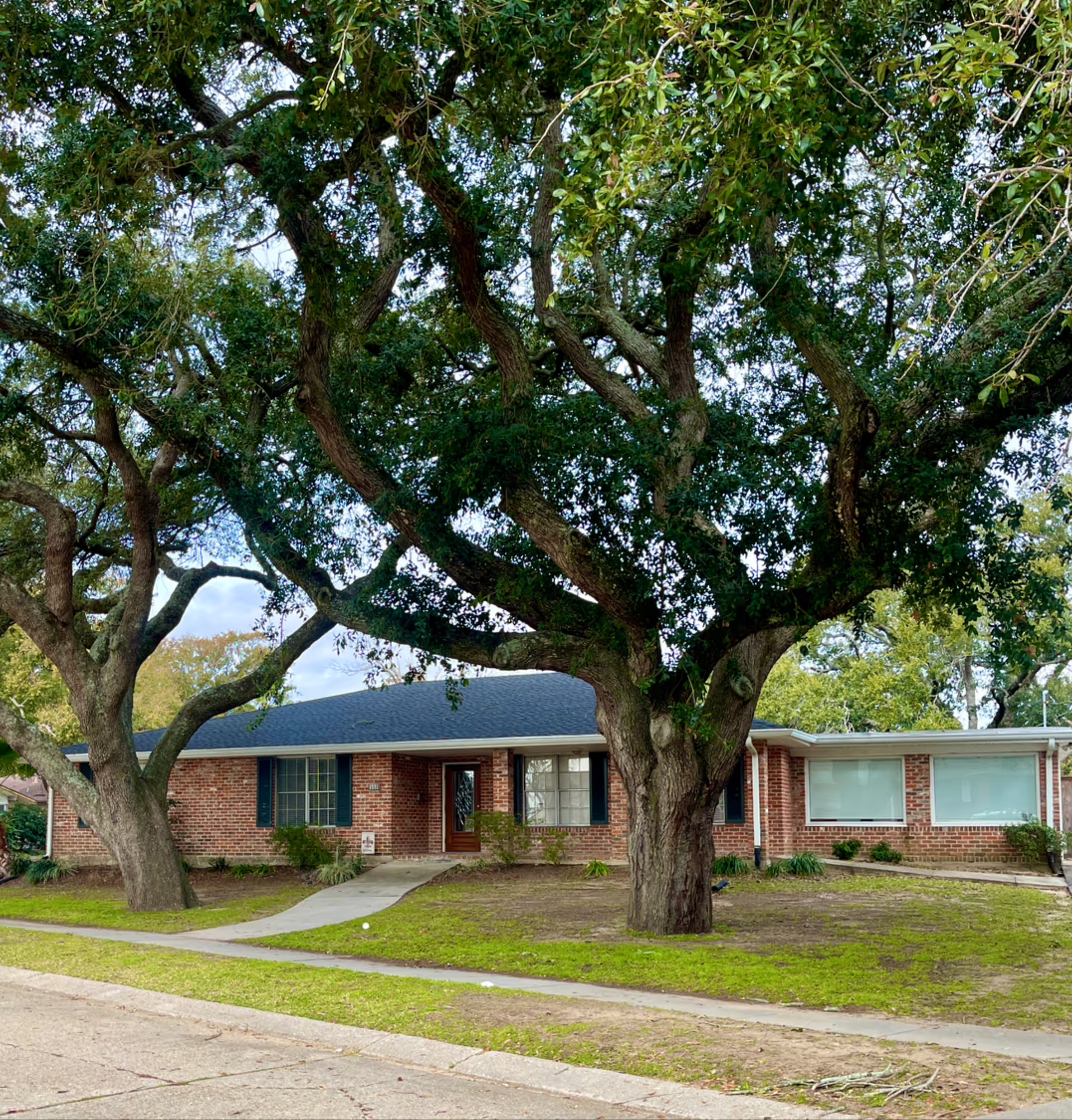
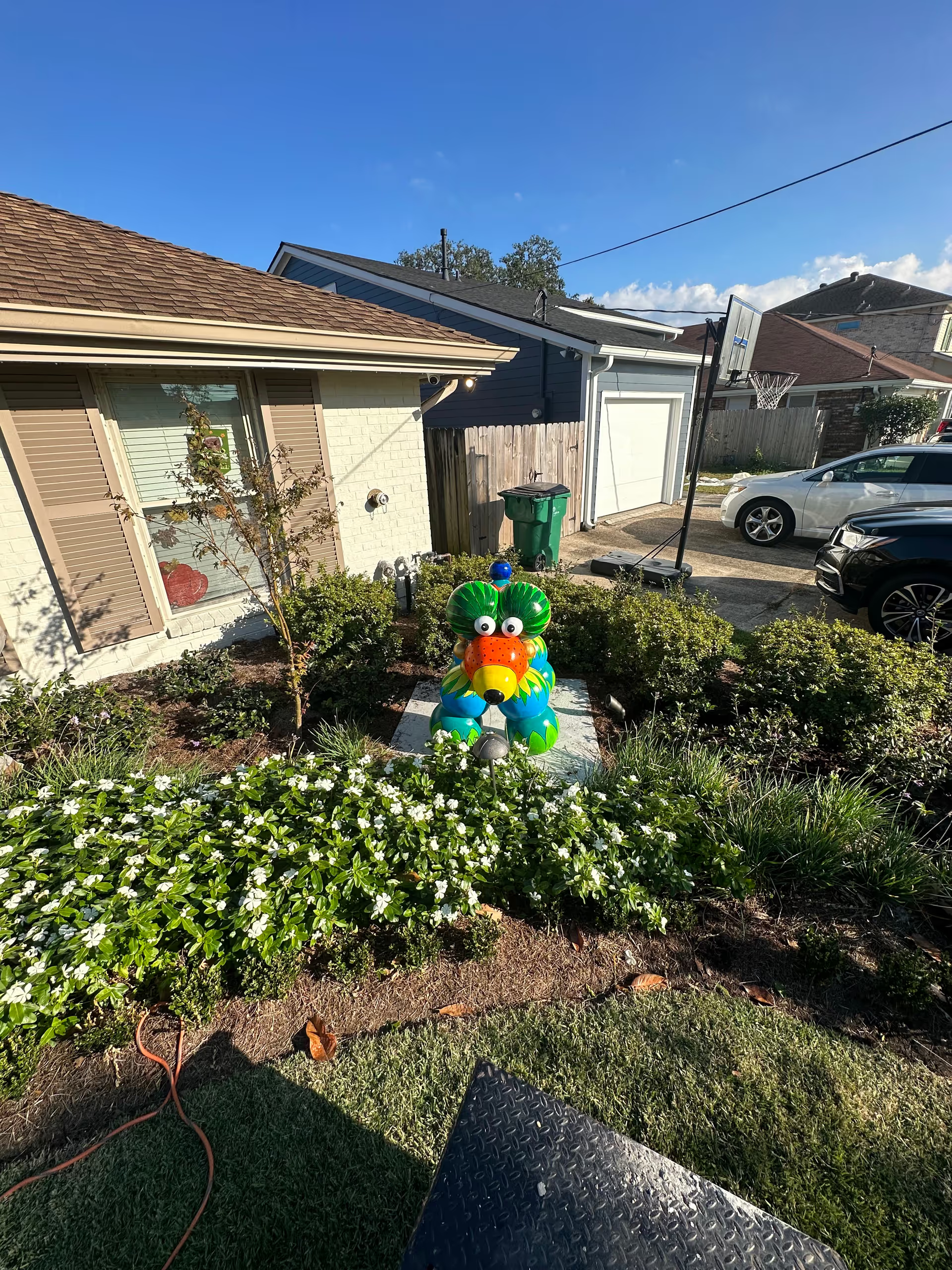
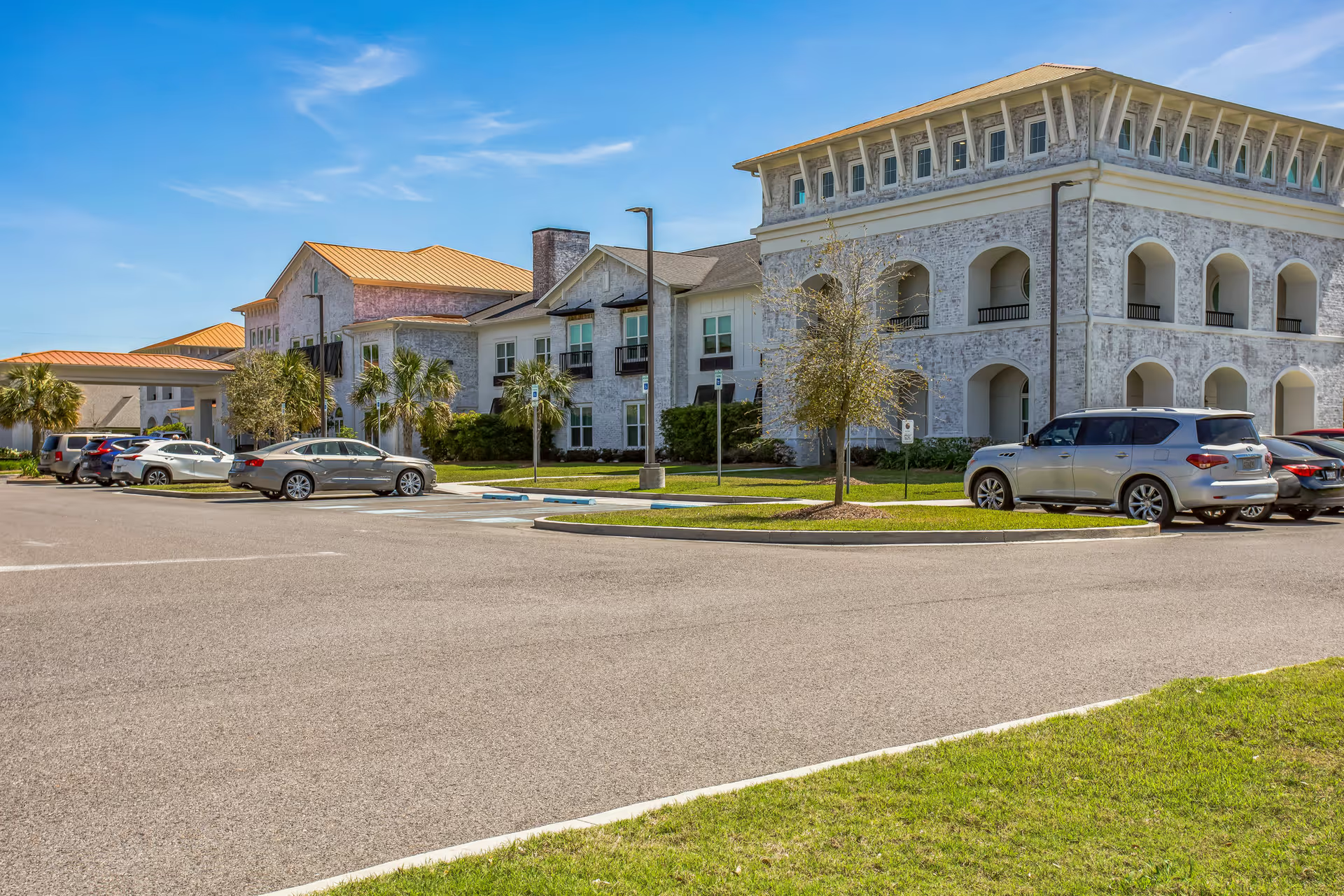
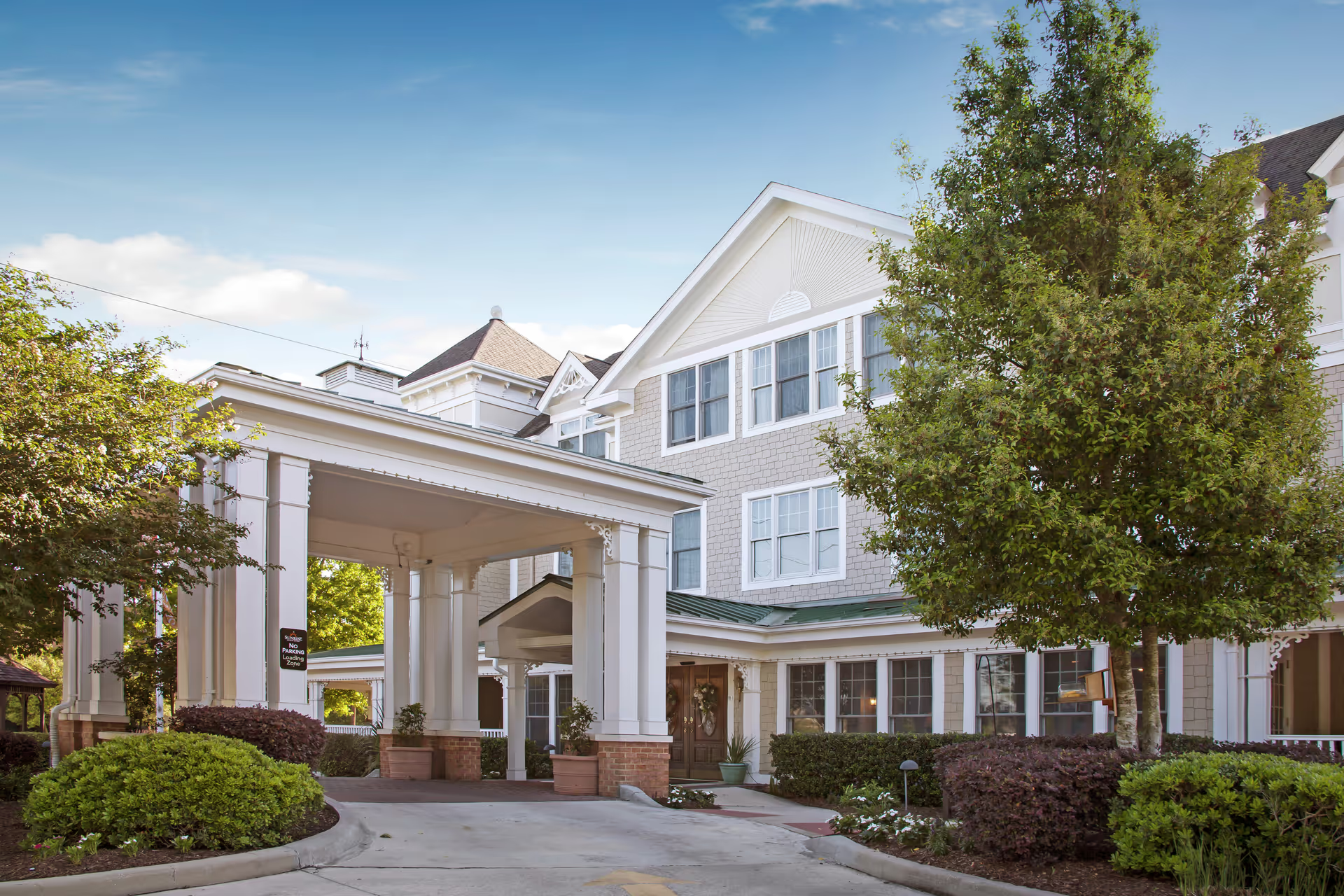
Reviews describe a polarized experience at this facility: many families praise compassionate caregivers, a robust activities program, and a clean, gardened environment, while others describe significant clinical and operational concerns. Strengths commonly noted include engaged nursing and therapy staff, visible rehabilitation equipment, a full calendar of social and spiritual activities (bingo, entertainers, holiday events, outings), and an accessible dining area. The facility’s outdoor garden and fenced areas, administrator accessibility, and the sense of a family-like culture are additional positive themes.
Clinical quality is mixed. Several reviewers described strong hands-on nursing, effective rehabilitation, and emotionally supportive end-of-life care. Conversely, a number of reviewers reported serious clinical issues that point to systemic gaps: inconsistent medication administration and timing, fall and transfer safety weaknesses, lapses in pressure‑injury prevention and wound management, and delays in incontinence-related care. A few accounts referenced severe adverse outcomes; these comments suggest the need for careful scrutiny of clinical oversight, handoff practices, and contingency protocols.
Staffing and management present a similar contrast. Many families highlighted staff who know residents by name, provide personalized attention, and facilitate smooth transitions. At the same time, reviewers described variability in staff competence and patience, especially for residents requiring feeding or dementia-specific support. Management involvement is sometimes cited as a positive (open-door administrator, proactive communication), yet there are also allegations of problematic administrative communication and concerning handling of discharge and complaint situations, which warrant direct inquiry during a tour.
Dining, activities, and facilities show both strengths and limitations. Activities are a clear asset — frequent events, entertainers, and outings contribute to social engagement. Dining is generally acceptable to many families, though some noted inconsistencies in therapeutic-diet execution and meal quality for special-diet residents. The facility is described as clean and odor‑controlled overall, with an attractive garden; however, rooms are often small and frequently shared, and the building is older, producing variability in room size and condition.
Notable patterns for prospective families: the facility can provide attentive, family-oriented care and an active social environment, but there are recurring operational concerns related to staffing consistency, medication and wound-care protocols, fall prevention, incontinence care, and security measures. When evaluating this facility, families should ask specific questions about staffing ratios, medication administration processes, wound- and pressure‑injury prevention protocols, transfer and shower safety procedures, dementia-personalized care plans, elopement-prevention measures, and how administrative complaints and discharge decisions are handled. A targeted tour and direct conversations with nursing leadership can help clarify whether the facility’s strengths align with an individual resident’s clinical and safety needs.