The reviews present a mixed picture of Rayville Nursing & Rehabilitation Center. Several families praise frontline caregivers, the physical-therapy program, and the facility’s clean, recently renovated environment. Reviewers also highlight accessible physicians and a closely coordinated medical team, which supports timely specialty care for some residents. The center’s small size and long-tenured staff contribute to a family-like atmosphere for many residents, and some families describe a highly positive overall experience.
Care quality shows strengths in rehabilitation and physician access but also signals inconsistency in day-to-day clinical responsiveness. Positive comments emphasize proactive therapy and clinicians who are available when needed. Conversely, other reviewers describe delays in attending to emergent issues and concerns about timely clinical follow-up. One reviewer described a safety lapse that resulted in injury and another referenced a pressure-related skin injury; these accounts point to potential gaps in clinical oversight and wound-prevention practices that prospective families should evaluate directly with the facility.
Staffing and interpersonal conduct are described unevenly. Many comments depict compassionate, helpful, and long-tenured staff who go above and beyond, creating a supportive environment. At the same time, there are descriptions of disrespectful leadership behavior, inconsistent hospitality, and instances of perceived lack of empathy or poor communication tone. These polarized impressions suggest variability in staff conduct and supervisory consistency across shifts or teams.
The summaries provide little direct information about dining quality or activity programming. The facility’s small, family-like scale may support personalized activities for some residents, but there are no consistent comments to assess meal service or recreational offerings; visitors should request current activity calendars and sample menus during a tour.
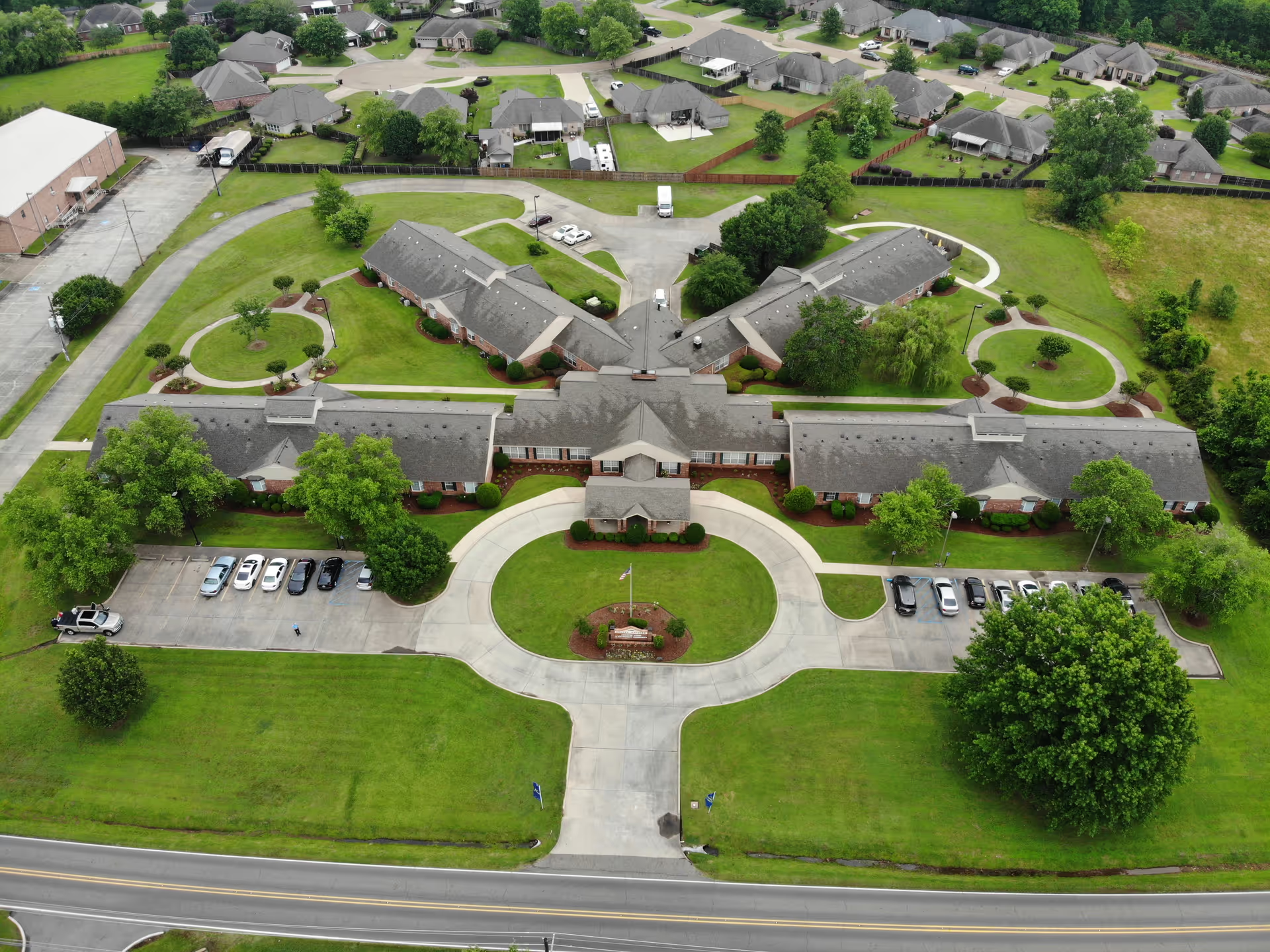
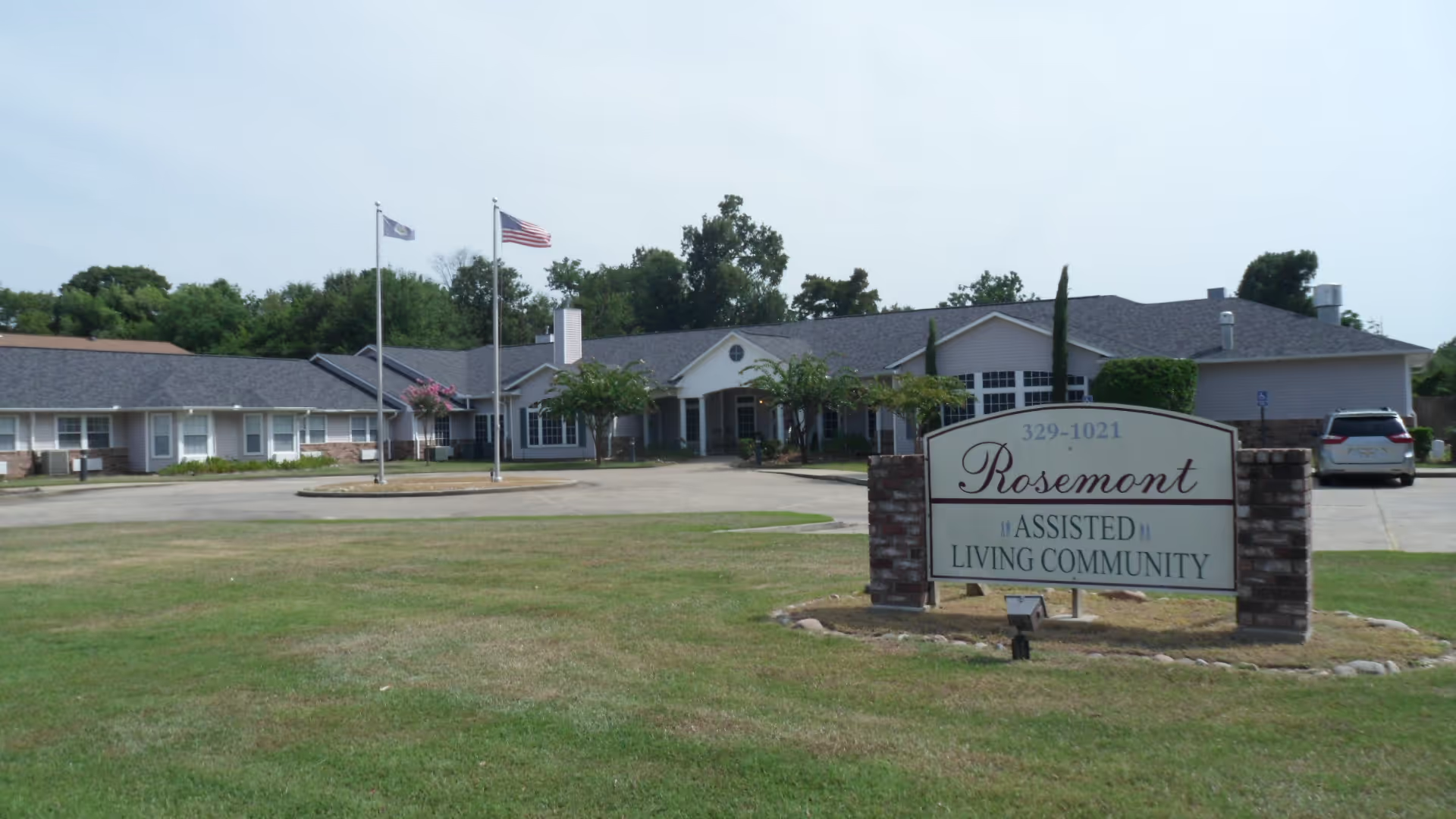
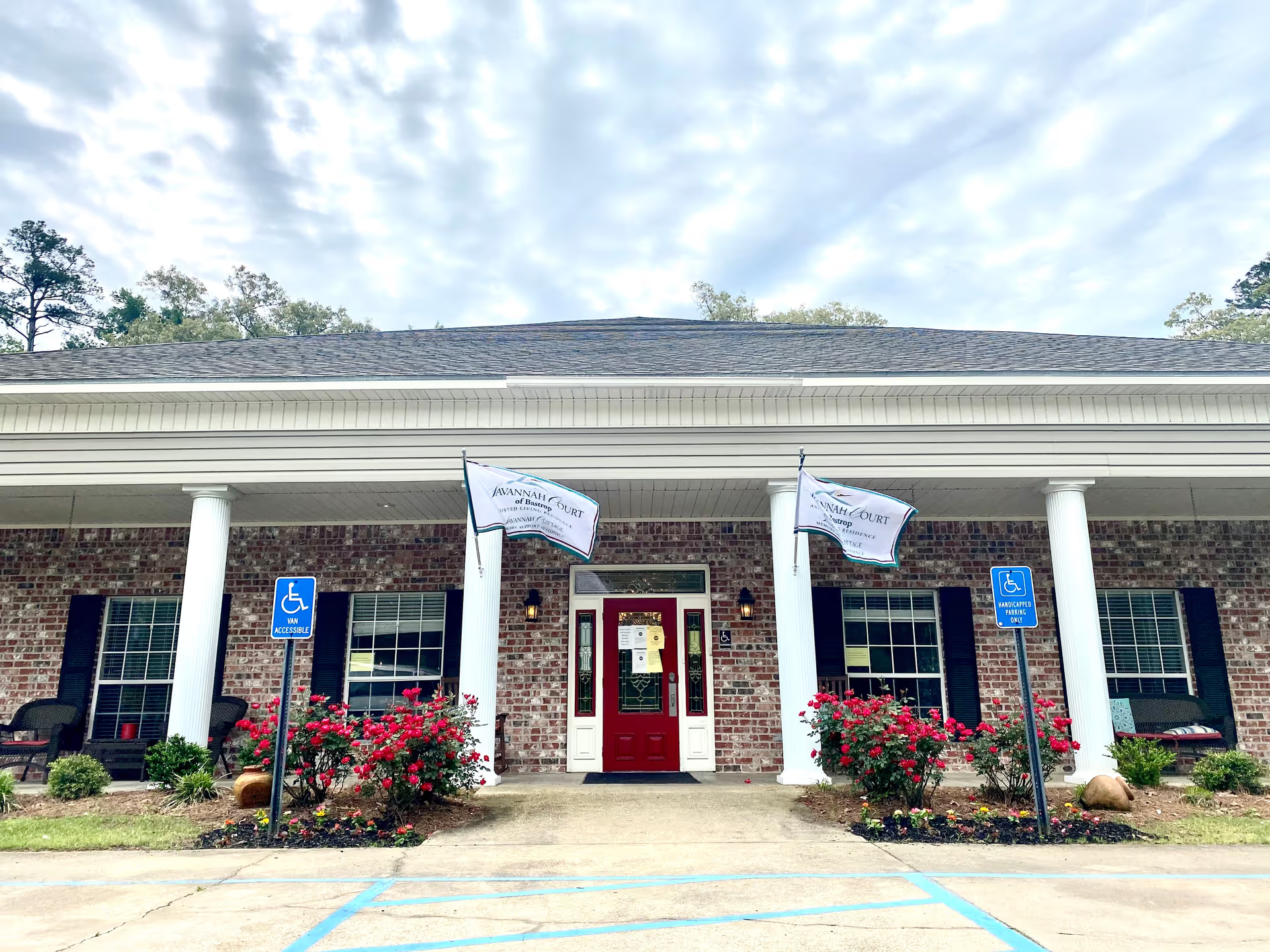
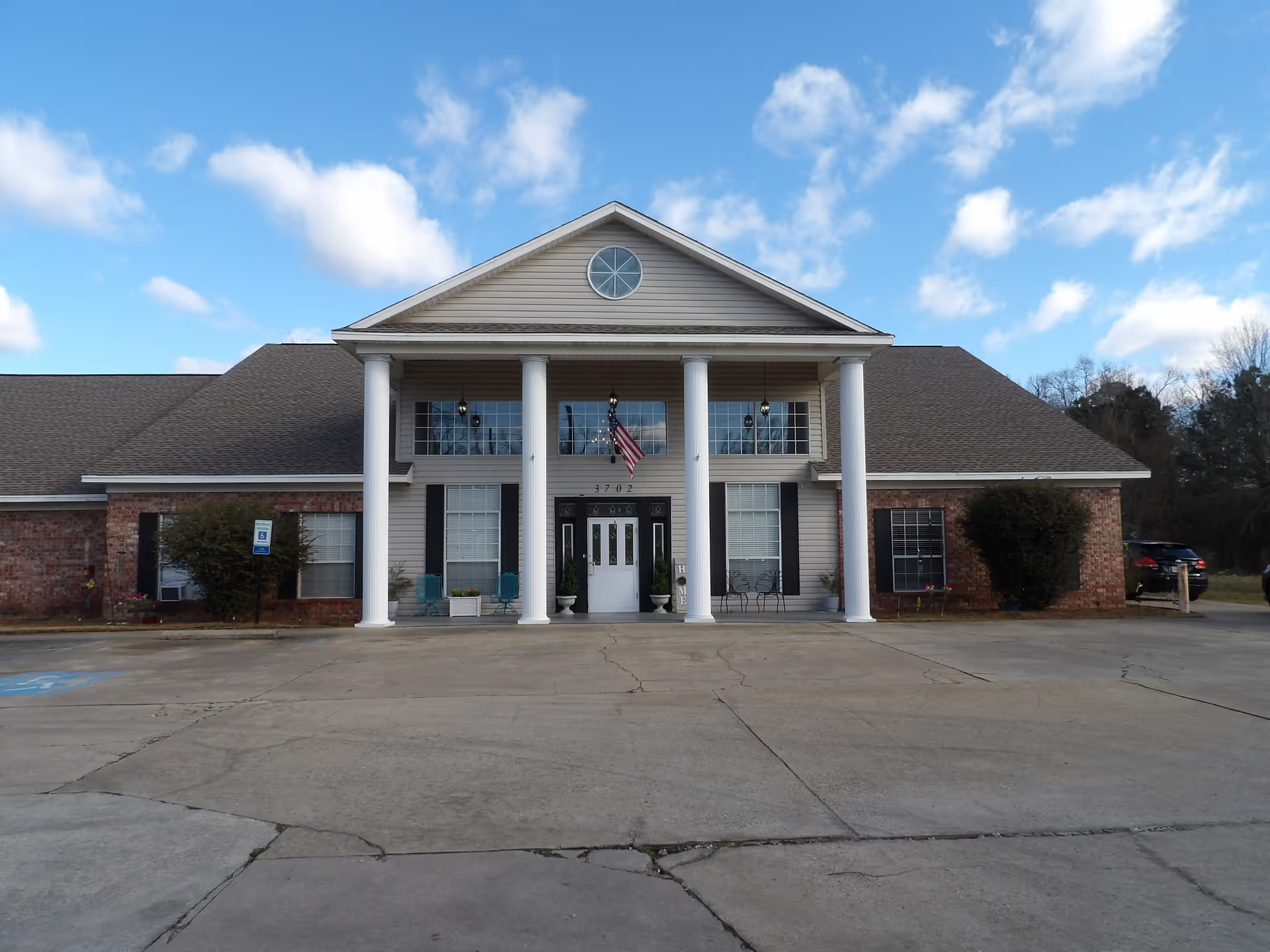
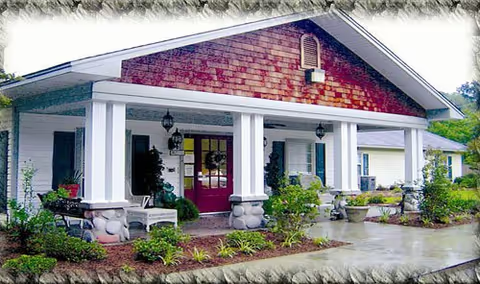
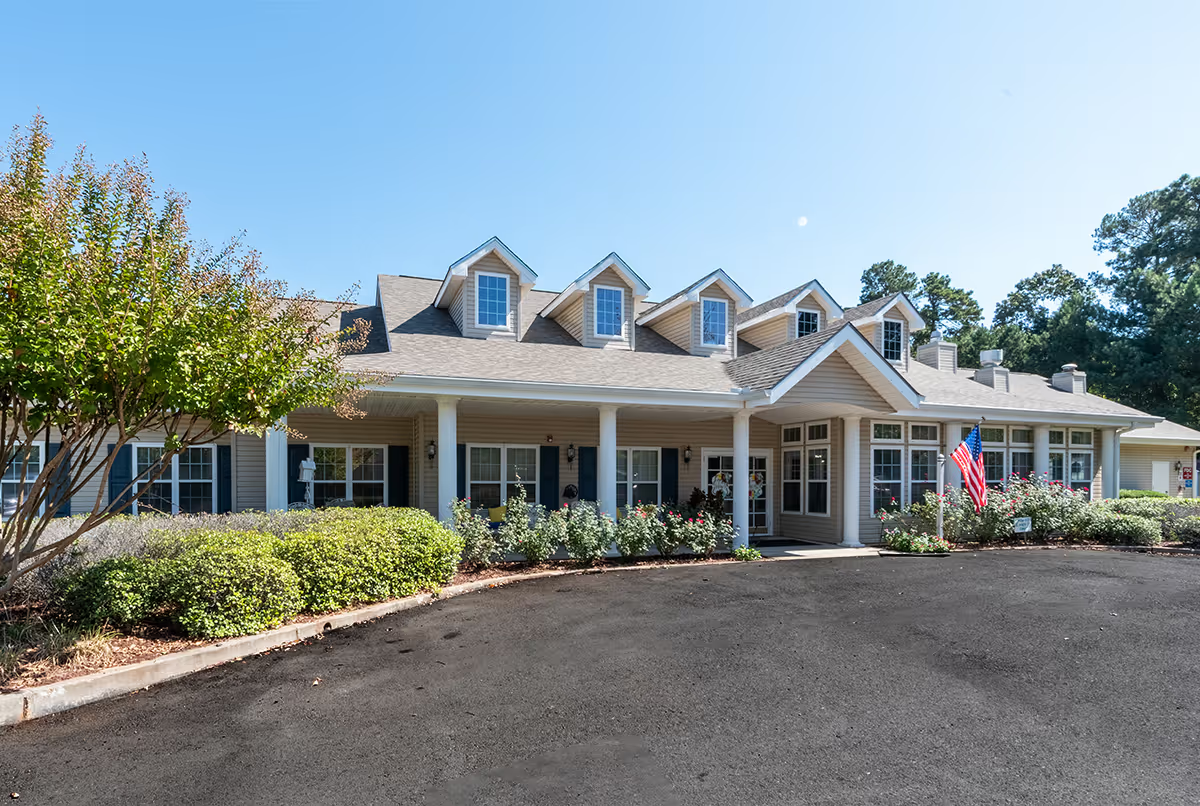
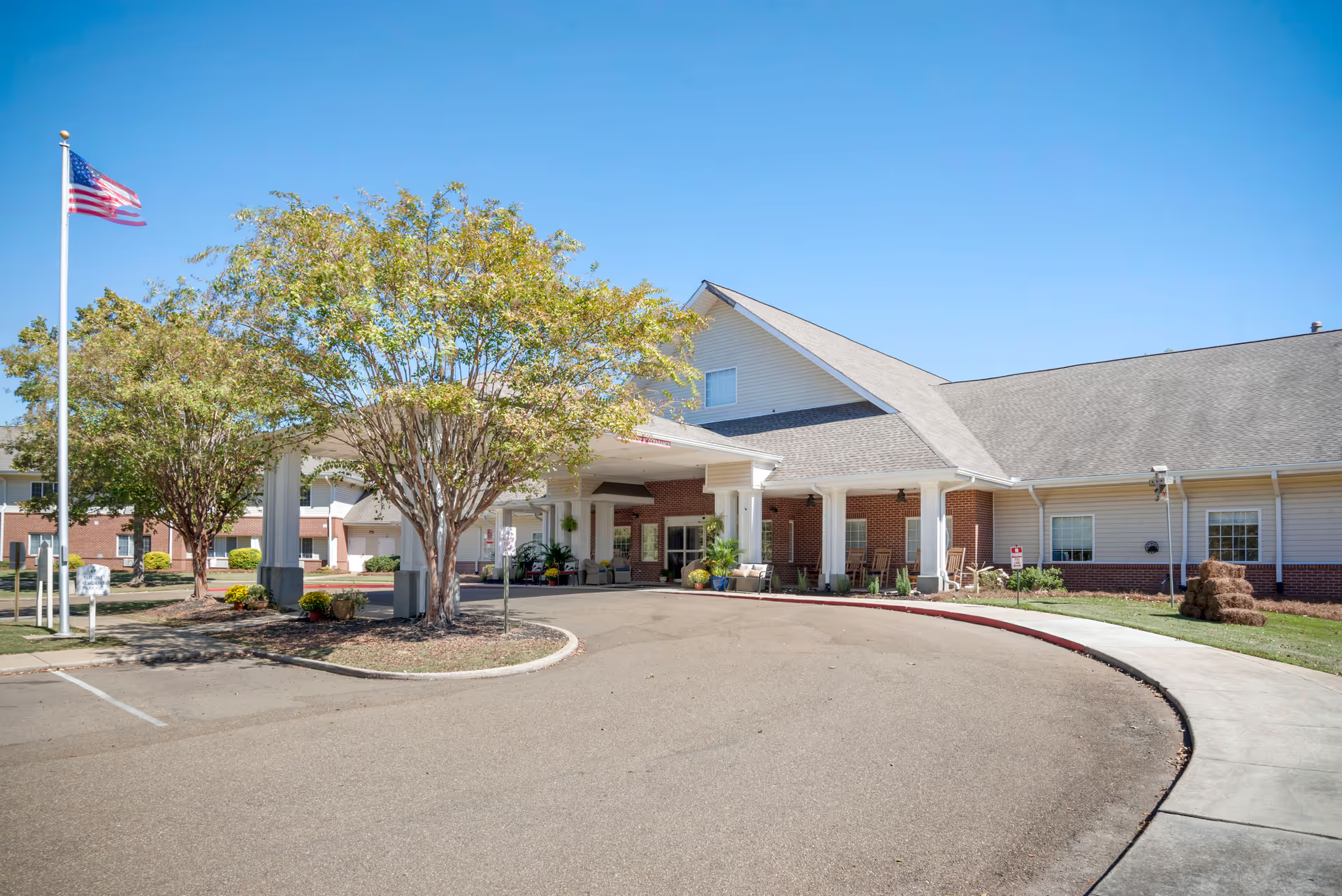
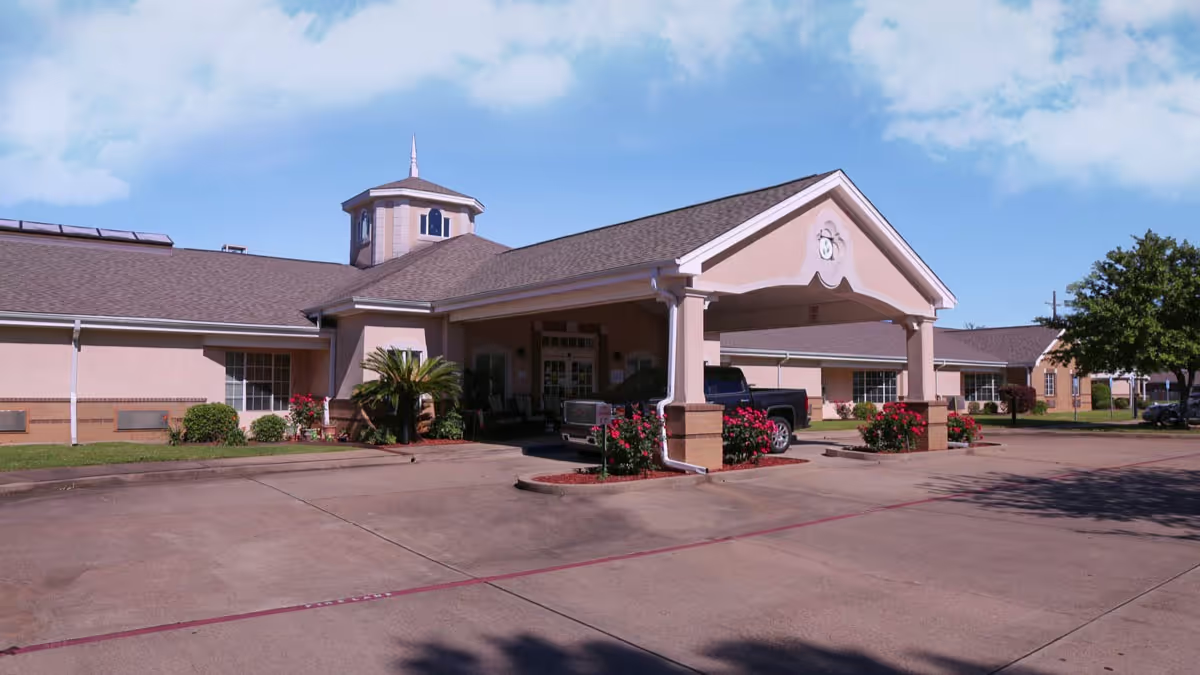
Facility condition receives mostly positive notes about remodeling and cleanliness, though several families described the interior as dim or depressing despite renovations. This indicates that while maintenance and cleanliness may be adequate, the common spaces and resident rooms may lack natural light or design elements that some families expect for a bright, uplifting atmosphere.
Management impressions are mixed. Some families appreciated an open-door administrative approach and accessible leadership; others reported disorganization and unprofessional conduct from management. Additionally, questions were raised about the accuracy of the facility’s advertised dementia-care capabilities. Prospective residents should seek clear, written descriptions of program scope, staffing ratios for memory-care needs, and examples of care plans before making placement decisions.
Overall, the facility shows clear strengths in rehabilitation services, physician access, and a close-knit staff culture, but reviewers also identify important operational weaknesses: inconsistent leadership, variable responsiveness to clinical needs, and gaps in safety and pressure-injury prevention. Recommended due diligence for families: arrange unannounced visits at different times, review recent clinical and incident policies (including pressure-injury prevention and dementia-care scope), meet the director of nursing and administrator, and request references from current residents’ families to assess consistency of care and the facility’s responsiveness to concerns.