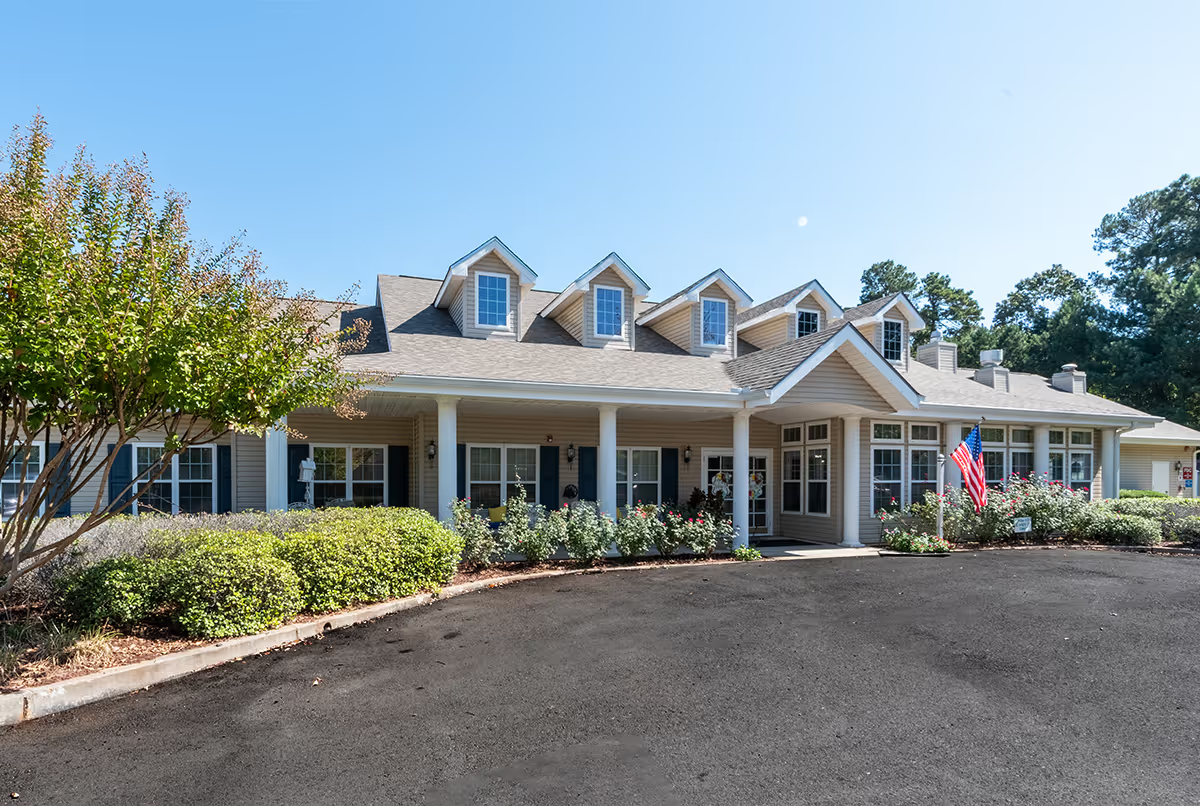
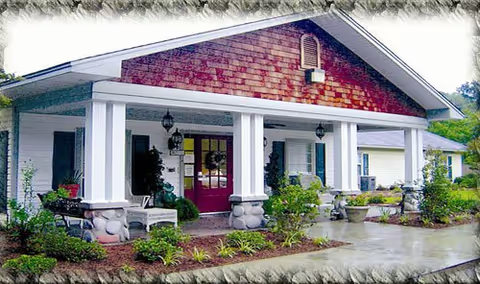
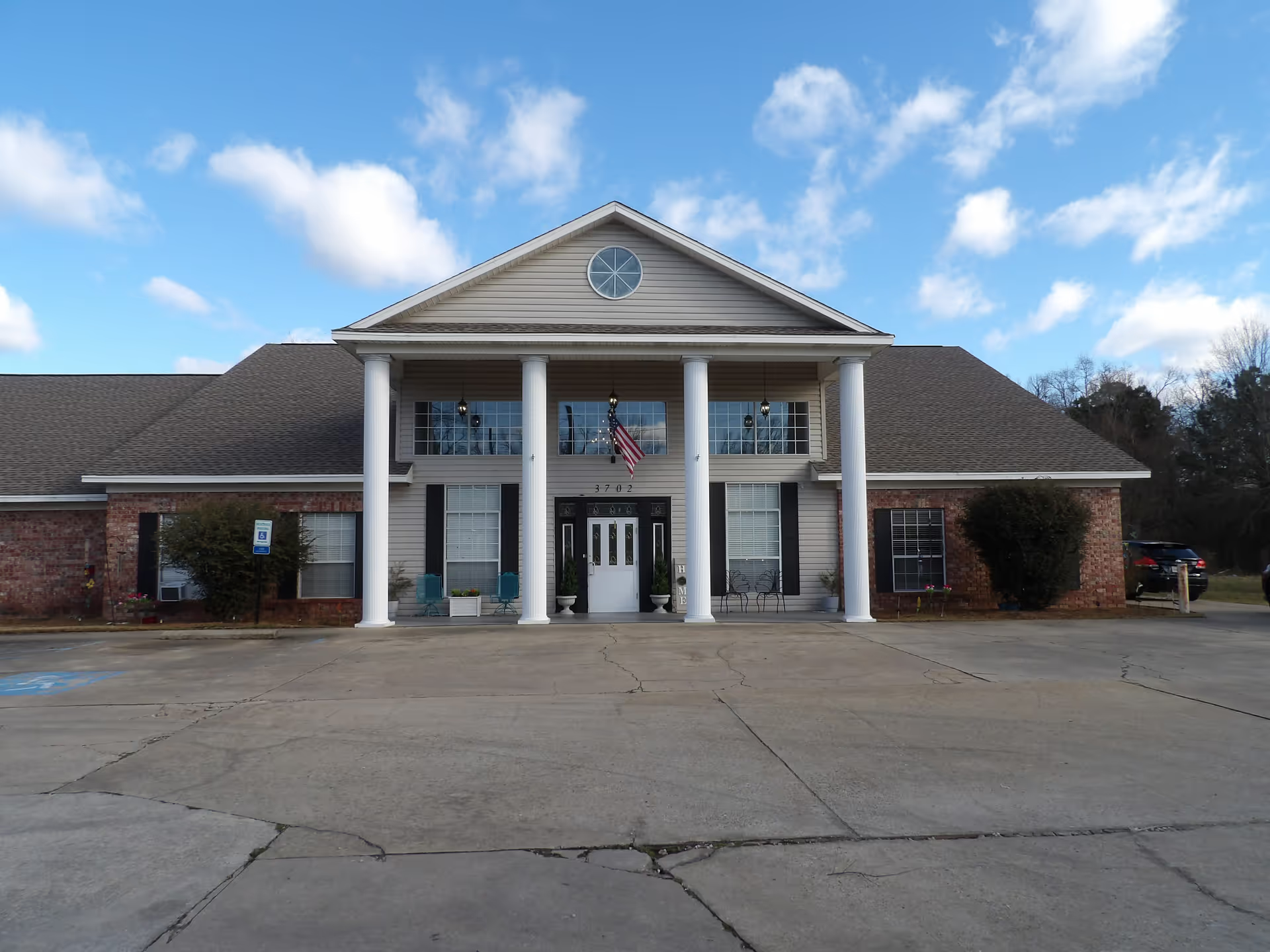
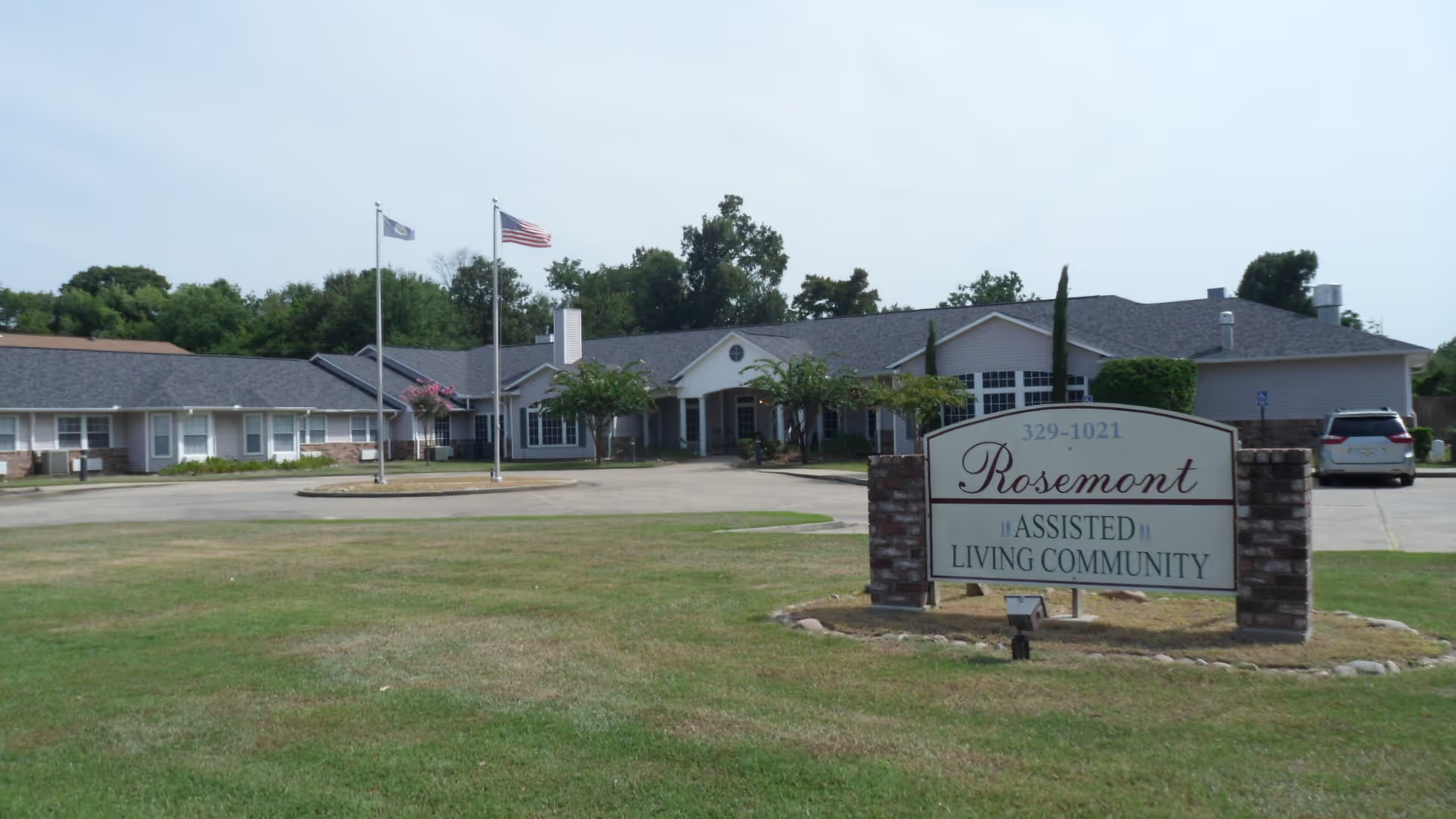
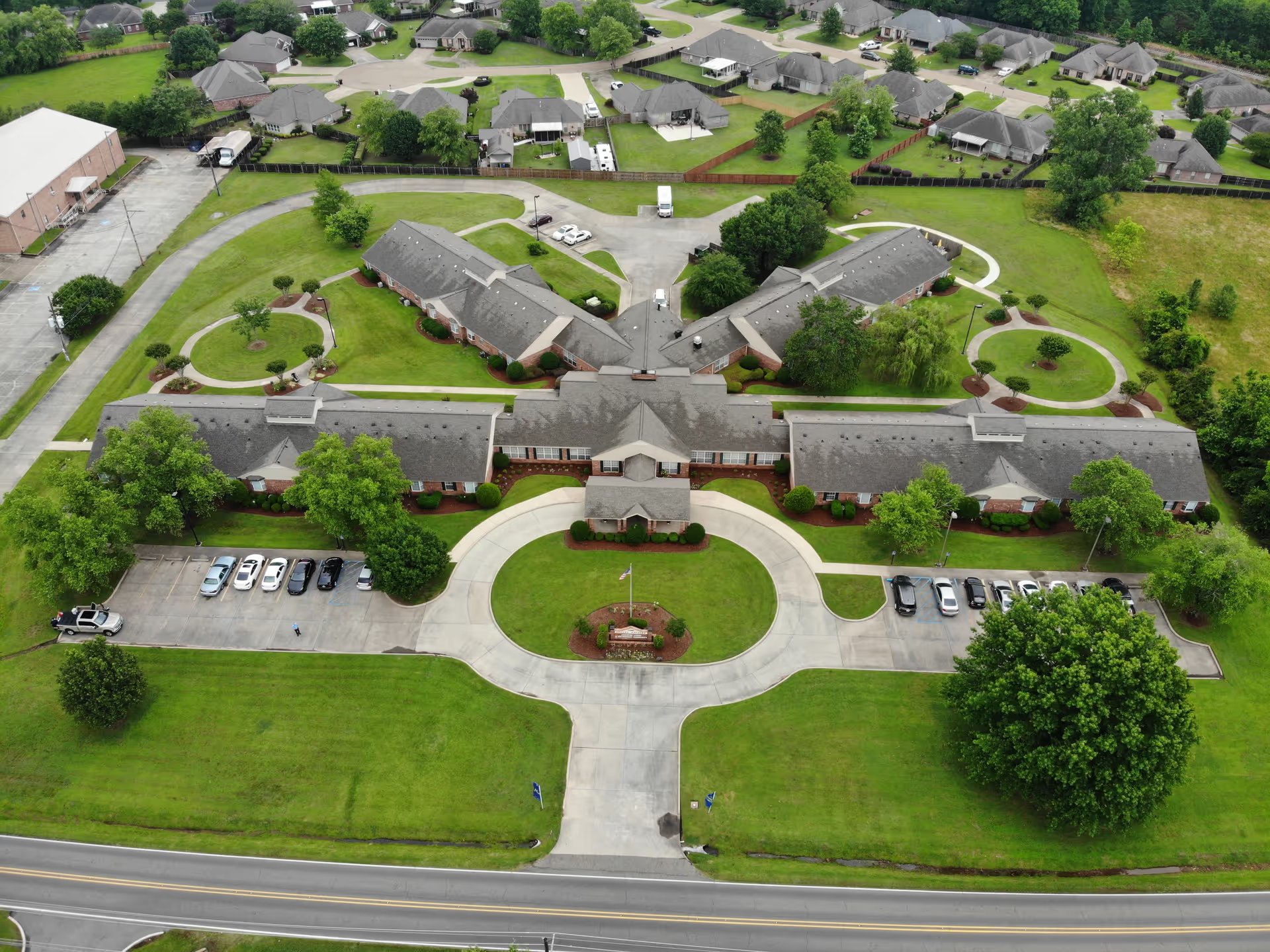
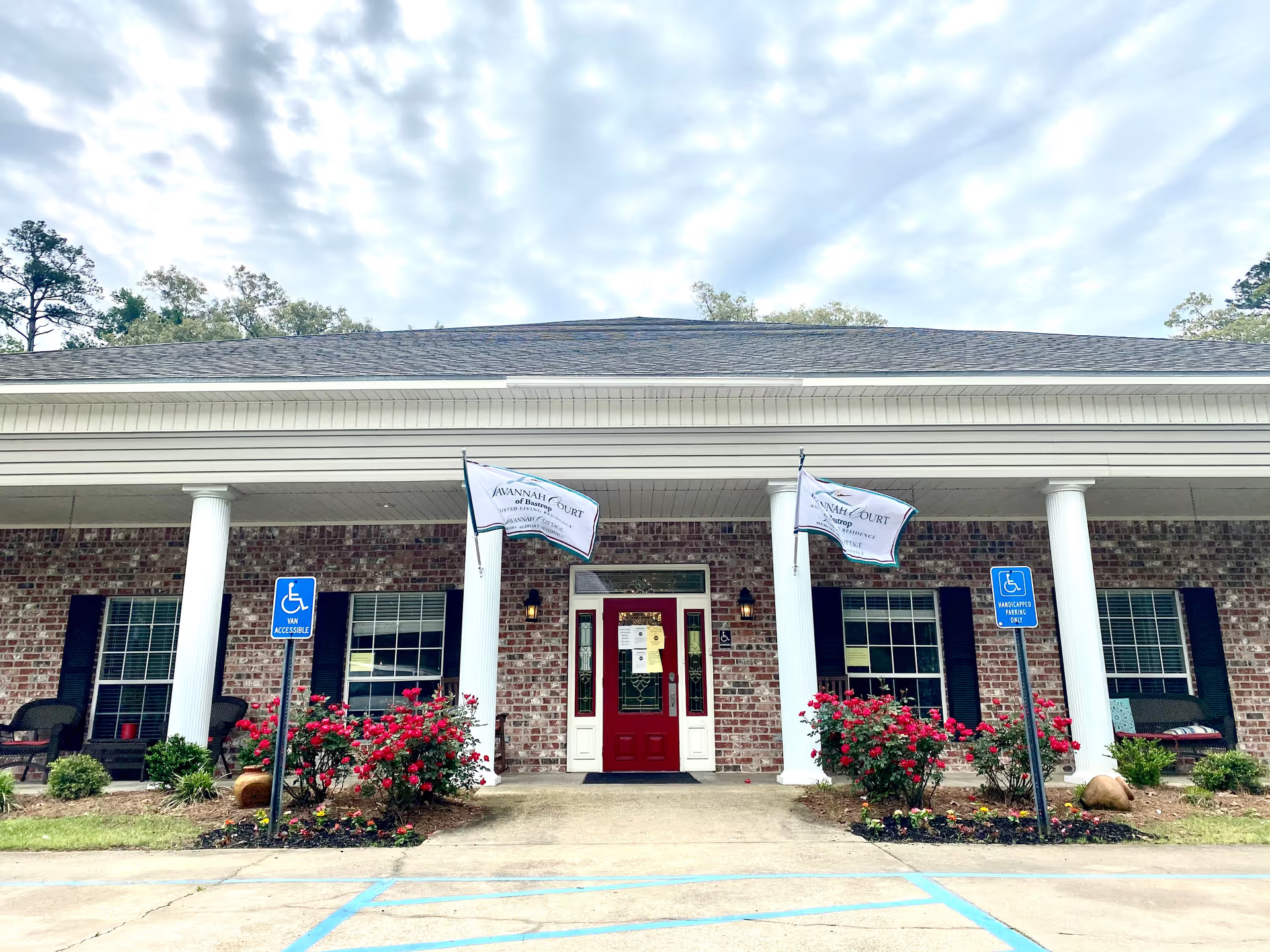
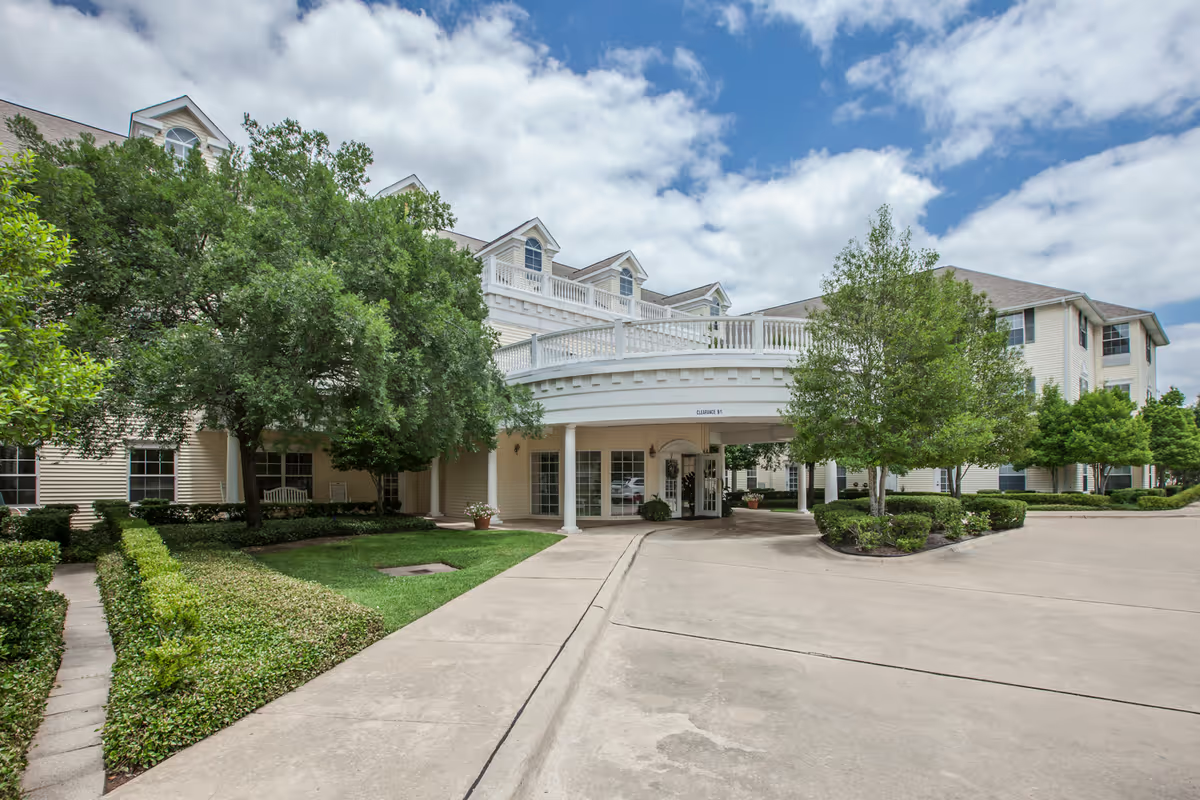
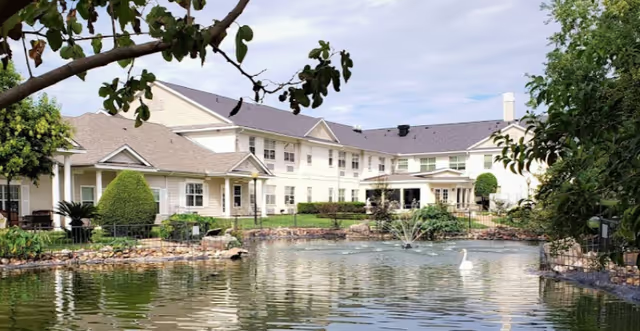
Overall impression Alpine Rehabilitation Center receives repeated praise for its clinical and rehabilitative capabilities, with families highlighting nursing and therapy staff as a key strength. Physical therapy outcomes are described as positive in many instances, and individual clinicians on the therapy team were singled out for their effectiveness. Administrative touches such as a professional receptionist and prompt callbacks contribute to families’ sense of being heard and supported. The facility’s grounds and common areas are generally described as well maintained and attractively decorated, creating a calm environment for residents.
Care quality and staff Clinical care and rehabilitation are consistently described as strengths: nurses and therapists are characterized as competent and engaged, and many families reported good recovery trajectories. At the same time, there are recurring concerns about variability in personal-care assistance—specifically bathing schedules and the thoroughness of some aides’ care. Communication tone and bedside manner are uneven; some family members report staff interactions that felt distant or insensitive, while others report staff treating residents with a high degree of compassion. This suggests consistent clinical skill but variable interpersonal execution across staff members and shifts.
Dining and activities Dining impressions are mixed. Several families report acceptable or good meals and note the facility will accommodate dietary preferences (for example, preparing simple alternatives for picky eaters), while others describe inconsistent food quality. Activity programming is a clear positive: an engaged activities director, daily events, and themed entertainment were mentioned as enhancing resident engagement. Common areas and organized events contribute to social opportunities, although some residents experienced limited social interaction depending on staffing and unit dynamics.
Facilities and accommodations Facility amenities include private, spacious rooms with an apartment-like feel in some units, plus clean, quiet common spaces. However, room configurations vary; some residents experienced more institutional or hospital-like rooms, shared accommodations, and limited in-room storage that constrained personal items. Noise and handling practices (for example, abrupt cabinet handling or noisy caregiving routines) were noted as detracting from the otherwise well-kept environment.
Management, policies, and notable patterns Management responsiveness is a clear strength when families raise concerns—the facility is described as responsive and willing to address issues. Infection-control procedures were enforced during pandemic periods, but families noted limited flexibility in visitation policies under those conditions. Overall patterns show strong rehabilitative care and a generally positive environment, tempered by operational inconsistencies in personal-care delivery, dining quality, room configurations, and staff communication style. Prospective residents and families should weigh the facility’s strong therapy resources and attractive environment against variability in day-to-day caregiving and room features; discussing specific room options, staffing patterns, and visitation policies during a tour will help set expectations.