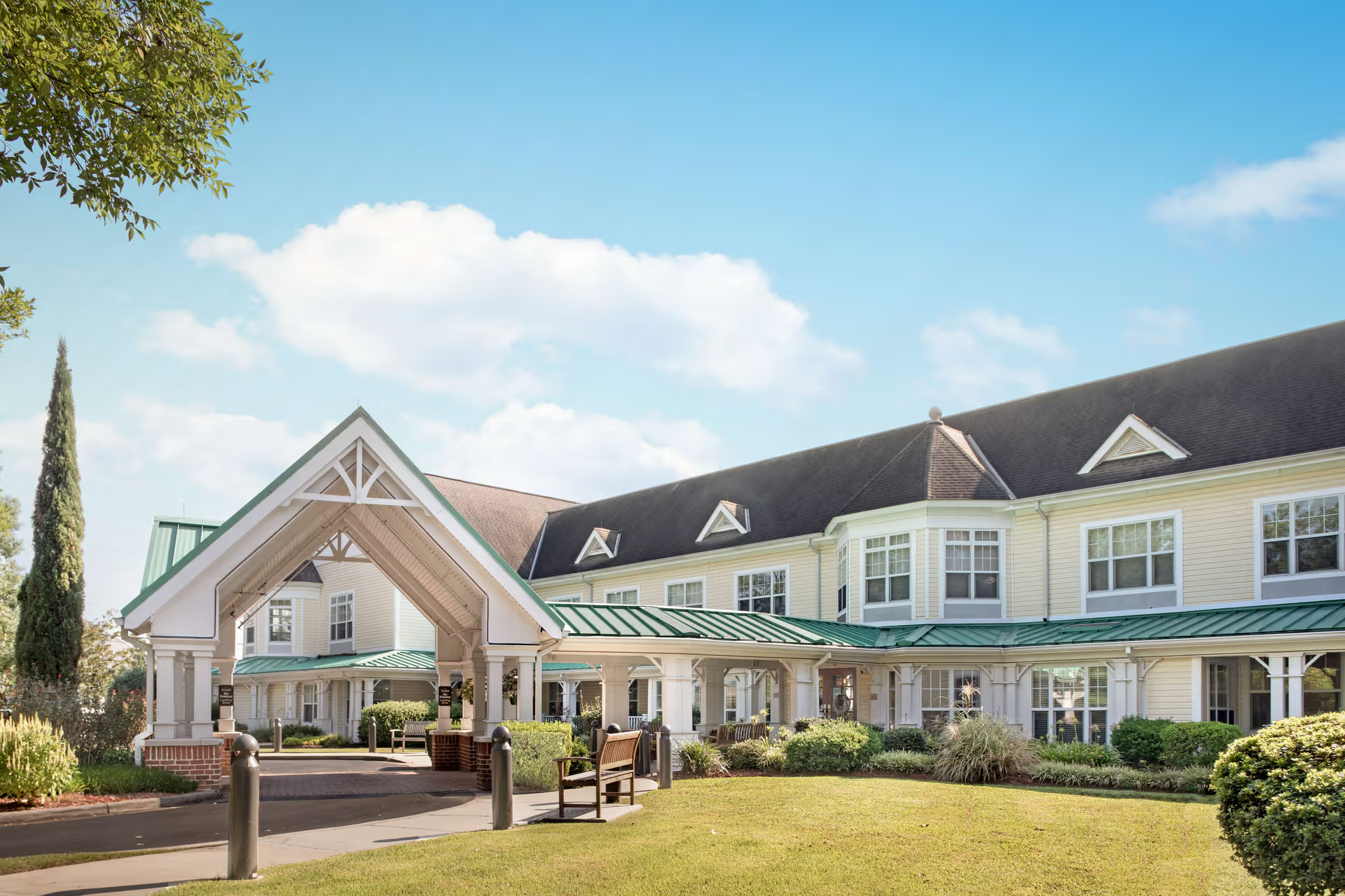
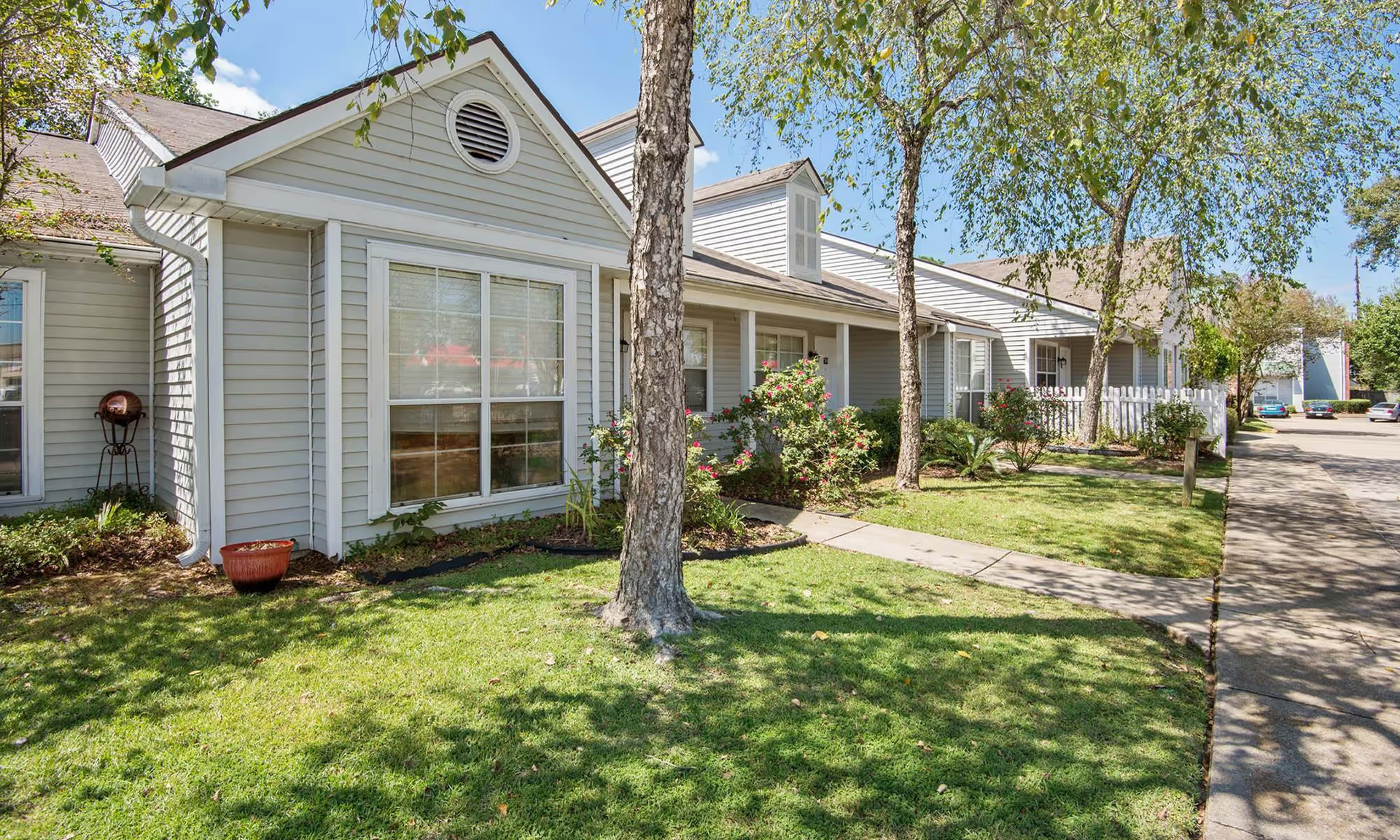
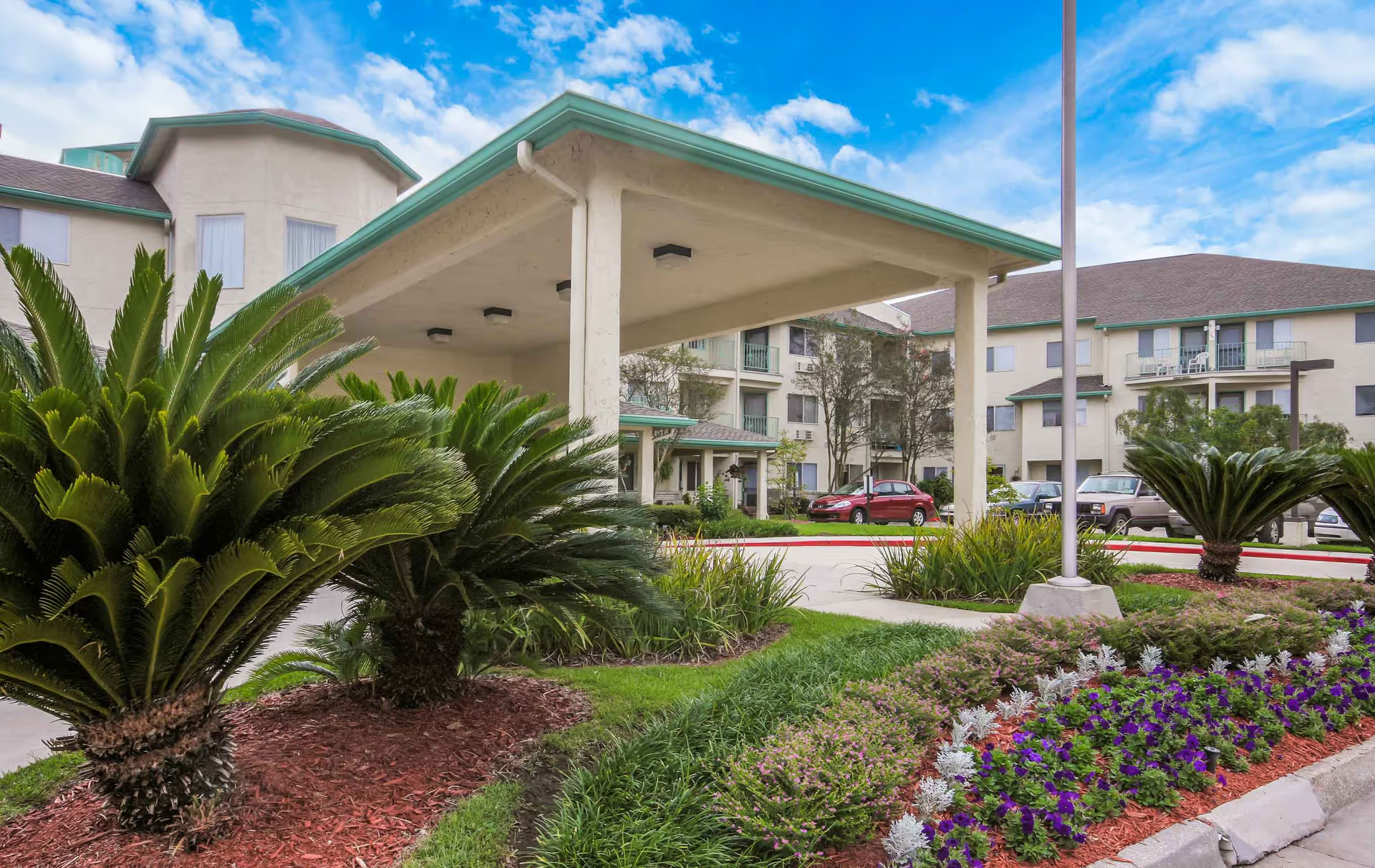
The reviews present a facility with a clear split between strong operational areas and notable, recurring weaknesses. On the positive side, reviewers consistently highlight a clean, well-maintained building supported by high-quality housekeeping and laundry services. Many families praised a caring nursing and CNA staff, a friendly, family-like atmosphere, and an active slate of resident services including therapy, grooming, and seasonal programming. Dining and dietary teams receive repeated compliments for food quality and kitchen service, and several accounts describe an efficient admissions process with thorough handoffs that support patient safety at transition.
At the same time, there are substantive operational concerns that emerge as patterns. Most prominent are inconsistencies in daily care and staff responsiveness: reviewers describe both attentive, compassionate staff and episodes of unresponsiveness or brusque conduct. Staffing levels and workload pressures are frequently cited as factors that contribute to delayed care, difficulties getting nurse callbacks or timely appointments, and variability in service from shift to shift. Relatedly, there are reported gaps in wound-care and skin-integrity management and in pain management, which families view as contributing to declines in some residents' conditions after admission or transfers within the building.
Facility condition and infection-control-related performance appear uneven. Numerous accounts praise the facility’s cleanliness, odor-free common areas, and well-kept rooms, while others note outdated rooms, localized odor concerns, and sanitation issues on particular halls. This suggests variability by unit or shift rather than a uniformly poor or uniformly excellent environment. Personal-property handling and tracking is another operational weakness: there are allegations of mishandled or lost belongings and instances where sentimental items were not returned, indicating gaps in property management and communication protocols.
Therapy and rehabilitation experiences are mixed. Several families report robust therapy services (including frequent PT) and meaningful functional gains, while other reports describe limited rehabilitation progress and therapy outcomes that did not meet expectations. Management and communication also show a dual pattern: some reviewers commend accessible administration, helpful admissions, and staff who go beyond expectations, while others describe ineffective coordination, ignored complaints, and difficulty escalating concerns.
For prospective residents and families, the notable takeaway is variability. The facility demonstrates clear strengths in housekeeping, dining, maintenance, and in many cases in nursing compassion and engagement. However, recurring issues around staffing consistency, wound-care management, property safeguards, and unit-level sanitation warrant careful inquiry during a tour. Recommended follow-ups include asking about current staffing ratios and vacancies, wound-care protocols and oversight, property-tracking procedures, unit-specific cleanliness metrics, and how the facility communicates with families about clinical changes and complaints. These targeted questions can help determine whether the parts of the operation most important to a given resident are reliably in place.