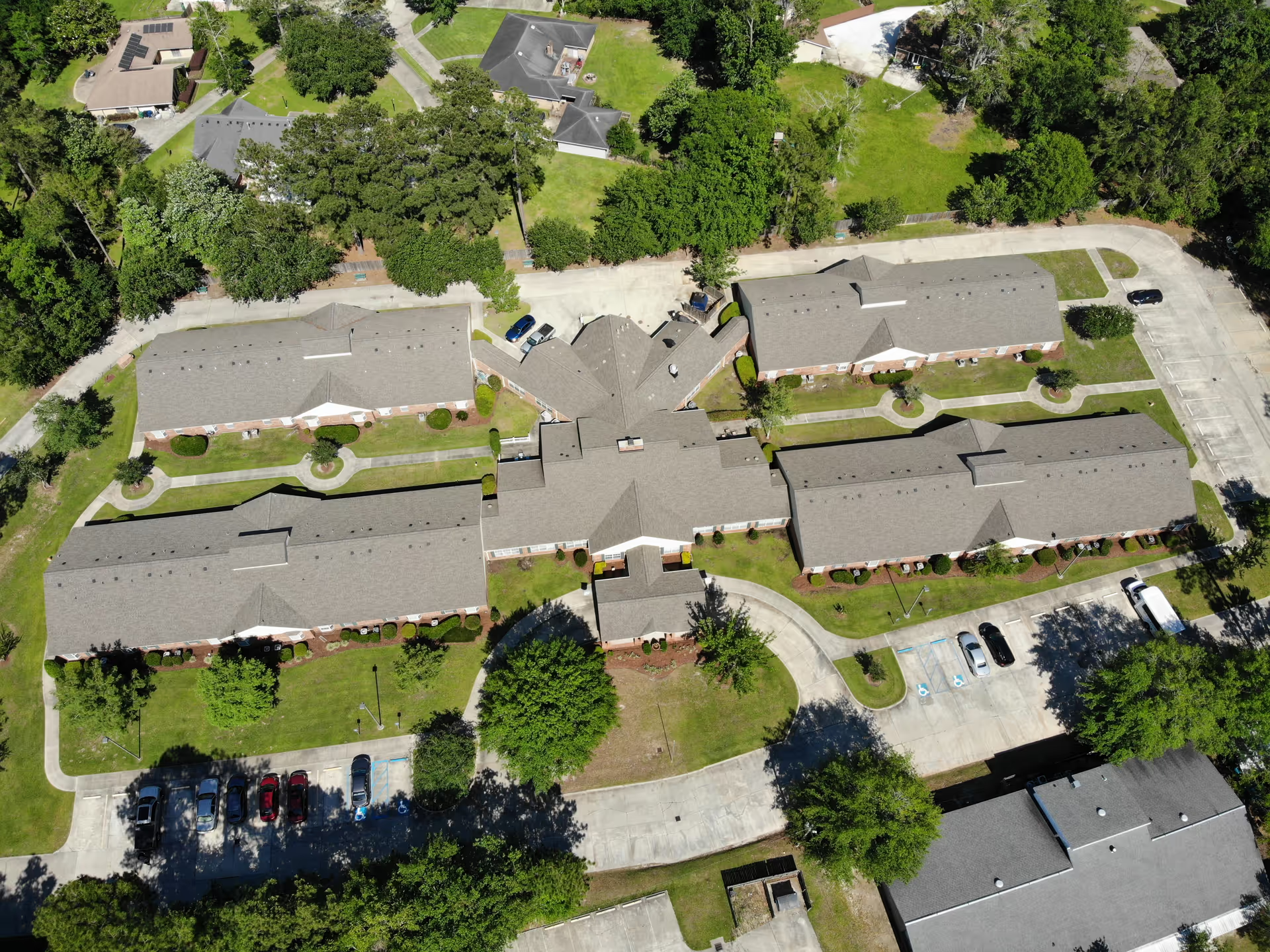
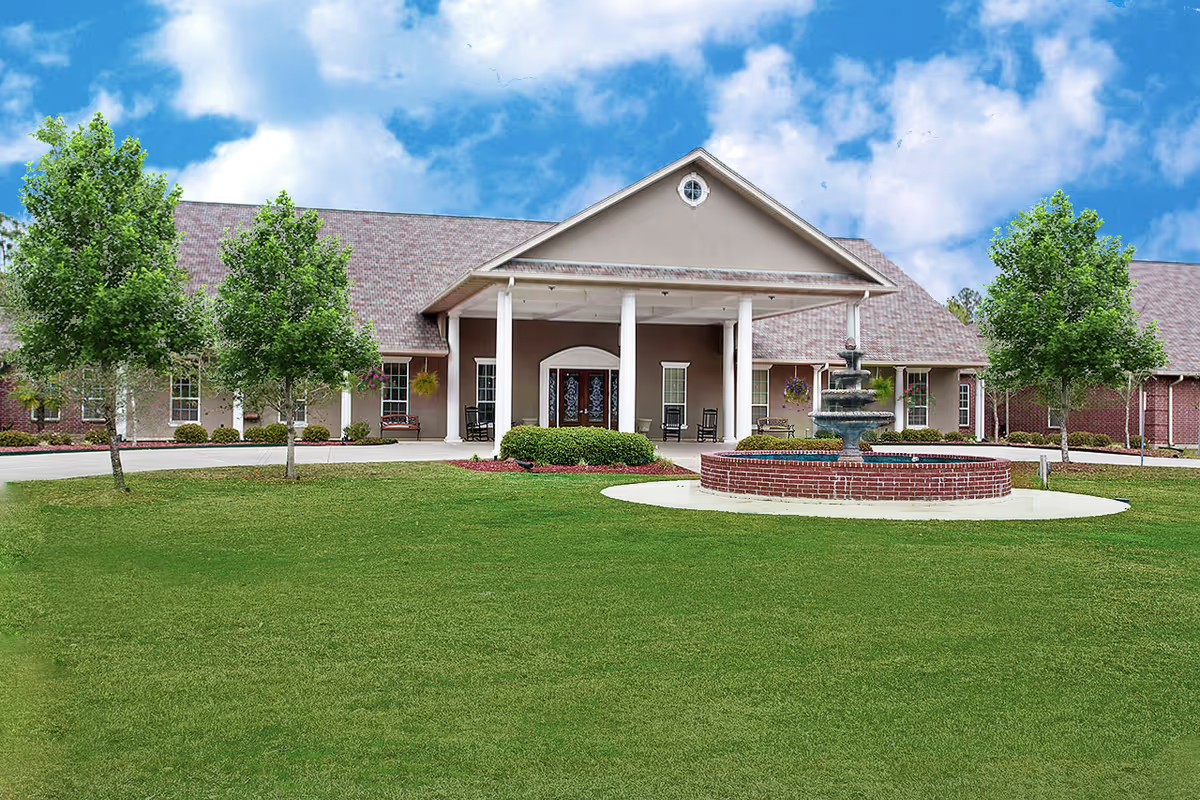
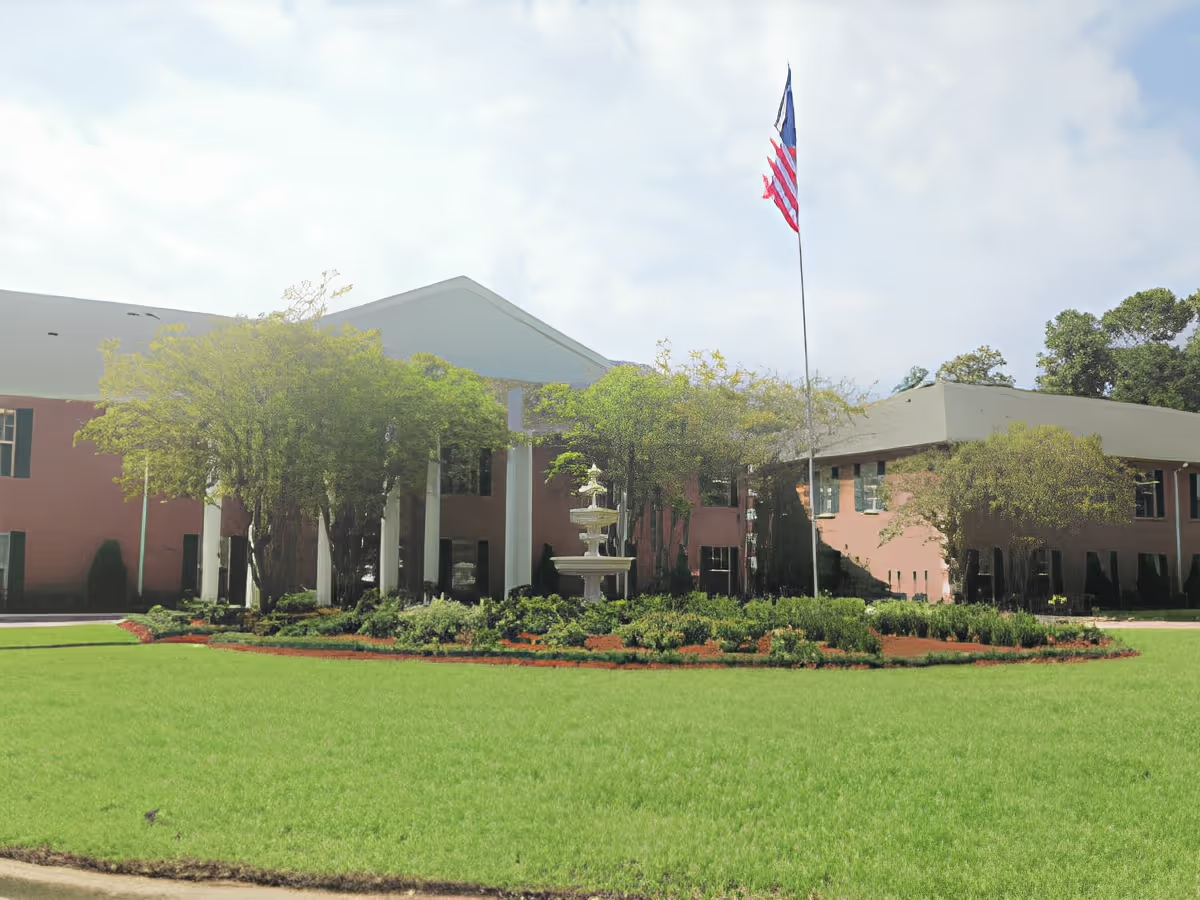
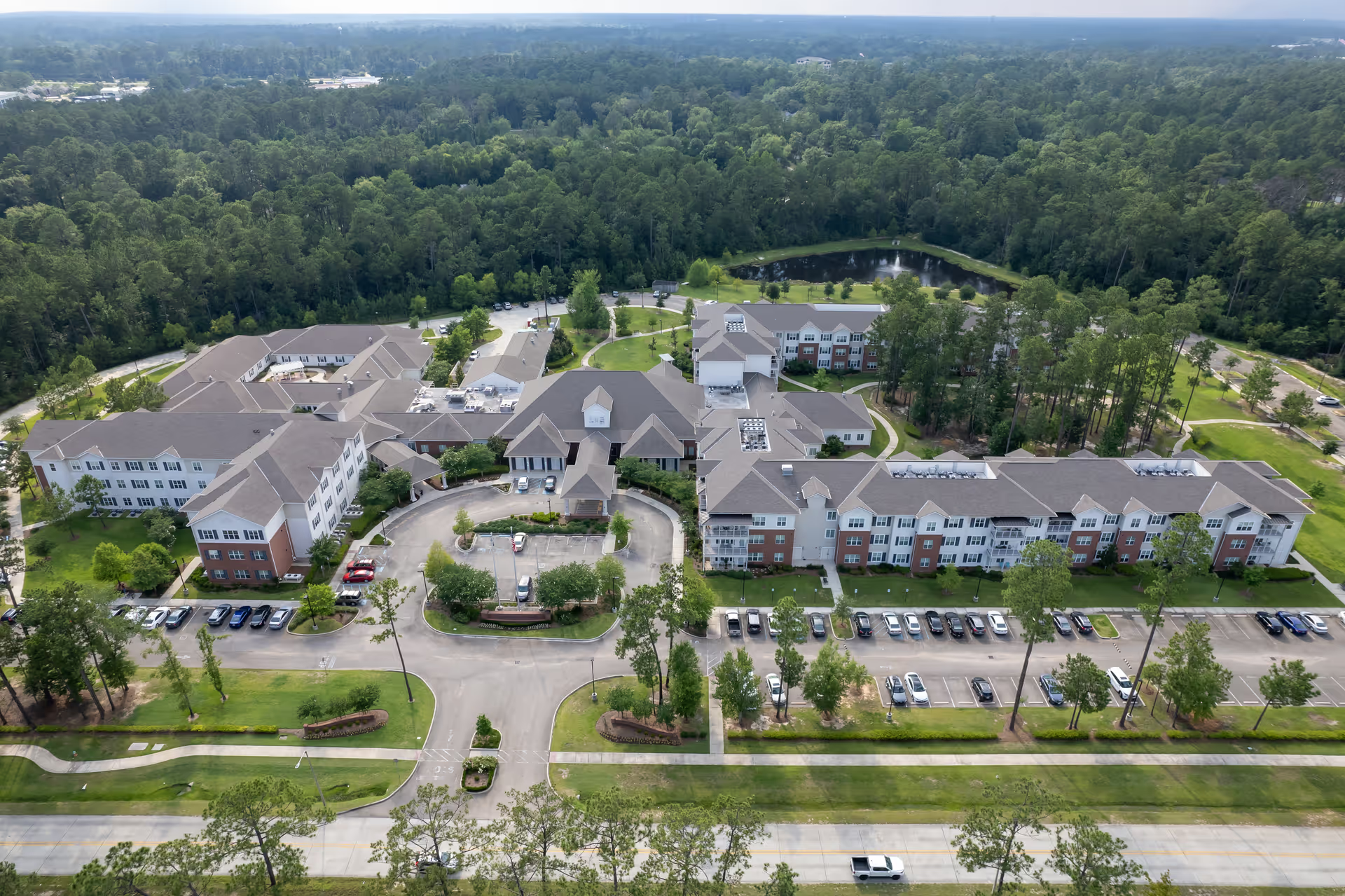
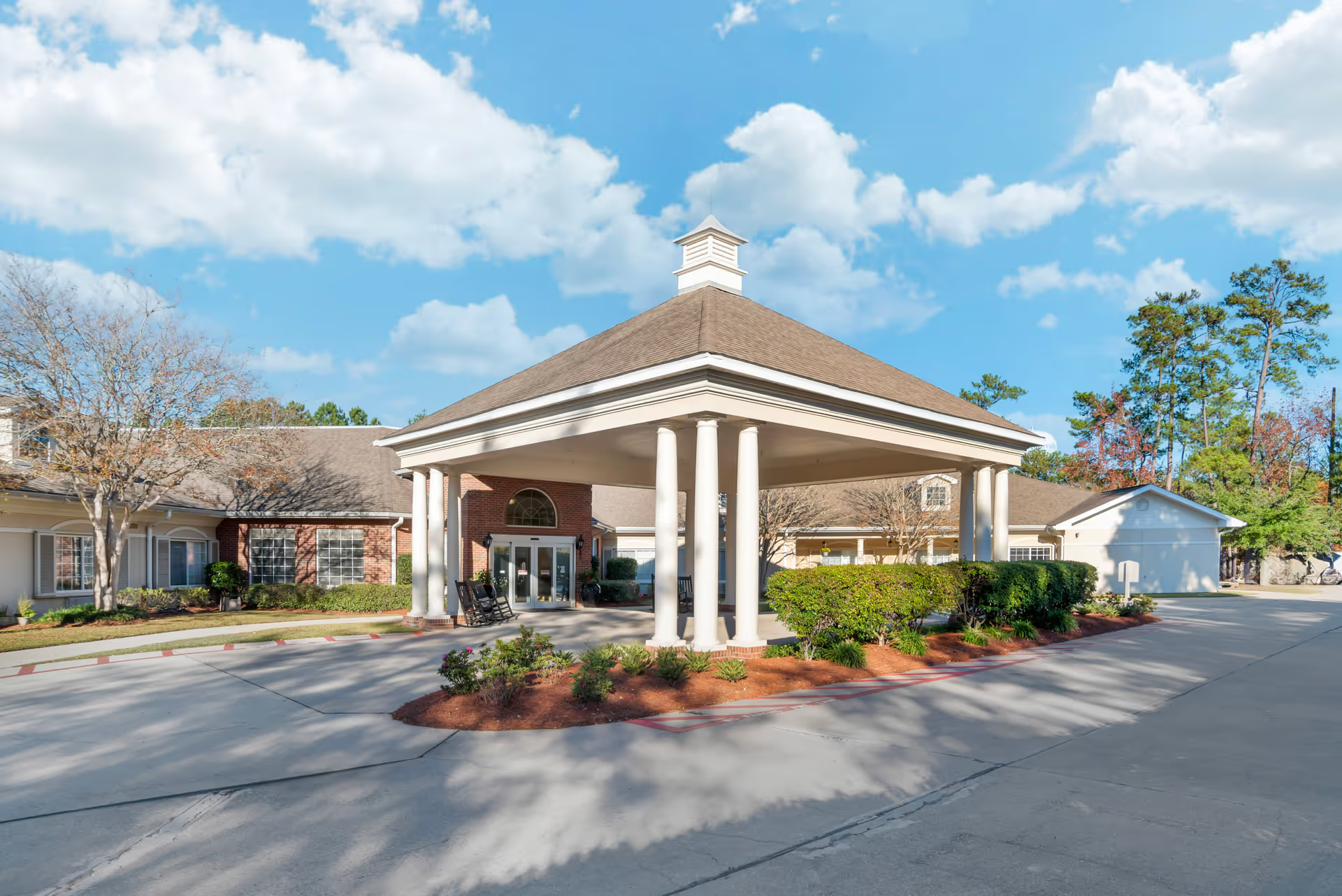
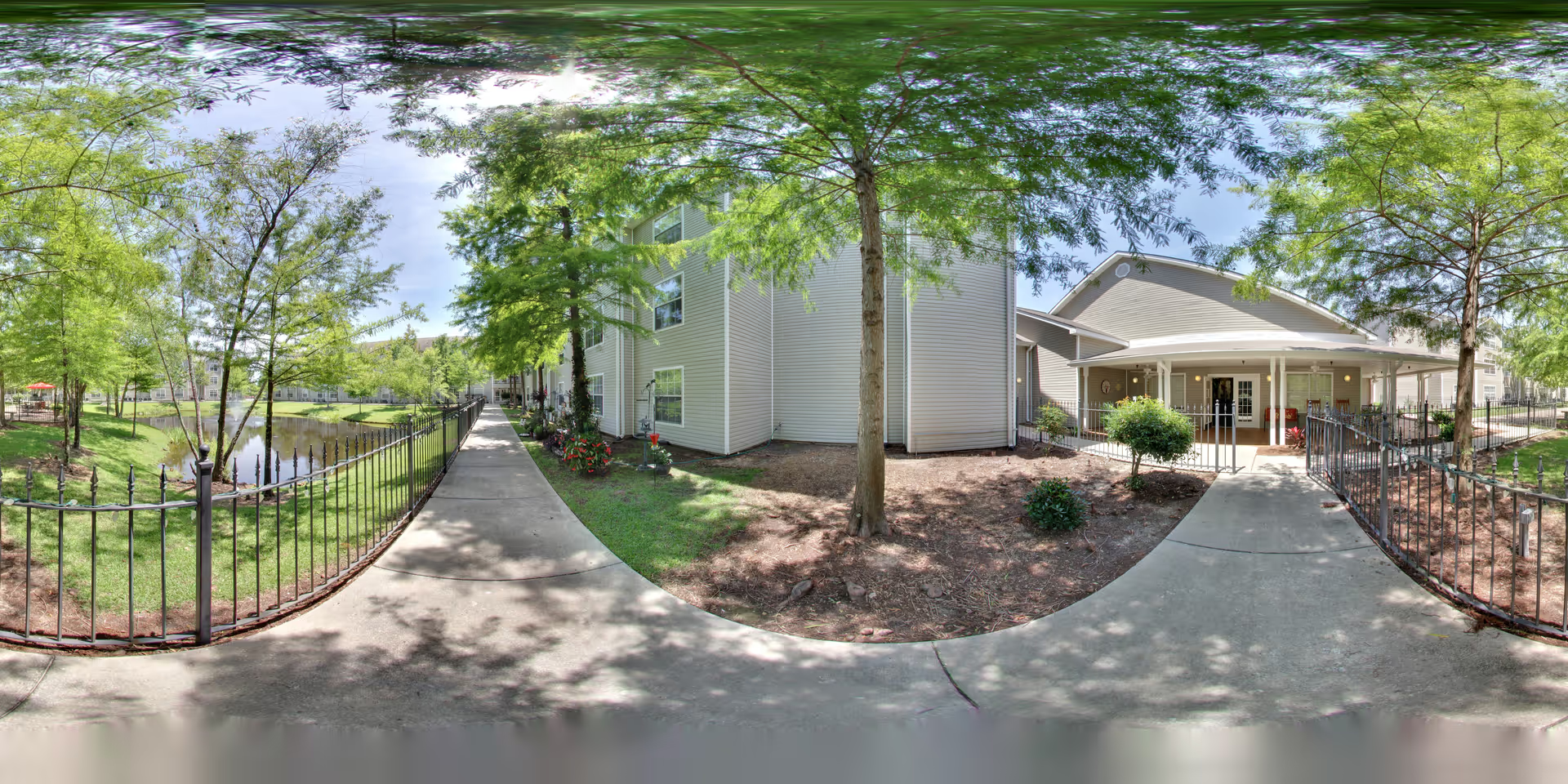
Overall impression Greenbriar Community Care Center presents a mixed picture. The physical plant and amenities are frequently described as a strength: a recently renovated, hotel-like facility with private rooms, large accessible bathrooms, pleasant common areas and holiday decorations. Many families praised the cleanliness, spacious layout, on-site salon and overall welcoming environment. The facility clearly invests in environment and rehabilitation resources, and those elements are often highlighted as reasons families feel comfortable leaving a loved one in the building.
Care quality and clinical services Therapy and rehabilitation services are repeatedly noted as a strong point; families and patients describe effective physical and occupational therapy and progress in functional outcomes. Nursing and CNA performance is more variable in the accounts: some reviews describe attentive, compassionate aides and hands-on nursing that supports recovery, while other accounts point to inconsistent assistance with personal care tasks (including bathing and continence-related support) and variability in medication timing and administration. These inconsistencies create an uneven clinical experience—excellent rehab outcomes for some residents alongside procedural and responsiveness gaps for others. A small number of reviews raised serious individual clinical concerns (transport-safety incidents, hospital transfers and concerns following a resident's death), which indicate the need for stronger clinical oversight and follow-up in select cases.
Staff, professionalism and supervision Staff are widely described in polar terms: many families call caregivers kind, dedicated and helpful, and identify particular staff members and therapists by name. At the same time, there are repeated notes about high turnover, inexperienced CNAs, slow response times, and instances of concerning conduct or communication tone. Specific operational themes include long wait times for assistance, inconsistent supervision leading to wandering or unattended residents, and observed personal-device use by staff during shifts. Management responsiveness is uneven: some reviewers praise director-level involvement and weekly updates, while others describe difficulties getting timely answers and a perception that issues are not consistently resolved.
Dining and activities Dining receives generally positive remarks: warm, nutritious lunches and a varied menu are cited, along with special events (Easter party, bingo, movies) and frequent outings (mall, casino, community trips). A few families wished for greater menu variety or fewer hot meals, but most describe food as serviceable and appropriate for rehab-focused stays. Activity programming is a clear asset for many residents—organized outings, movies, and regular events contribute to a social environment—however, participation and offerings appear uneven across units and stays, and some reviewers felt activity options diminished at times.
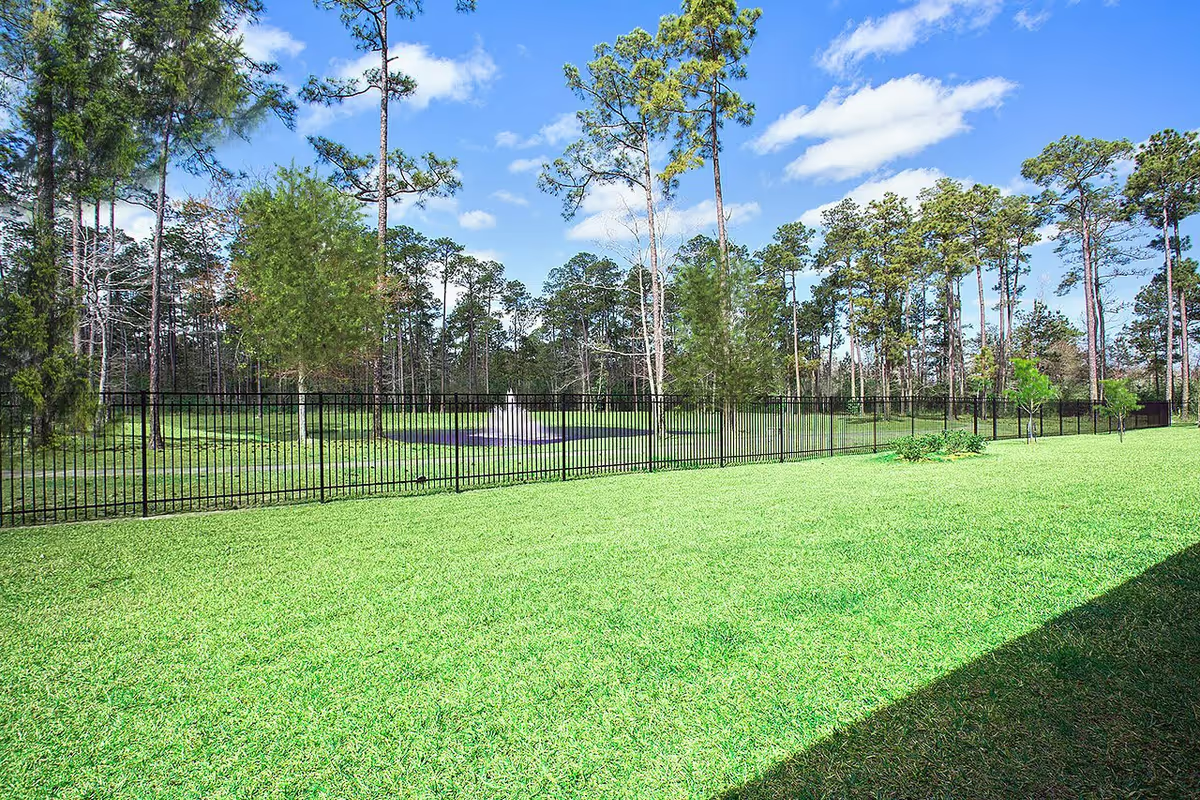
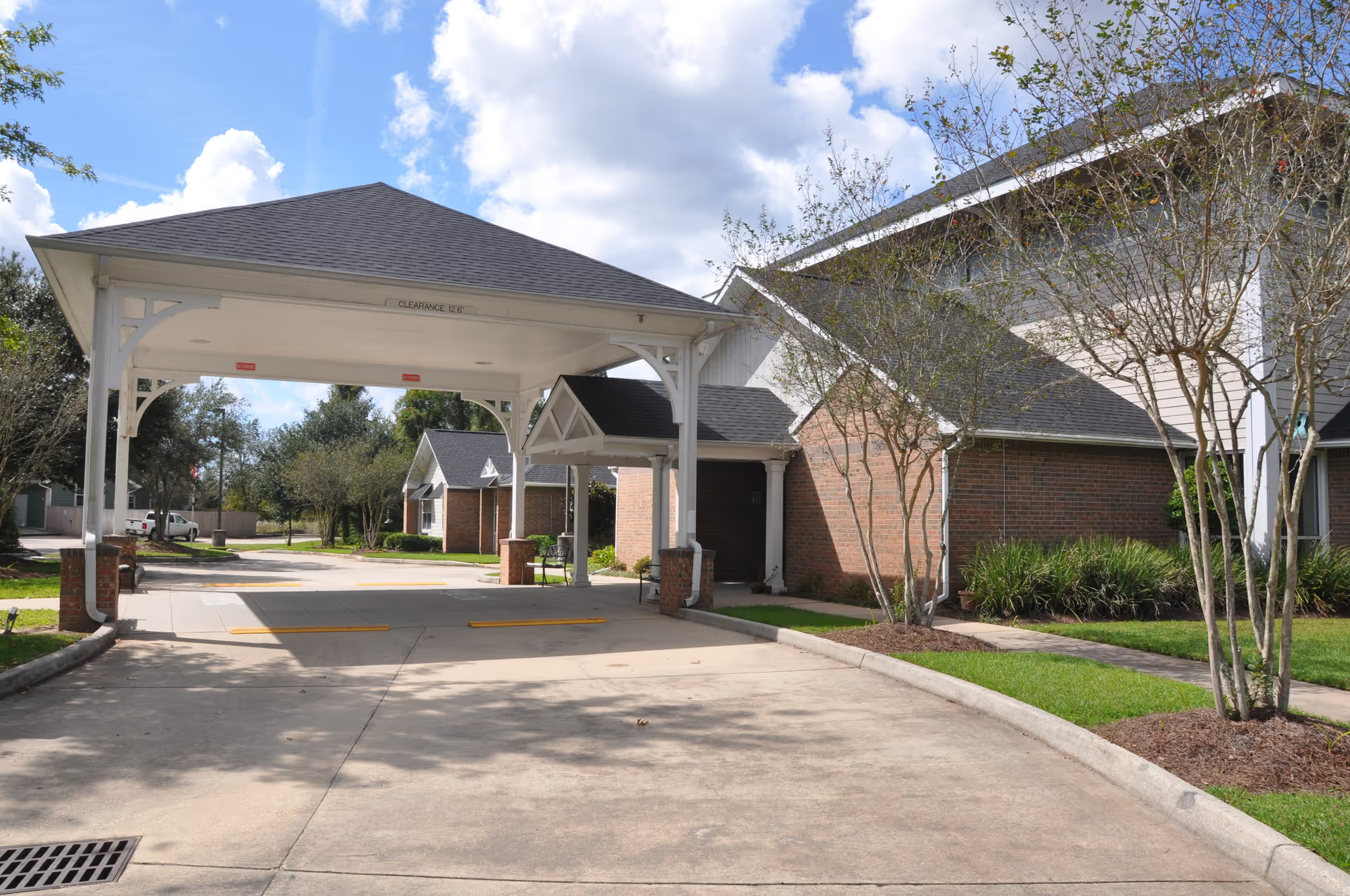
Facilities and safety The facility’s built environment is frequently praised: clean, modern rooms (often private), accessible bathrooms, and pleasant common spaces. Nonetheless, operational safety practices drew concern: accounts point to gaps in transfer/transport safety, occasional injuries during outings or van rides, and inconsistent protection of personal items. These recurring themes suggest opportunities to strengthen protocols for resident transport, inventory/security of belongings, and standardization of care routines.
Management, communication and notable patterns A dominant pattern in the feedback is a split between strong environmental and rehab resources versus variable day-to-day caregiving consistency and communication. Families who emphasized good outcomes typically pointed to proactive therapists, engaged front-desk staff and visible nursing follow-up. Conversely, those with unresolved concerns described slow responses, inconsistent medication timing, problems getting calls answered or connecting via video, and difficulty observing care during quarantine periods. Taken together, the data indicate that Greenbriar has many operational strengths—particularly in facility quality and rehabilitation—but would benefit from focused improvement initiatives around staffing stability, medication and hygiene protocols, family communication systems, transportation safety, and accountability mechanisms to ensure consistent delivery of care across all shifts and units.
Practical considerations for families Prospective residents and families should weigh the facility’s strong rehabilitation services, modern private-room accommodations and active programming against documented variability in routine nursing care and communication. When evaluating placement, families may inquire specifically about staffing ratios, medication administration protocols, visitation/access policies during isolation, transport-safety procedures, and how the facility documents and resolves family-raised concerns. Direct conversations with therapy teams and unit nursing leadership, plus observation of shift change and mealtime routines, may help clarify whether the operational consistency matches the individual’s needs.