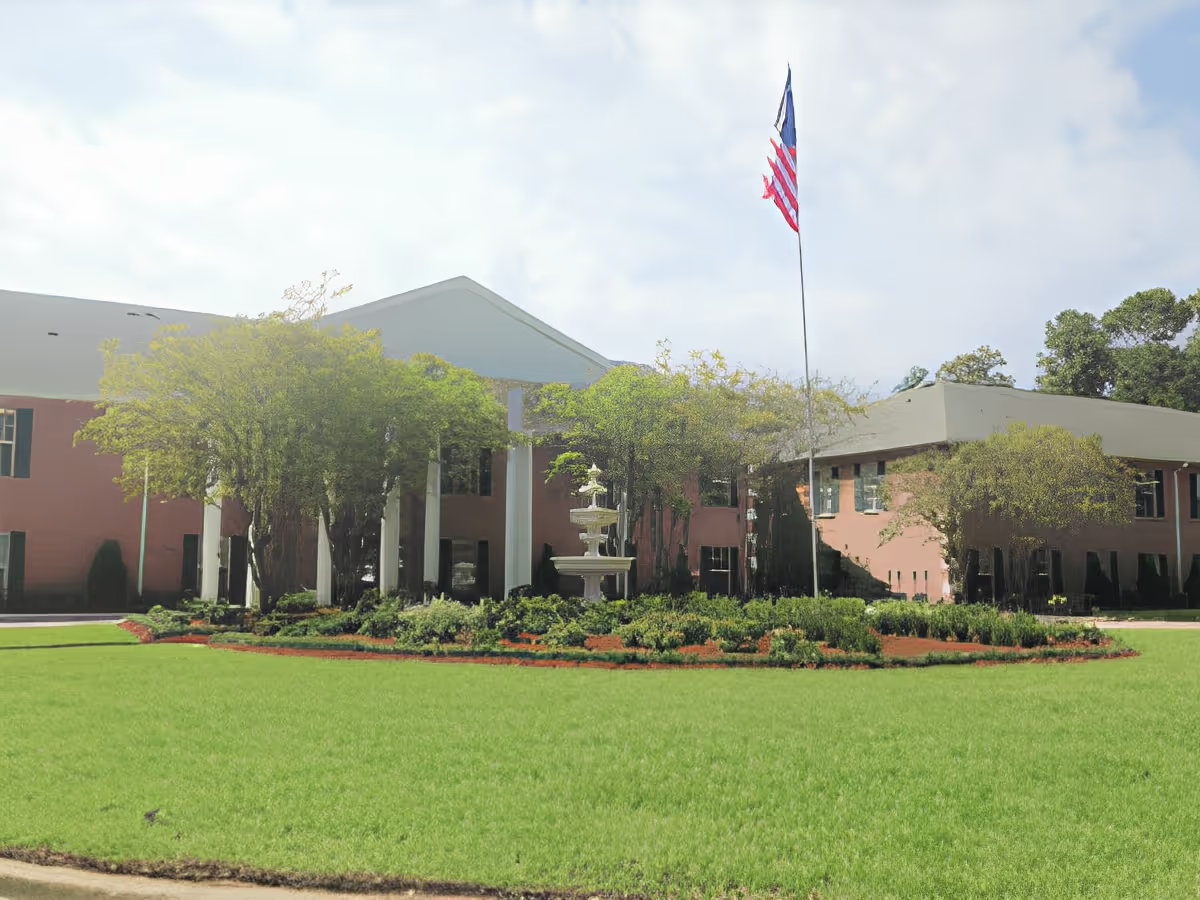
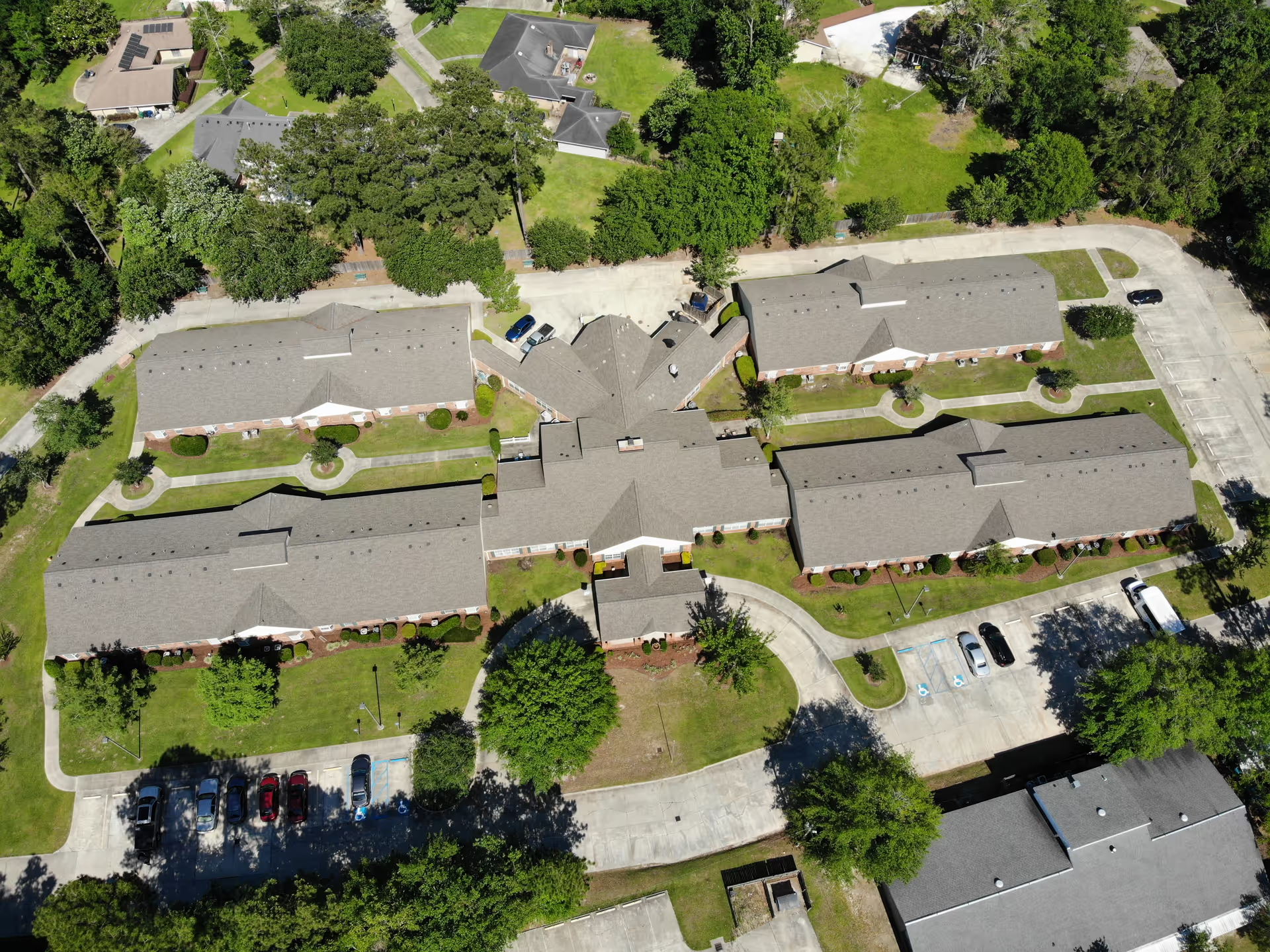
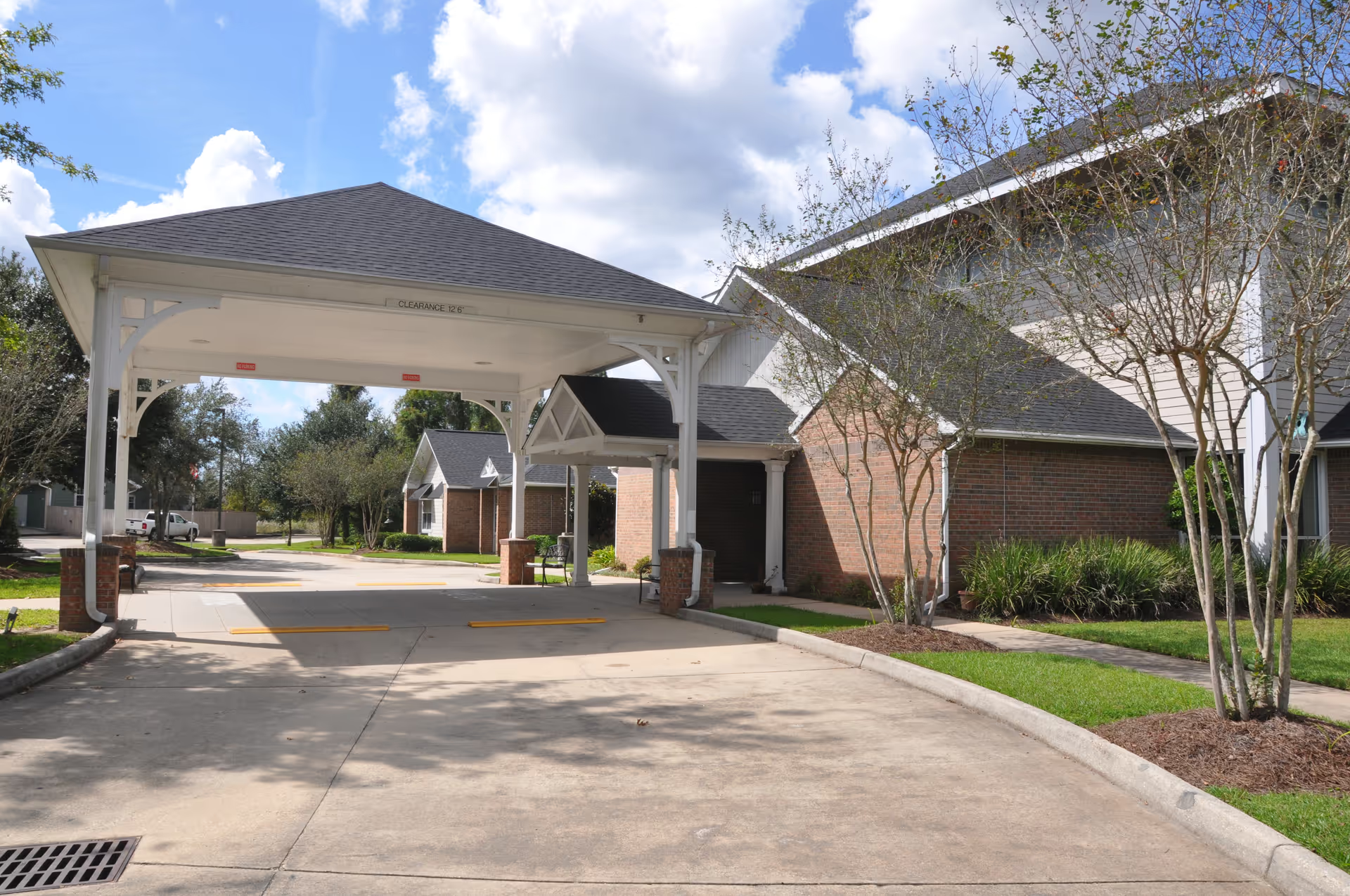
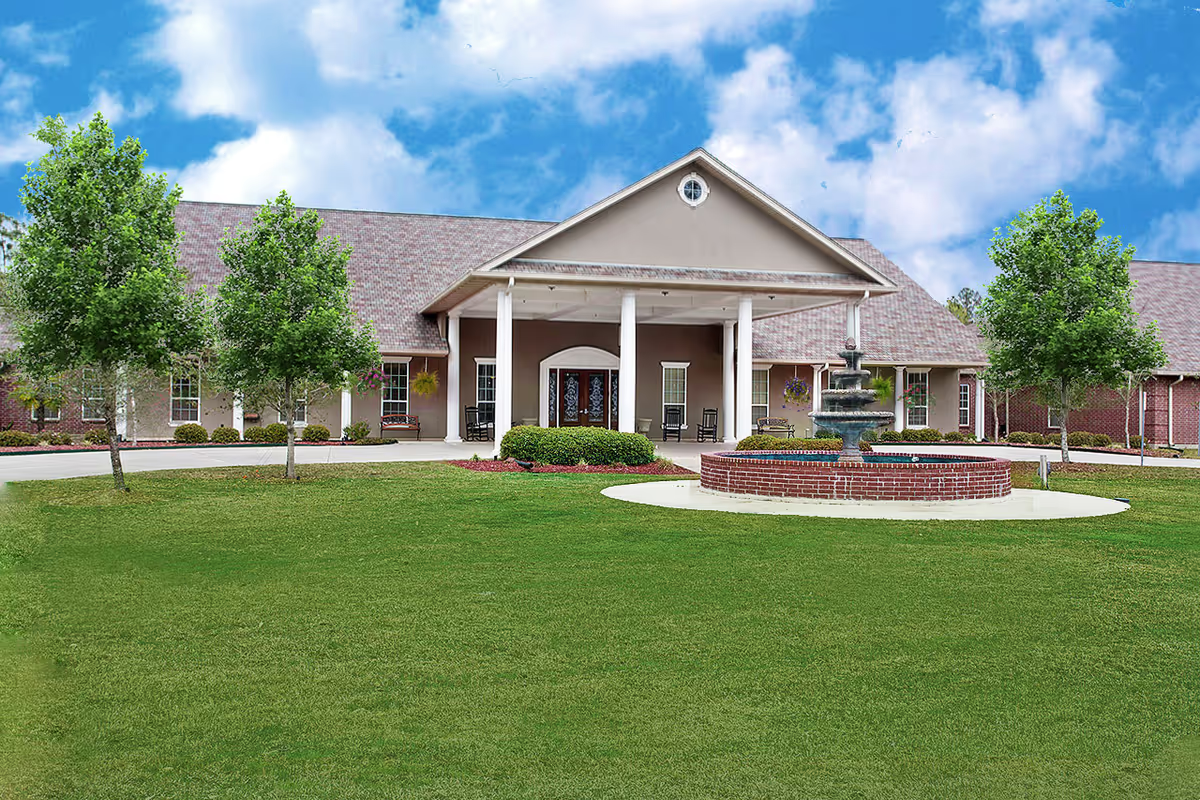
Reviews indicate a facility with a mixed record: several tangible strengths are consistently cited alongside multiple operational weaknesses. Rehabilitation services and therapists receive frequent praise for clinical skill and positive outcomes. Many families also described instances of friendly, helpful frontline staff and clean, welcoming common areas; some residents and families reported satisfactory meal quality and timely updates from staff during positive experiences.
Care quality appears inconsistent. While rehab therapy is often characterized as a strength, nursing and personal-care delivery are described as variable — reviewers cite delays in bathing and grooming, minimal assistance with routine hygiene, and long wait times for basic needs. Clinical responsiveness is also uneven: accounts include delayed provider arrivals and delayed attendance to urgent needs, suggesting gaps in after-hours coordination and provider scheduling. Some reviews raised concerns following a resident's death and other serious incidents; these are serious allegations that would warrant direct inquiry and documentation with regulators or the provider.
Staffing and communication are recurring themes. Understaffing is linked to many of the care and responsiveness concerns. Phone systems and reception coverage are described as unreliable, with unanswered calls and limited receptionist availability affecting family contact and care coordination. Tone and conduct of some staff members were described as disrespectful by families, while other staff members were described as compassionate — this variability points to inconsistent training, supervision, or culture across shifts or teams.
Dining and activities receive mixed comments. Several reviewers praised the meals and a lively atmosphere, but others noted failures to meet specific dietary needs and occasional service gaps (for example, missing supplies or requested items). There is no consistent pattern detailing robust activity programming across reviews; families should ask about current schedules and resident engagement on a tour.
Facility maintenance and equipment are another concern area. Reviewers cited sanitation and cleanliness issues in resident rooms and bathrooms, as well as aging beds, televisions, and bathrooms that may affect comfort and safety. These infrastructure issues, combined with reports of pest-control or odor concerns in some areas, suggest variable environmental maintenance standards.
Management and policy changes are frequently mentioned as contributors to decline in perceived quality. Several reviews describe changes after ownership transition, including altered transportation policies (removal of a facility van and increased reliance on ambulance transport), perceived cost-cutting measures, surprise billing or unclear insurance coverage, and a sense that operational priorities have shifted. Some reviews include serious allegations linking ownership or management to prior problematic incidents; those claims should be treated as high-severity matters and validated independently.
Notable patterns: experiences appear highly variable by unit, shift, and time period. Positive experiences emphasize strong therapy outcomes, compassionate individual staff members, and clean common areas; negative experiences emphasize understaffing, inconsistent personal care, poor communication, unclear billing, and aging infrastructure. Prospective residents and families should tour the facility multiple times, ask for current staffing ratios, request documentation of therapy schedules and billing practices, inquire about transportation options, and speak directly with clinical leadership about recent complaints and corrective actions before making placement decisions.