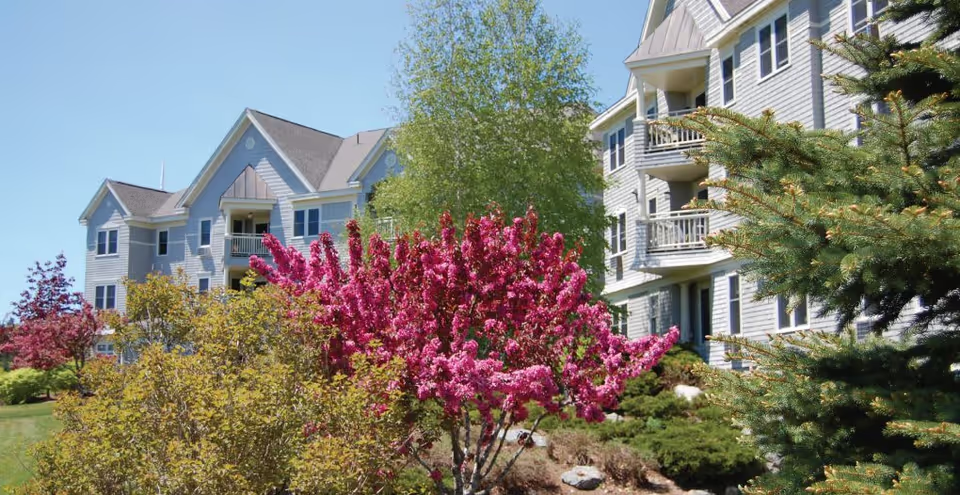
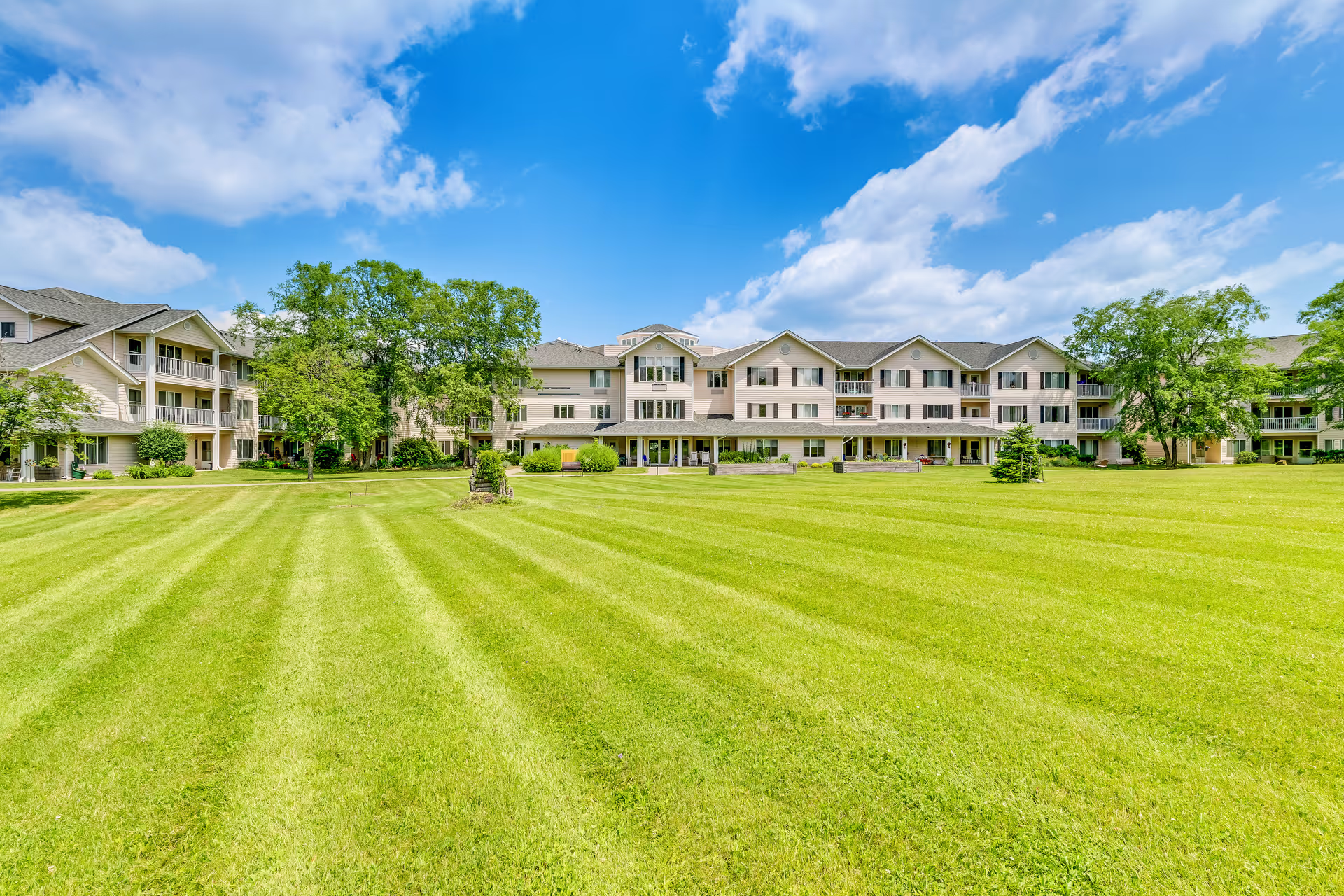
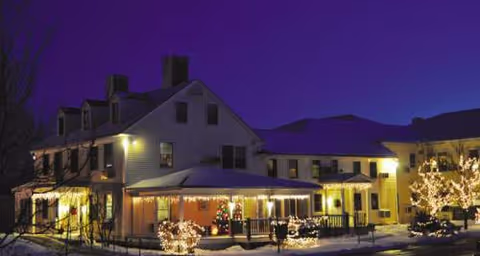
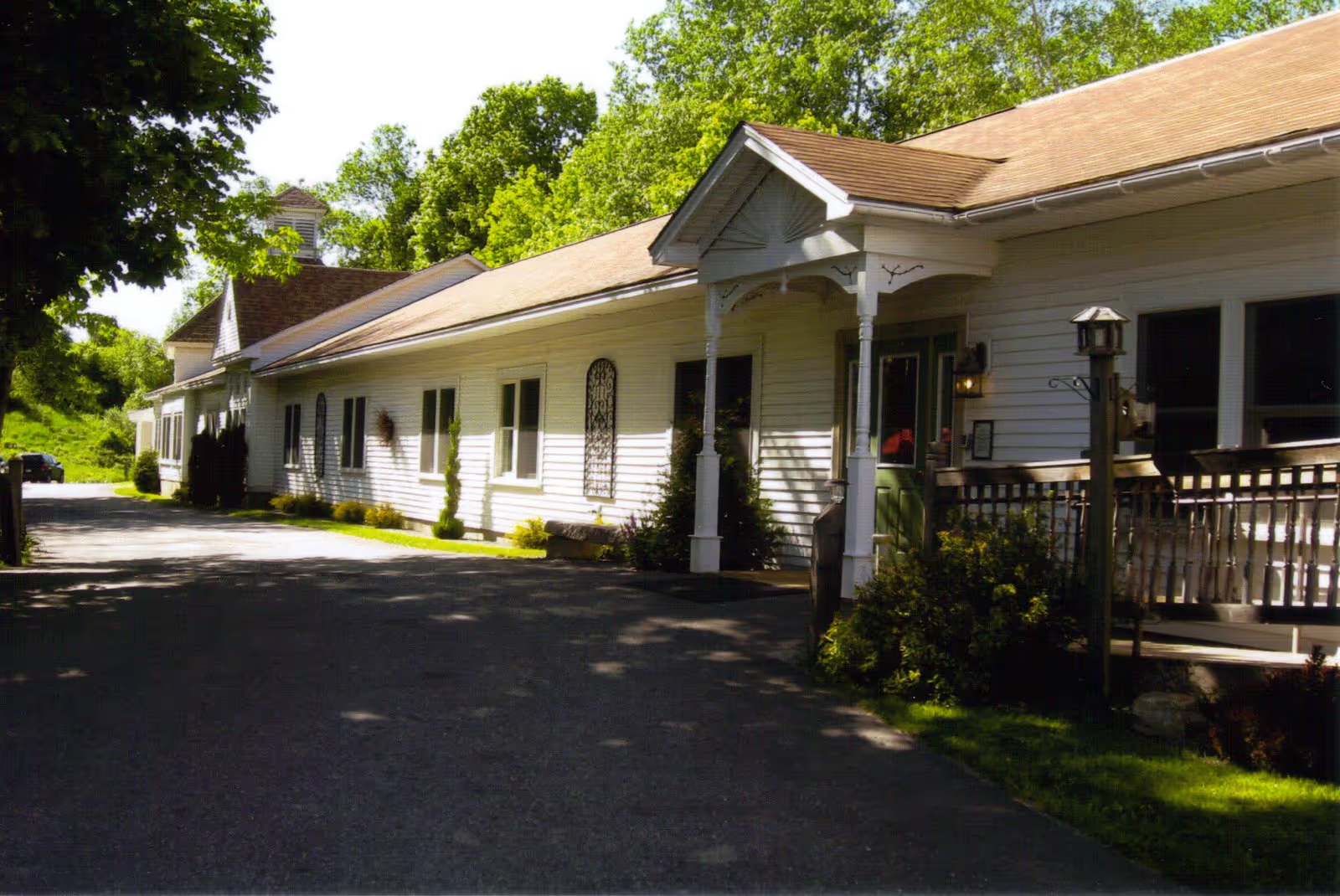
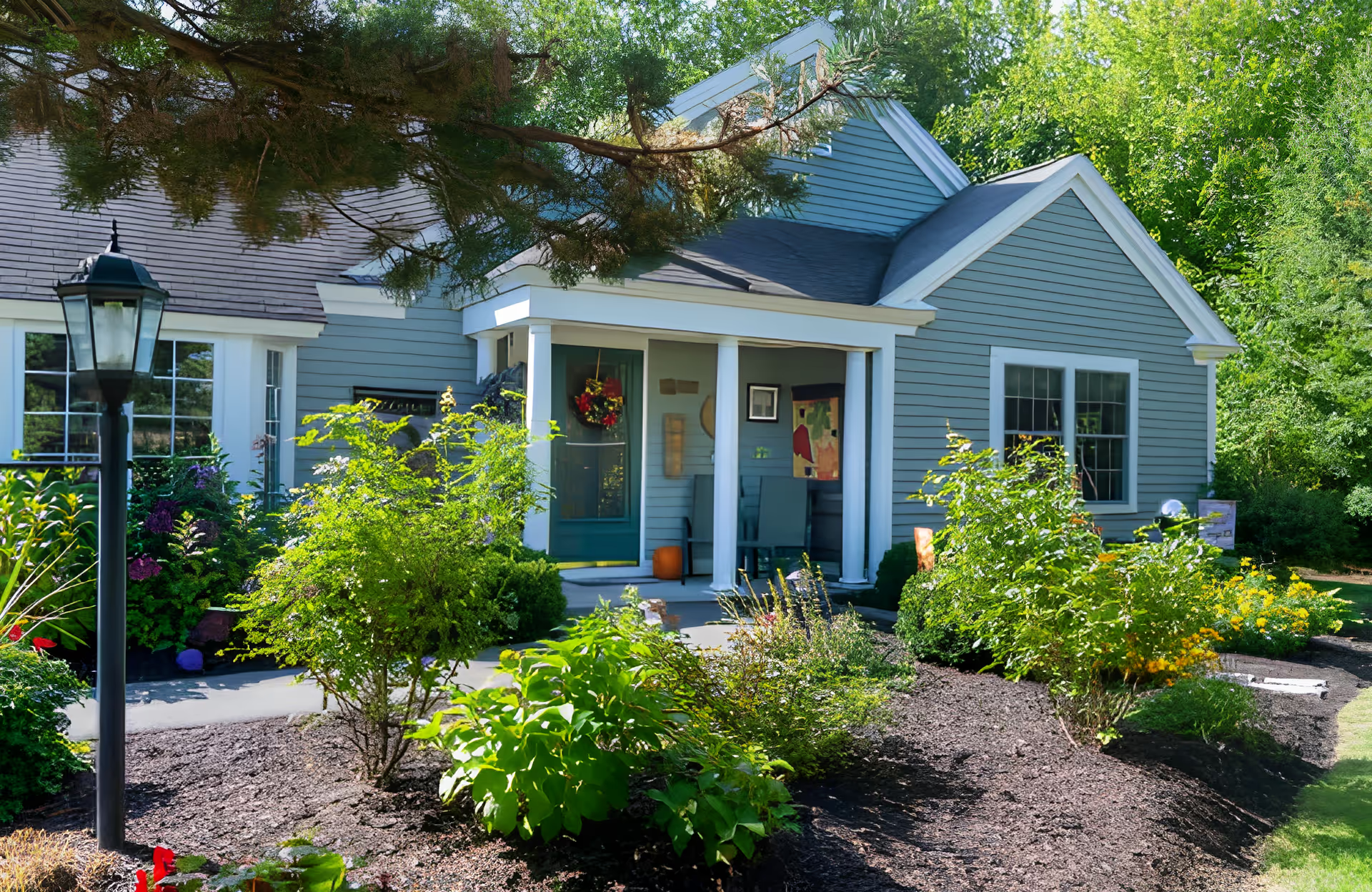
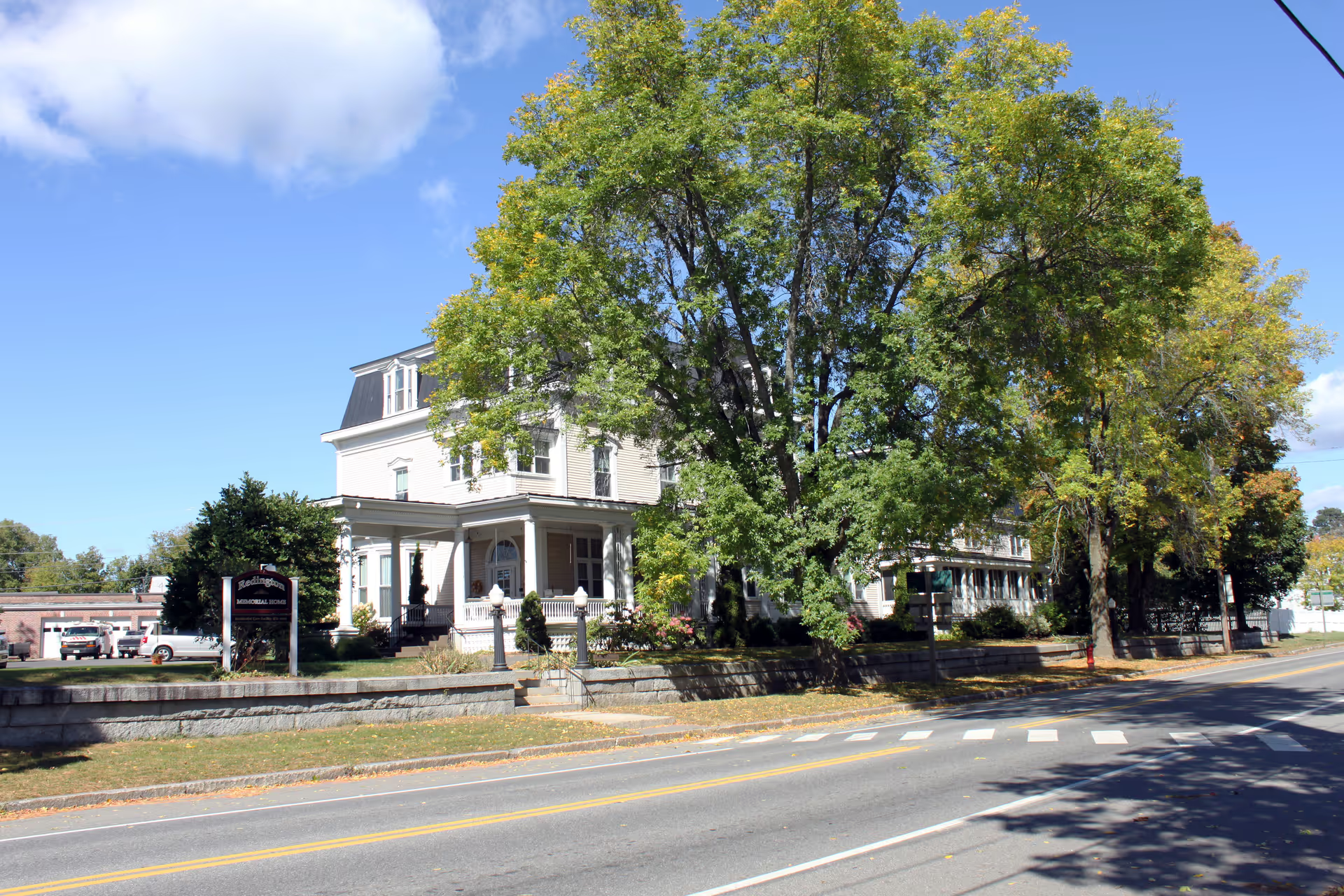
Tall Pines presents a mixed but actionable profile for prospective residents and families. Many accounts highlight strong day-to-day strengths: caring nursing and caregiving staff, a broadly clean and well-kept property, a variety of apartment types (studios through two-bedroom units), and on-site amenities such as exercise facilities, a hairdresser, and a library. The community offers social programming and activities that residents find engaging, and dining is frequently praised for personalized choices and a restaurant-like atmosphere. Several reviewers also noted ease of transition between independent and assisted levels of care within the Tall Pines system.
Care quality and staff conduct are recurring focal points. Numerous families described attentive, compassionate nursing and aide care and an overall supportive resident community. At the same time, other accounts describe concerns about staff responsiveness and professional conduct in specific interactions; there are pattern-level issues around phone accessibility and the main desk answering, which can impede timely response. Related concerns include gaps in clinical communication and follow-up from nurses or physicians and variability in the clarity and perceived effectiveness of therapy and care planning. Prospective families should confirm response protocols, on-call phone arrangements, and therapy oversight during their tour.
Dining and activities are relative strengths. The dining program is frequently described as accommodating with personalized menu choices and a pleasant, restaurant-style dining area. Activity offerings and communal spaces support social engagement; reviewers reference sunny rooms, open gathering areas, and an active resident culture. These programmatic elements contribute positively to quality of life for many residents.
Facilities and operations show a split between newer, well-maintained units and older sections with dated finishes and limited natural light. Reviewers praised clean, sunny rooms and newer studios with kitchenettes, while also noting darker, older areas and variability in housekeeping coverage. Climate control was specifically mentioned as inconsistent during a heat event, and there are operational shortcomings in phone availability and housekeeping staffing levels that can affect day-to-day comfort.
Management and admissions practices reflect both flexibility and limits. The facility accommodates transitions between independent and assisted living for many residents, but there are instances where higher-risk or medically complex admissions were declined, indicating constrained capacity for higher-acuity care. Availability can be limited for certain unit types, leading to wait-listing. Families should ask about the facility’s clinical capabilities, admission criteria, current staffing ratios, and contingency plans for temperature control and communication failures.
In summary, Tall Pines offers a number of desirable features—compassionate caregivers, engaging programming, a variety of unit choices, and notable dining—while exhibiting operational weaknesses that warrant verification during a visit. Important pre-move questions include how the community handles after-hours communication, therapy oversight and care-plan updates, climate control in older units, housekeeping schedules, and the facility’s capacity for residents with higher medical or behavioral needs.