Overall impression is mixed: the facility receives repeated praise for its rehabilitation program and for many individual caregivers, while operational and communication shortcomings create variability in resident outcomes. Families frequently highlight strong OT/PT/ST services and therapists who are effective during short-term rehab and transition periods. Many reviews describe staff who are compassionate, dedicated, and focused on promoting resident independence, contributing to a generally positive community atmosphere on some units.
Care quality shows a dual pattern. Clinical and rehabilitative services are a clear strength — therapy and some nursing teams are described as competent and capable of producing meaningful functional gains. At the same time, reviewers cite inconsistent direct-care coverage (particularly CNAs and on-shift nursing responsiveness), which has been associated with delays in attending to resident needs, issues with nutrition/hydration delivery, and variability in recordkeeping. Several families described concerns about clinical-incident follow-up and documentation, including infection management and accuracy of intake/monitoring records; these indicate gaps in clinical oversight rather than uniform practice failures.
Staff and culture are similarly mixed. Many staff members are characterized as compassionate and supportive, and unit-level teams (the third floor is specifically noted) can provide a reassuring environment for residents and families. However, other accounts describe variable professionalism and communication tone from some nursing staff. Staffing shortages and inconsistent staff continuity are recurrent operational themes that likely contribute to the uneven resident experience.
Dining and daily care: reviewers point to instances of missed meals, delays in supplement or specialized-nutrition delivery, and inconsistent documentation of food and fluid intake. These items suggest the facility has difficulty sustaining reliable nutrition/hydration processes during busy periods or staffing gaps. Prospective residents and families should ask about current meal-service protocols, supplement administration, and monitoring practices during a tour.
Activities and independence: the facility receives positive comments for offering tools and programs that promote independence, and several reviews describe a joyful, engaging environment when staff continuity is present. These strengths appear strongest in units with stable teams and well-staffed therapy programs.
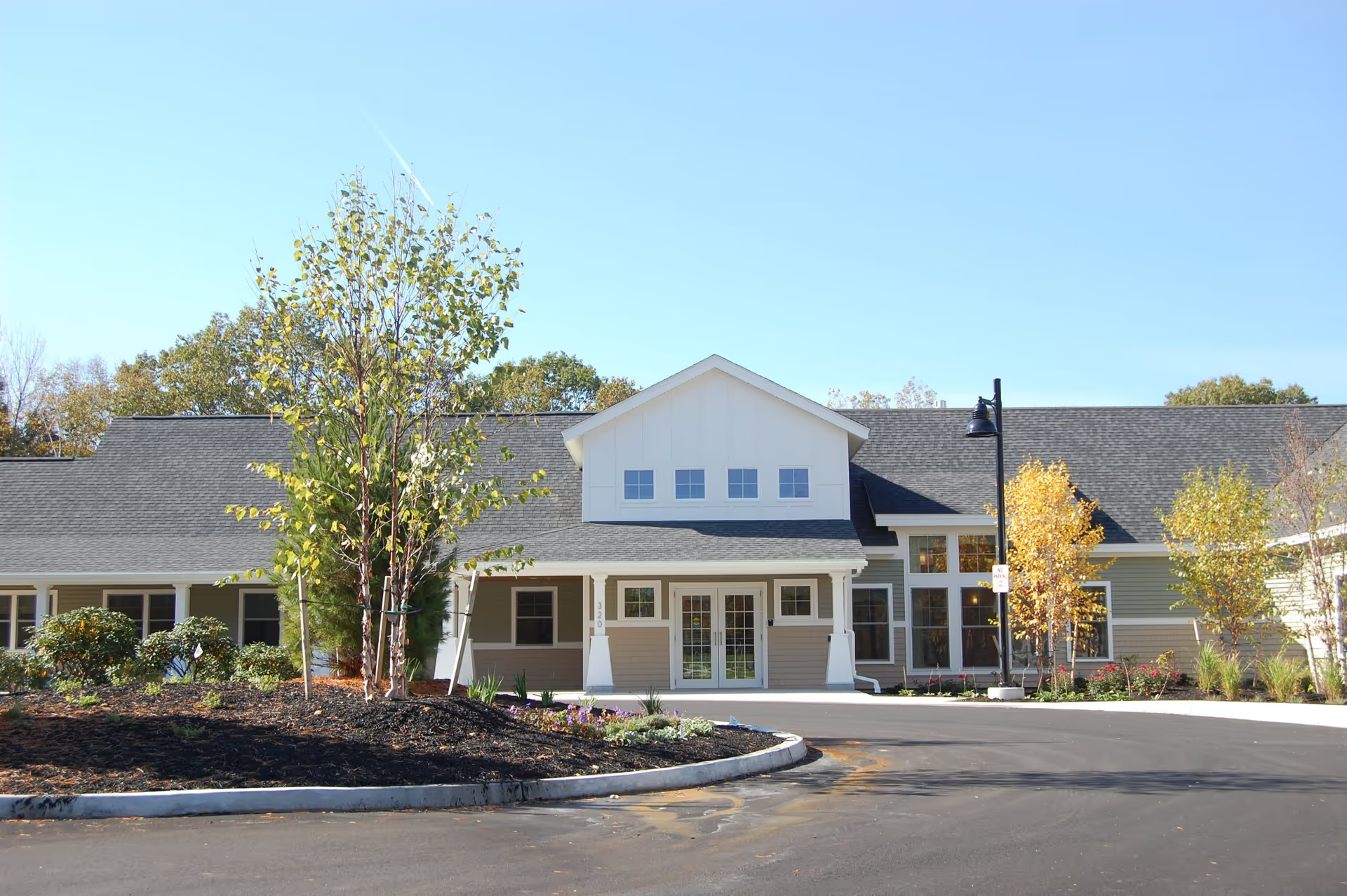
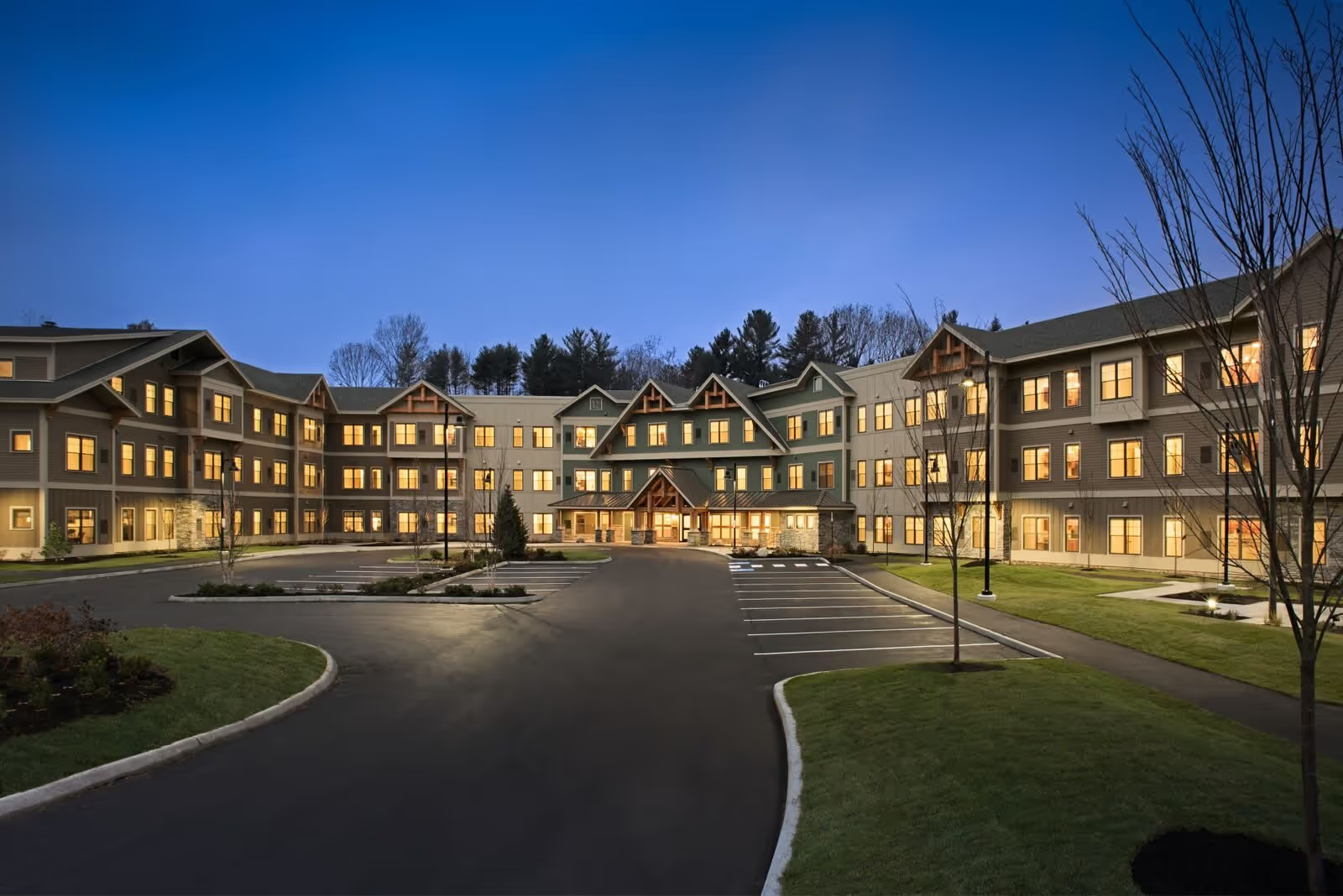
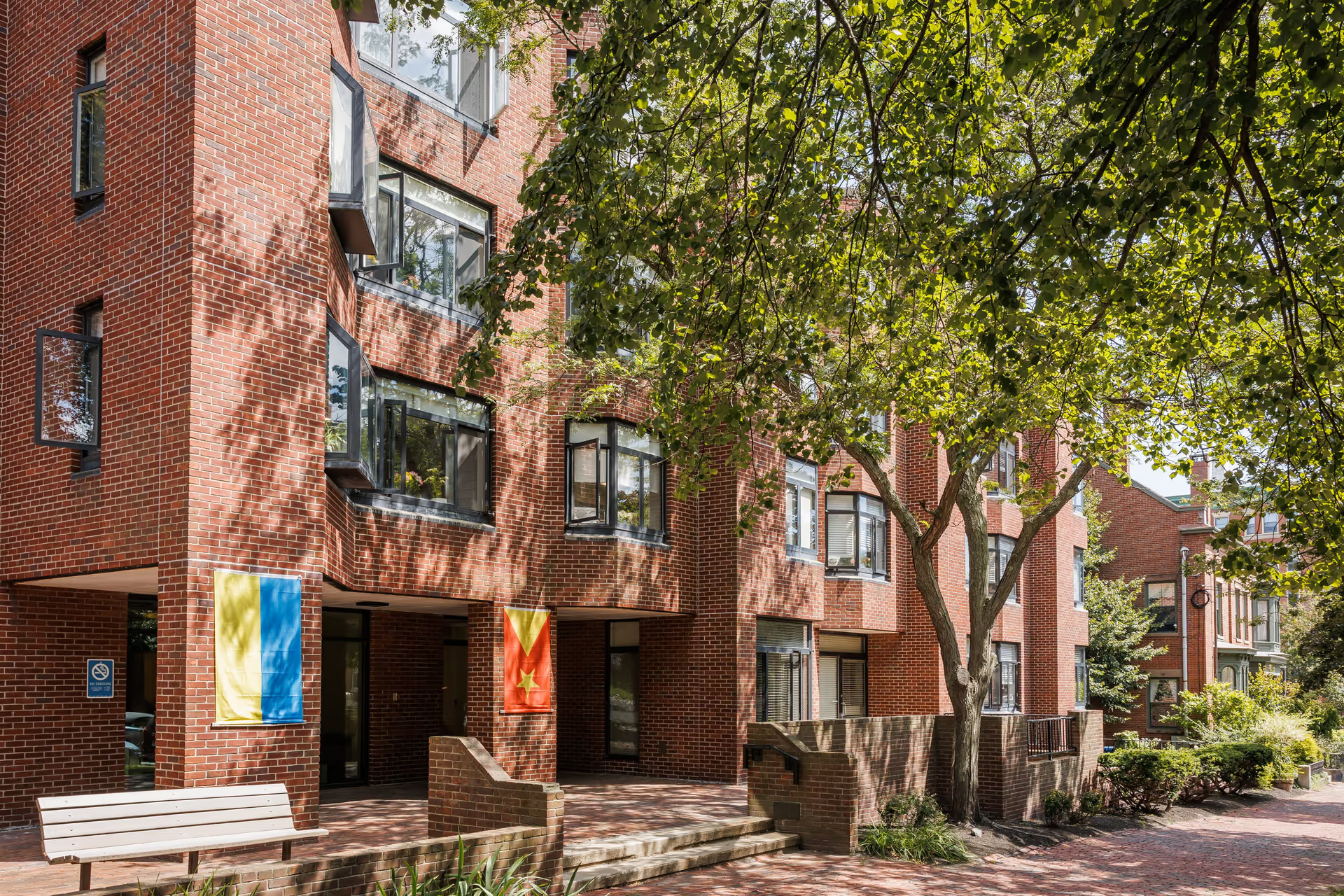
Facilities and management: the physical plant is described as aging in some areas, which may affect resident comfort and perceptions of upkeep. Management-related concerns focus on communication gaps with families, inconsistent follow-through on clinical issues, and variability between units. These are operational areas that, if addressed, could reduce the variability in resident experience.
Notable patterns and recommendations: the two clear patterns are (1) strong rehabilitative and therapeutic capability, and (2) operational inconsistency tied to staffing, communication, and documentation. Experiences appear to vary by unit and by shift. Prospective families should plan a site visit that includes asking about current staffing levels, nutrition and hydration protocols, incident-reporting procedures, and unit-level staffing continuity. If continuity of care and reliable day-to-day assistance are priorities, request to meet unit staff and observe meal and therapy routines before committing.