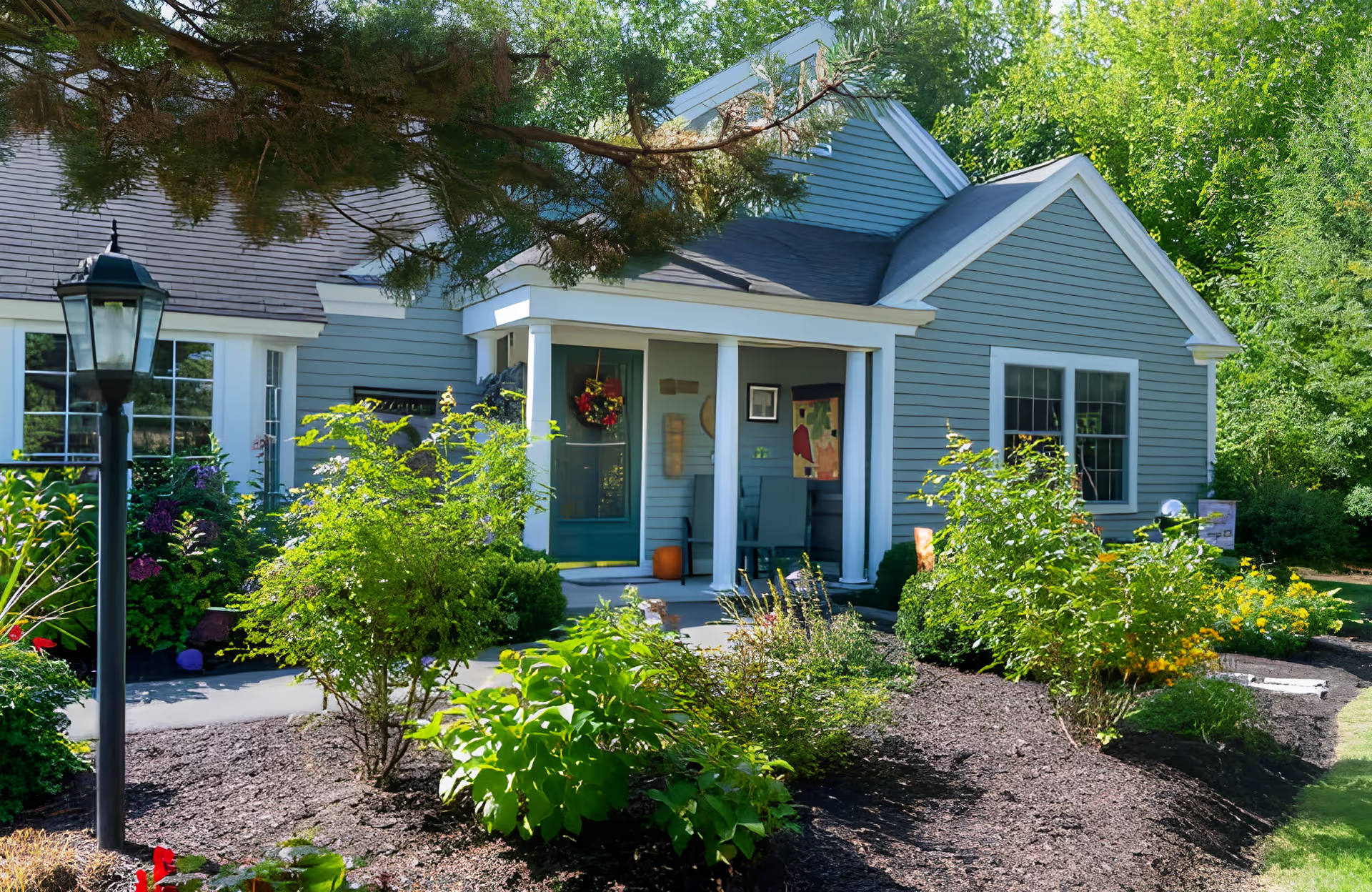
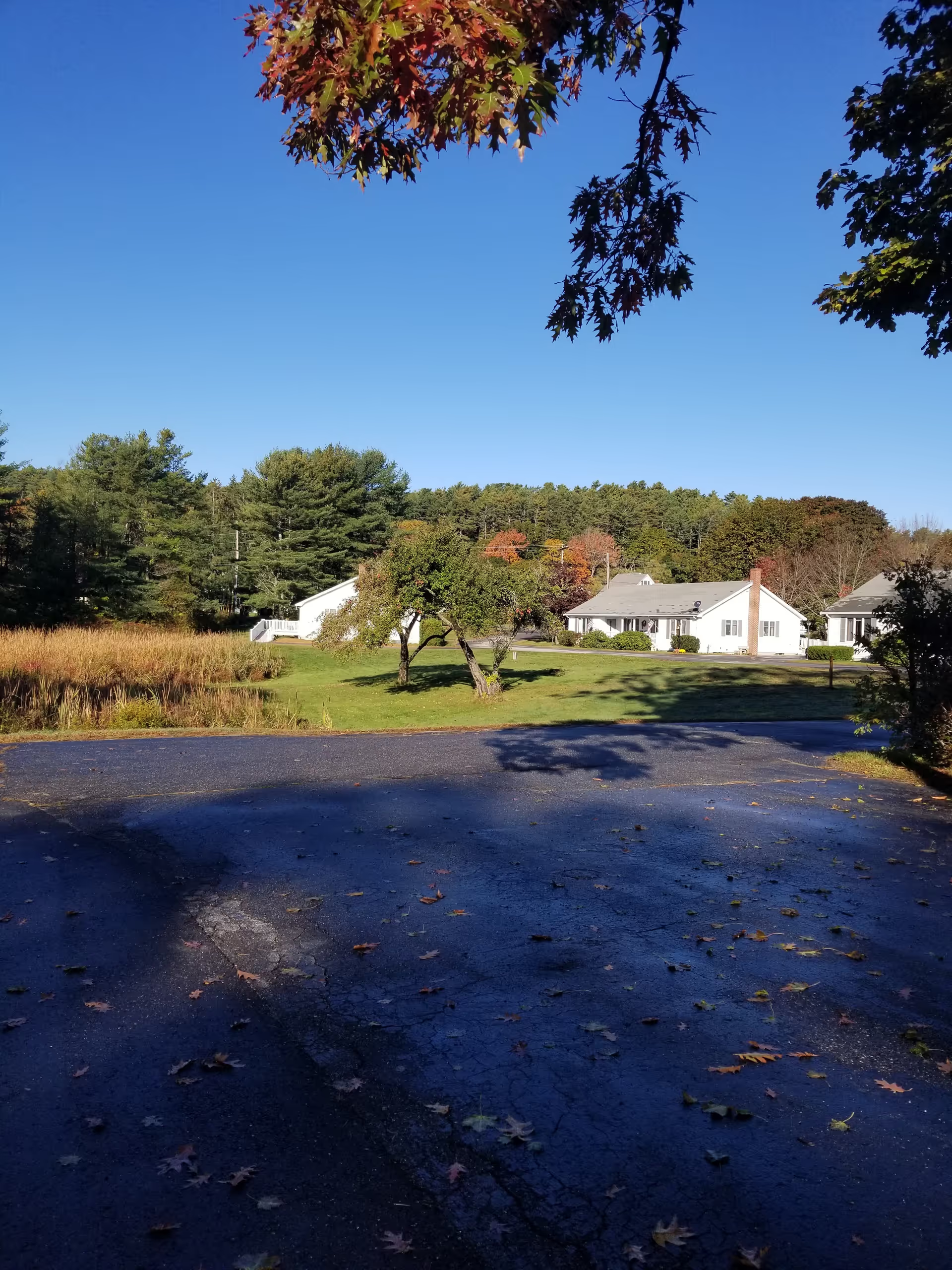
Quarry Hill presents as a well-maintained, campus-style senior living community with several operational strengths and a few consistent limitations. Many families and residents praised the staff for attentiveness, quick emergency response, and small personal gestures that support day-to-day comfort. Clinically, the presence of an on-site medical director and 24-hour CNAs, together with readily available maintenance, contributes to a perception of reliable baseline care. The community's programming and social life—shopping trips, musical evenings, games, speakers, and occasional special events—are frequently described as meaningful and engaging.
Care quality is generally viewed positively, with specific praise for individualized attention in assisted living and respectful end-of-life practices. At the same time, reviewers described operational inconsistencies that affect personal care routines and room upkeep: missed or irregular bathing, bedmaking, and other housekeeping tasks were cited as areas needing more consistent execution. A notable operational weakness is coordination during transfers and discharges; families reported distress when moves were not well coordinated and when communication around transitions was insufficient.
Dining and activities receive mixed feedback. Activity programming is a clear strength—regular outings and a range of group and small-group options are available—although participation and frequency were sometimes reduced during infection-control periods. Dining impressions range from excellent to merely adequate: some reviewers praised the dining room and meals, while others wanted a more varied menu, more meal choices, or a more upscale dining ambiance. These mixed impressions contribute to concerns about overall value relative to cost.
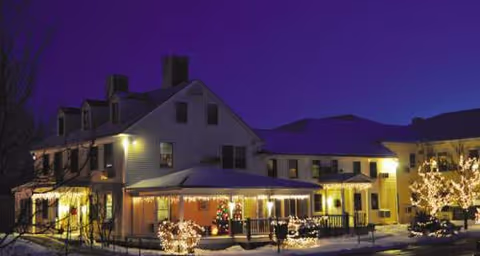
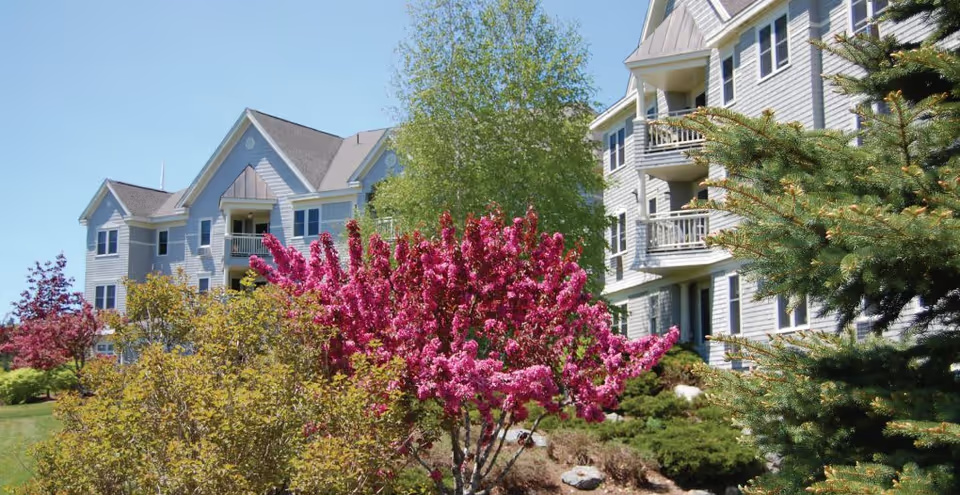
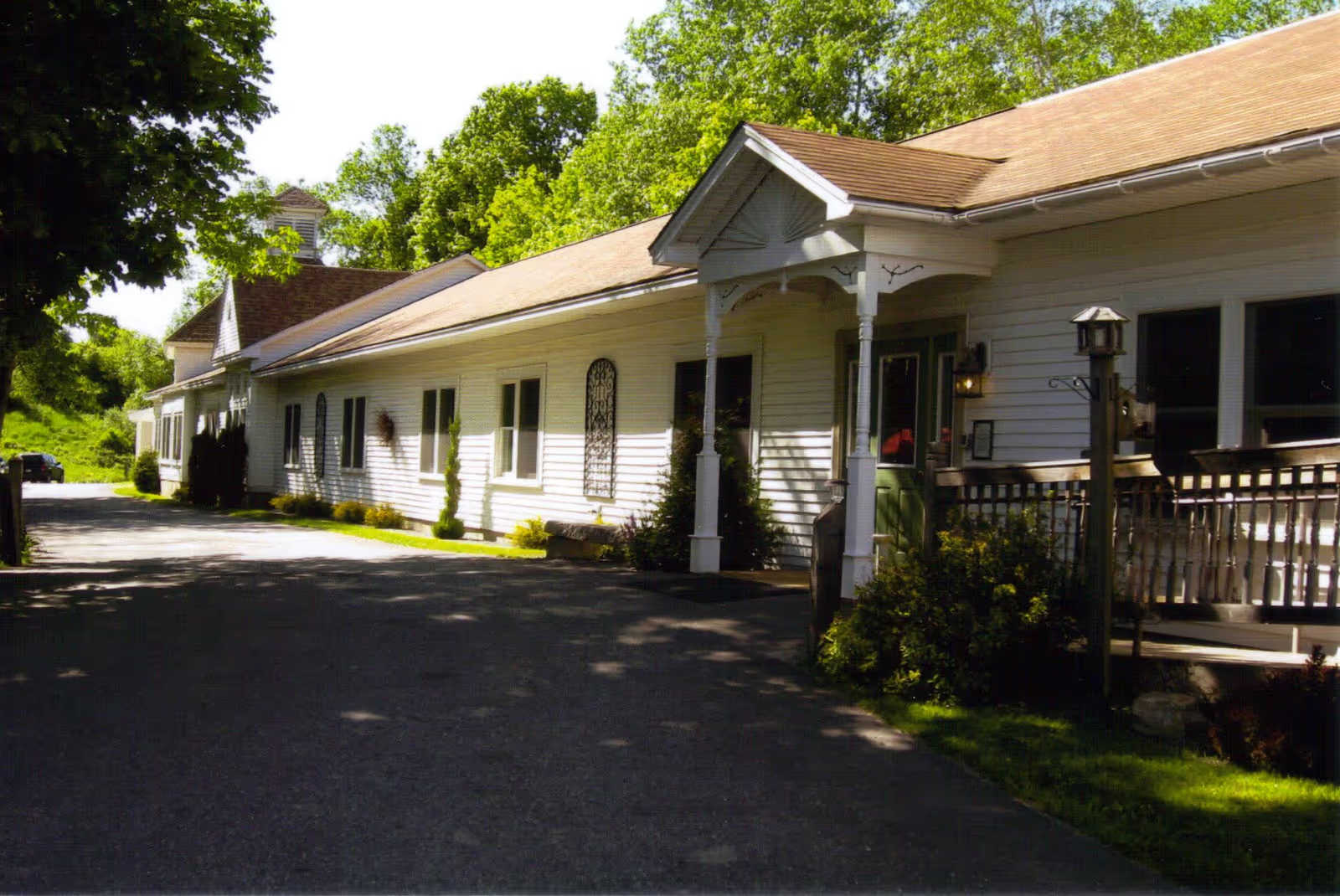
Facility design balances high-quality interior finishes with some functional drawbacks. Apartments are noted for high ceilings, thick walls, quality finishes, radiant floor heating, and plentiful daylight; common areas are kept clean and landscaping is well maintained. Conversely, corridor design and lighting are a recurring concern—narrow hallways and dim, fluorescent-lit corridors can feel institutional—and exterior siding and color choices drew critical comments. Unit sizing is another practical limitation: the largest available apartments were described as tighter than expected, and storage can be limited.
Management strengths include visible maintenance responsiveness and a generally clean, pleasant environment. Persistent operational issues for prospective residents and families to evaluate include consistency of personal-care services, dining variety and value, the facility's approach to transfers and family communication, and visitation policy flexibility during outbreaks. Overall, Quarry Hill appears to offer strong day-to-day care and an active social environment, making it a reasonable fit for those who prioritize attentive staff, high-quality interiors, and programming—while families who place a premium on flawless housekeeping, larger unit footprints, or more flexible transfer/visitation processes should seek further clarification during tours and contract discussions.