The reviews of East Point present a highly polarized picture: several families describe an attractive, well-maintained facility where staff are warm, attentive, and focused on resident dignity and safety, while other accounts raise serious operational concerns related to care delivery, oversight, and leadership. This divergence suggests meaningful variability in resident experience that prospective families should investigate in person and by asking targeted questions about current staffing, incident history, and regulatory status.
Care quality appears inconsistent. Positive accounts emphasize compassionate caregiving and reliable meal service, creating a home-like environment for many residents. Conversely, other reports indicate lapses in basic personal-care assistance (including feeding and bathing support), delays in responding to residents' needs, and situations that prompted some families to relocate loved ones urgently. These patterns point toward gaps in day-to-day clinical oversight and in processes that ensure consistent delivery of personal care across shifts.
Staffing and interpersonal conduct are described at opposite ends of the spectrum. Several reviewers praise friendly, respectful staff and managers who emphasize resident safety; however, other families describe variable professionalism, unhelpful communication, and concerns about staff conduct and responsiveness. This variability may reflect uneven training, high staff turnover, or inconsistent supervision. Prospective residents should ask about staff-to-resident ratios, staff training programs, and recent turnover when assessing current conditions.
Dining and activities receive mixed commentary. Many reviewers note dependable meals and a pleasant dining environment, contributing to residents feeling comfortable. At the same time, some families report interruptions or failures in meal assistance for residents who require help. There is limited specific information about organized activities; the prevailing impression from positive comments is a social, home-like atmosphere rather than a highly programmed activity calendar.
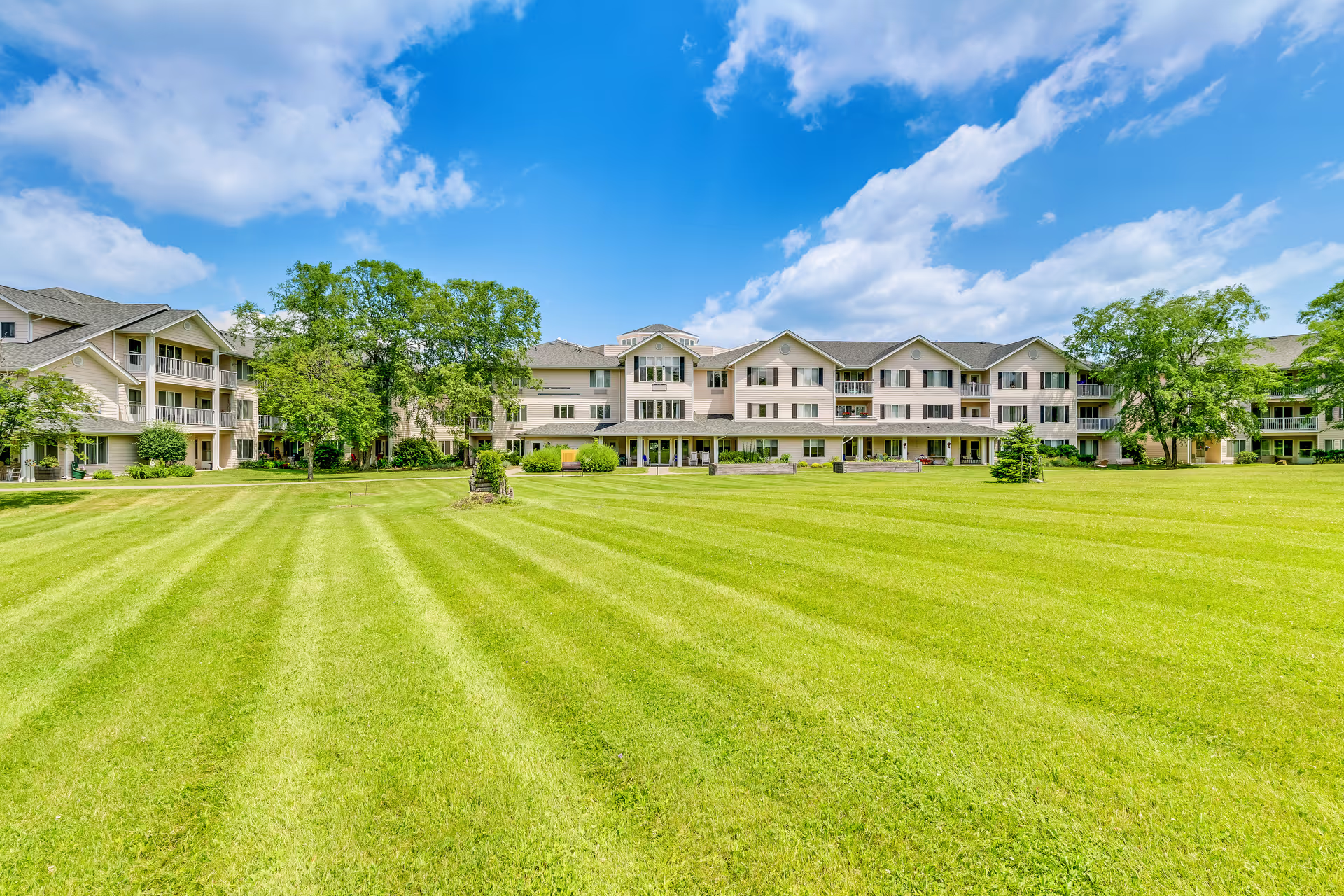
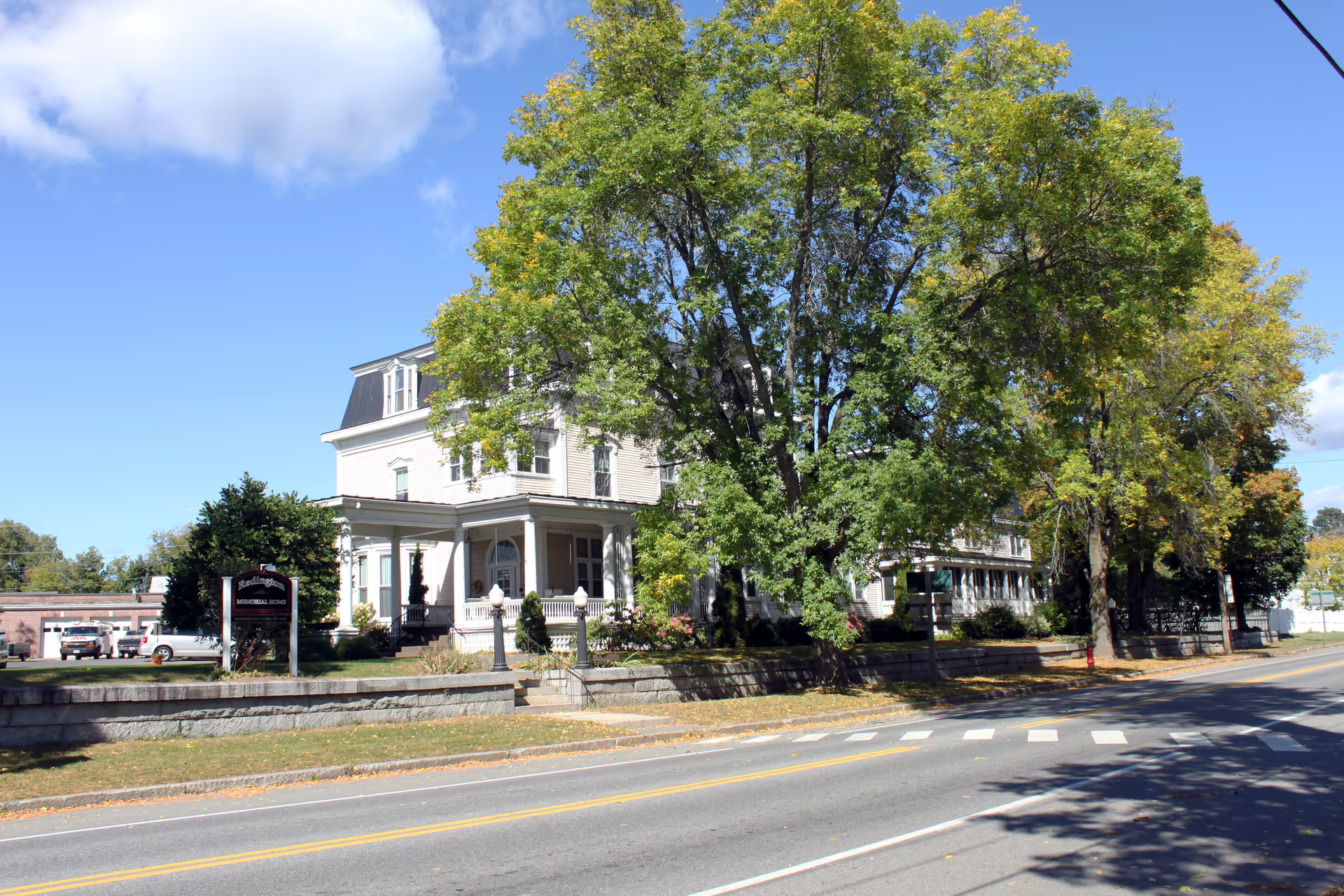
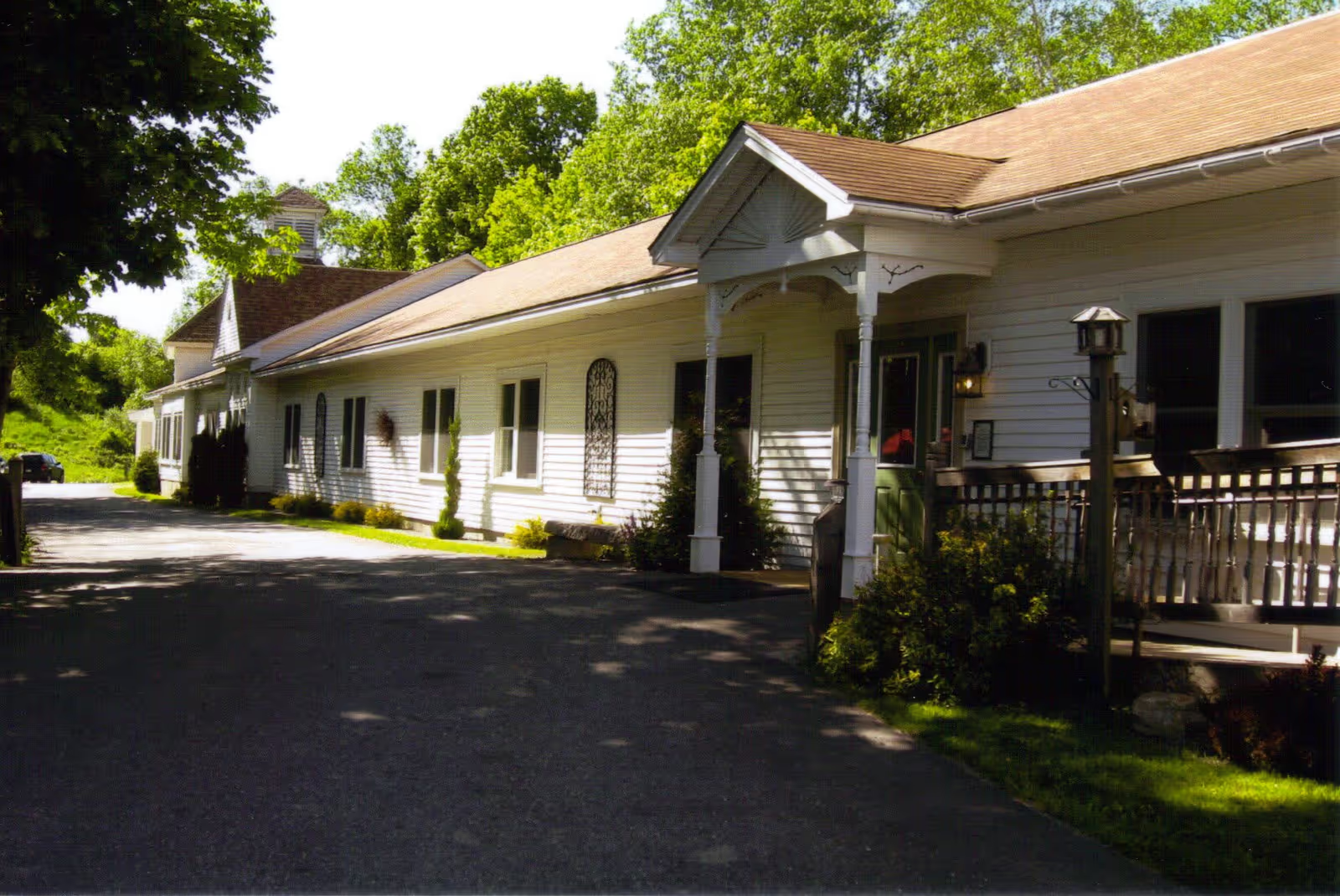
The physical plant is frequently described as attractive and well cared for, which is a clear strength. Nevertheless, safety-related operational issues are also raised: frequent alarm activations, delayed alarm responses, and other monitoring shortfalls were mentioned. These suggest a need to review alarm policies, response times, and transfer-safety practices to ensure resident protection in practice, not only in policy.
Management perspectives vary widely. Some reviewers describe leadership that prioritizes resident safety; others characterize administrative behavior as dismissive or ineffective. There are mentions of regulatory scrutiny and concerns that escalated to the point of families seeking relocation for loved ones. Given those accounts, families should request up-to-date information about any regulatory investigations, corrective action plans, and the facility's progress on those items.
Notable patterns to consider before making a placement decision are the clear split between highly positive experiences and severe negative claims, the recurring themes of inconsistent personal-care assistance and staff responsiveness, and the potential implications of regulatory attention. To evaluate current conditions, visit multiple units at different times, ask for recent inspection reports and staffing data, and speak with current families about consistency of care and communication from management.