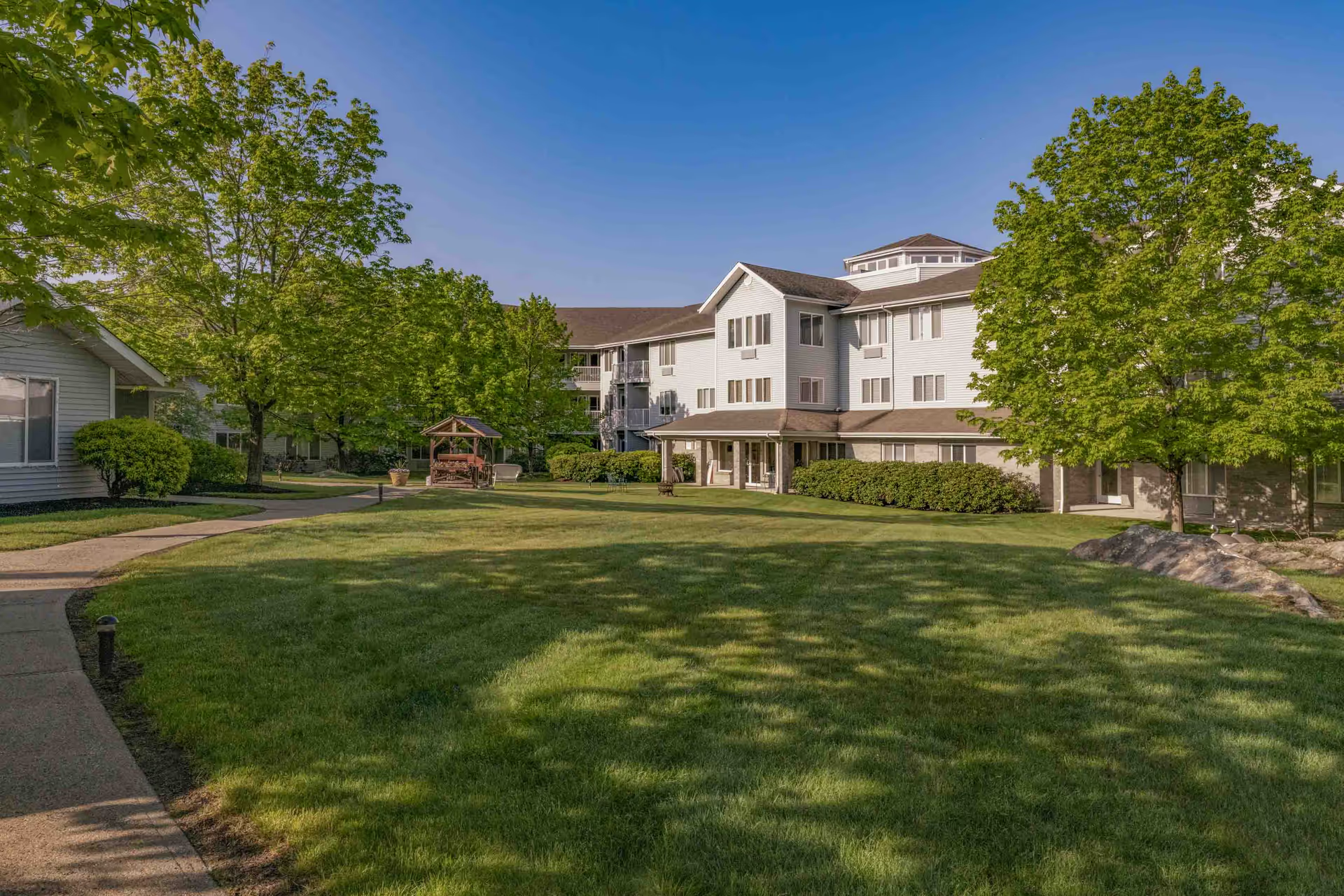
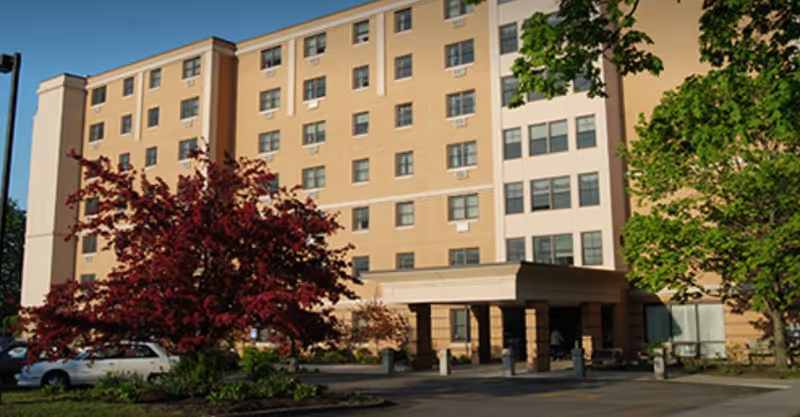
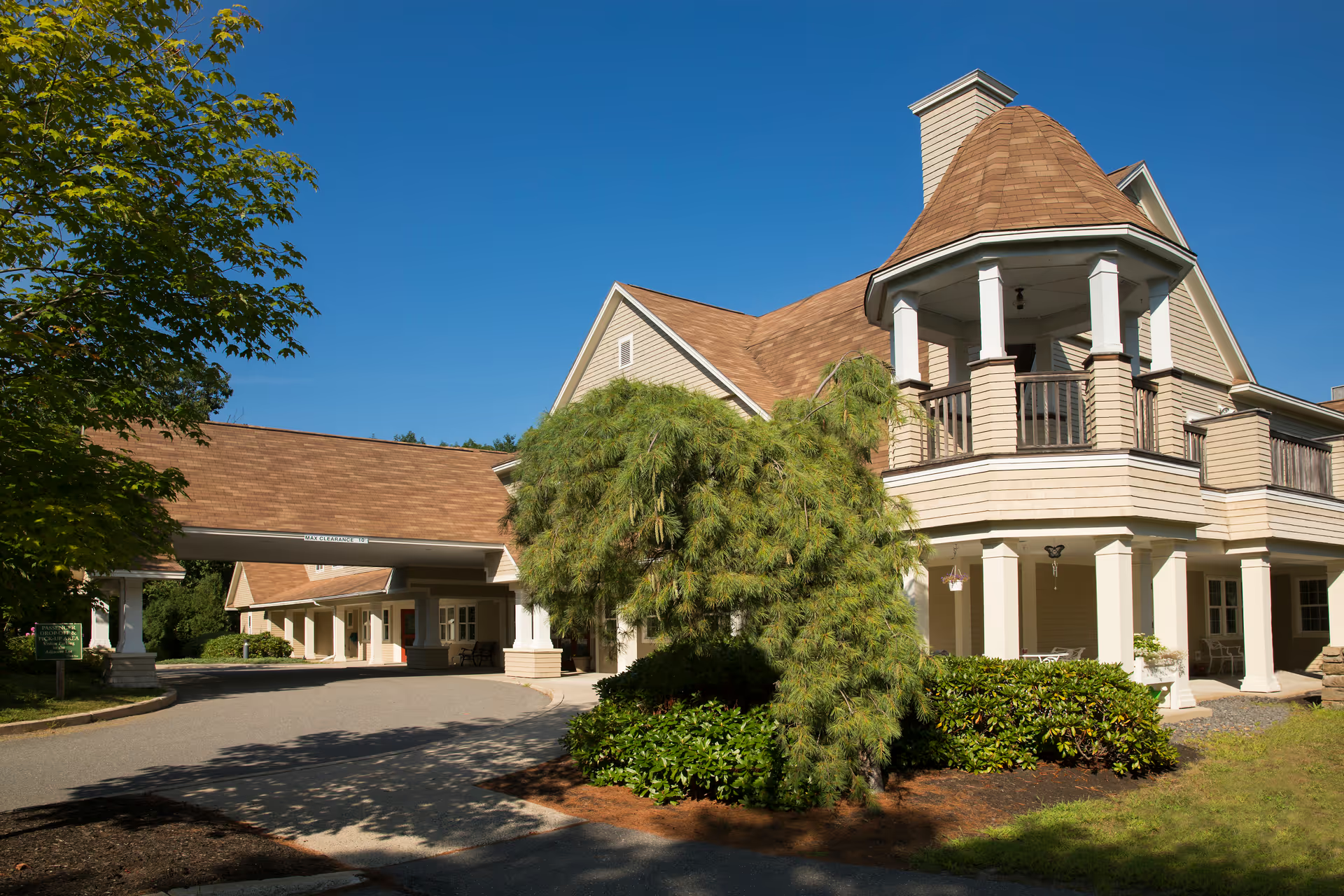
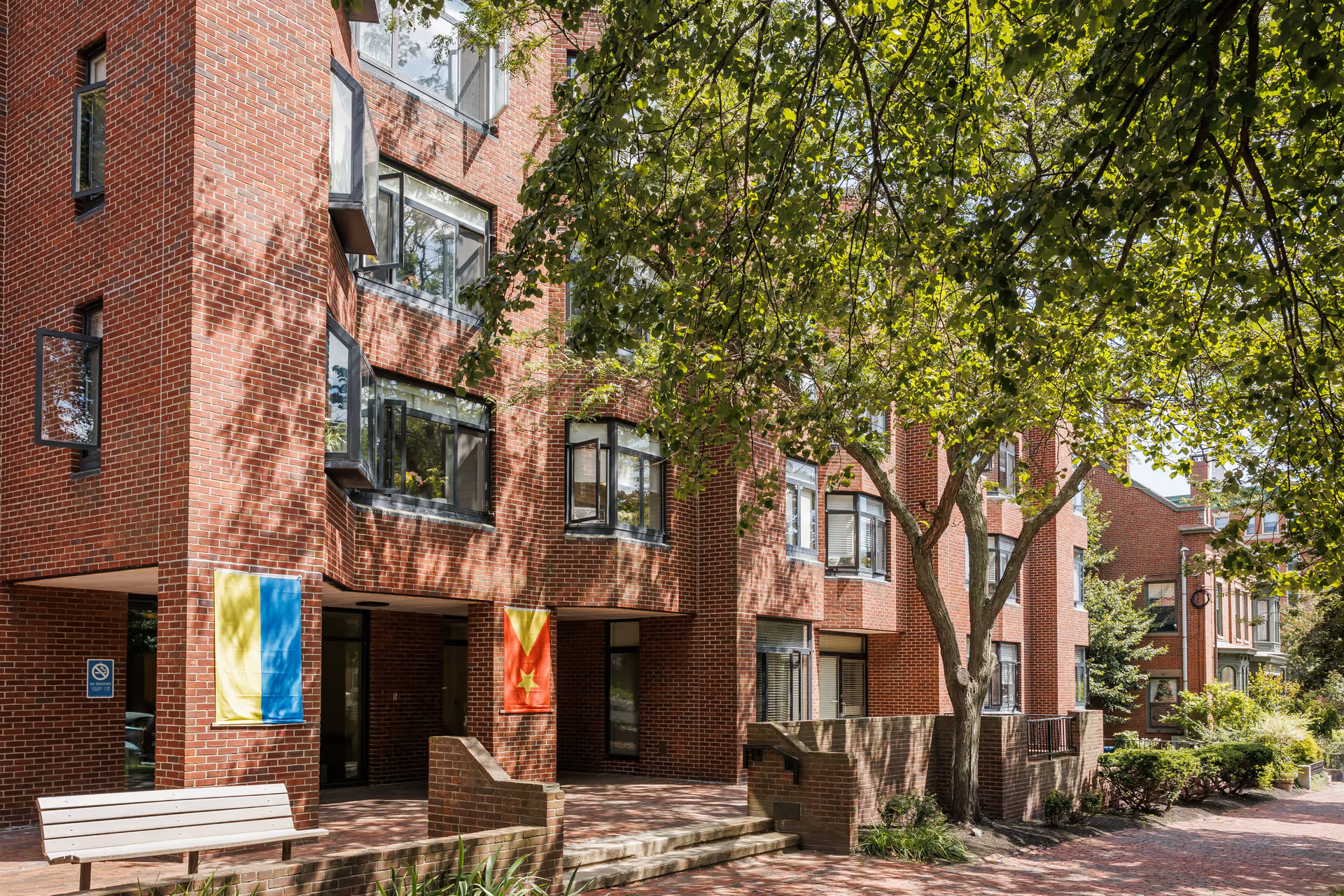
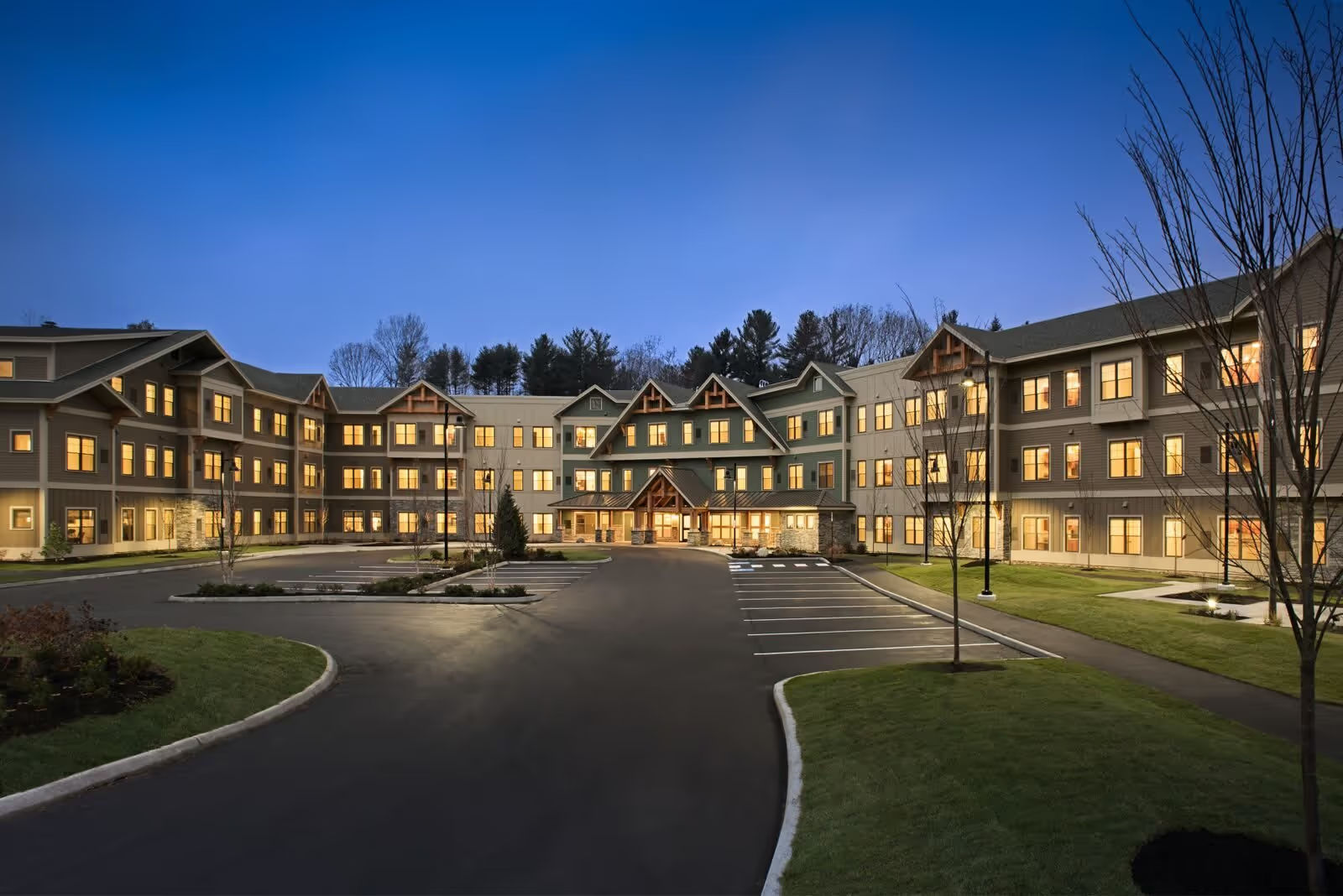
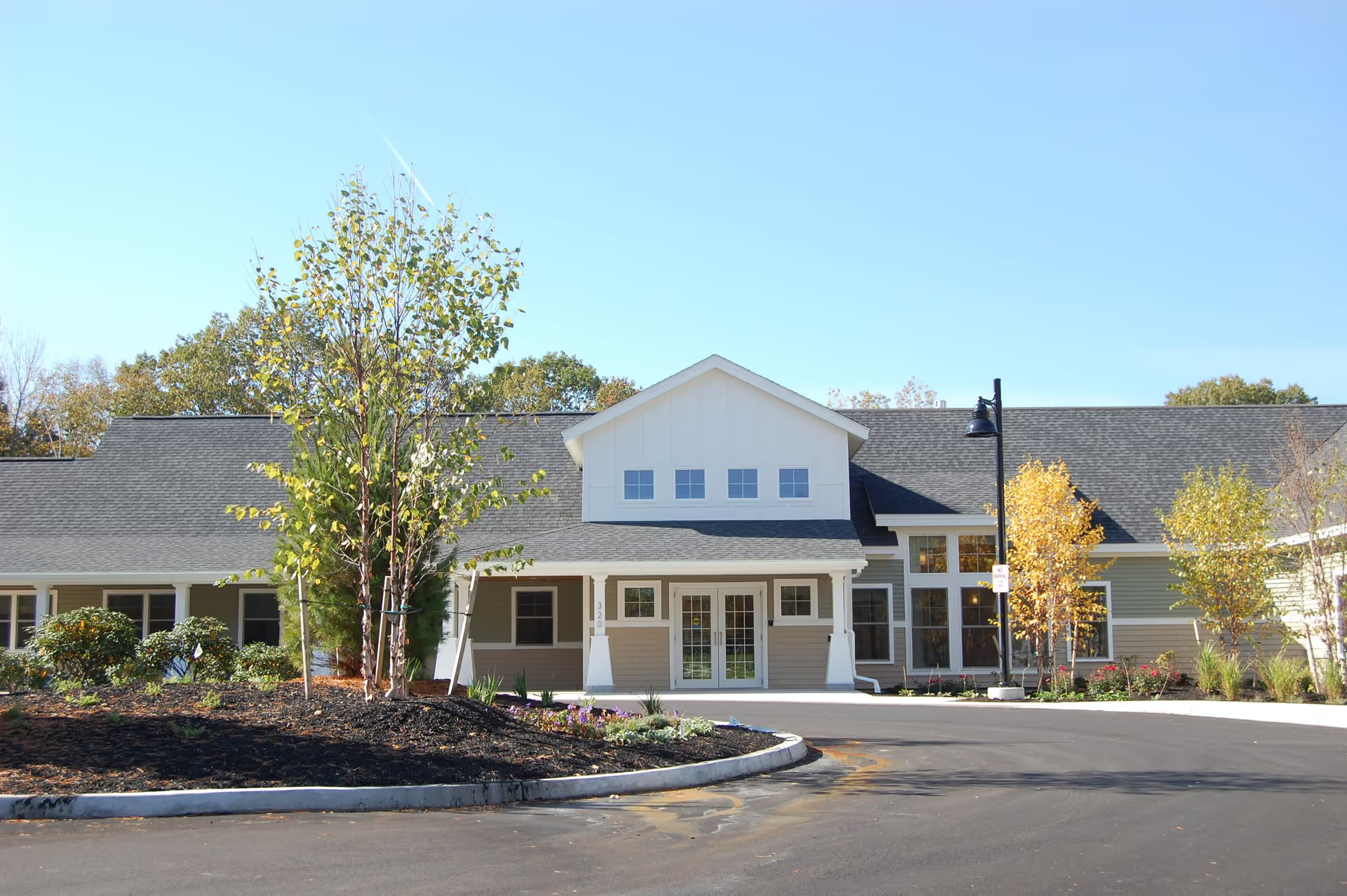
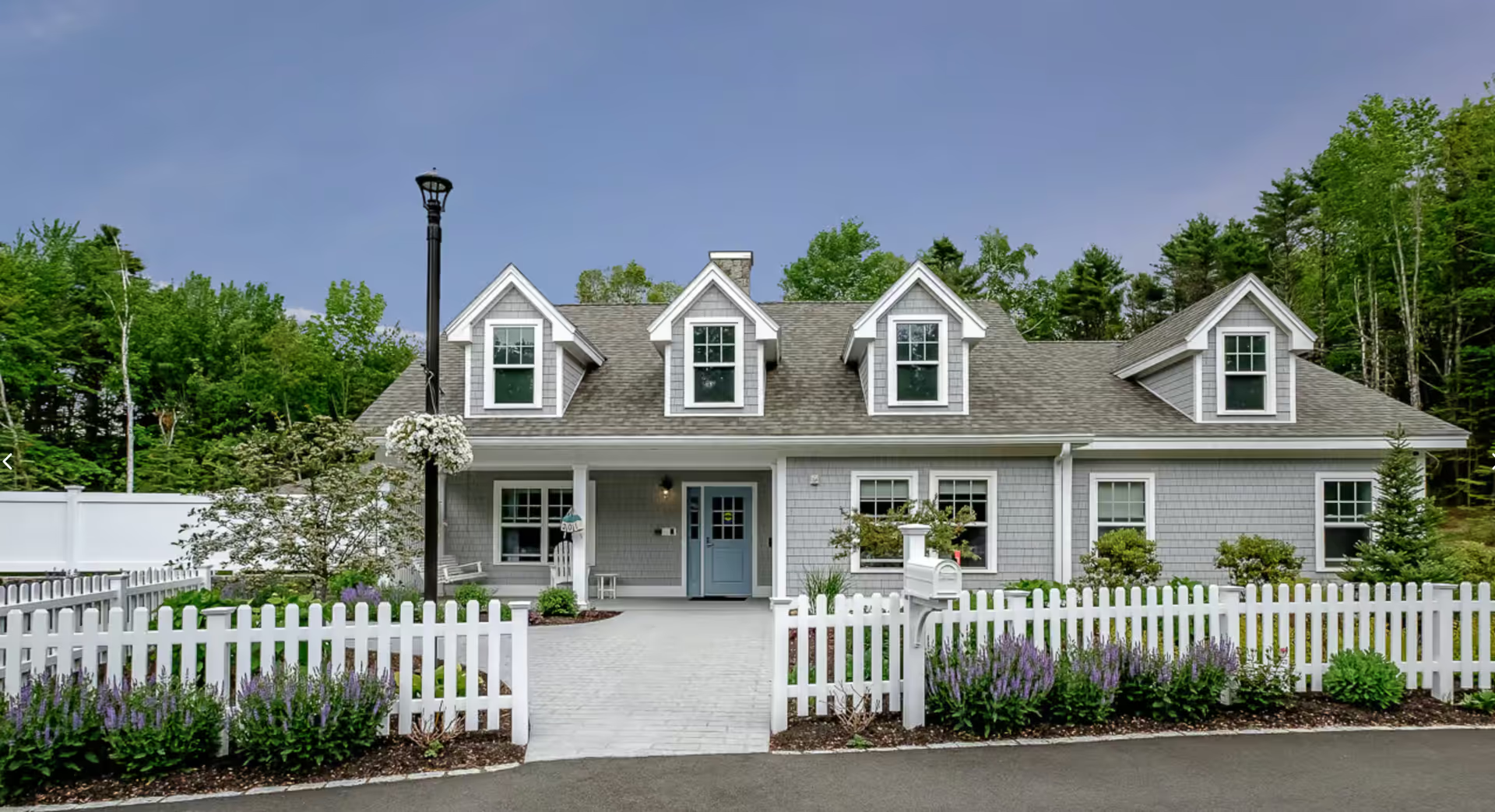
Ashton Gardens is a relatively new, well-kept independent living community that reviewers consistently describe as attractive, clean, and amenity-rich. The property offers an extensive set of communal features — including a library, movie theater, exercise facilities, gardening center, chapel and multiple activity spaces — and grounds that are well landscaped with walking paths and pleasant views. Apartment offerings are varied and many units include balconies or patios; common areas are noted for being bright and tastefully decorated. The community projects a hospitality-oriented atmosphere with features such as family-meal spaces and a snack bar/popcorn-equipped theater that support social engagement.
Staff quality is one of the facility’s strongest themes. Numerous accounts highlight kind, engaged, and helpful team members who establish rapport with residents and families; marketing and move-in staff are also frequently described as informative and welcoming. At the same time, there is a clear pattern of staffing shortages and turnover that affects service consistency. This operational constraint is most evident in dining-room delays, longer meal wait times, occasional slow responsiveness to requests, and pockets of inconsistent housekeeping or follow-up. Reviewers credit staff effort but note that limited staffing levels sometimes constrain timely service.
Dining receives mixed but specific commentary. Many residents and families like the food and praise particular meals and the dining-room presentation; breakfast and lunch are often viewed more positively than dinner. However, reviewers also describe variable food temperature, limited menu rotation, occasional sparse portions, and long service times. Several comments indicate the current fine-dining style and meal-plan approach may be mismatched with resident expectations and needs; suggestions include a more flexible meal plan or alternate buffet-style service to improve speed and choice.
Programing and community life are generally strengths. The activity schedule is broad, with arts and crafts, bingo, reading groups, fitness classes, outings and trips. Residents describe an engaging social environment and many reviewers cite a smooth transition to independent living and a sense of belonging. Some families would like broader variety in exercise programming and more targeted gym training options.
Care scope and accessibility are important considerations. Ashton Gardens operates primarily as independent living with an aging-in-place philosophy and some supportive services (assistance with showering, medication reminders, laundry options). It does not offer on-site skilled nursing or a full assisted-living continuum, which limits suitability for people with higher medical or long-term care needs and affects eligibility for certain long-term care insurance coverage. Accessibility limitations in transportation (absence of a wheelchair lift on the van was noted) and some outdoor-access constraints were described and may affect mobility-limited residents.
Management impressions are mixed but notable. Several accounts praise organized, transparent, and responsive leadership and an active activities team; others raise concerns about leasing transparency, vendor insurance/oversight, and occasional lapses in family communication. Value perception is generally positive — many describe the community as a good bargain relative to amenities — though some prospective residents cite affordability concerns or limited availability of larger units.
Overall, Ashton Gardens presents as an attractive, community-oriented independent living option with strong staff-resident relationships and a wide range of amenities. Prospective residents and families should weigh the benefits of the physical environment, social programming and staff engagement against operational limitations: particularly staffing levels that affect dining and service speed, the lack of on-site skilled nursing, accessibility of transportation, and occasional communication or leasing transparency issues. These operational traits should factor into suitability assessments depending on the prospective resident’s care needs and expectations for dining and service consistency.