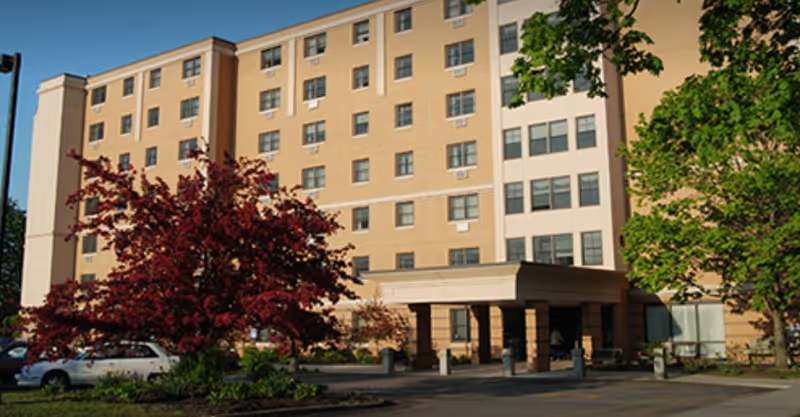
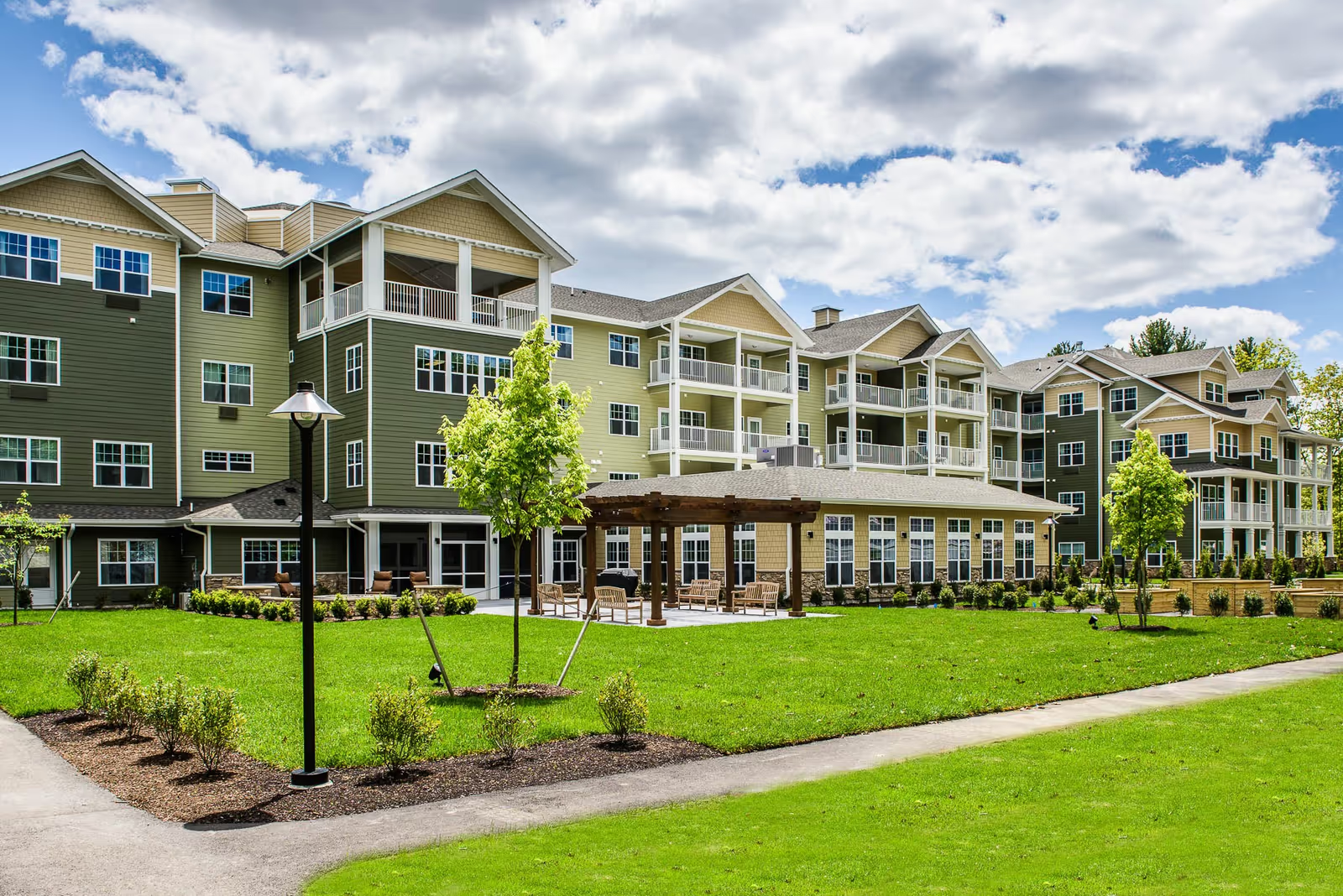
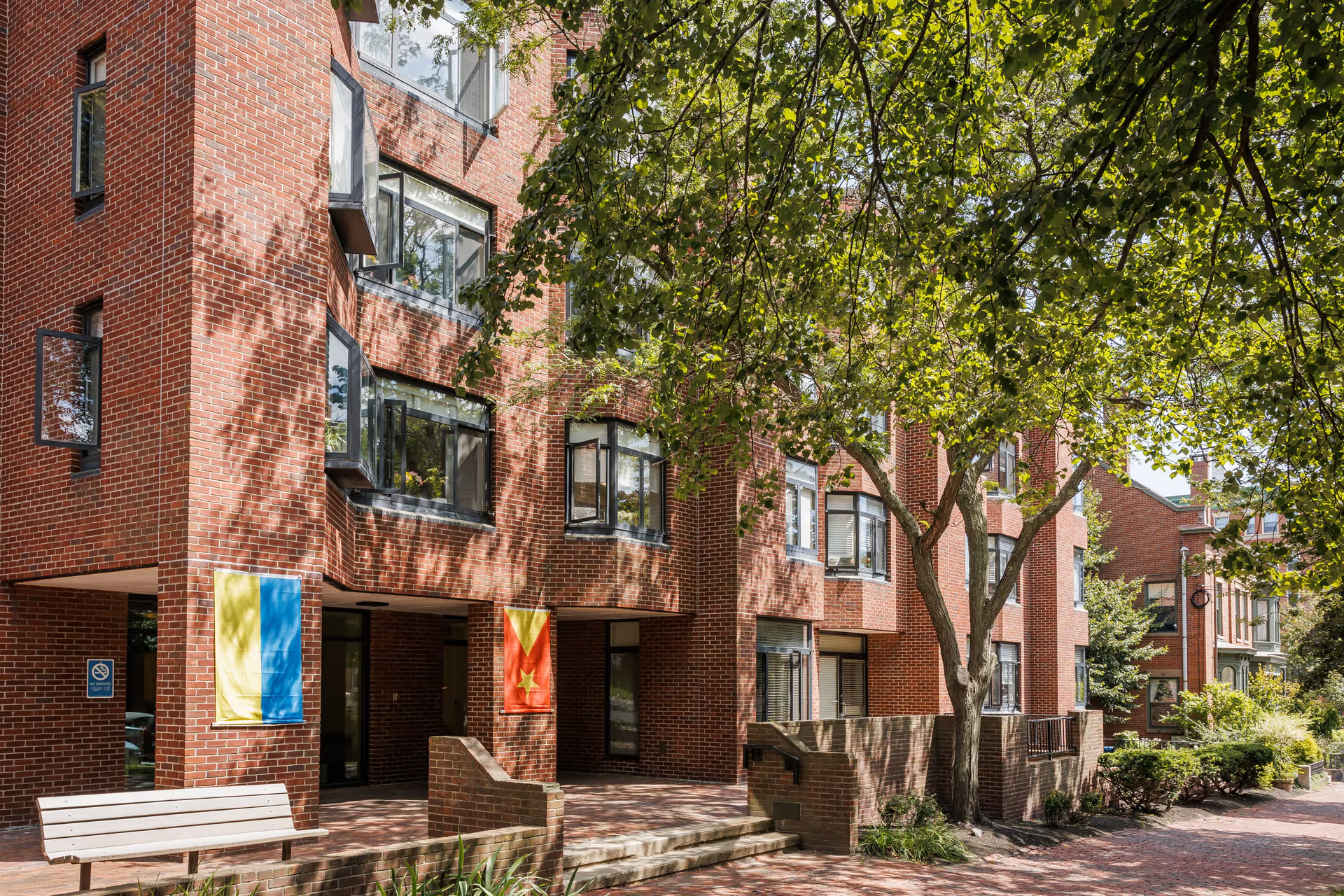
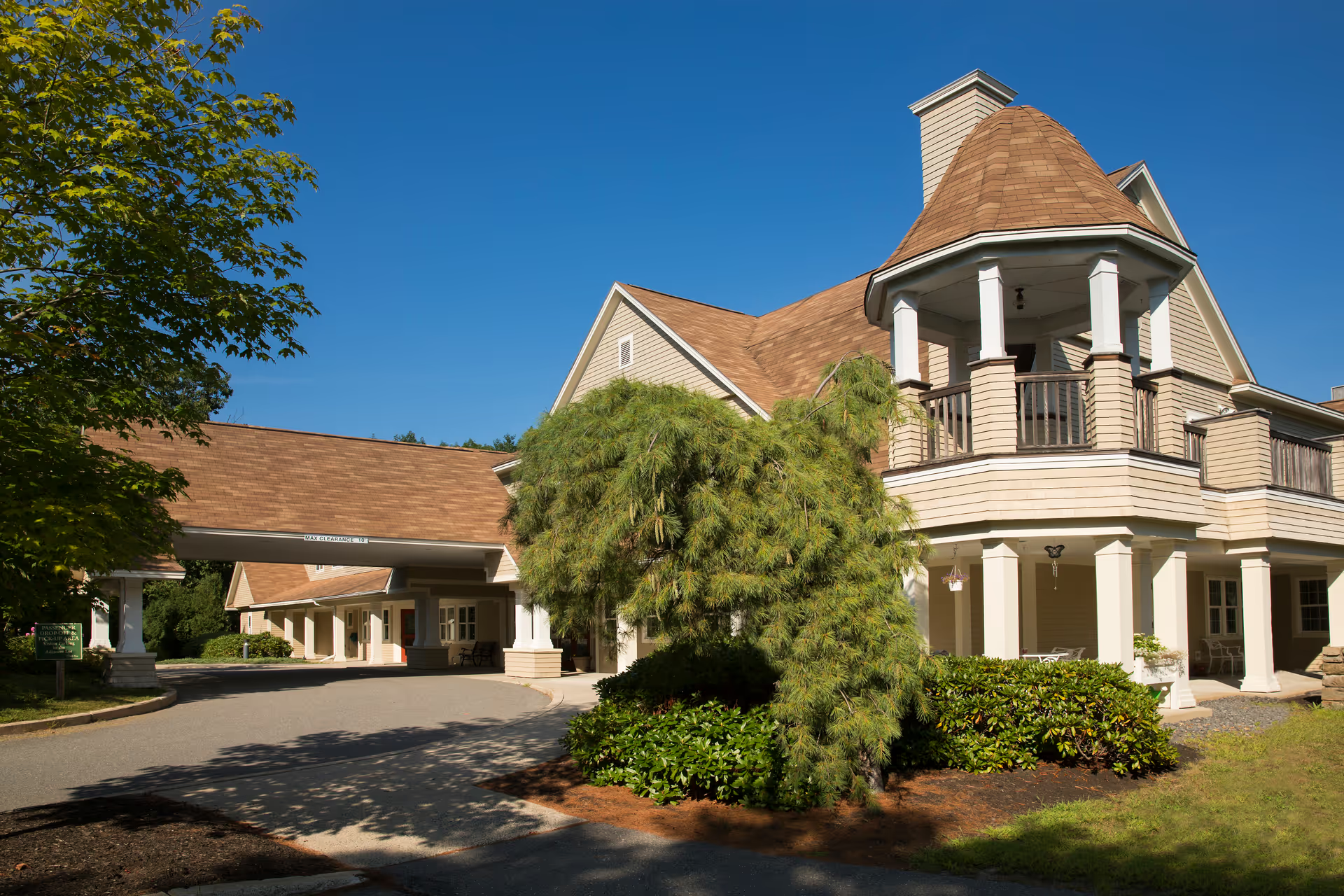
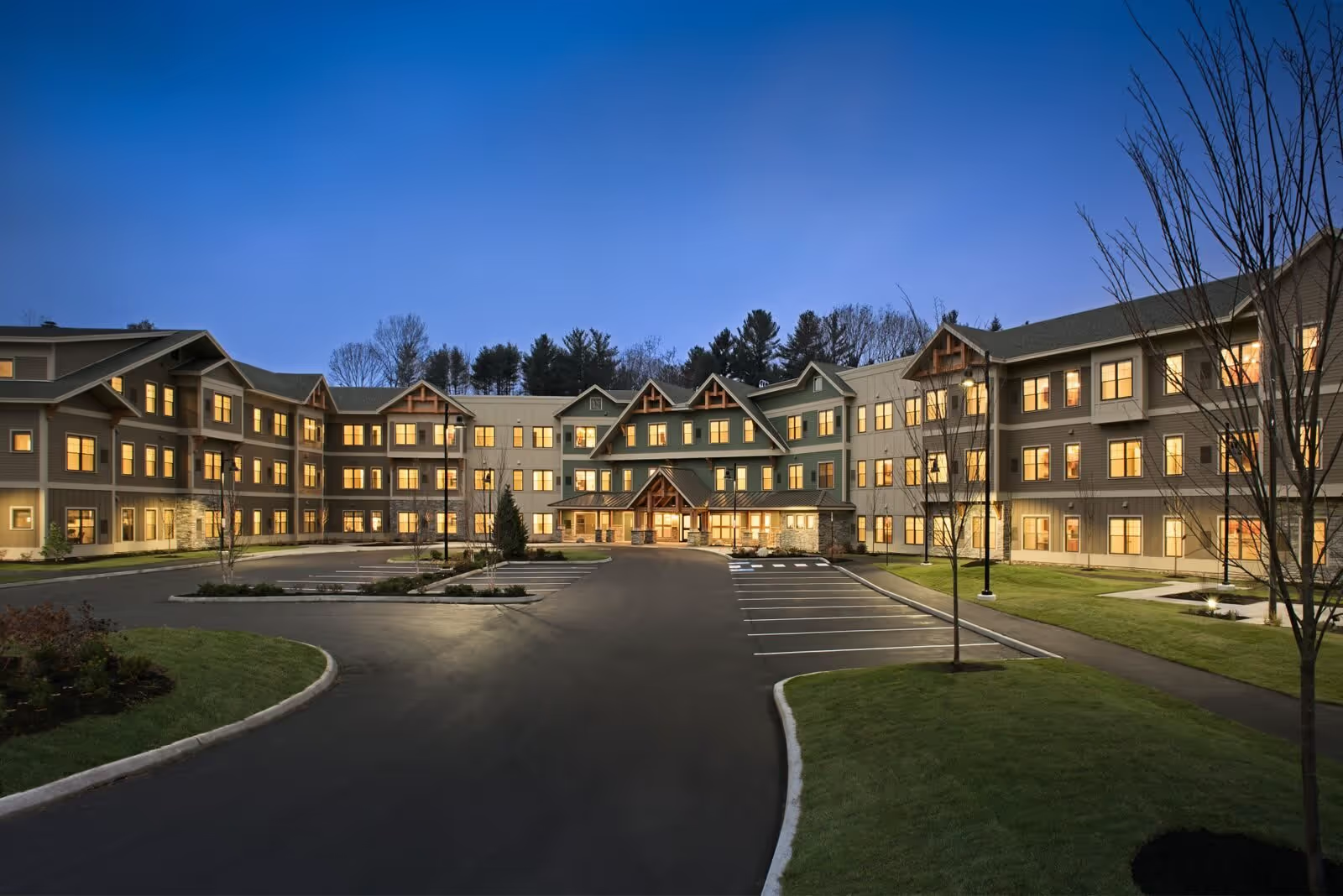
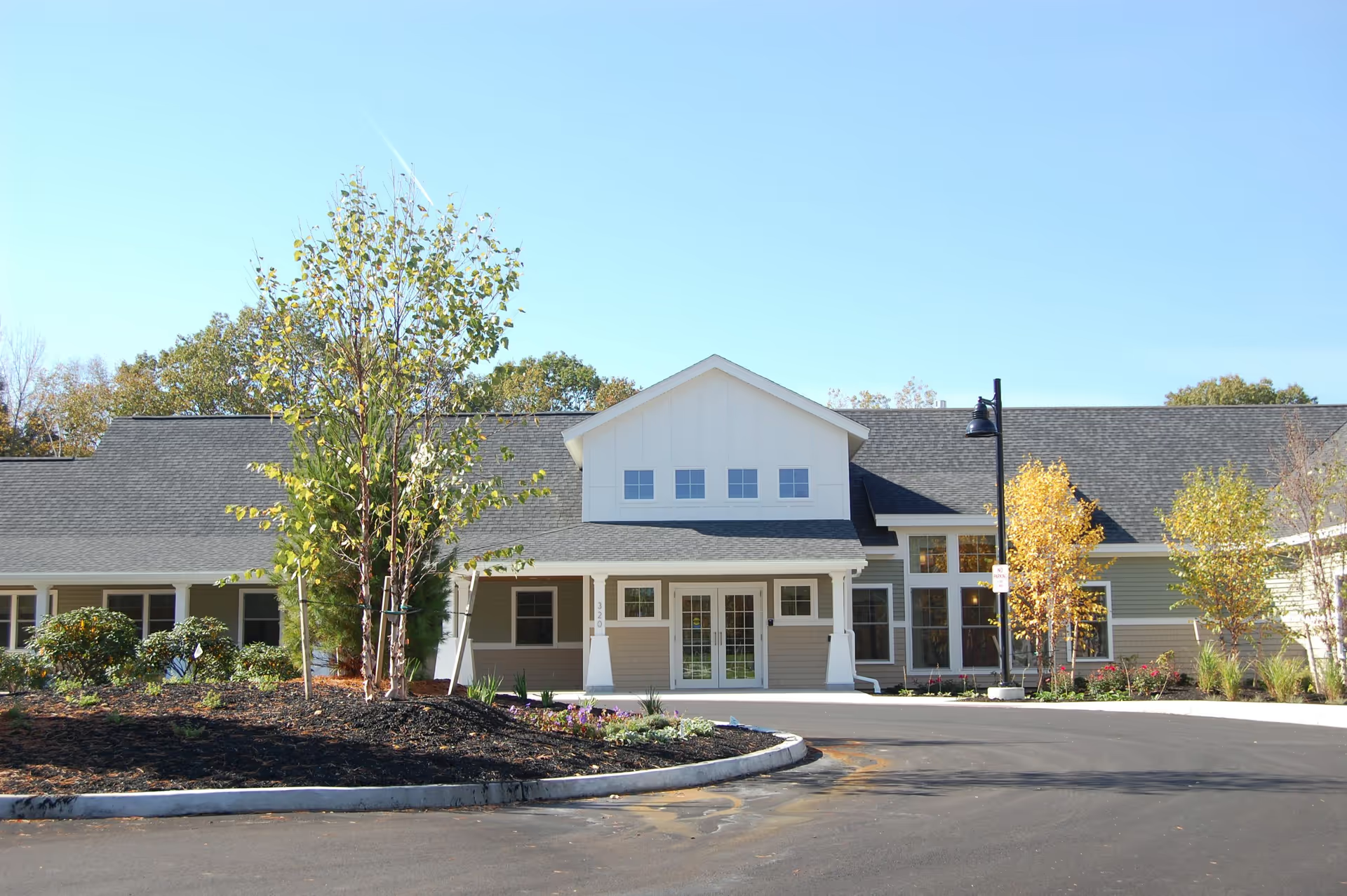
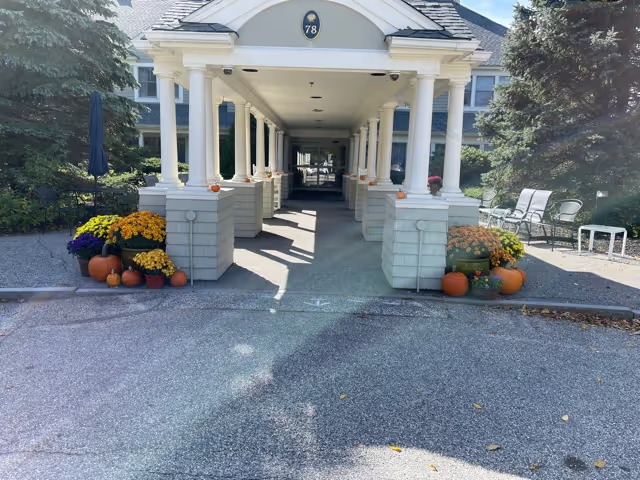
Holiday Woods at Canco presents as a social, well-appointed independent-living community with a clear emphasis on resident engagement and hospitality. Many reviews highlight bright, recently renovated common areas, a large dining room with a restaurant-like presentation, and a broad menu when the kitchen is fully staffed. Apartments are frequently described as roomy for the independent-living market, with balconies or porches, ample closets, and pleasant views of landscaped grounds and wooded walking paths. On-site amenities such as a library, salon, community rooms and garden areas contribute to a walkable, communal environment.
Care and staff performance are a pronounced strength in the account set. Staff members and several named managers receive consistent praise for being compassionate, responsive, and helpful—particularly around move-in coordination, family communication during transitions, and personalized attention. That said, reviewers also identify variability in staff consistency: periods of helpful attention coexist with instances of short staffing, uneven housekeeping follow-through, and occasional lapses in administrative responsiveness. Important to prospective residents is the operational model: Holiday Woods functions as independent living with private-care options arranged externally. Reviewers note limited on-site clinical coverage and emergency-response capacity consistent with an independent-living setting, so families should confirm arrangements for falls, urgent medical needs, and higher levels of care before committing.
Dining and nutrition are frequently described in polarized terms. Many accounts praise chef-prepared, gourmet-style meals, plentiful selections, and a social dining culture. Conversely, others describe uneven food quality, reduced meal-service continuity (boxed or delivered meals during staffing shortages), and limited accommodations for specialized diets (e.g., vegan, pescatarian, low-salt). Several reviews connect these dining variations to ownership or management changes and to dining/kitchen staffing shortages. Prospective residents should verify the current kitchen staffing model, menu flexibility for dietary restrictions, and policies regarding meal deferral or alternatives.
Activities and transportation form another consistent theme: the community offers an active calendar—exercise classes, games, musical entertainment, group trips, clubs, and on-site events—that supports socialization and engagement. Reviewers cite a lively social dining scene, resident-led clubs, and routine opportunities to participate. At the same time, outings can be constrained by vehicle capacity and scheduling; some accounts describe a small van and limited excursion destinations or fewer off-site trips than expected. Confirming the frequency and types of outings that matter to a prospective resident is advisable.
Facilities maintenance and operations show mixed patterns. Many note a clean, modern appearance in renovated areas and well-kept grounds; others identify maintenance backlogs such as delayed exterior work, HVAC outages, water-damage repairs, and periodic sanitation or housekeeping shortfalls. These operational gaps sometimes accompany reports of management transitions. Affordability is another recurring concern: while value is reported by some, others point to rent increases and perceived service declines that affect overall value for money.
Management and administration evoke both strong endorsements and specific concerns. Several staff leaders are singled out positively for hands-on responsiveness and empathy; however, ownership or management turnover has produced uneven communication, unmet programming promises, and occasional billing or corporate-contact difficulties. Families considering Holiday Woods should ask for current organizational stability information, written service commitments (especially around meals, housekeeping, and transportation), and clear escalation paths for clinical, billing, or maintenance issues.
Overall, Holiday Woods at Canco appears well suited to independent seniors who prioritize social dining, an active program of on-site activities, and attentive resident-facing staff. The primary caveats relate to operational consistency: kitchen and housekeeping staffing, maintenance responsiveness, transportation capacity, and the limits of clinical support inherent to an independent-living model. Prospective residents and families would benefit from an in-person visit focused on current kitchen staffing and menus, housekeeping schedules, documented emergency-response procedures, recent renovation and maintenance plans, and a written summary of fees and meal policies before finalizing decisions.