Autumn Lake Healthcare at Parkville elicits strongly mixed evaluations. Many families and residents praise the facility's rehabilitation services, highlighting a robust physical and occupational therapy program and collaborative therapy teams that help patients progress toward discharge. Memory-care units and specific clinical staff members receive frequent commendation for knowledgeable, compassionate approaches. The facility supports on-site dialysis and offers convenient amenities such as a customizable breakfast service and a reasonably priced snack shop. Activity programming and worship services are active and contribute to social engagement.
Clinical care descriptions vary by unit and shift. Several reviewers describe coordinated wound care and effective nursing interventions, while others note inconsistent nursing responsiveness, delays in medication delivery, and challenges with pain control. Reliance on agency staff and uneven staff skill mix were cited as contributors to variable clinical performance. There are also recurring concerns about bathing schedules and incontinence-care timeliness, which family members identified as indicators of operational strain during busier periods.
Dining and nutrition receive mixed feedback. Positive comments focus on customizable breakfasts and balanced meals in some units, but multiple accounts describe cold or limited meals, heavy reliance on starchy items, and inconsistent provision of therapeutic or dialysis-friendly menus. The dining environment itself is sometimes uncomfortable—temperature control and insulation issues in the dining room were mentioned—as were service delays and inflexibility for individualized diets.
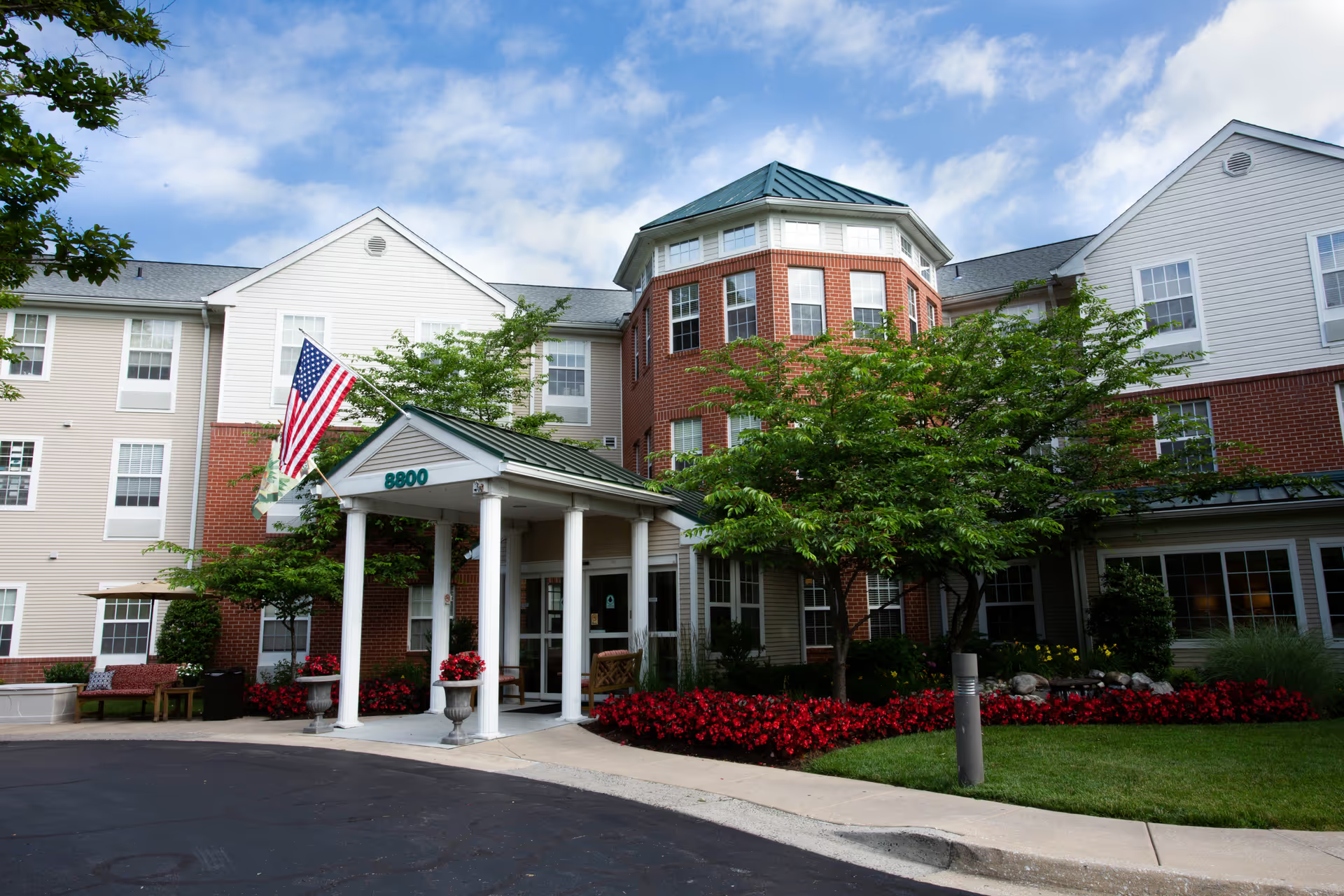
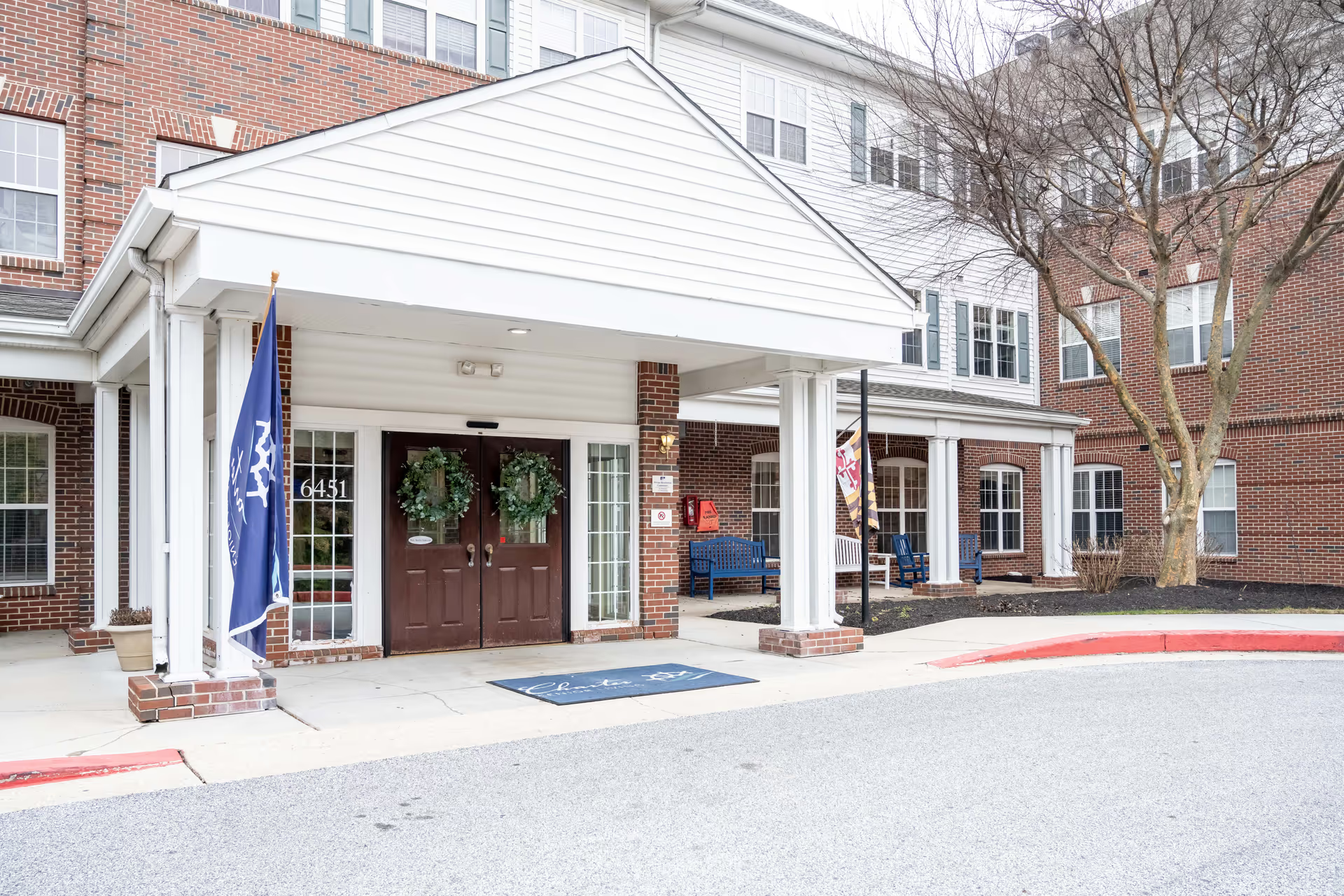
Facility condition and housekeeping show a split picture. Many communal areas and some units are described as clean, bright, and well-maintained; others cite sanitation concerns, pest-control issues, water-damage signs, and HVAC or temperature irregularities. Overcrowding and room configuration are concerns for some families—several units have semi-private or triple-occupancy arrangements with a single bathroom, creating privacy and access constraints. Equipment-related matters (for example, humidifier condensation and shower temperature variability) and periodic maintenance deficits were also raised.
Management and communication pattern as another area of variability. Some reviewers report responsive administrators who addressed concerns and improved care, while others describe unreturned calls, delayed complaint resolution, and a perceived billing-oriented emphasis. Allegations of missing personal items and claims of poor administrative follow-through appear sporadically and intensify family frustration where present.
Overall, Autumn Lake at Parkville appears to provide high-quality rehabilitation and strong memory-care in many instances, supported by dedicated clinical and therapy staff. However, persistent operational issues—particularly inconsistent staffing, uneven nursing responsiveness, variable housekeeping and dining practices, and maintenance shortfalls—create an unpredictable experience. Prospective residents and families should weigh the facility's demonstrated strengths in rehab and memory care against the documented variability in long-term nursing care, sanitation, and management responsiveness. Visiting the specific unit, meeting the core nursing and therapy teams, and clarifying dietary, medication, and bathing schedules in advance are recommended steps for families considering placement.