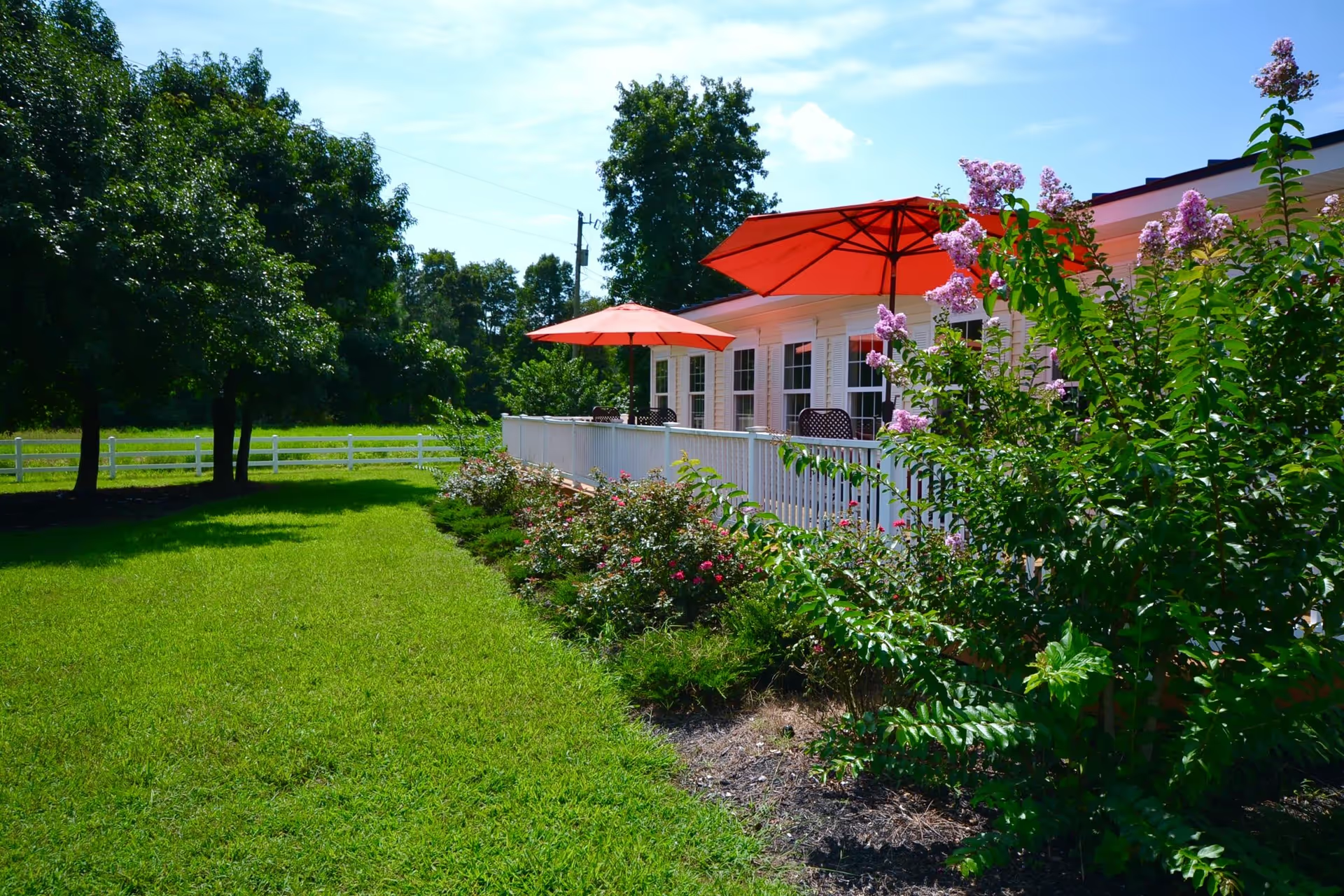
Gull Creek elicits strongly mixed impressions across reviewers. Many families praised the direct-care teams, activity staff, and parts of the physical campus: reviewers commonly cited an active, varied activities program with frequent outings, an engaged recreation director, on-site salon services, pleasant dining-room ambiance, and attractive common areas and outdoor garden spaces. Several reviewers described private, updated apartments and timely maintenance or housekeeping when staff levels permitted. These operational strengths contribute to a welcoming social environment and meaningful day-to-day engagement for many residents.
At the same time, recurrent operational concerns appear across reviews. Staffing stability and adequate staffing levels are a consistent theme: reviewers described high turnover and periods of short staffing that affected responsiveness. These staffing challenges are linked to care-quality issues noted by families, including medication-administration errors and delays, inconsistent clinical follow-up after falls or other health events, and mobility-assist/device-management problems. A number of families expressed specific worries about gaps in clinical assessment and follow-up care, which indicate uneven implementation of nursing protocols.
Dining and nutrition are another recurrent area of concern. Several reviewers reported inconsistent meal quality, limited menu variety, small portion sizes, reheated meals, and occasional failure to accommodate special dietary needs. While some families appreciated the dining-room service and found meals acceptable or above average, the pattern of variability suggests unreliable meal execution at times.
Activity programming and social engagement are clear strengths. The recreation team receives frequent, specific praise for creativity, outings, and one-on-one engagement in memory care. Transportation services and organized trips are noted positively and contribute to residents’ social life and community connection.
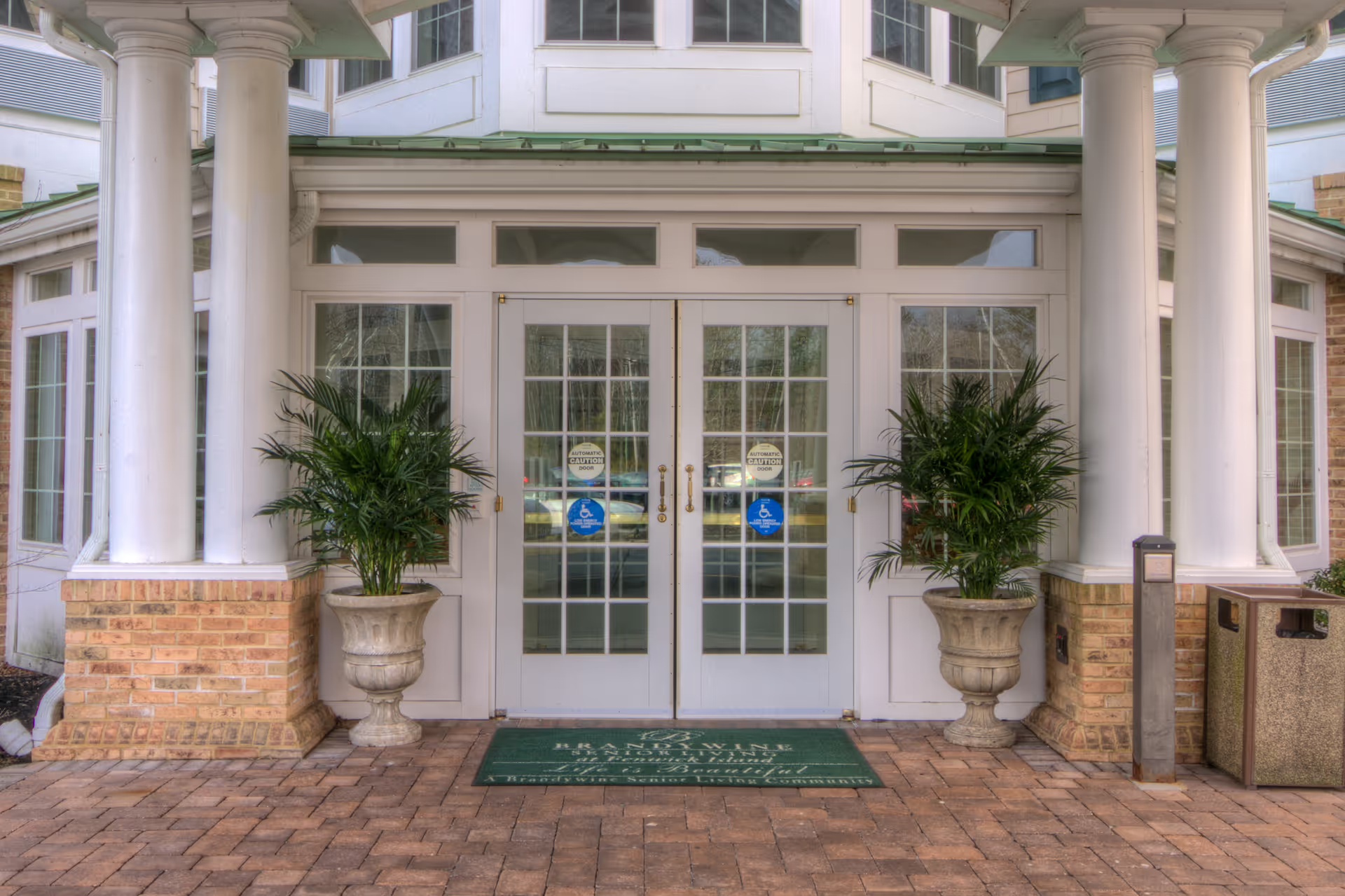
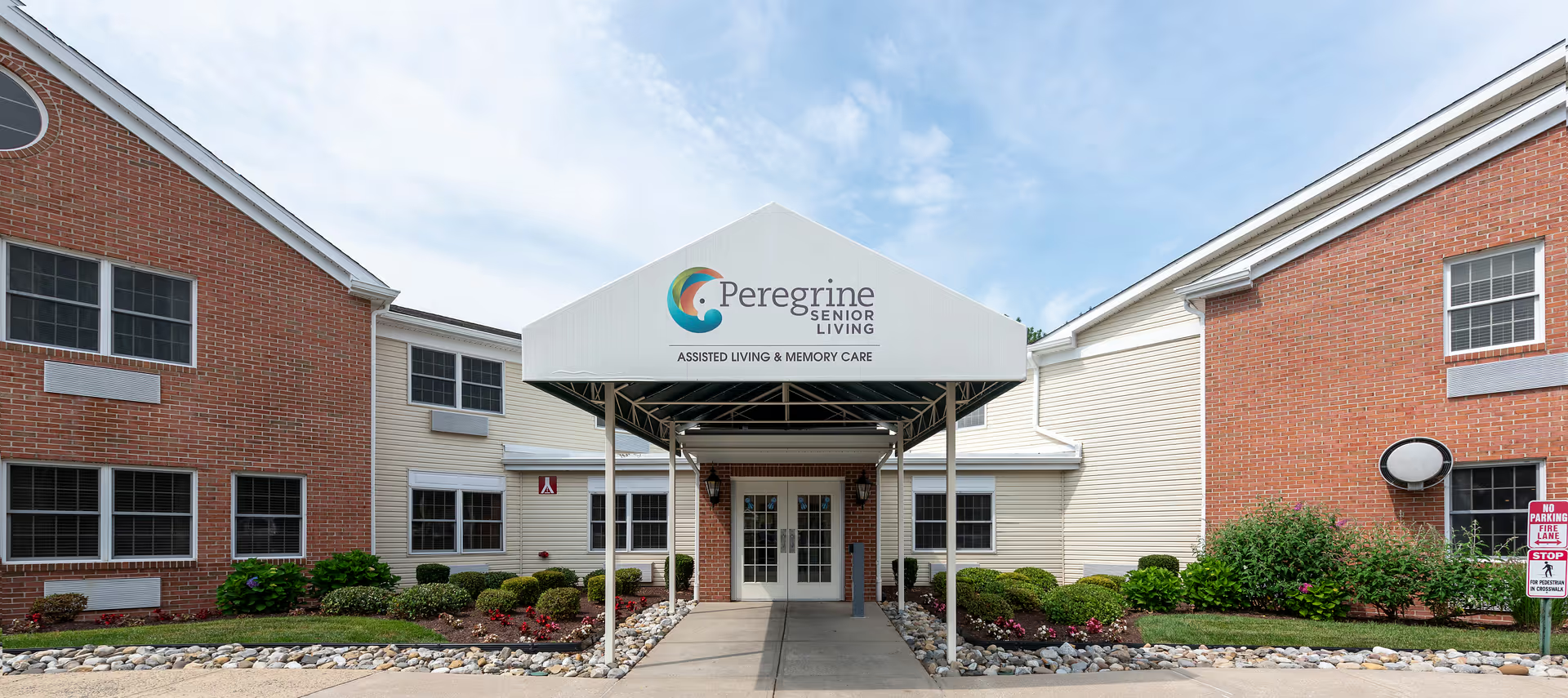
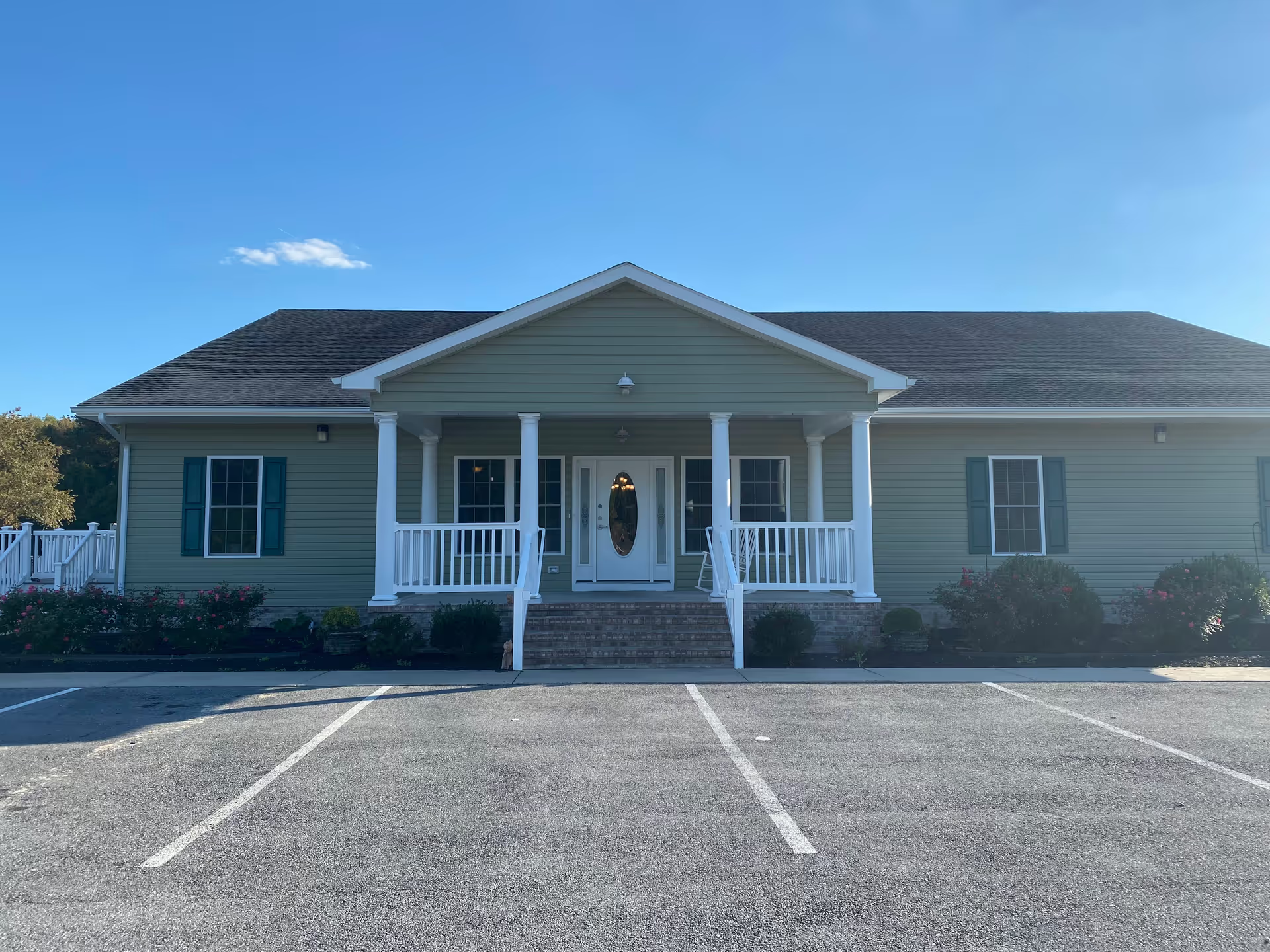
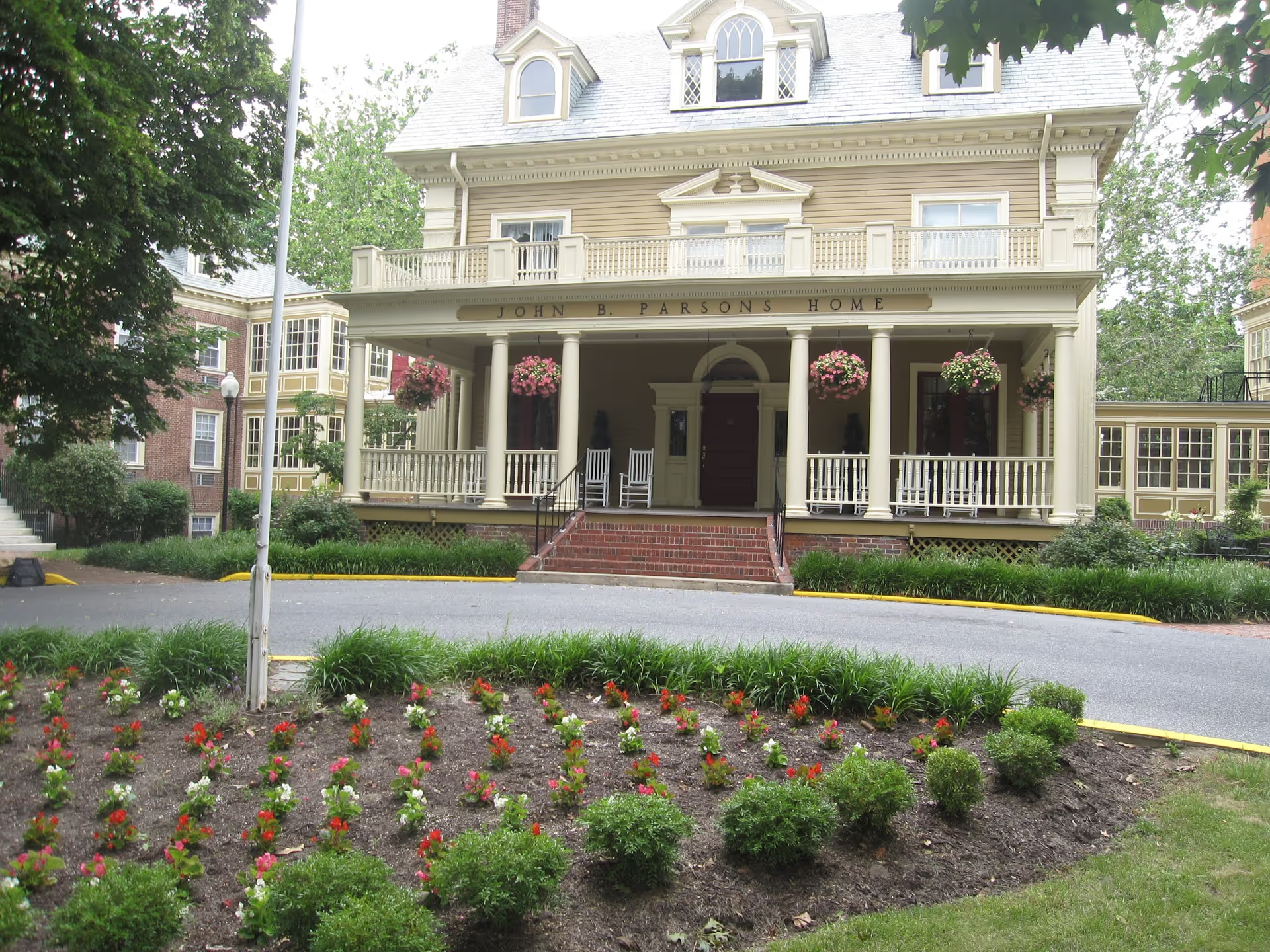
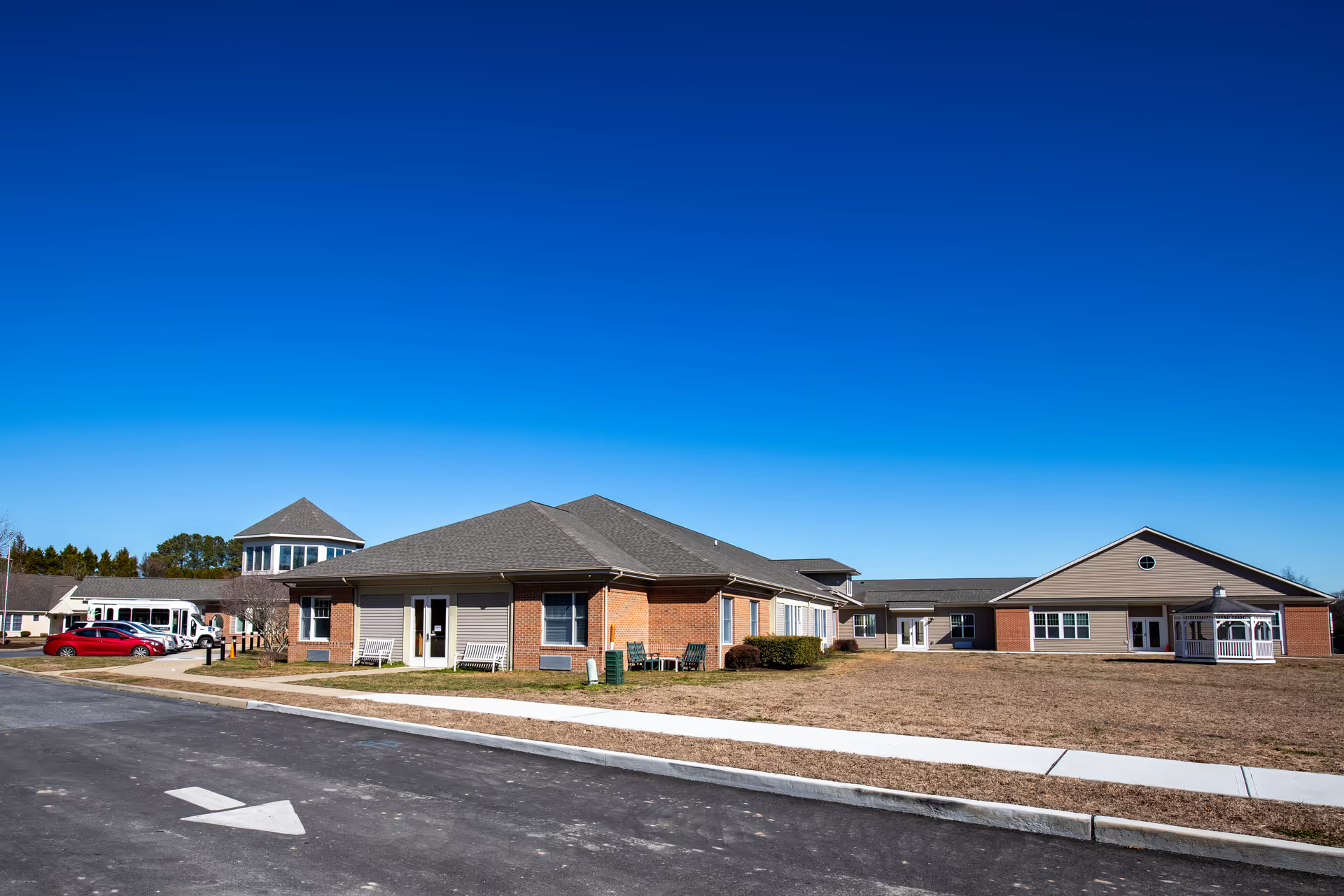
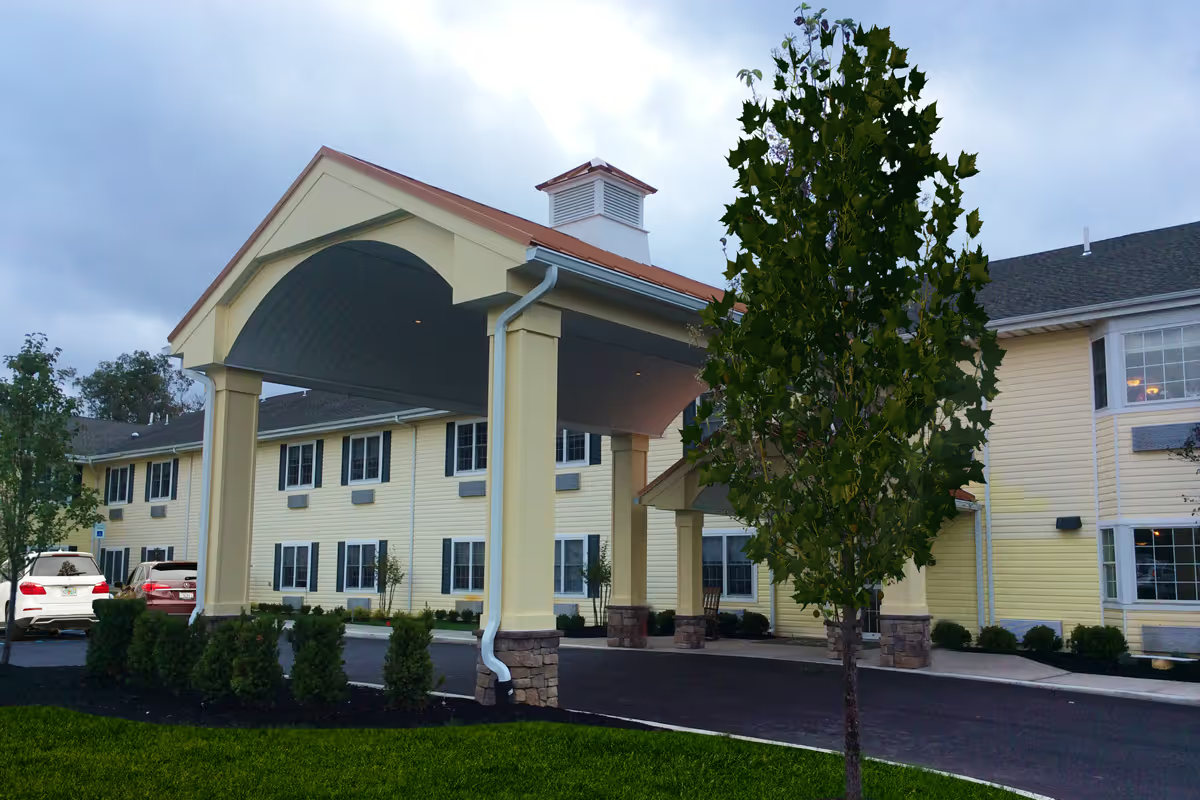
Facility condition and environment are described mostly positively in public spaces, with multiple comments about updated decor, pleasant grounds, and ongoing renovations. However, reviewers also cited small apartment bathrooms and bedrooms in some units, inconsistent housekeeping in individual apartments, and navigation/layout challenges that may affect residents with cognitive impairment.
Management and financial transparency are mixed and merit close scrutiny during a tour. While several reviewers praised responsive directors and smooth admissions processes, others described billing disputes, unexpected facility fees, rent increases, and perceived cost-driven service changes. These financial and administrative issues were a frequent source of family dissatisfaction. Additionally, a few families raised serious allegations regarding unauthorized removal from a secure memory unit and concerns about record-keeping and power-of-attorney handling; those claims should be discussed directly with leadership and, if necessary, followed up with the appropriate oversight authorities.
Overall pattern and guidance: Gull Creek appears to provide a strong social and activity environment with many caring direct-care staff and attractive communal spaces, but operational inconsistencies—especially around staffing, medication management, dining reliability, and administrative transparency—create variable experiences. Prospective residents and families should schedule an in-person visit at different times of day, ask for current staffing ratios and turnover metrics, review medication and incident-reporting procedures, clarify contract language on fees and rent increases, and observe meal service. For residents with mid-to-late stage dementia or higher clinical needs, families should specifically evaluate nursing resources, fall-followup processes, and layout/navigation supports before committing.