Reviews of Peregrine Senior Living at Salisbury, also referred to in older accounts as Atria Salisbury, are predominantly positive. Families commonly describe attentive, compassionate care and a welcoming environment in which residents are known personally and encouraged to participate. Several accounts describe improved comfort, social connection, or daily functioning after a move. Families also value staff support during difficult transitions and appreciate coordination with hospice. Experiences vary with residents’ needs: the community may not be suited to people requiring skilled nursing or support beyond its care capabilities, particularly when needs change rapidly or involve substantial physical assistance.
Staff and leadership receive especially strong praise. Families often describe employees as friendly, professional, responsive, and willing to accommodate individual preferences. Executive and care leaders are frequently singled out for their involvement, and some families report regular updates about health, medication, or activity participation. At the same time, a few accounts describe challenges getting clear information during move-in, obtaining follow-up, or confirming that financial arrangements and care plans will be carried through. One family also advised staying closely involved with medication coordination. Families may want to establish who their primary contacts are and clarify communication and care-planning procedures.
Dining is a notable strength in many accounts: residents and families praise the chef-prepared meals, menu choices, snacks, and an anytime café, and some say food supports appetite and weight gain. Feedback is not uniform; a few families cite food that was too salty or less satisfying. Activities are frequently described as varied and frequent, including bingo, crafts, music, exercise, happy hours, outings, and seasonal events. Memory-care programming is often praised, though some accounts suggest that activity options or participation may be more limited in that area. Families should ask how activities are adapted to residents’ interests and abilities.
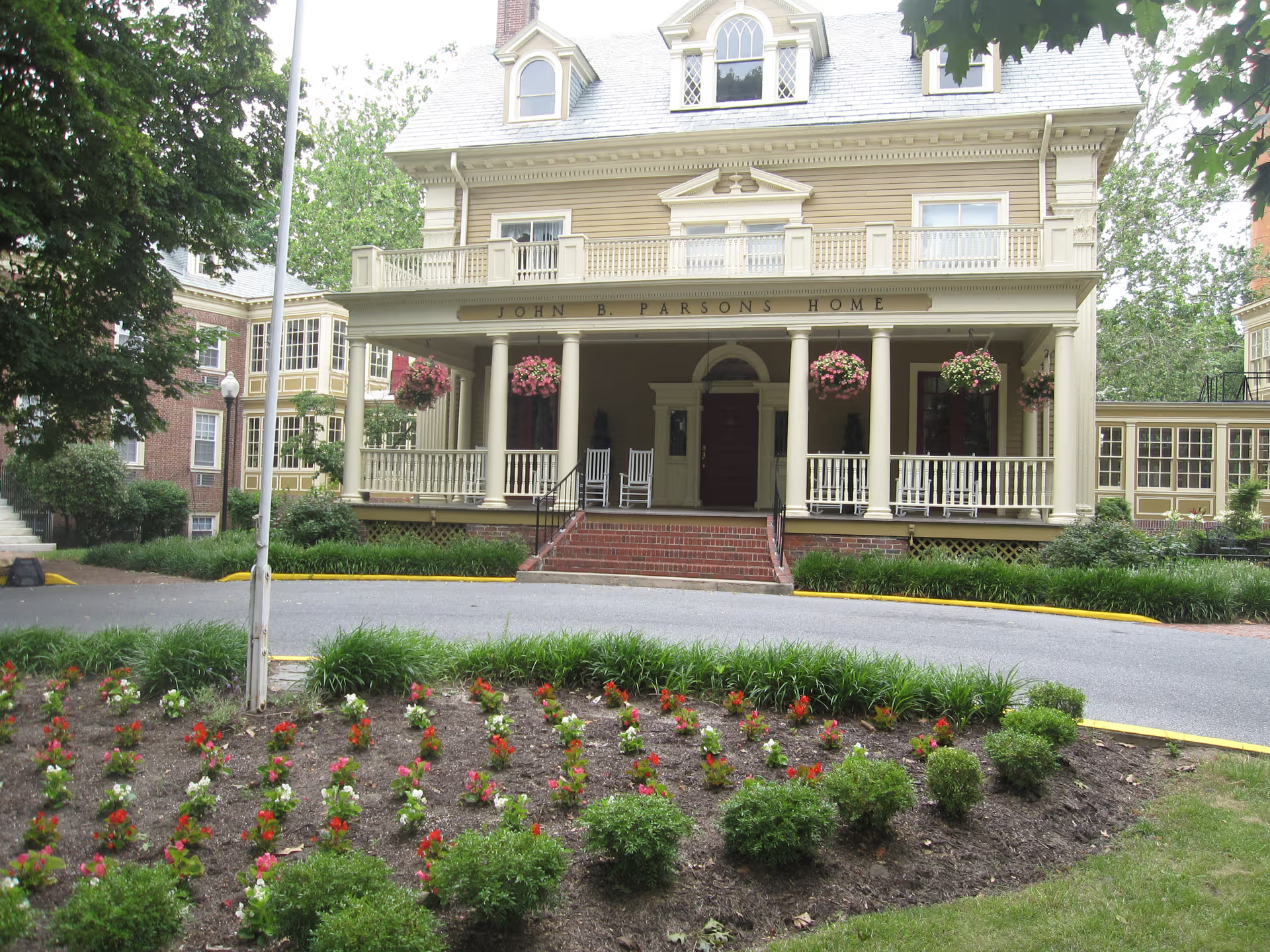
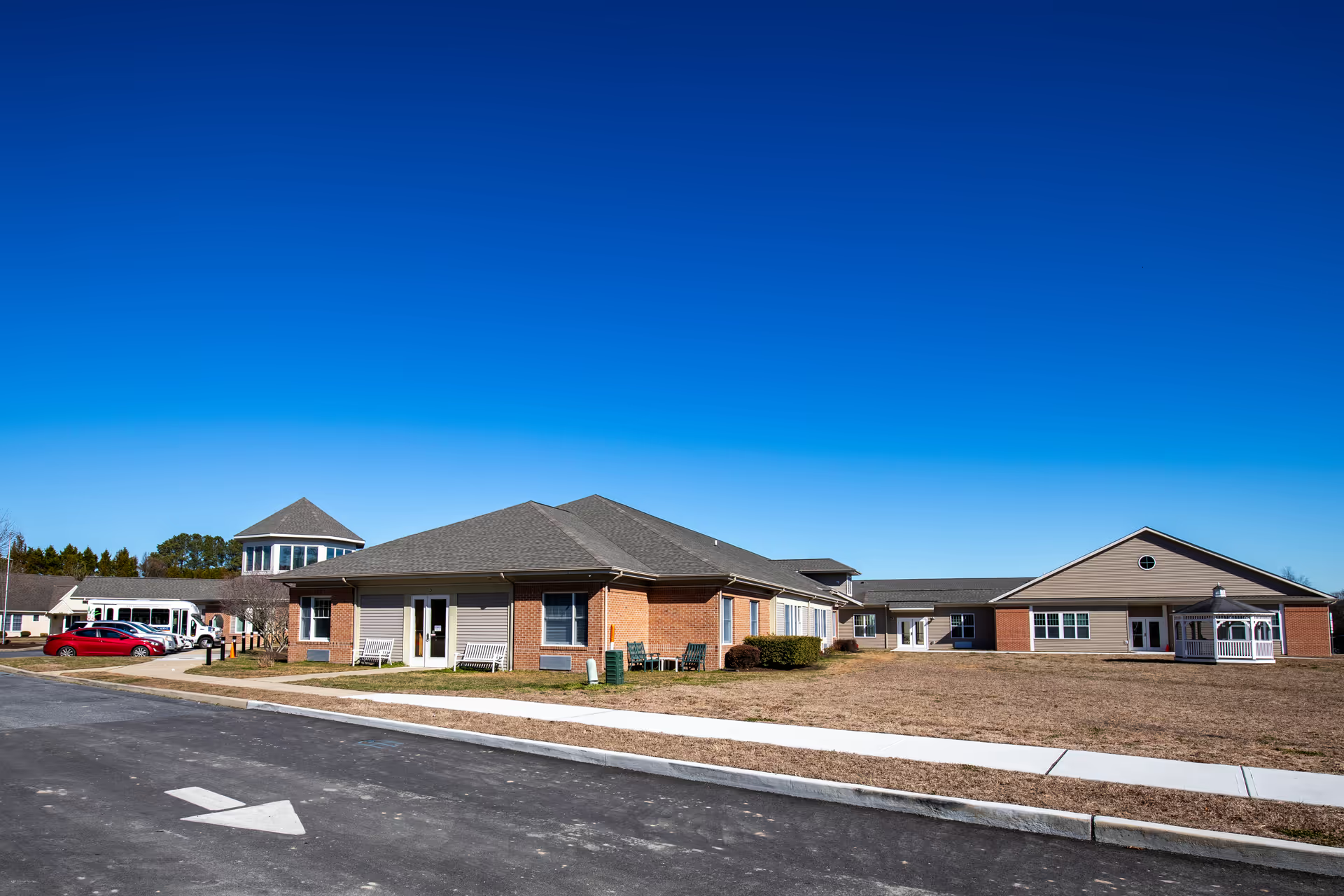
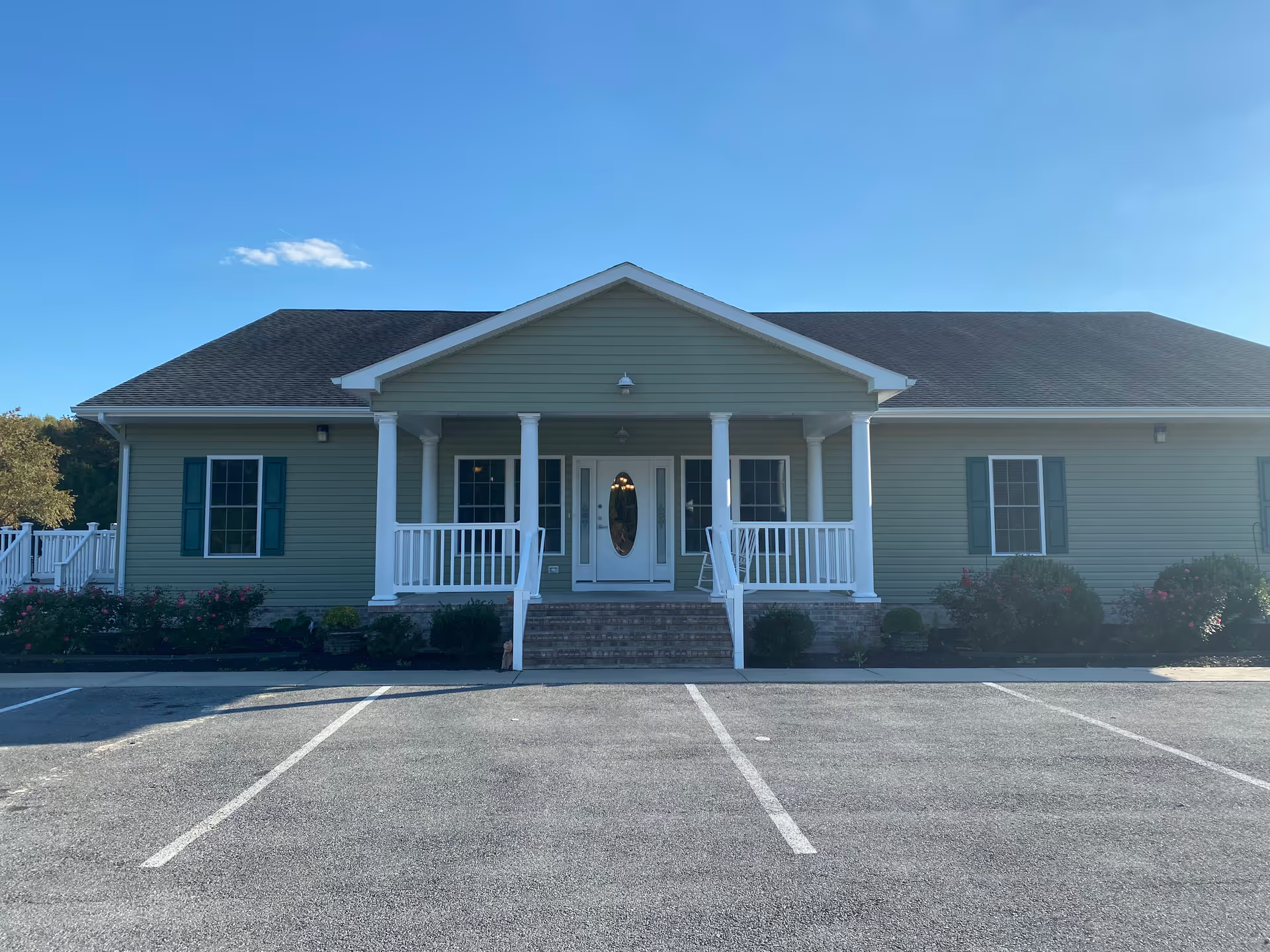
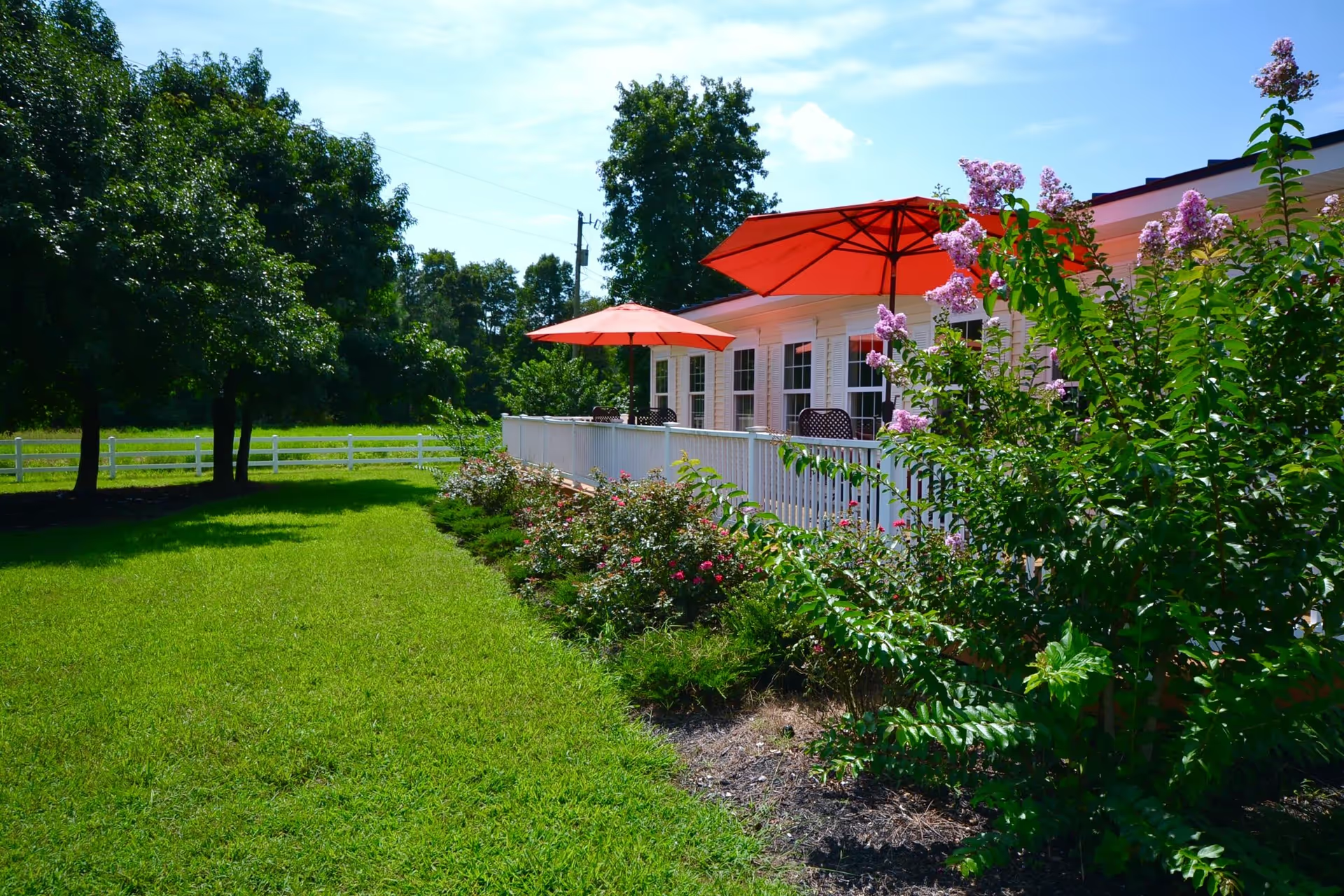
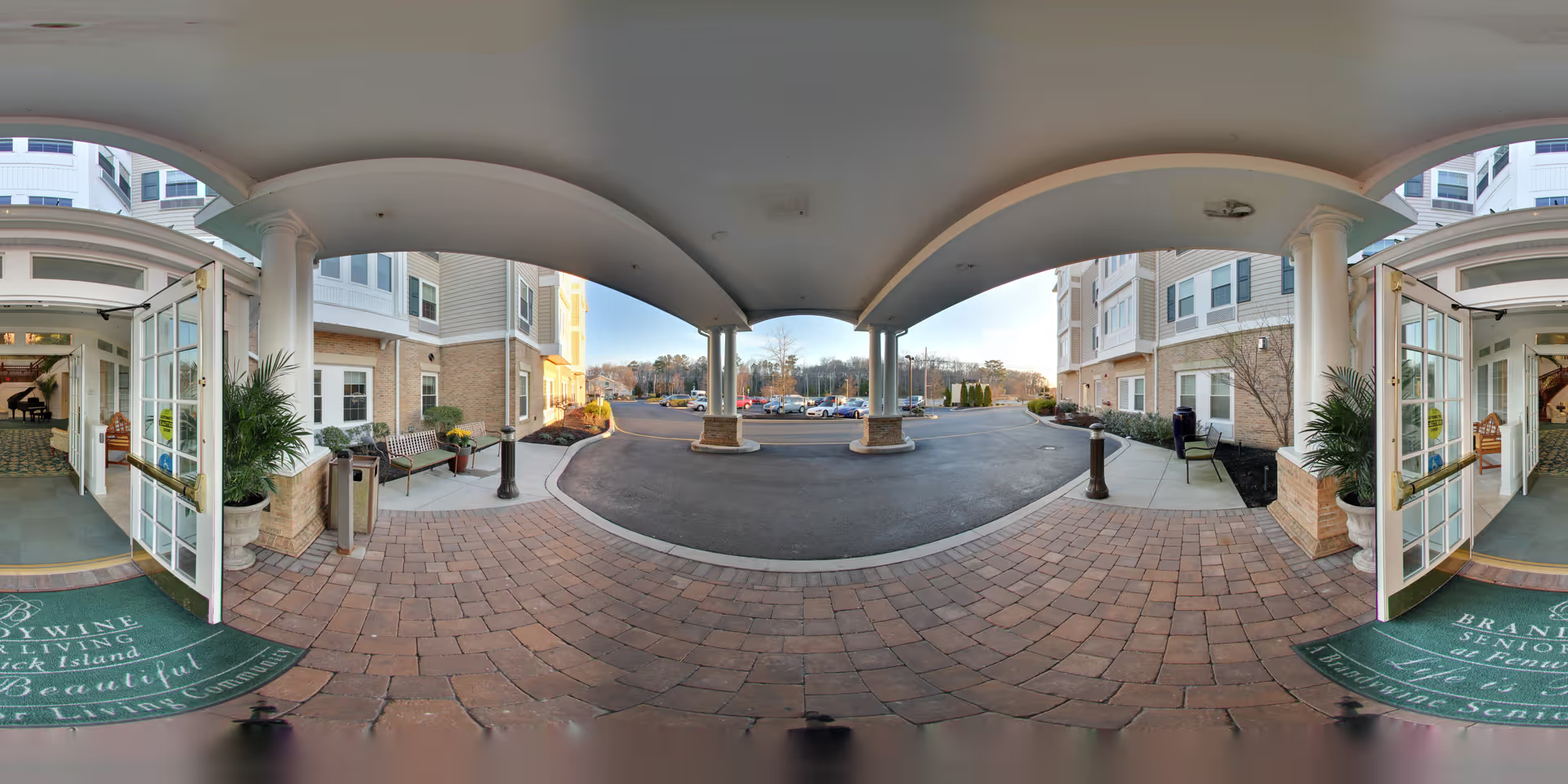
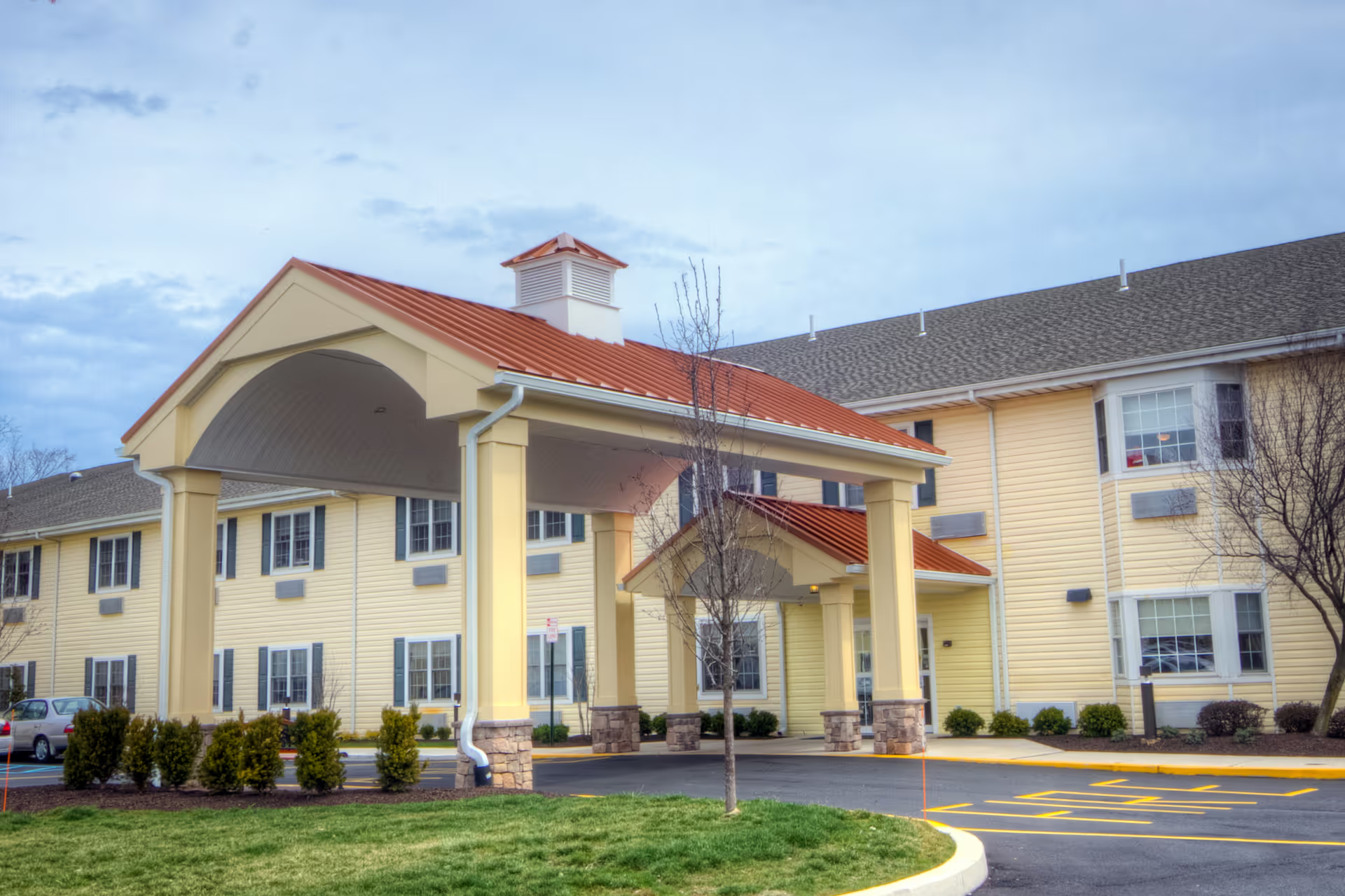
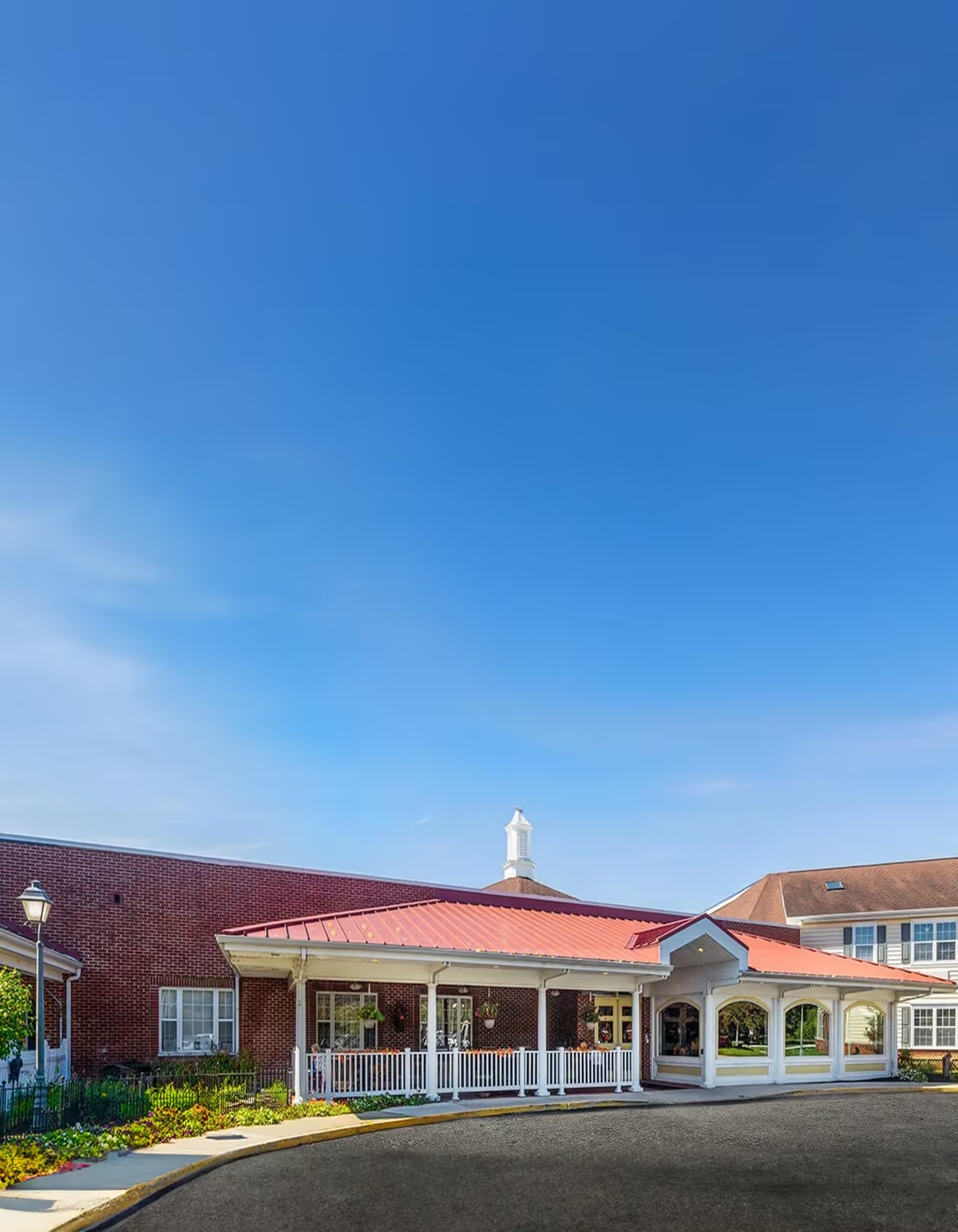
The building is commonly described as clean, attractive, and well maintained, with pleasant common areas, a courtyard, and private rooms. Some visitors found rooms small, the overall layout difficult for a person with dementia to navigate, or the décor dated or institutional. The community’s scale is a plus for families seeking a smaller, more familiar setting, while its multi-level layout may be a drawback for some residents. Costs are a recurring concern: reviewers describe the community as expensive and mention added fees or charges for services, so a detailed written estimate is advisable.
Most accounts characterize care and the resident experience favorably, but safety planning deserves direct discussion. One family described repeated falls during a brief memory-care stay and concerns about supervision and follow-up; another cited the absence of bed rails as a factor in a fall. These accounts do not establish a facility-wide pattern, but families may wish to ask how fall risks, mobility needs, staffing coverage, and family notification are assessed and managed. Overall, the reviews portray a caring, active community with strong staff relationships and dining, alongside meaningful considerations around cost, room and layout fit, communication consistency, and the level of care a resident may ultimately require.