Brookdale Woodward Estates presents a mixed but largely favorable profile for prospective independent and assisted living residents. Strengths repeatedly cited include a warm, family-like culture with many staff members who are described as compassionate, familiar, and engaged. The community offers substantial on-site clinical resources — nursing, physicians, lab services, and both in-room and facility-based physical/occupational therapy — which reviewers say can reduce external doctor visits and support rehabilitation needs. Medication management and therapy access are noted as operational strengths.
Dining at the community is a prominent positive in many accounts: an on-site chef, social dining room, generous portions, and initiatives such as fresh-grown vegetables and interactive cooking are frequently highlighted. At the same time, dining experience appears variable. Reviewers describe intermittent slow service, menu limitations, and inconsistent accommodation of special diets (notably diabetes menus and meal temperature/availability issues). Prospective residents should clarify current menu cycles, diabetic meal protocols, and peak dining hours during a visit.
Activities and social programming are a clear asset. The community offers an extensive calendar — arts and crafts, music and singing groups, games, outings, religious services, and regular entertainment — and many reviewers found residents to be sociable and engaged. Some reviewers perceived programming to reflect particular cultural or religious emphases; others praised the variety and frequency of events. Overall the community appears active, with numerous opportunities for involvement and socialization.
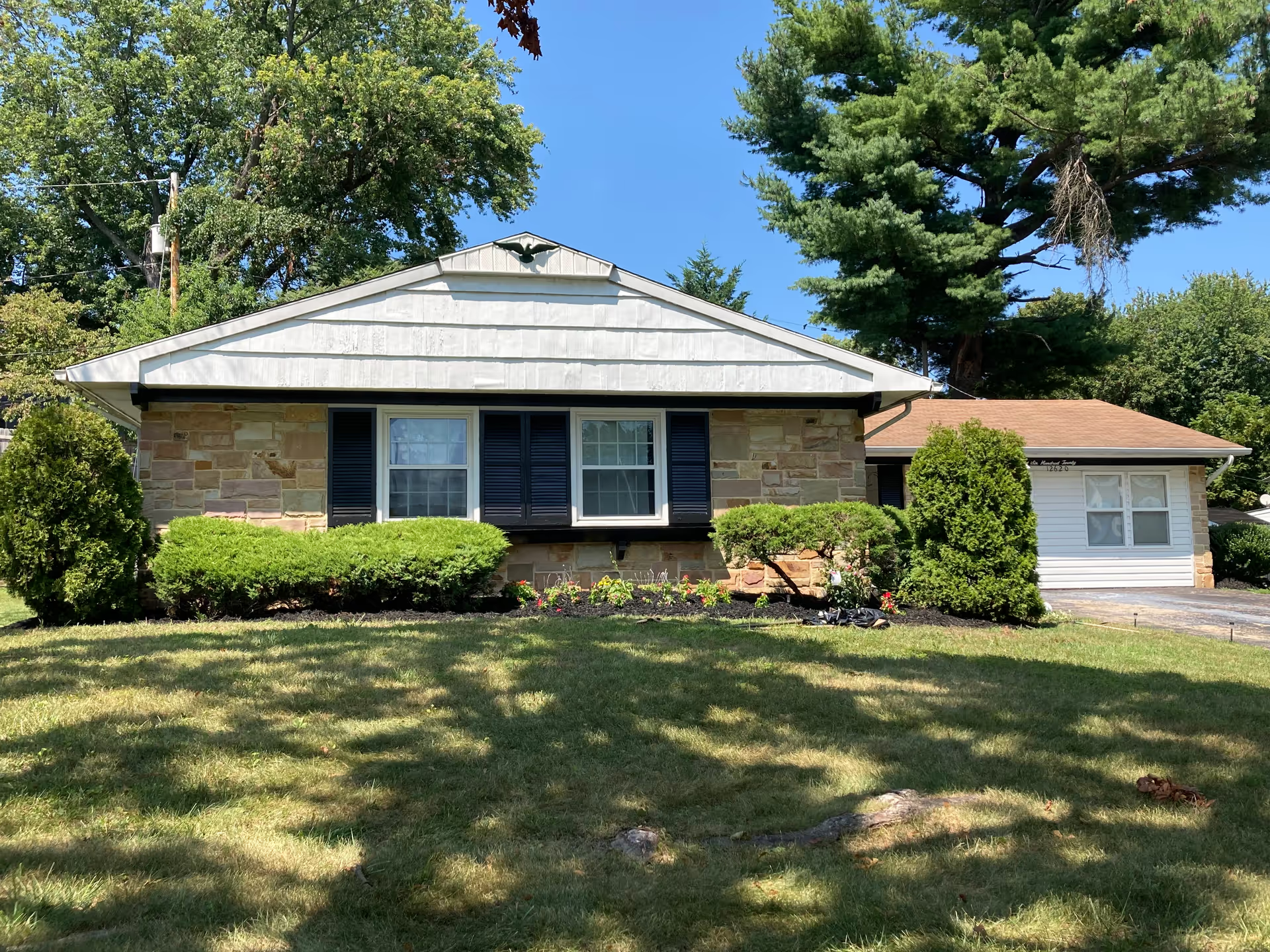
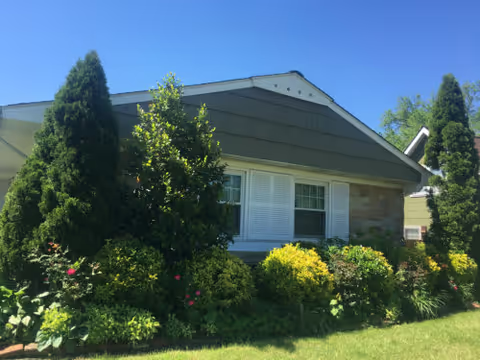
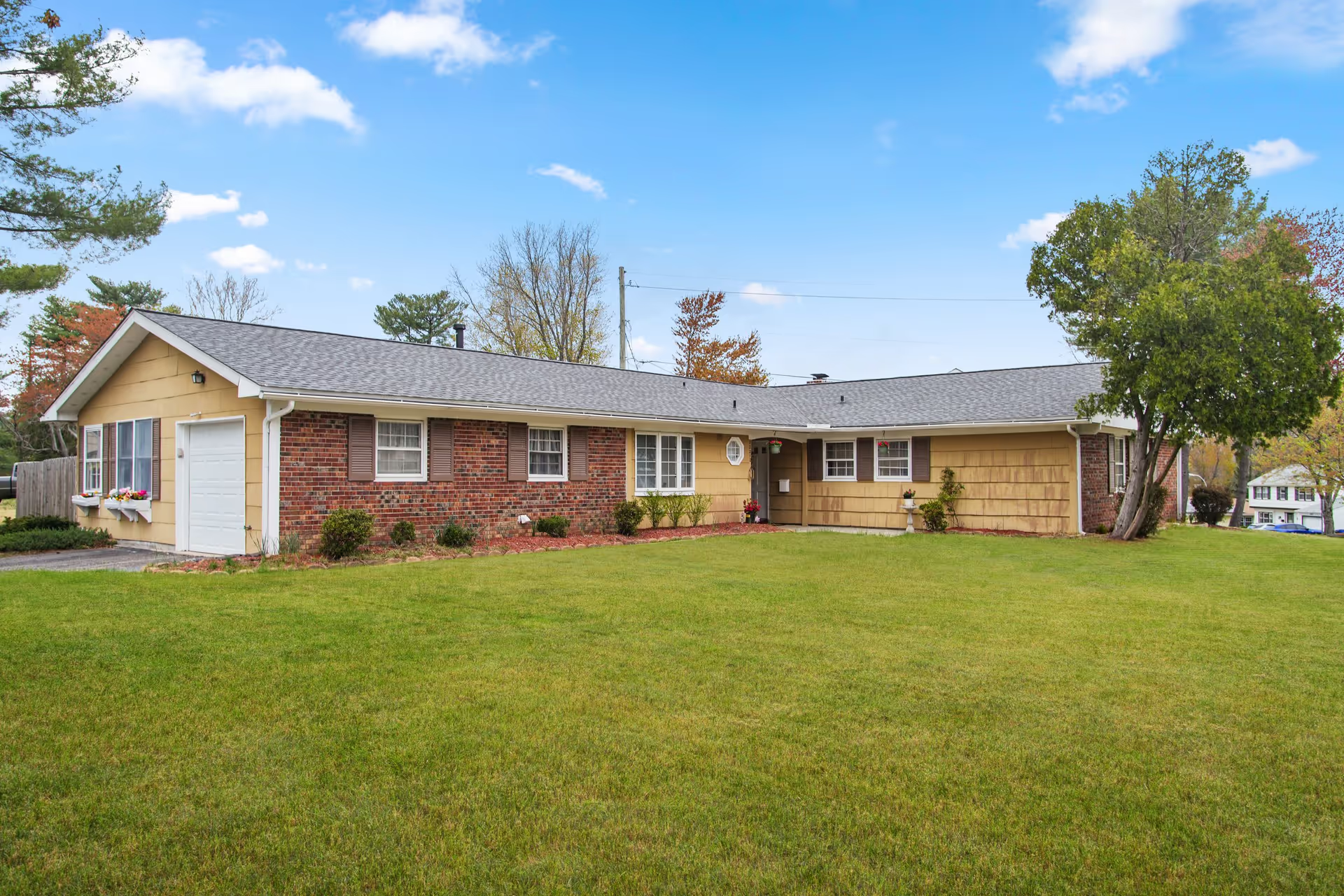
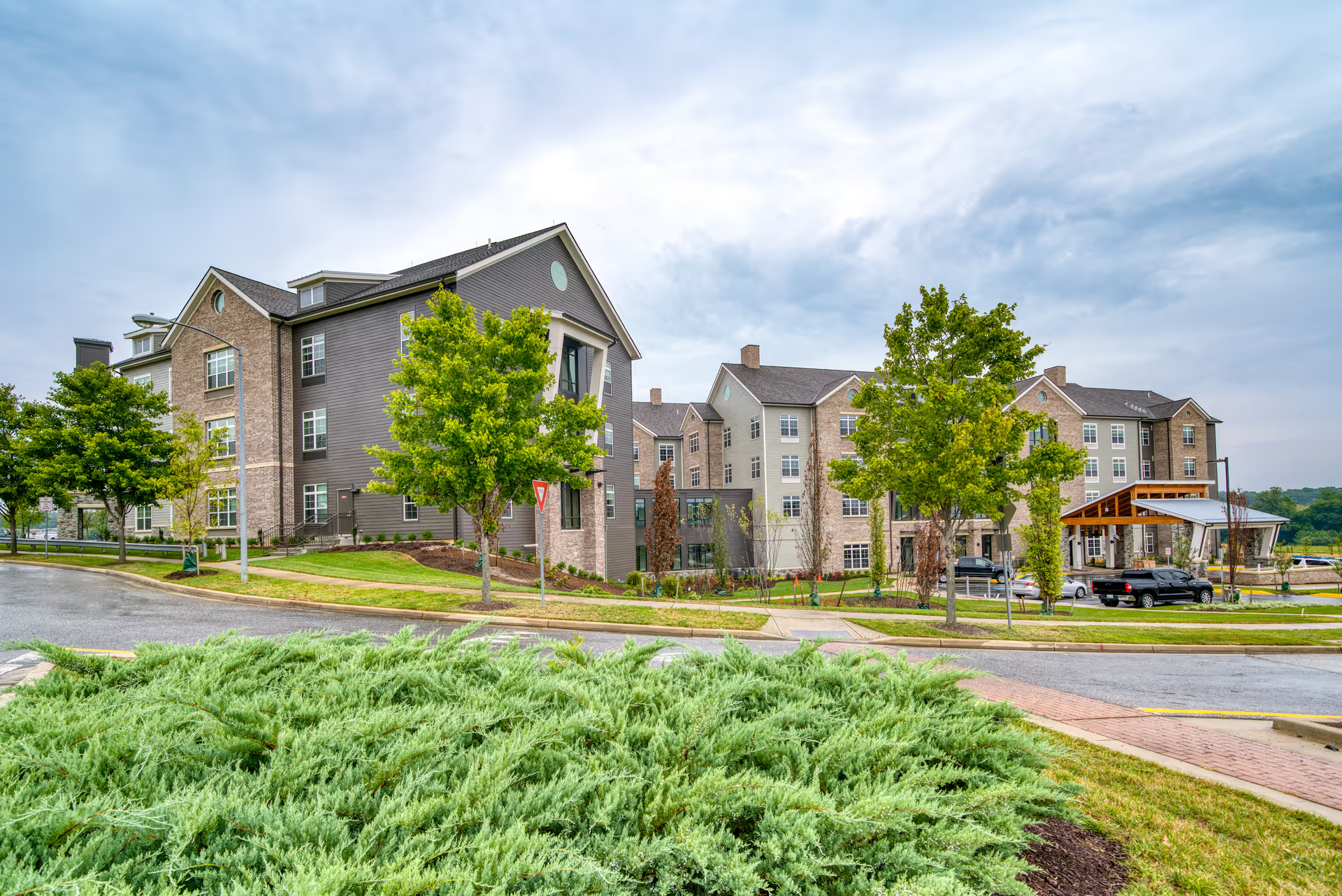
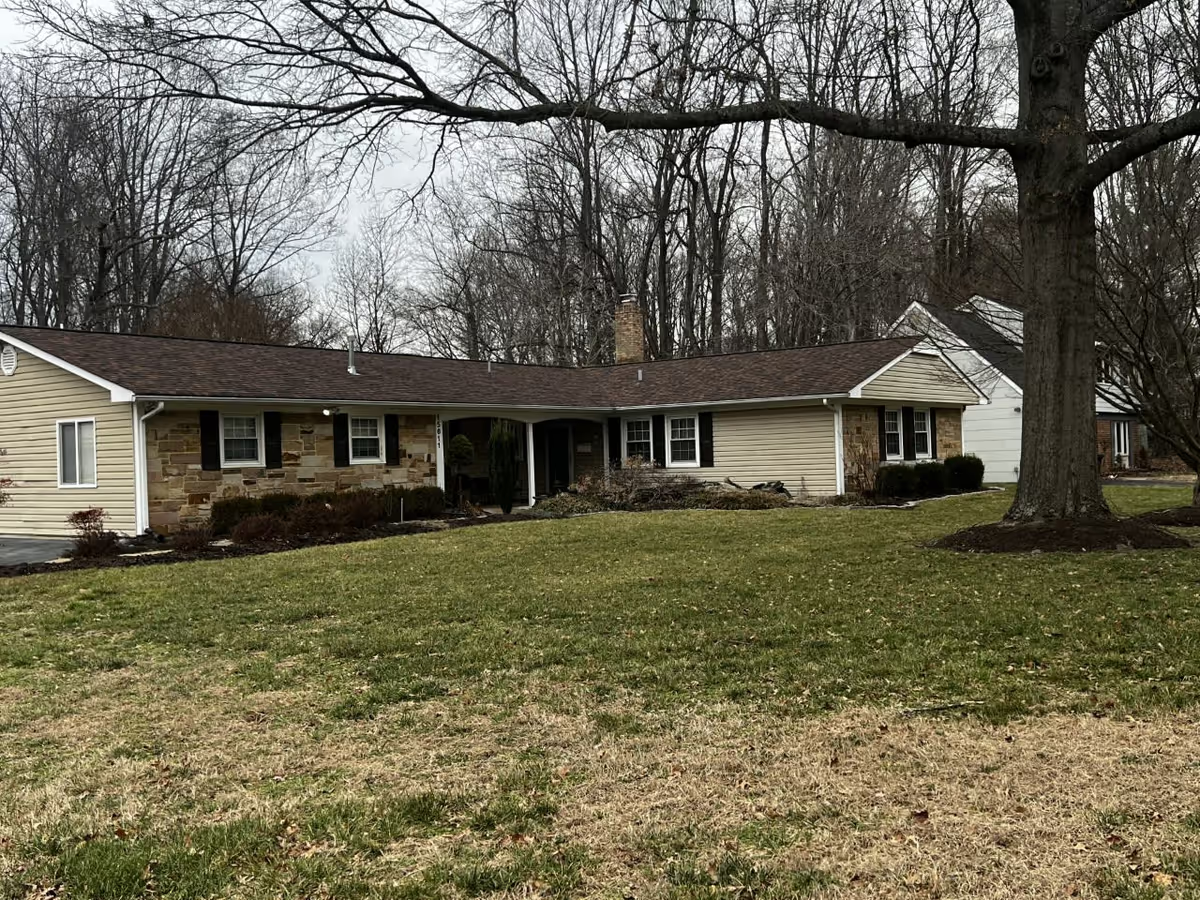
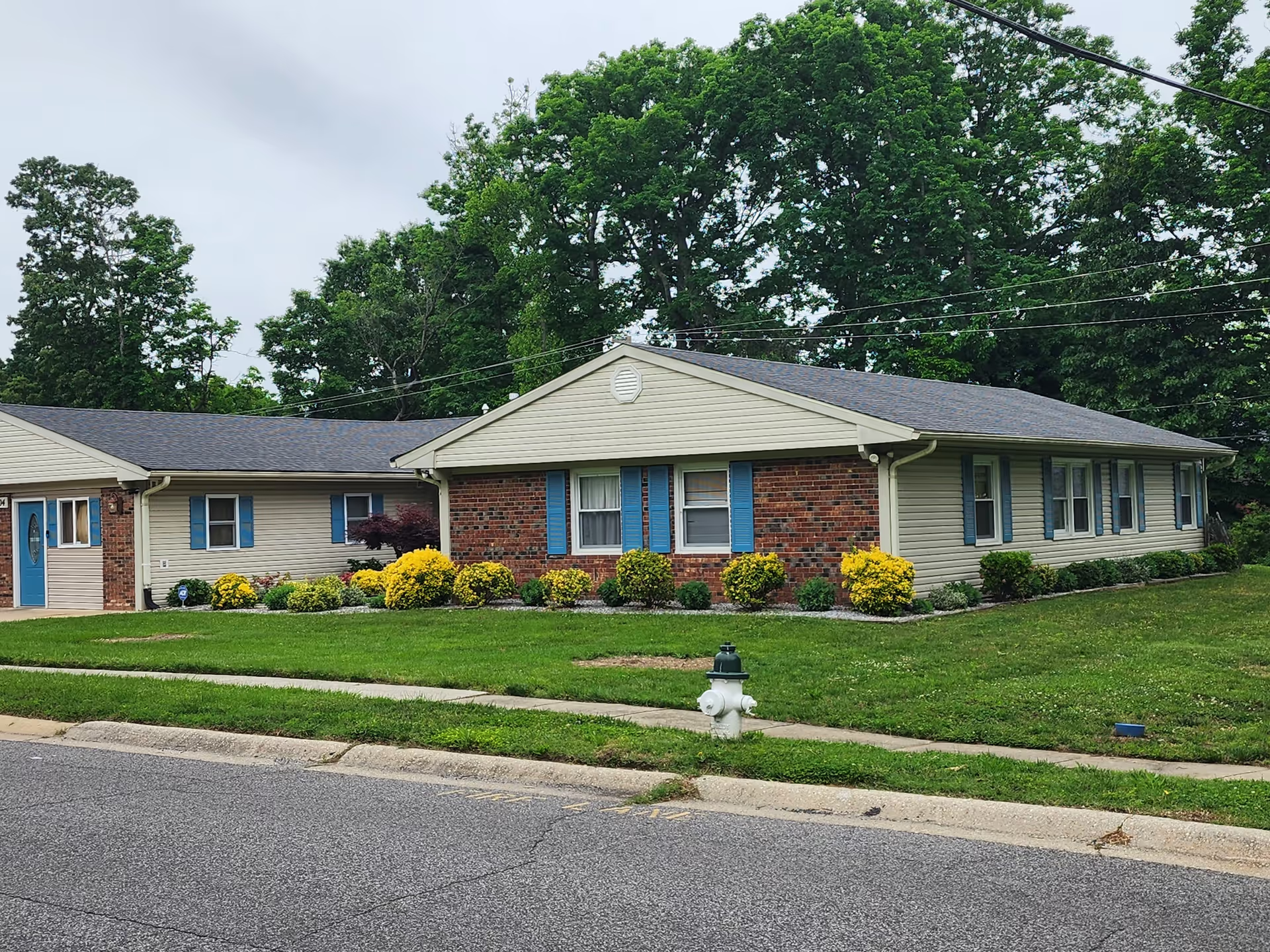
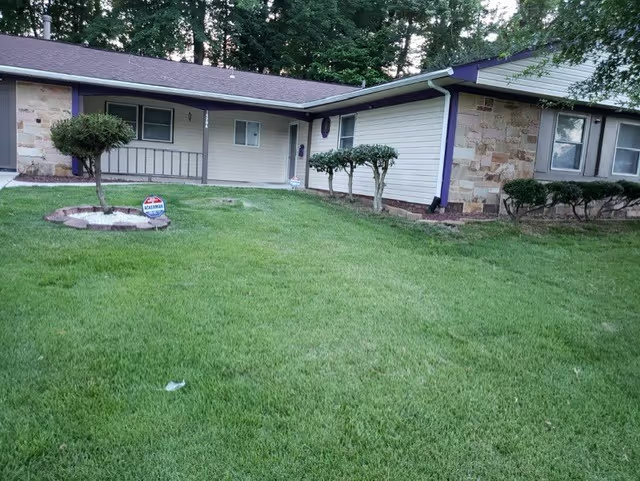
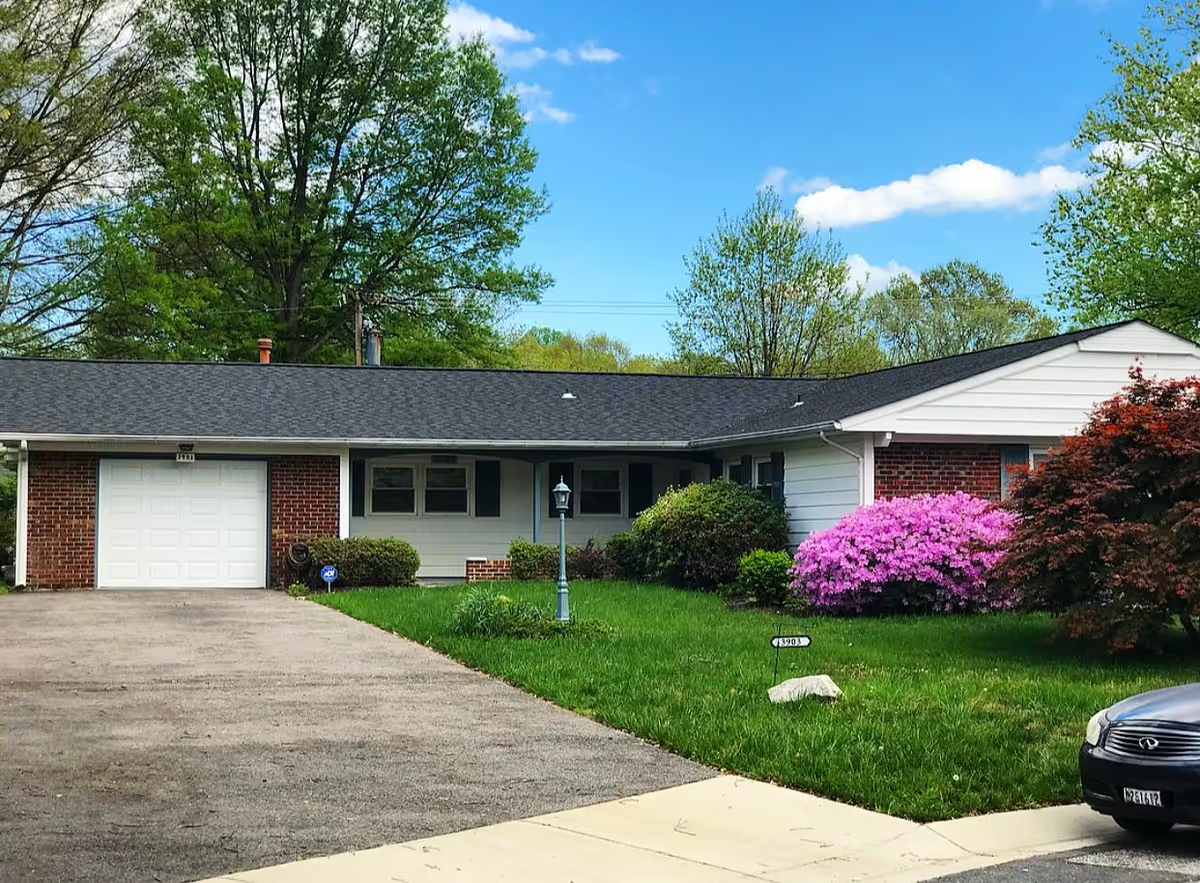
Facility and accessibility observations are mixed. Many reviewers complimented renovated rooms, updated cabinetry, attractive landscaping, and roomy apartment options with kitchenettes. The location near a hospital, senior center, and shopping is seen as convenient. Conversely, physical-access issues were noted: heavy doors, a lack of automatic entries beyond the main lobby, and layouts that can be confusing or require navigating through activity spaces. Several comments also point to areas needing maintenance or further renovation and occasional sanitation or housekeeping concerns; these suggest uneven facility upkeep in parts of the building.
Operational and management patterns warrant careful inquiry. While some families praise engaged leadership and responsive executive staff, other accounts describe administrative communication gaps, inconsistent follow-through from marketing or management, a confusing new billing system, and periodic price increases. Staffing challenges are an important recurring theme: reviewers cite understaffing, turnover, slow responses to pendant calls, and variability in nursing follow-through. Relatedly, there are specific clinical concerns noted by families — incontinence-care delays and isolated occurrences of pressure-related skin issues — that indicate the need to evaluate current staffing ratios, clinical oversight, and quality-improvement practices.
In summary, Brookdale Woodward Estates offers many strengths typical of a well-resourced assisted living community: robust on-site clinical and therapy services, a lively activities program, an active dining culture led by an on-site chef, and a convenient location with appealing grounds and renovated units. Areas to probe during a tour include current staffing ratios and turnover, response times to call systems, dietary and diabetic-meal protocols, laundry and personal-item procedures, accessibility for mobility-impaired residents, the status of memory-care services, and recent maintenance or sanitation follow-up actions. Asking for recent staffing metrics, sample menus, copies of the billing schedule, and references from current families will help determine whether the community’s operational performance matches the positive aspects emphasized by many families.