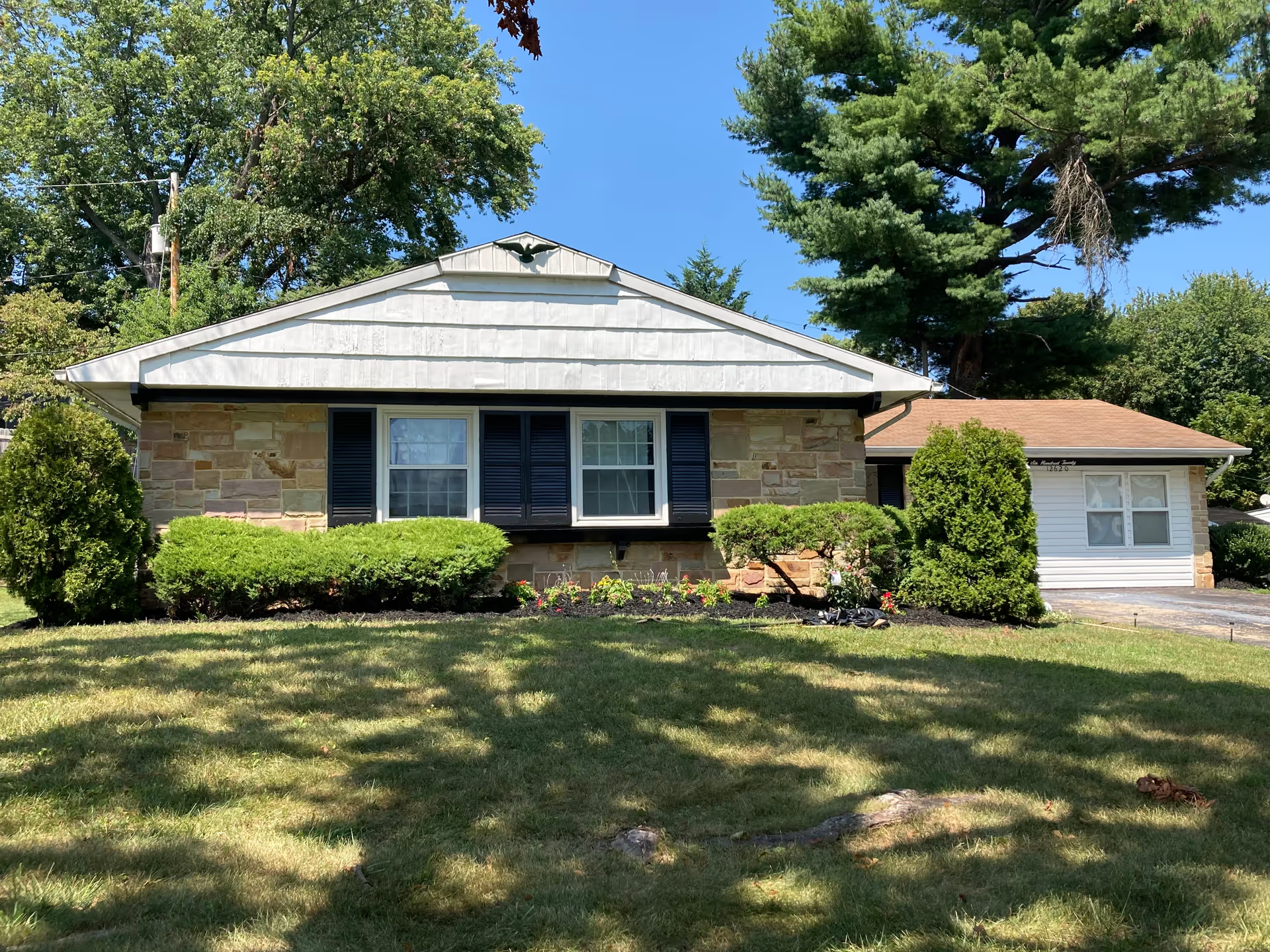
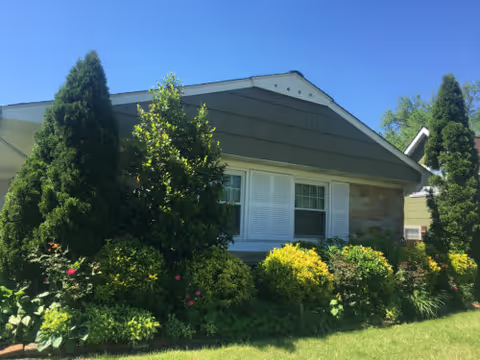
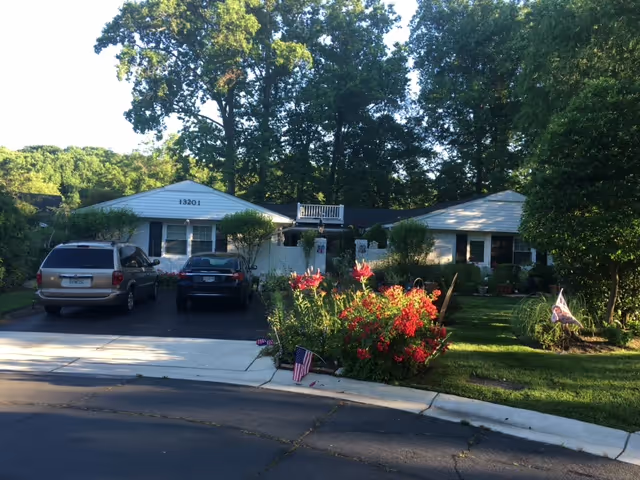
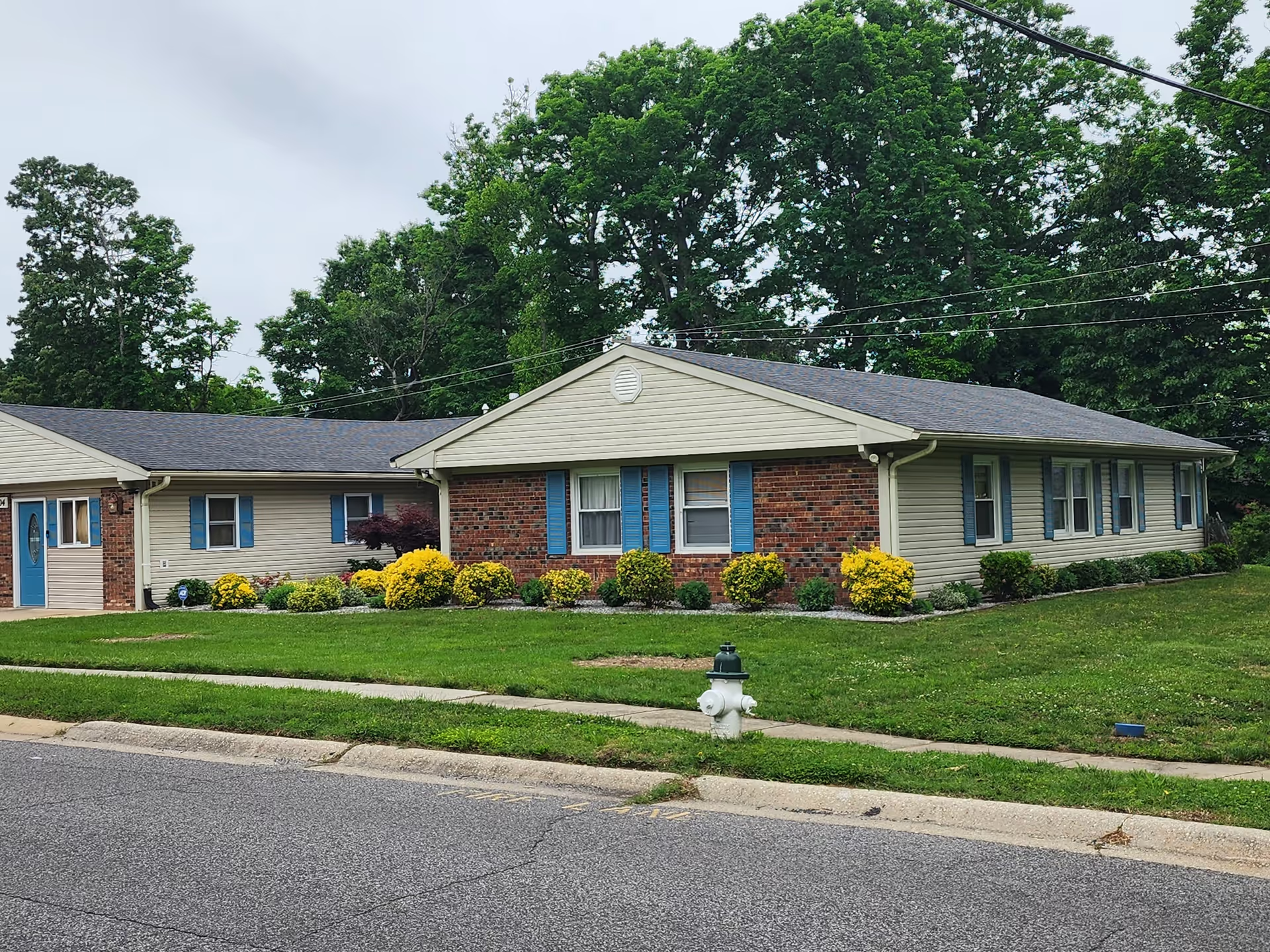
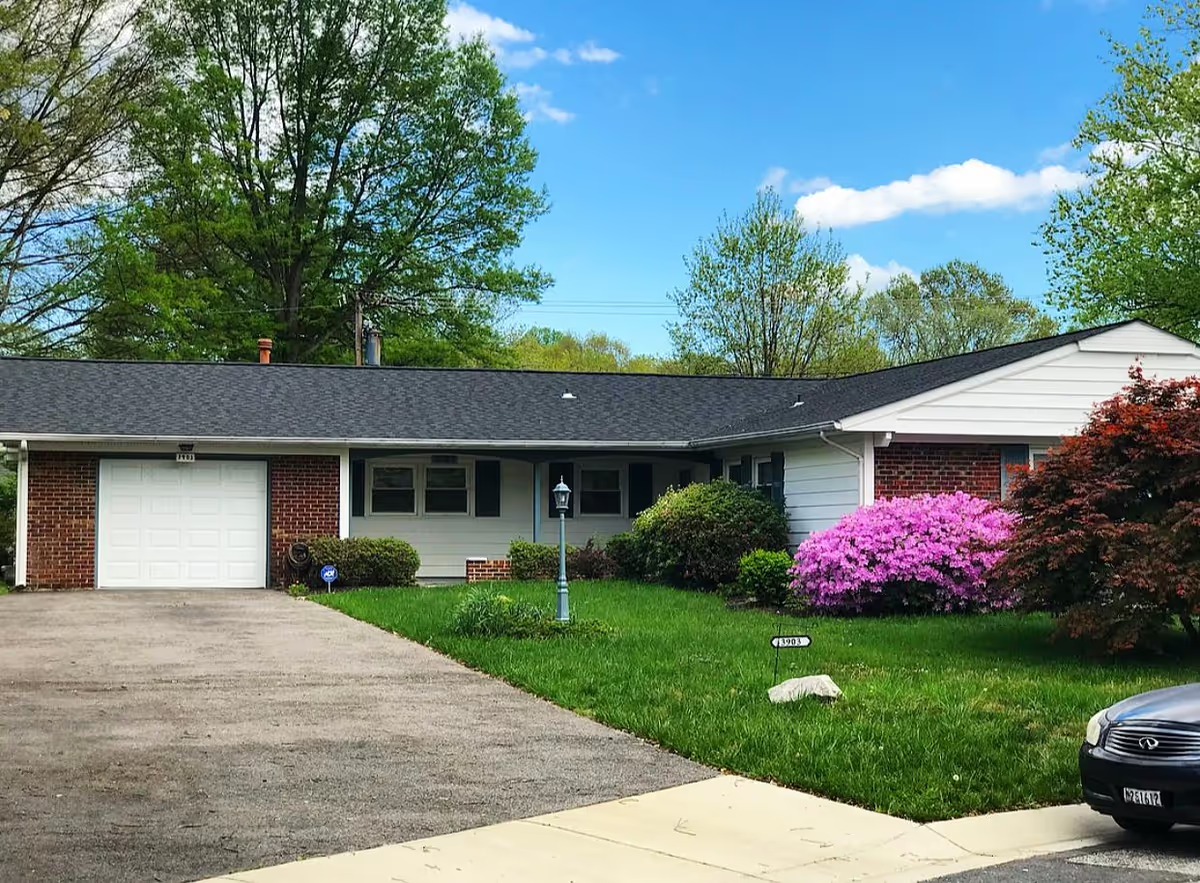
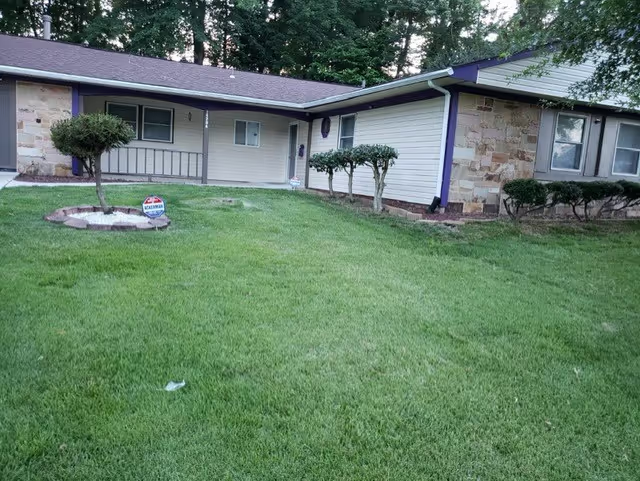
Overall sentiment across the review summaries is mixed and polarized: reviewers consistently praise the physical environment but are divided on the quality and consistency of care and management. The building, rooms, and general cleanliness receive repeated positive mentions — many reviewers describe Tribute At Melford as a beautiful, comfortable, and well-kept facility. These physical attributes are a clear strength and form the baseline expectation for prospective residents and families.
Care quality and staff performance are the central, conflicting themes. Several reviews describe high levels of care: staff who answer questions promptly, provide confident support, and create an overall positive caregiving experience. However, an equally strong set of reviews reports serious problems: staffing shortages, caregivers who appear indifferent, and high staff turnover. Specific negative incidents — lost dentures, inattentive responses that led to worsening situations and hospitalization — underline that when lapses occur they can have material consequences for residents. Multiple reviewers explicitly stated that residents with higher-level care needs were not getting required services, and some called for on-site clinical staff (doctors/nurses/aides) to address gaps.
Management and organizational stability are also recurring concerns. Reviews note frequent director turnover and the involvement of multiple management companies over time, which reviewers associate with inconsistency in operations and care. At the same time, several recent comments indicate a positive trajectory: arrival of a new executive director, new staff hires, and an expressed commitment from leadership to improve quality and partner with families. Those more recent reviews characterize Tribute as striving for excellence and report tangible improvements, with some families transferring from other assisted living communities and pronouncing Tribute a winner despite acknowledged imperfections.
Operational reliability and communication receive mixed marks. Some reviewers praise staff responsiveness and clear answers, while others recount poor communication and daily issues that undermine confidence. The pattern suggests uneven performance: certain shifts or teams deliver good care and communication, while others fall short. Reviewers repeatedly call out staffing shortages and frequent changes in personnel as underlying causes of day-to-day problems, indicating that consistency of staffing and continuity of caregivers are major drivers of resident experience.
Cost and perceived value are another theme: several summaries describe the community as expensive, and when combined with reports of inconsistent care, cost becomes a concern for families weighing the trade-offs. The presence of a high-quality facility aesthetic does not fully compensate for caregiving lapses in the eyes of some reviewers.
Notably absent from the review summaries are detailed comments about dining, activities programming, or social offerings; these areas were not addressed in the provided reviews, so no reliable assessment can be drawn from this dataset. For prospective residents and families, the key takeaways are: Tribute At Melford offers an attractive, comfortable physical environment and has pockets of strong, responsive staff and improving leadership. However, there is a clear history of staffing instability, management turnover, and at least a few serious care lapses. If considering Tribute, ask for specifics about current staffing ratios and continuity, recent leadership tenure and plans, protocols for handling high-acuity needs, examples of clinical staff availability, and references from recent families who have experienced the new management. Observing a care shift in person and discussing how the community prevents and responds to incidents (lost personal items, escalation to hospitalization, communication with families) would help validate whether the recent improvements are sustained.