Caring Hearts and Hands Assisted Living is consistently described as a small, owner-operated residence with a strong dementia-care focus and an RN in a leadership role. Families emphasize a warm, home-like atmosphere rather than an institutional feel; reviewers commonly cite attentive, compassionate staff, close family communication, and clinically oriented oversight. The facility appears to coordinate well with external clinicians through telehealth and shows evidence of attention to individualized clinical needs, including nutritional improvement and assistance with mobility for some residents.
Care quality and staffing are frequent strengths in the feedback. Reviewers highlight respectful, hands-on caregiving, responsiveness to questions, and routine updates on resident progress. Several accounts describe measurable clinical improvements after admission (for example, improved eating and weight gain, increased strength, and assistance with catheter or mobility needs). The presence of an RN director and owner-nurse involvement are noted as positives for clinical oversight and decision-making. Communication with families and a generally comforting presence for relatives are reiterated themes.
Dining and activities receive positive mentions. Meals are described as varied and appealing, and staff attend to dietary preferences. Programming includes regular activities, special events, and on-site pet therapy, which multiple families found beneficial for resident engagement. The small size of the home supports personalized activity choices and a festive, domestic atmosphere.
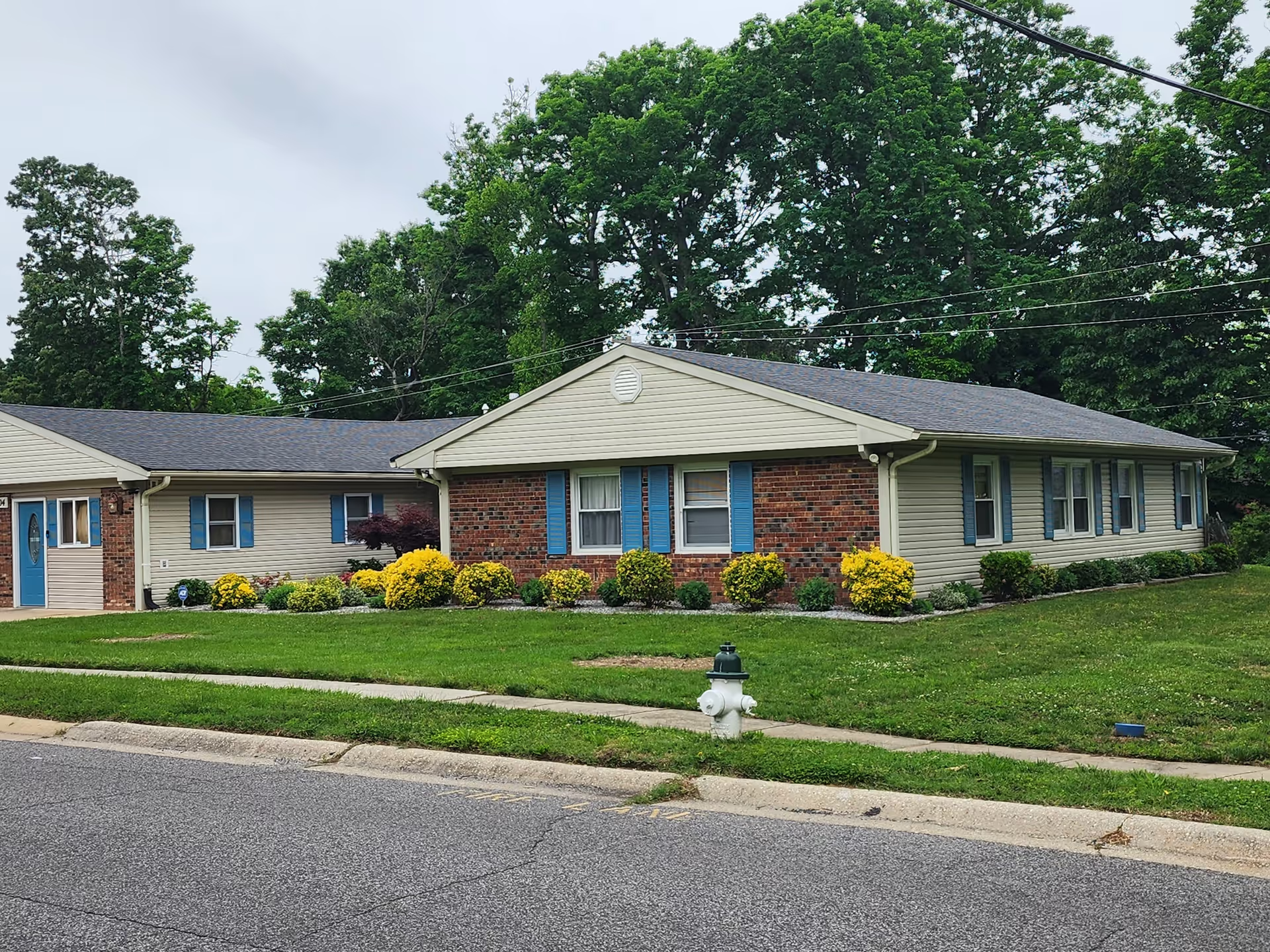
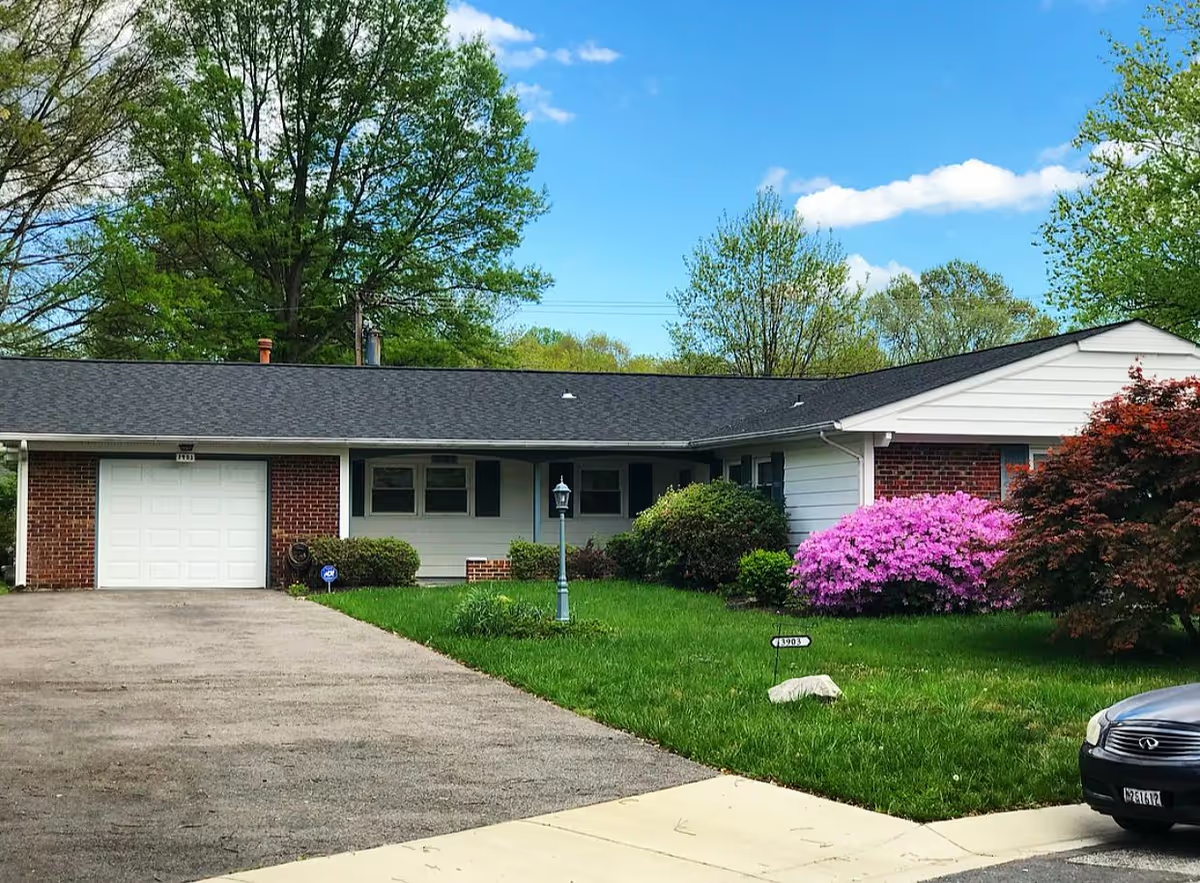
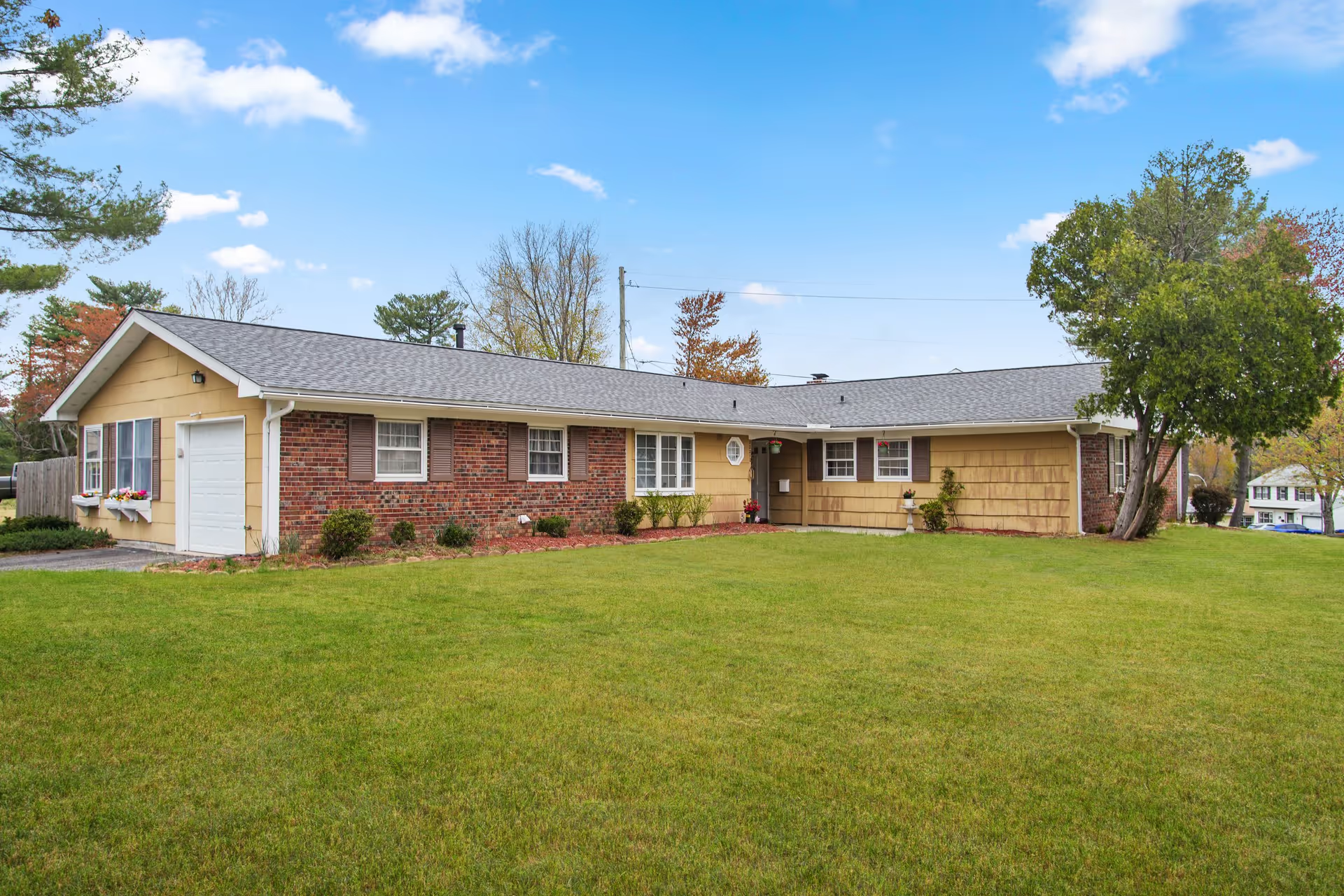
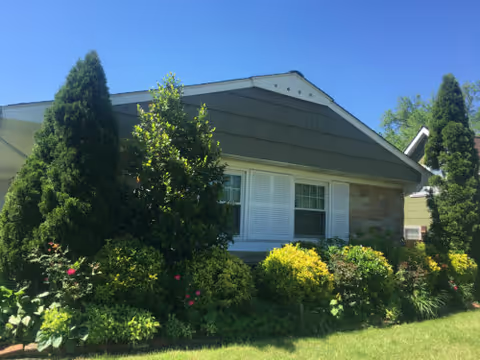
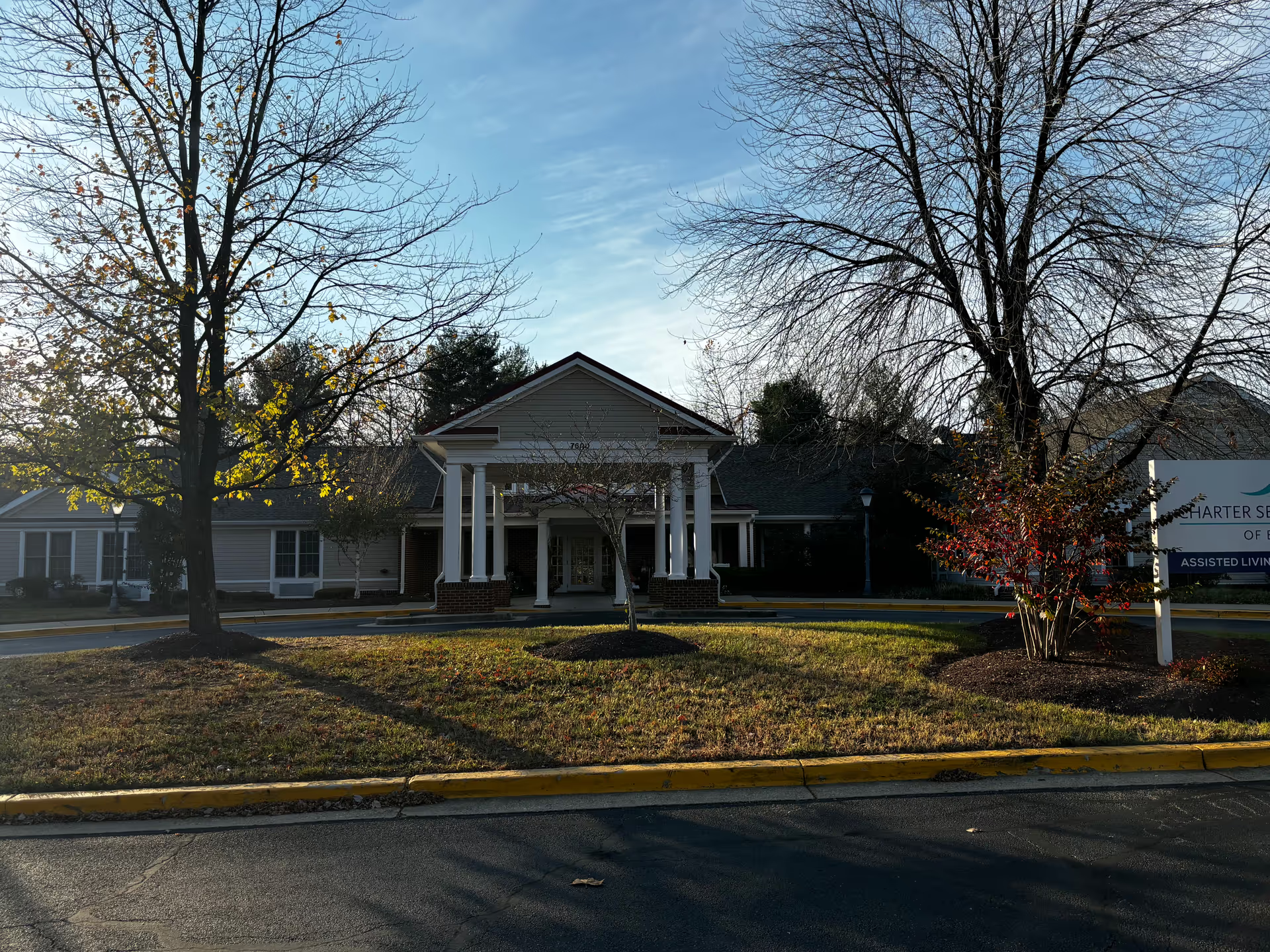
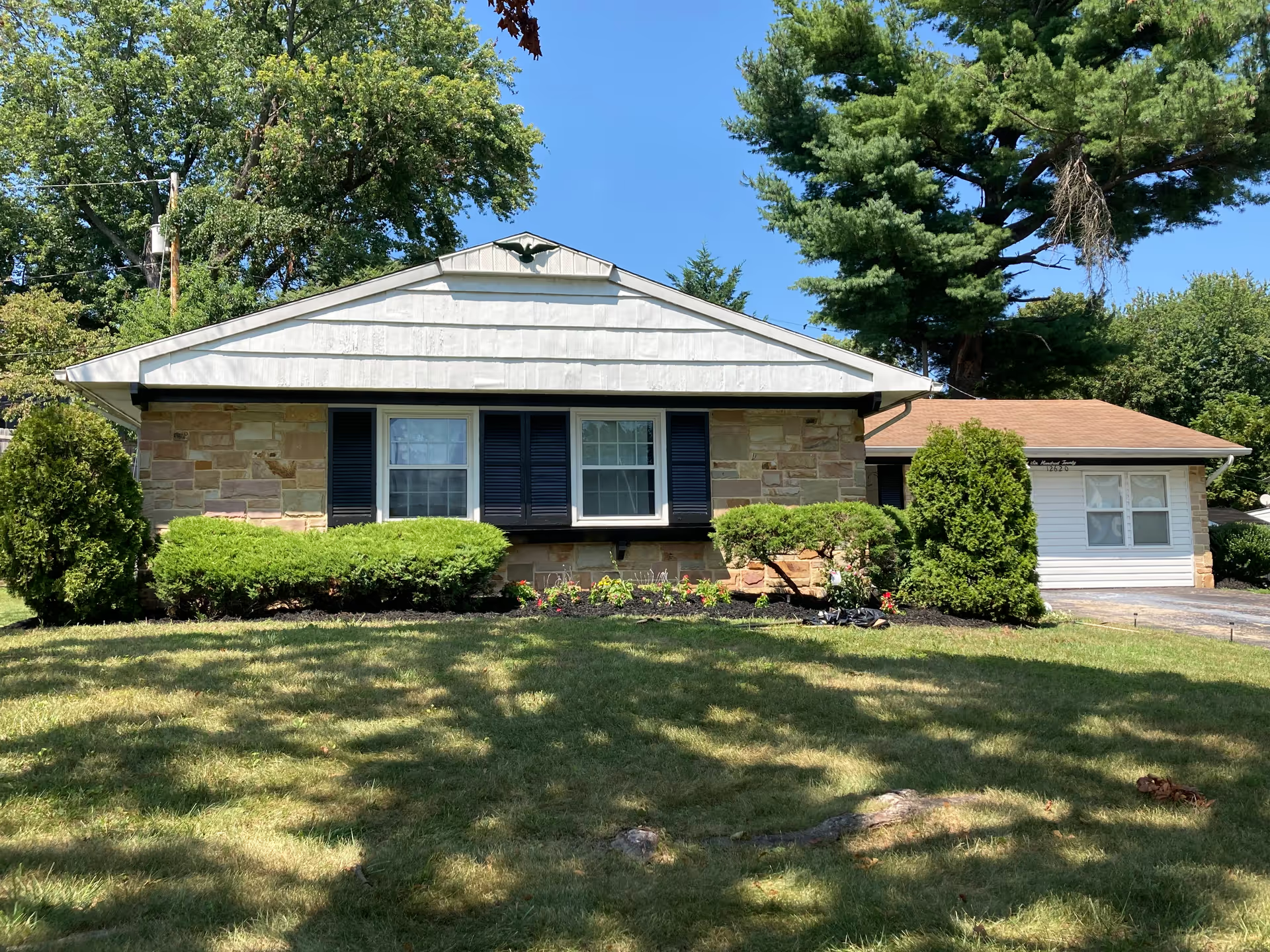
Facilities are characterized by cleanliness and well-maintained outdoor space, with a large backyard, patio, and gardens that reviewers appreciated. The interior layout is described as open and non-institutional. However, space constraints are a recurrent operational limitation: many rooms are small and semi-private, and private-room options are limited. Some reviewers also flagged occasional clutter in common areas and mentioned fragrance or perfume sensitivities that could affect residents with sensory issues.
Management practices combine owner-operated attention with infection-control measures. Families noted a safety-conscious approach to reopening and limited occupancy during infection-control periods; however, restricted visitation flexibility during such events was also a source of family concern. Overall, the facility accepts Medicaid and projects a hands-on management style, which some families found reassuring. The dominant pattern across feedback is a strong match for residents with dementia who benefit from personalized, attentive care in a small, home-like setting; prospective residents with different care needs or those requiring larger private rooms may find the facility less well suited.