Autumn Lake Healthcare at Chesapeake Woods elicits strongly mixed impressions. Many families and patients describe compassionate, engaged caregivers and effective short‑term rehabilitation outcomes, particularly noting consistent physical and occupational therapy and clear therapy goal achievement. The facility has an active activities program — including Wii, arts-and-crafts, outings and regular social events — and several accounts emphasize helpful admissions/front‑end staff and supportive social work and care‑coordination, which facilitate discharge planning and home‑care setup. Clean, well‑maintained private rooms (where available), a family‑like atmosphere, and instances of rapid recovery are commonly cited positives.
Staff performance is the most polarized area. Numerous reviewers praise courteous, dignified, and attentive staff — including skilled nurses and supportive night staff — who go above and beyond for residents. However, other reviews describe pronounced workforce and training challenges: apparent understaffing, inconsistent nurse/aid availability, delayed responses to call bells, and concerns about care continuity during some shifts. These operational inconsistencies appear to affect basic care tasks (bathing, clothing changes, incontinence support) for some residents and create variability in day‑to‑day experience.
Dining and nutritional management also show variability. Several families praised meal service timing and tasty meals, while others reported inconsistent food quality, cold meals, and dietary‑restriction noncompliance or overly bland preparation. Attention to meal temperature control and adherence to prescribed diets emerged as an area needing more consistent oversight.
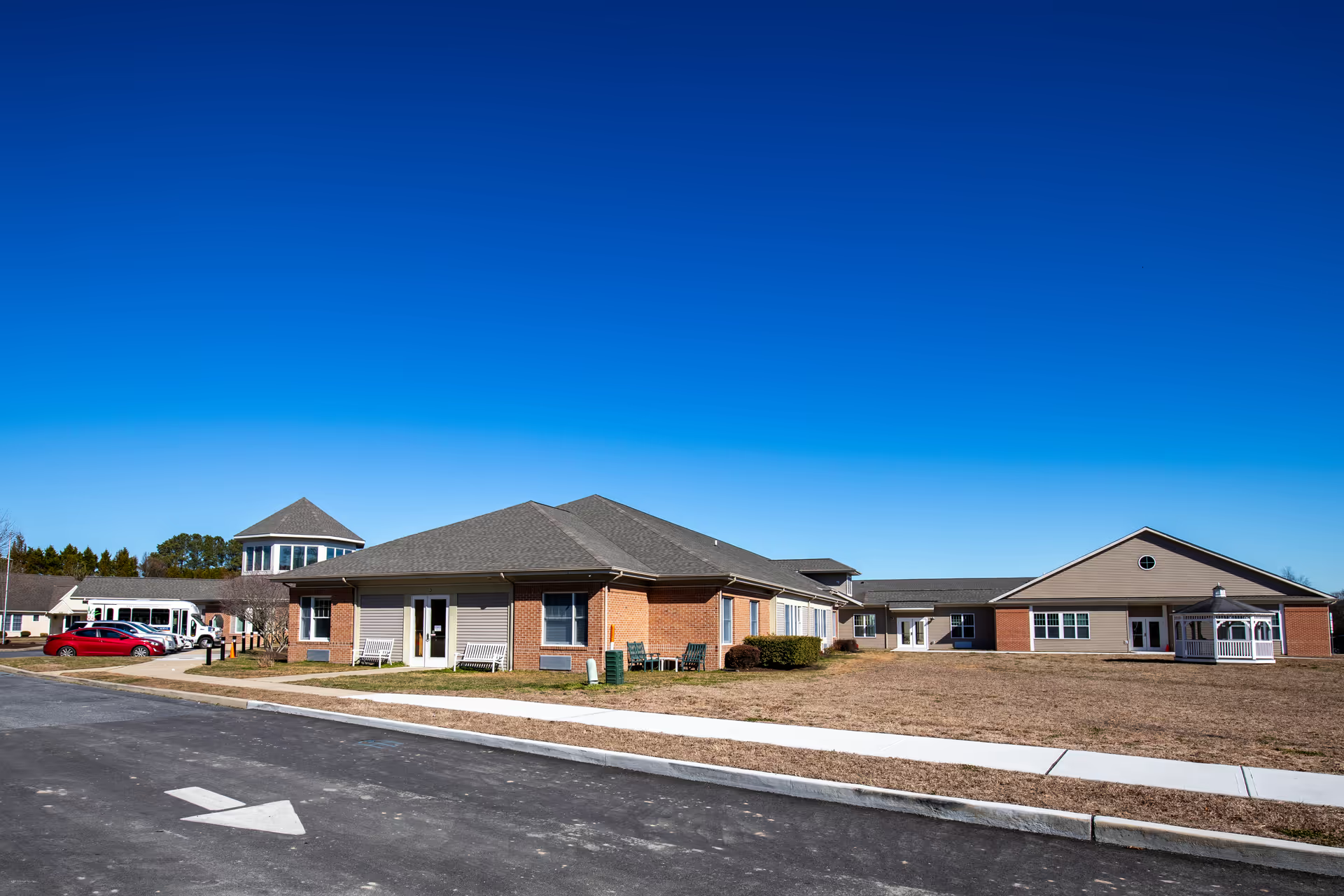
Facility and environmental observations are similarly mixed. Many reviewers describe clean resident rooms and overall tidy units; others note sanitation concerns in specific common areas, meal‑service equipment, and occasional maintenance items (AC cleanliness, cobwebs, and high indoor temperatures on some units). Laundry management and loss of personal clothing are recurrent logistical concerns, and the building’s room mix (predominantly double occupancy) limits private‑room options.
Communication and management practices show both strengths and weaknesses. Positive accounts highlight invited care meetings, seamless updates from therapists and social workers, and responsive front‑line staff. Conversely, some families experienced poor phone responsiveness, unanswered nursing‑station calls, delays in diagnostic testing or bloodwork, missing clinical documentation, and a sense that complaints were not always addressed promptly by leadership. There are also concerns about resident‑room security and personal‑item loss that warrant attention.
Overall, the pattern suggests that Autumn Lake can deliver strong clinical and social programming and compassionate care, but performance appears uneven across shifts and units. Prospective residents and families should consider an in‑person visit during different times of day, ask about current staffing levels and training, inquire about sanitation and laundry protocols, confirm dietary‑management procedures, and review documentation practices and security measures to assess current operational consistency.