Overall impression: Reviews describe a facility with notable strengths in rehabilitative care, therapeutic engagement, and compassionate direct caregivers, alongside recurrent operational weaknesses that create inconsistent resident experiences. Many families and residents praised the therapy teams, attentive nurses and aides, active programming, and a home-like environment in private rooms and common areas. At the same time, a number of reviews cite operational and clinical gaps that merit attention from prospective families.
Care quality and clinical services: Corsica Hills receives repeated positive remarks for its physical and occupational therapy programs and for staff who focus on returning residents home. Nursing staff and aides are frequently described as compassionate and patient-focused, and several accounts highlight strong coordination of pain management and family inclusion in care planning. However, there are repeated reports of delayed responses to resident needs, inconsistent timing of medication administration, and specific clinical care concerns such as wound-care oversight and infection-prevention practices. These clinical issues appear intermittent but have resulted in serious family concern in select cases.
Staffing and staff conduct: Many reviewers emphasize that frontline staff are caring and dedicated. Conversely, staffing levels and workforce continuity are recurring concerns. Reviews describe reliance on agency/traveler staff and frequent turnover, which can lead to unfamiliar caregivers, inconsistent routines, and uneven handoffs. Communication lapses are noted, particularly during evenings and weekends, and several accounts point to staff distraction and slow responsiveness under workload pressure.
Dining and dietary management: The facility’s dining and nutrition receive mixed feedback. Numerous reviewers compliment food quality, menu variety, and availability of snacks, and some families report attentive dietitian involvement. Yet there are documented inconsistencies in dietary management—most notably challenges adhering to prescribed diabetic diets and occasional gaps in meal provision—that families should verify during their tour and care planning conversations.
Activities and social environment: Activity programming is a clear strength. Reviews describe robust arts-and-crafts, music, worship, festivals, and social events that keep residents engaged. Staff often facilitate meaningful interactions and individualized attention that contribute to a family-like atmosphere and resident satisfaction.
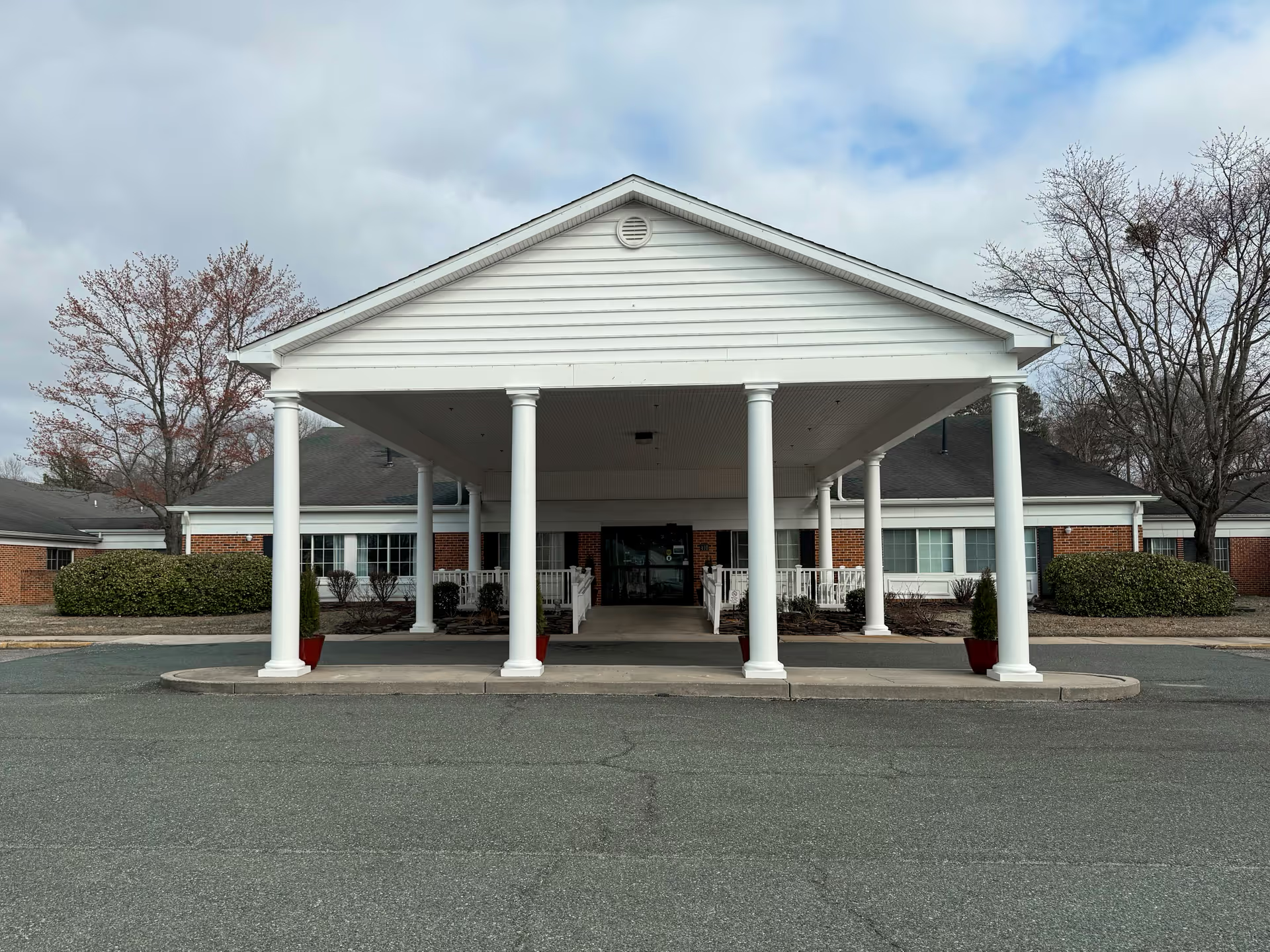
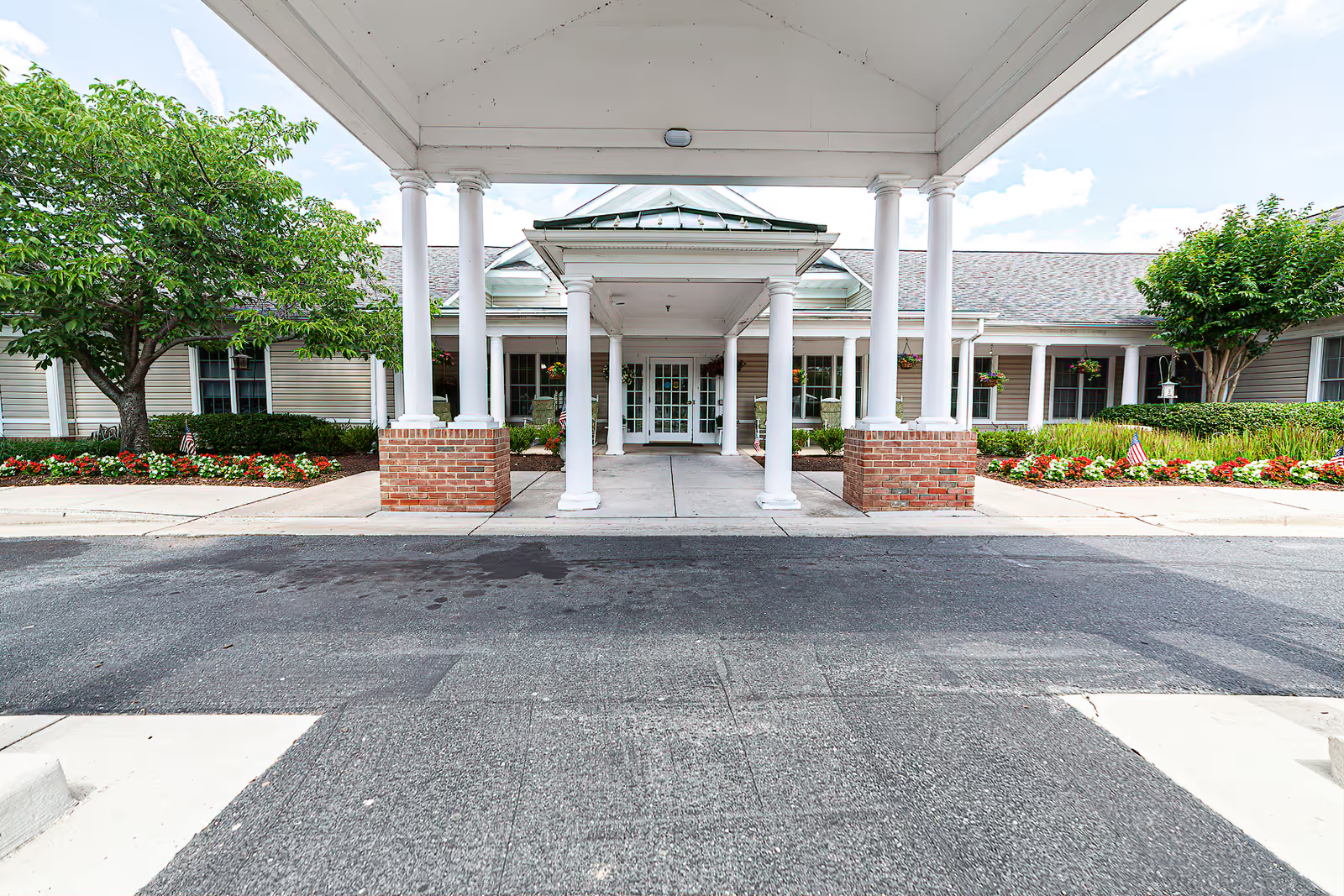
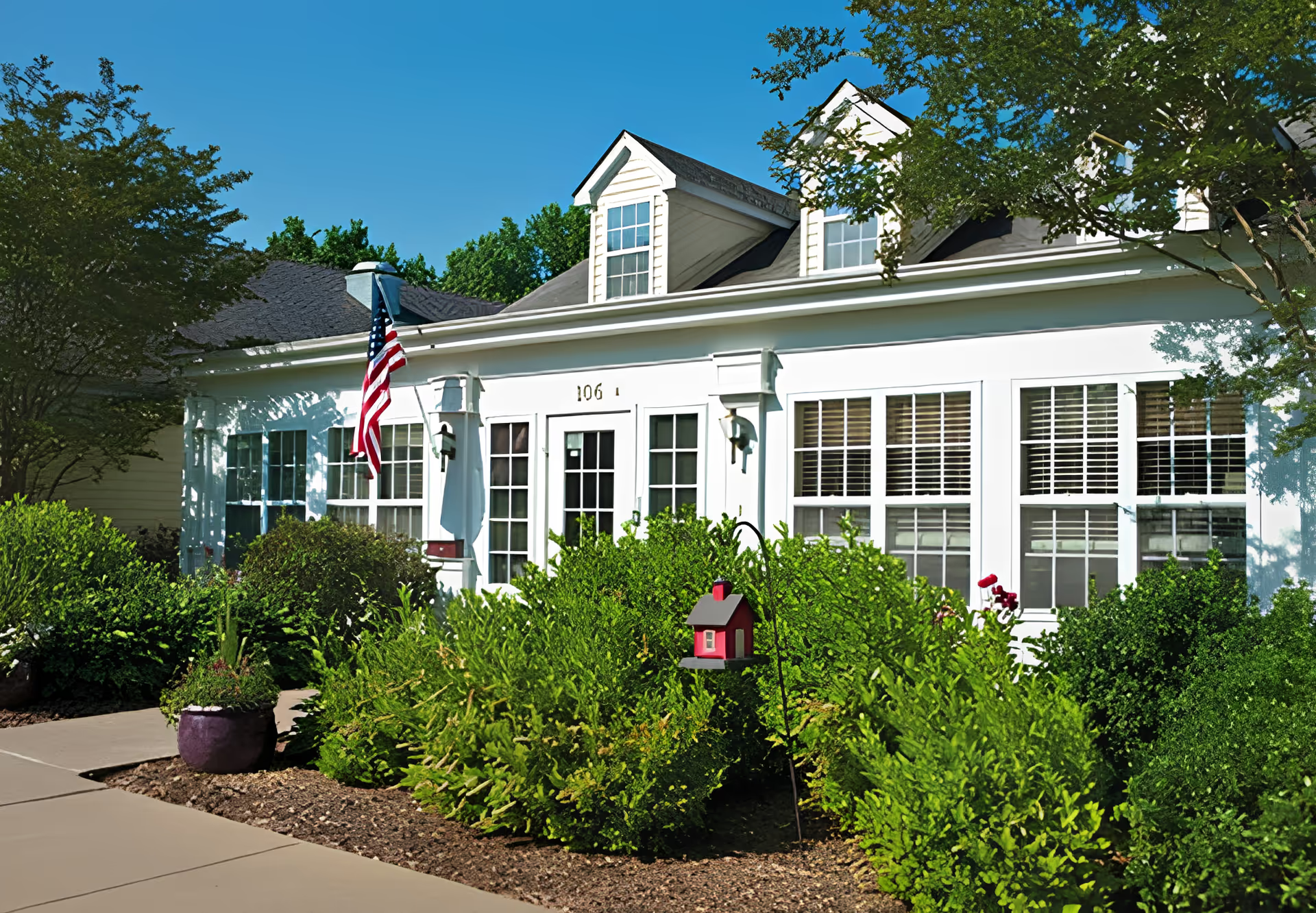
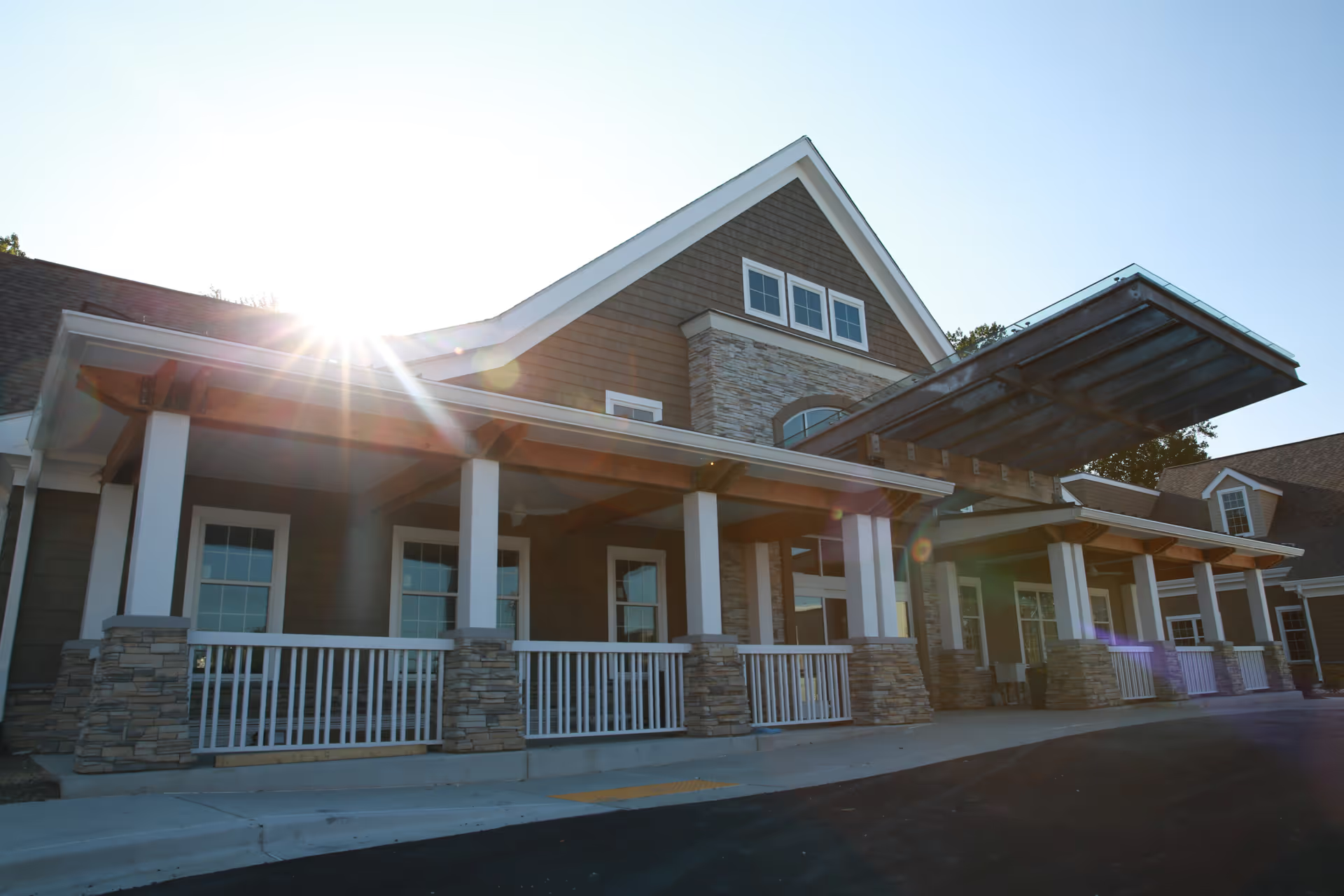
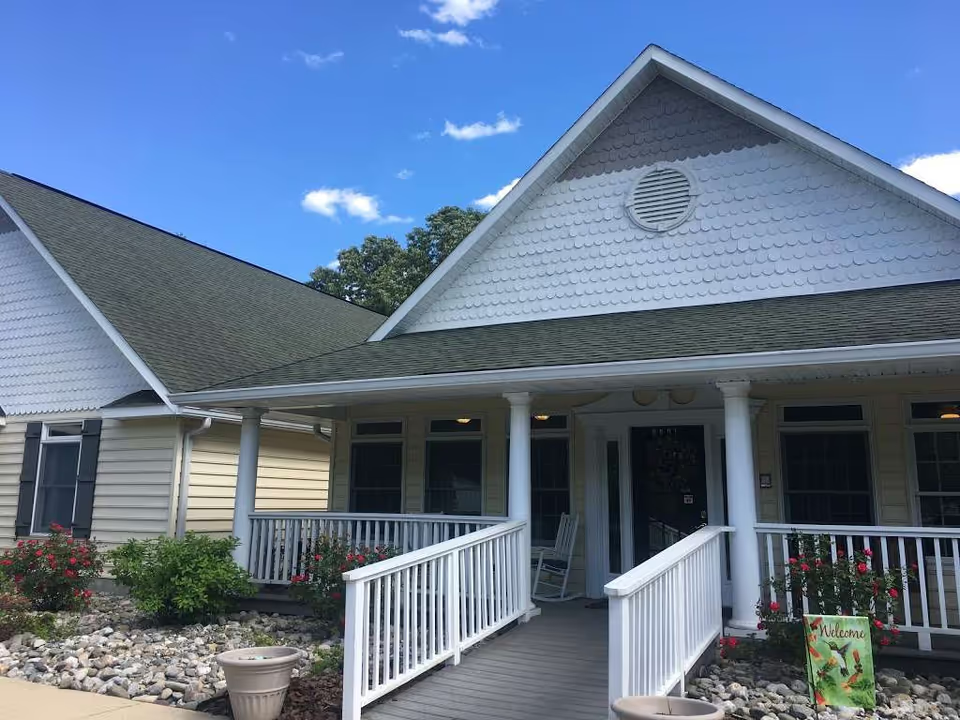
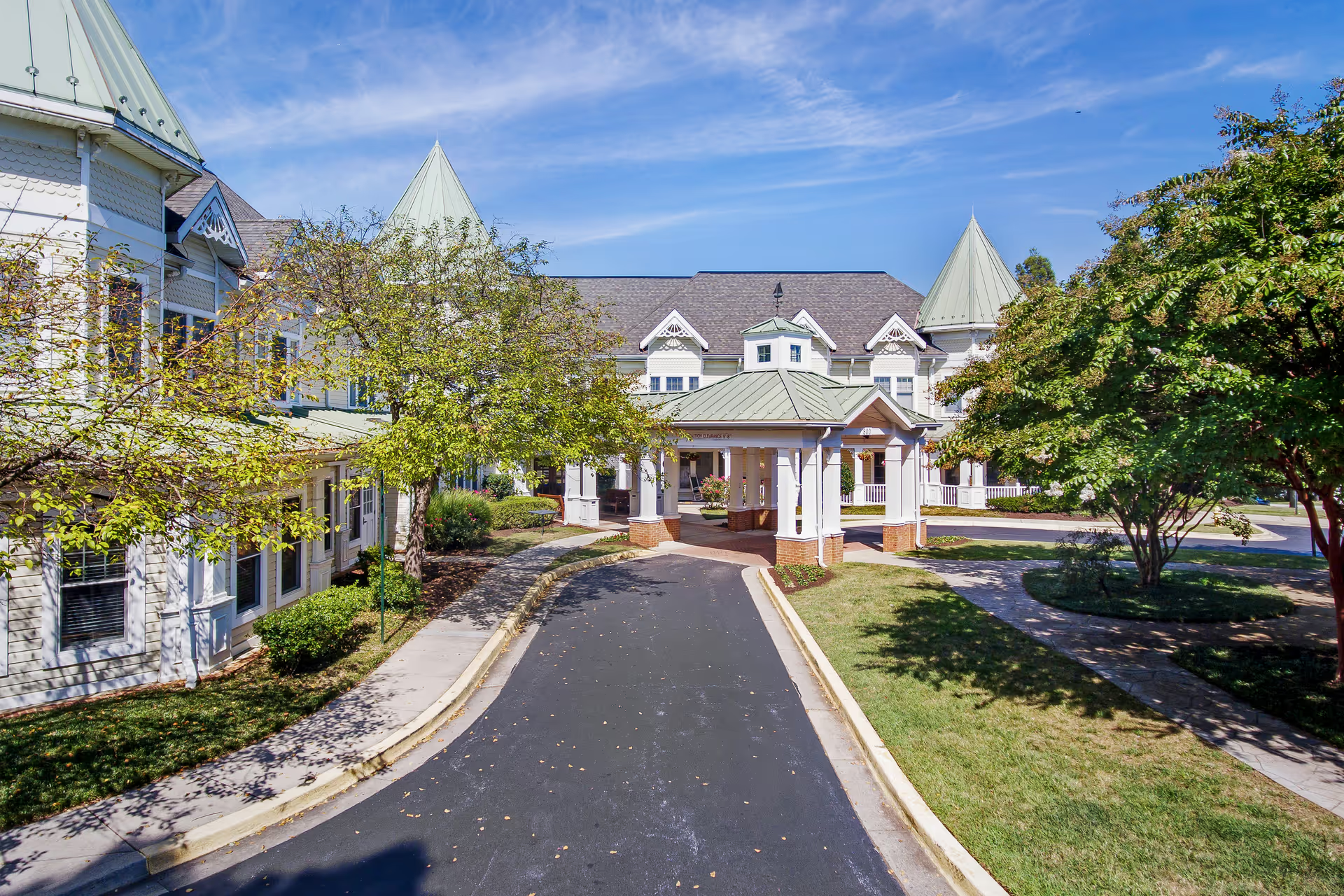
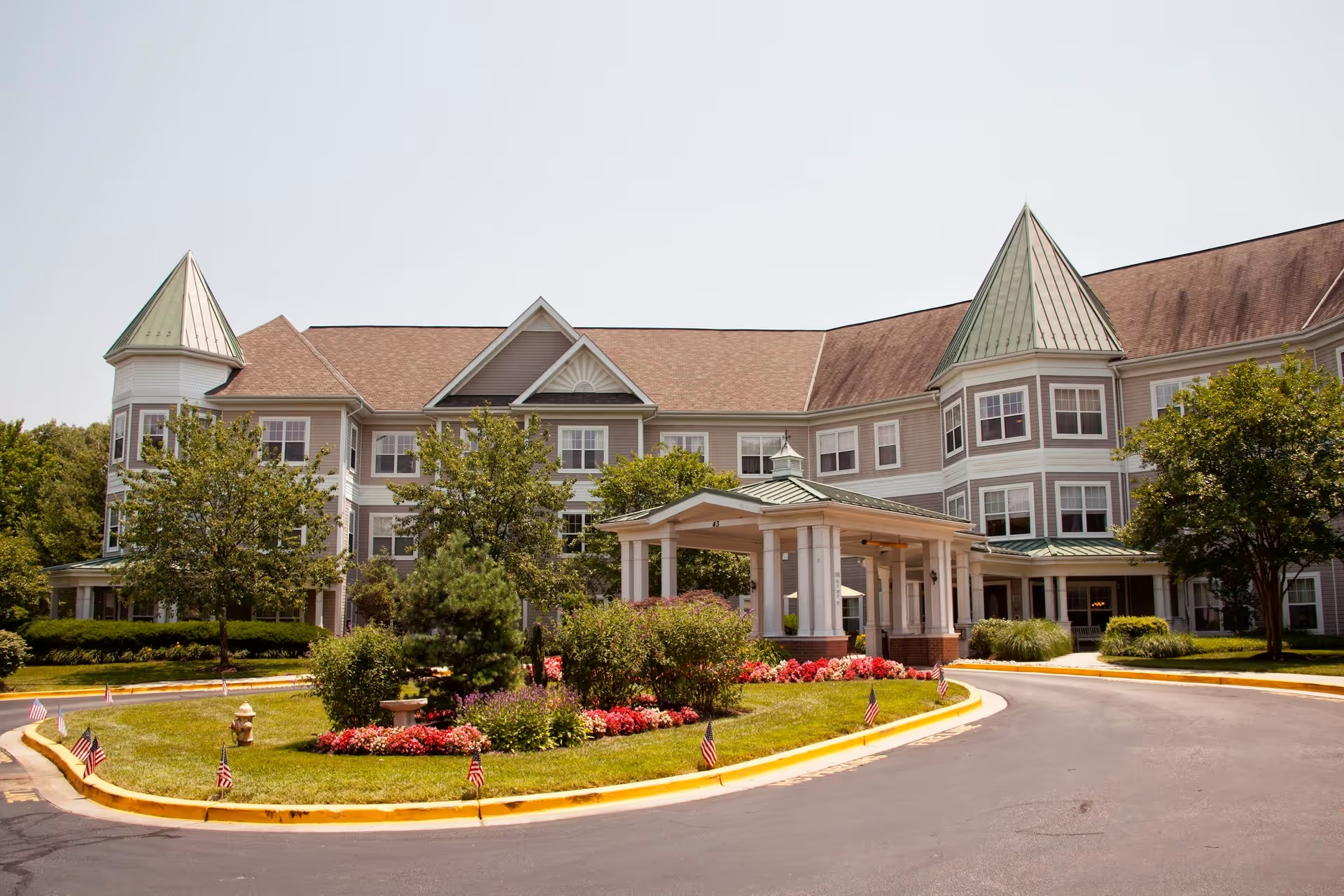
Facilities and housekeeping: The physical environment is described in mixed terms. Positive notes include large private rooms, comfortable common areas, and a clean and bright rehabilitation wing. At the same time, there are repeated housekeeping and maintenance concerns—sticky floors, cluttered or untidy surfaces in certain areas, and deferred upkeep of walls, ceilings, carpeting, and mattresses. Memory-care areas are specifically called out in some reviews for sanitation and staffing shortfalls. Prospective families should inspect multiple parts of the building and inquire about cleaning schedules and preventive maintenance plans.
Management and notable patterns: Several reviews indicate a shift in consistency following management or staffing changes, with accountability and oversight cited as variable. A clear pattern is polarization of experience: many families report excellent, even outstanding care, while others report substantive operational lapses that affected health and safety perceptions. There are also isolated but serious clinical concerns referenced in reviews, including infection-related outcomes and wound progression; these are uncommon in the dataset but significant in impact.
Recommendations for families: Given the mixed but specific nature of feedback, families should (1) tour the facility across different shifts, (2) ask about staffing ratios and use of agency staff, (3) review protocols for infection prevention, wound care, and incontinence support, (4) confirm dietary accommodations for conditions such as diabetes, and (5) discuss security, asset management, and evening/weekend communication protocols. Corsica Hills offers strong rehabilitation and a caring culture in many instances, but variability in operational performance suggests that individualized due diligence is advisable before placement.