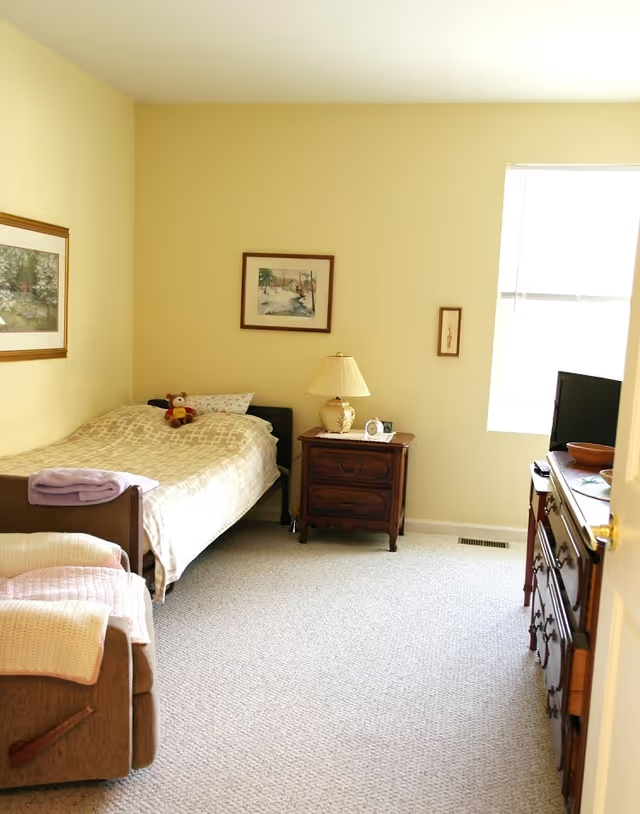
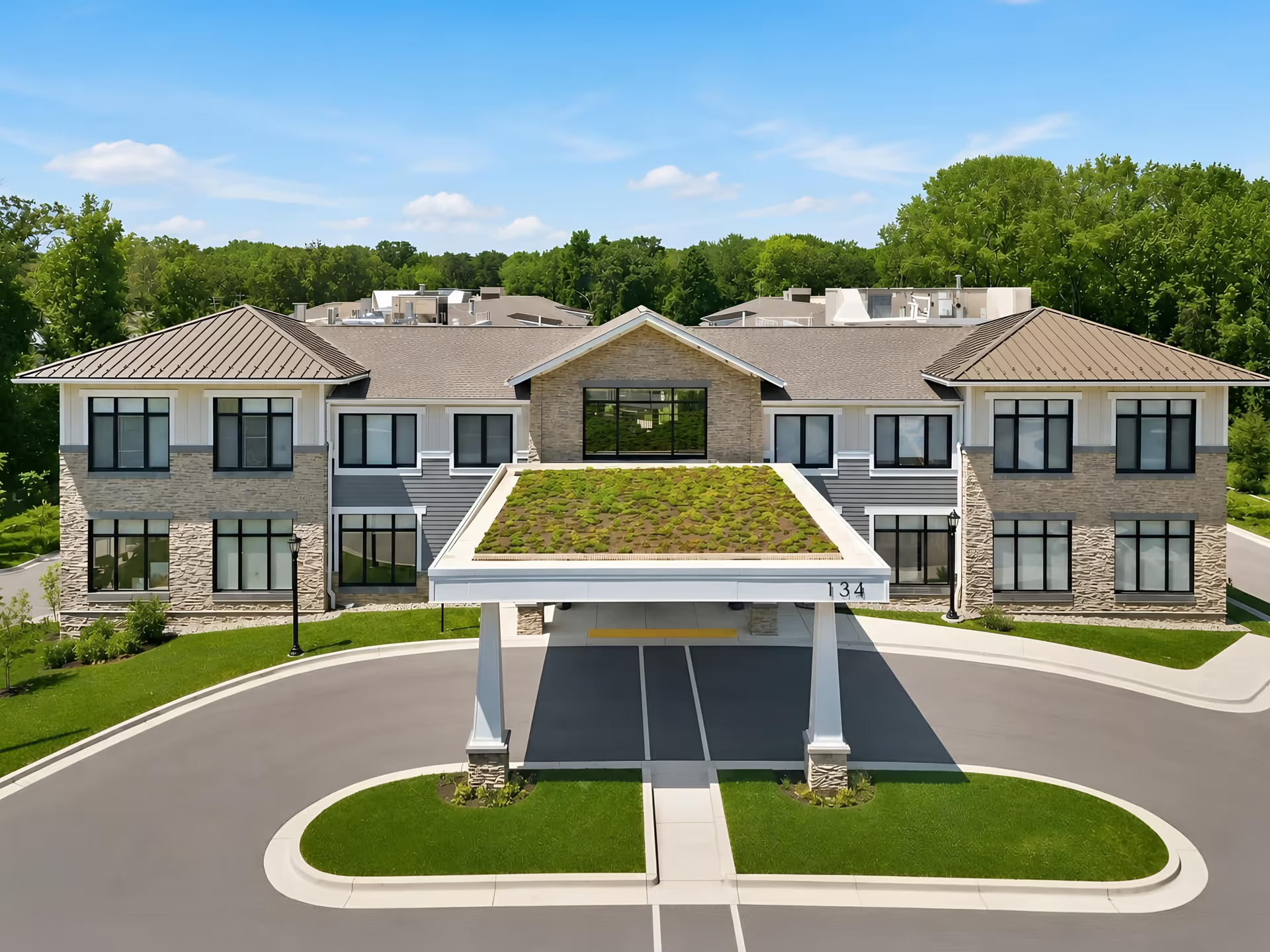
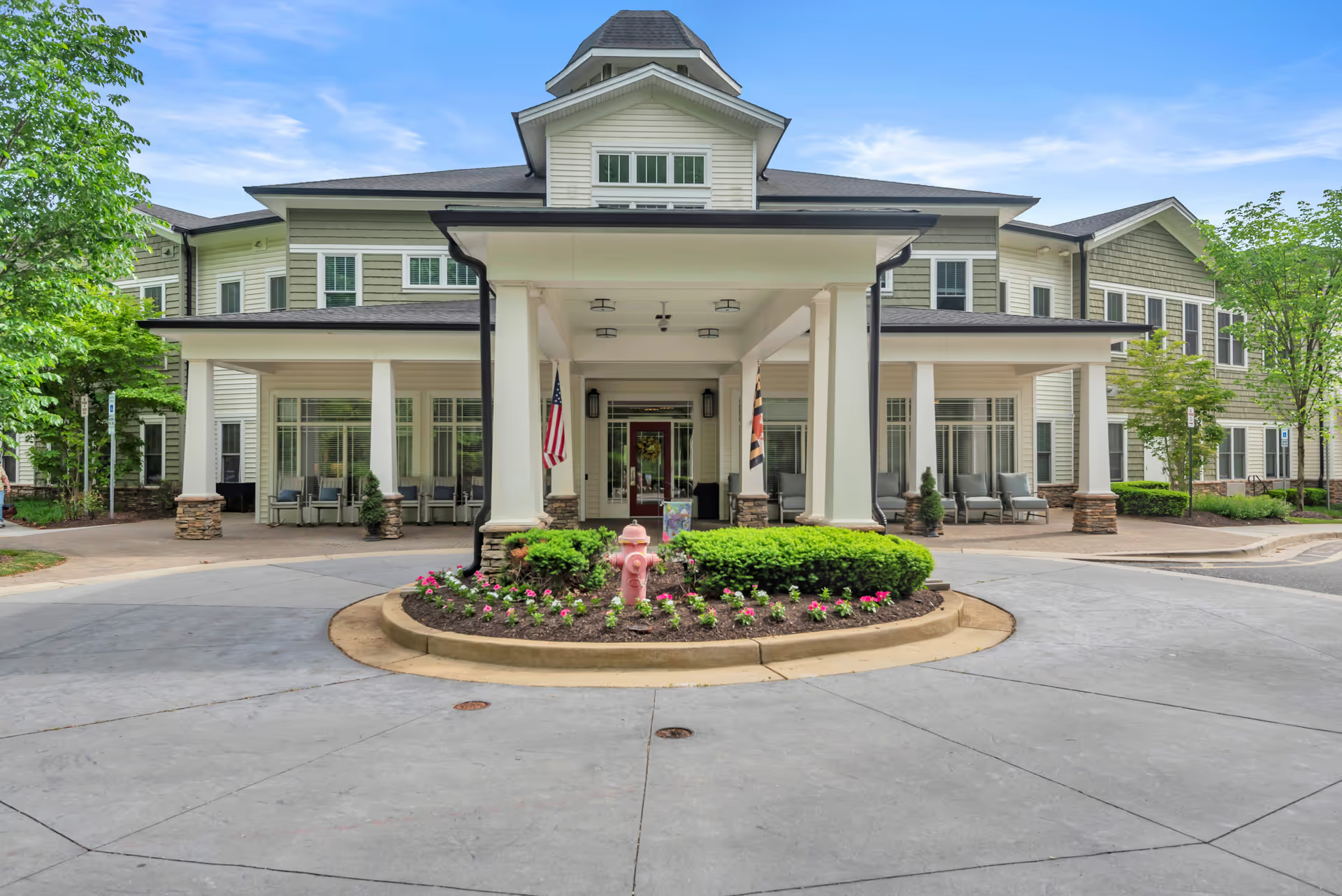
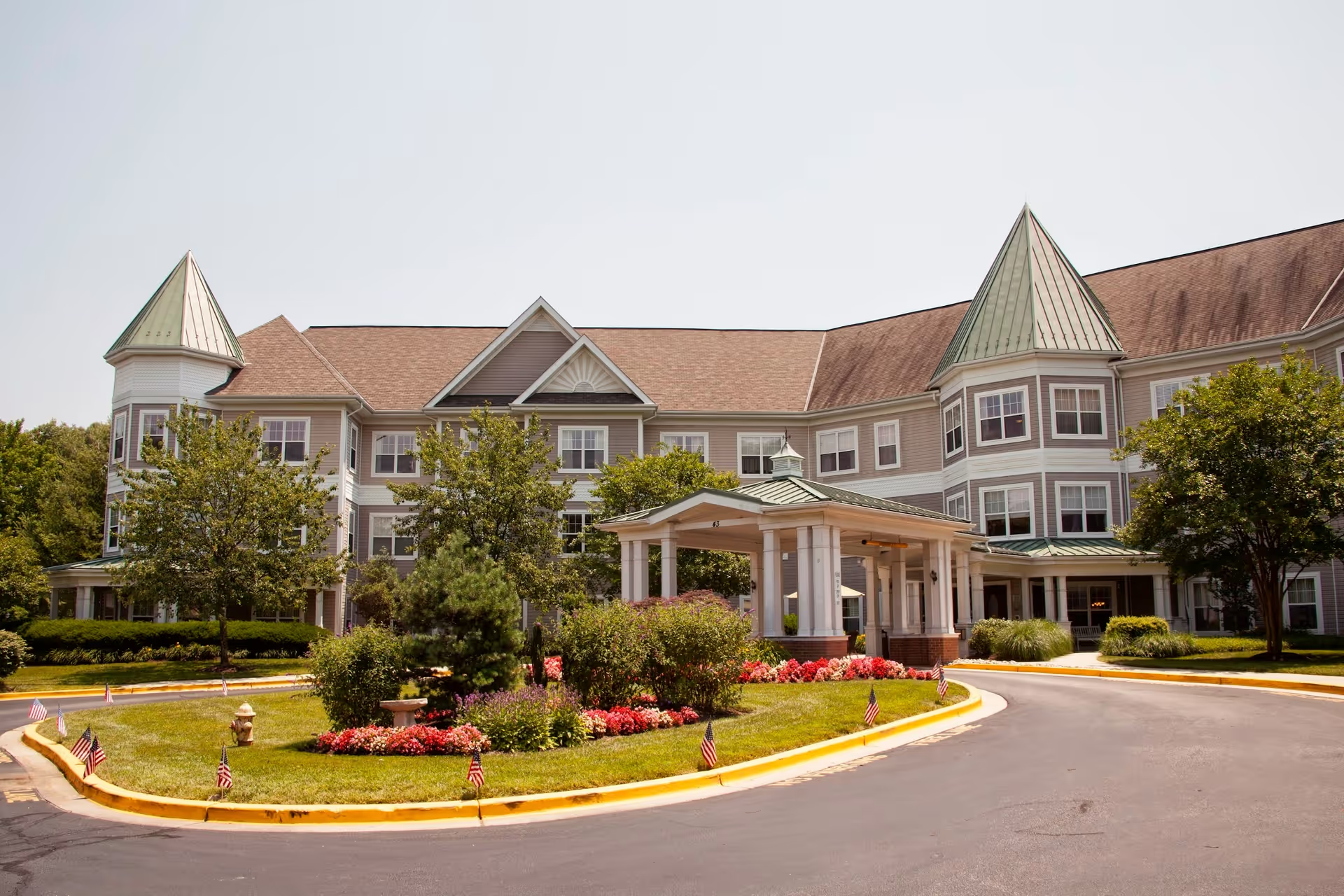
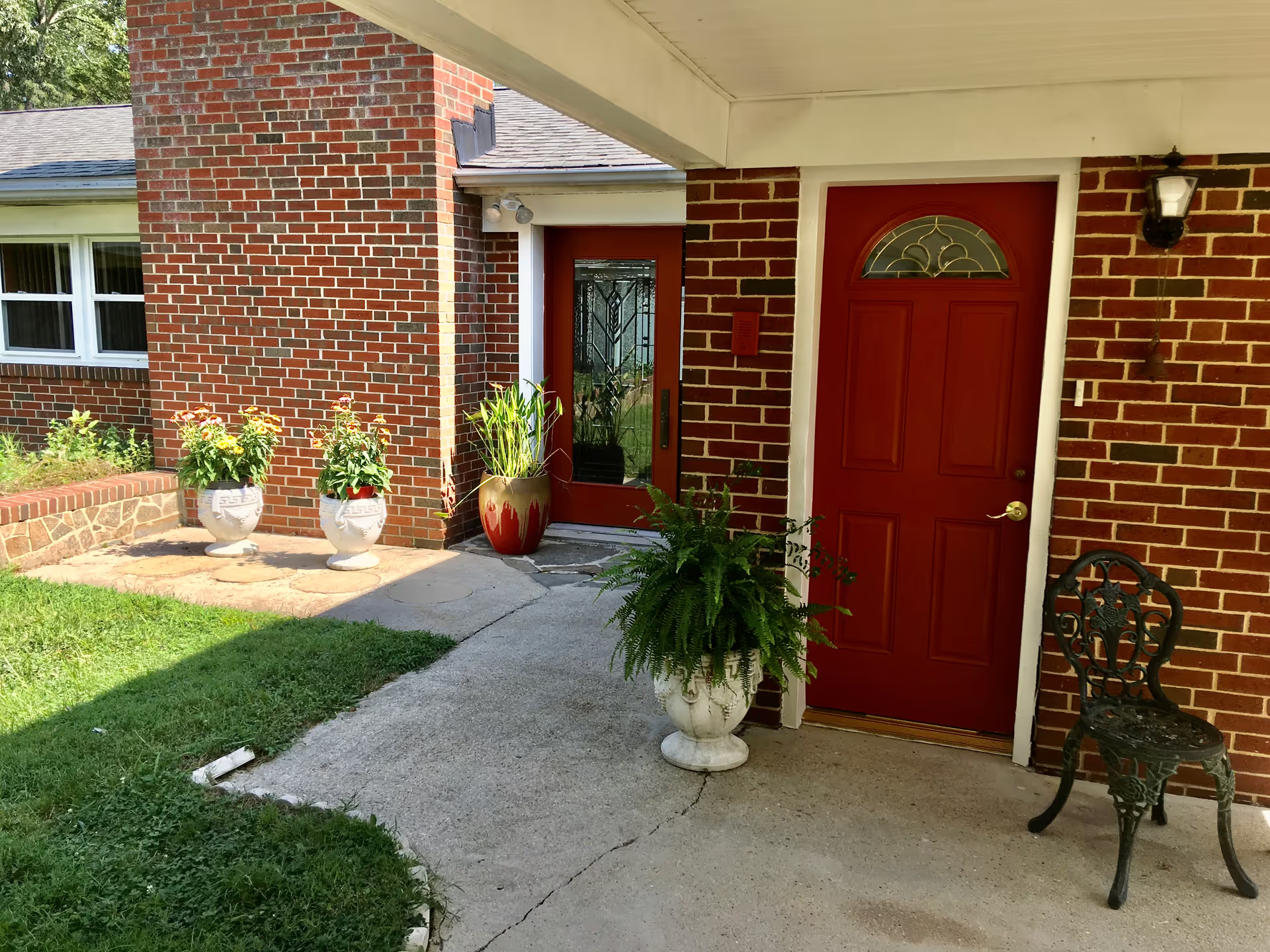
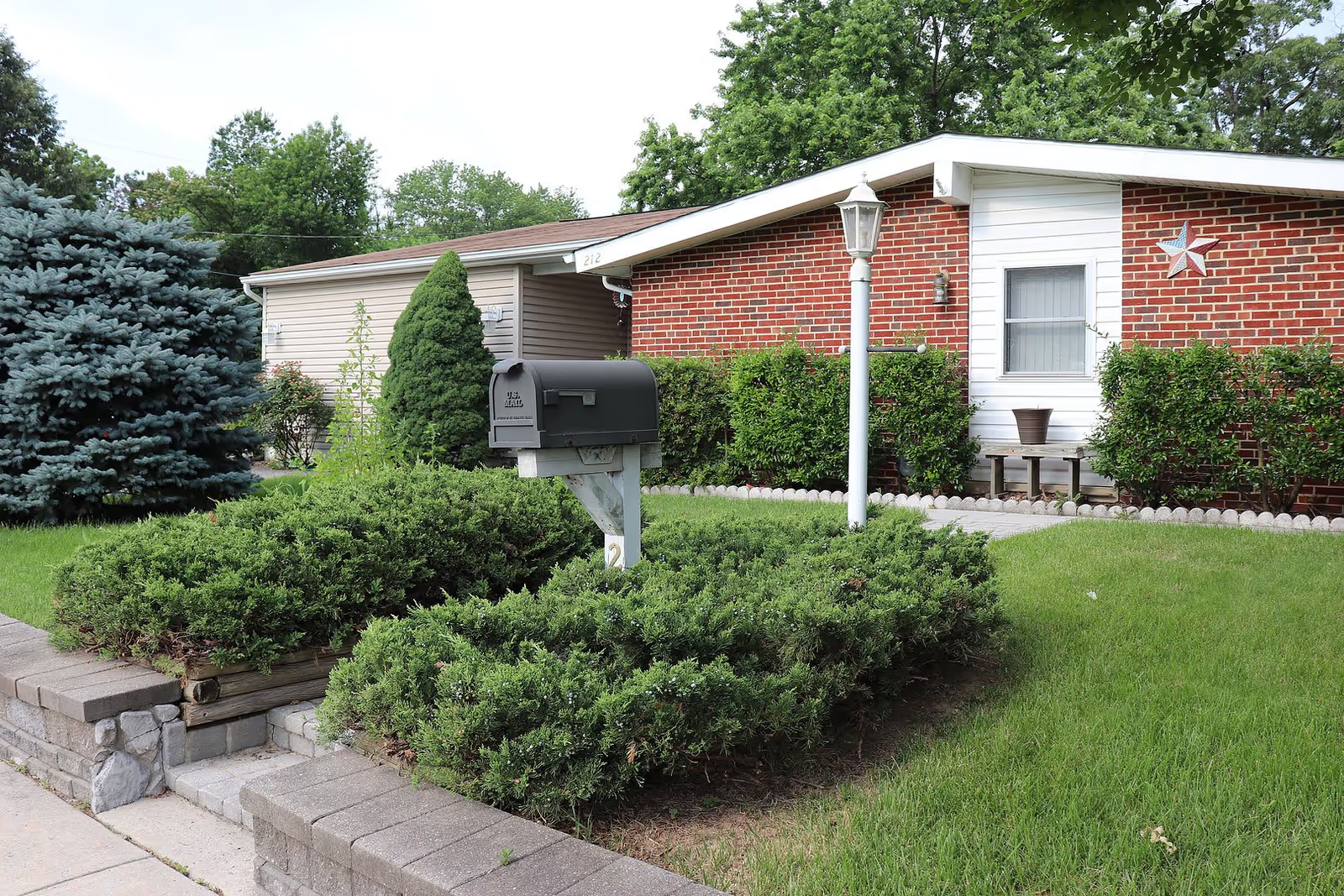
Overall impression: The facility is consistently described as a small, well-kept assisted living community with a strongly relational staff culture. Review summaries emphasize compassionate, patient caregivers who engage with residents and visitors, maintain cleanliness, and create a family-oriented atmosphere (including celebrations and personalized attention). The size and staffing model are frequently framed as a fit for people who prefer a quieter, more intimate setting rather than a large institutional environment.
Care and staff: Care quality is generally characterized as attentive and kind. Multiple comments highlight helpful, communicative staff who show respect toward residents and families; staff-developed personal relationships and celebration of milestones were viewed positively. At the same time, staffing stability and training emerged as operational concerns. Turnover and the need for additional staff training were noted as contributors to variability in how care is delivered, with specific mentions of changes in routine when staff assignments shift. Management structure (nurse-run model) is seen as a strength for day-to-day care, but reviewers also indicated variable experiences with physician-level oversight.
Dining: Dining experiences appear mixed. Some families report pleasing meals, flexible snack options, and no complaints about food service. Others describe inconsistent meal preparation—meals not always prepared unless prompted—and limited tailoring to individual diets, with a perceived lack of “real cooking” or menu variety. In short, meal quality and responsiveness may vary depending on staffing and kitchen processes; prospective families should ask about current meal procedures and accommodations for special diets.
Activities and clinical support: Activity programming is described as well-intentioned but limited in scope; reviewers suggested expansion of offerings. Clinical supports include an on-site physician and on-call availability in some cases, as well as collaborative hospice relationships, which are positive indicators for residents with higher needs. However, there is also commentary about variability in the quality of medical-provider coverage, suggesting families verify who provides medical oversight and how care transitions are handled.
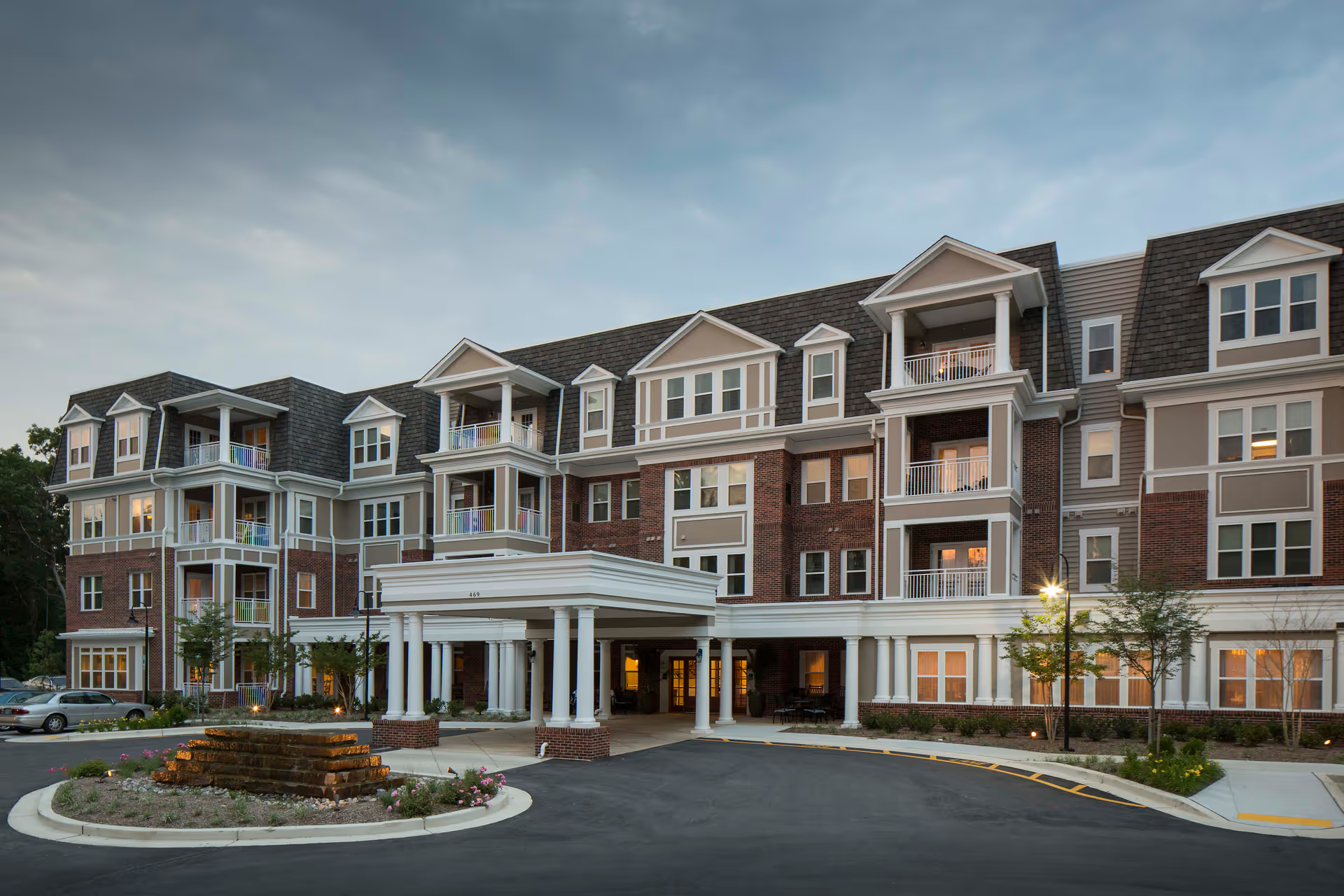
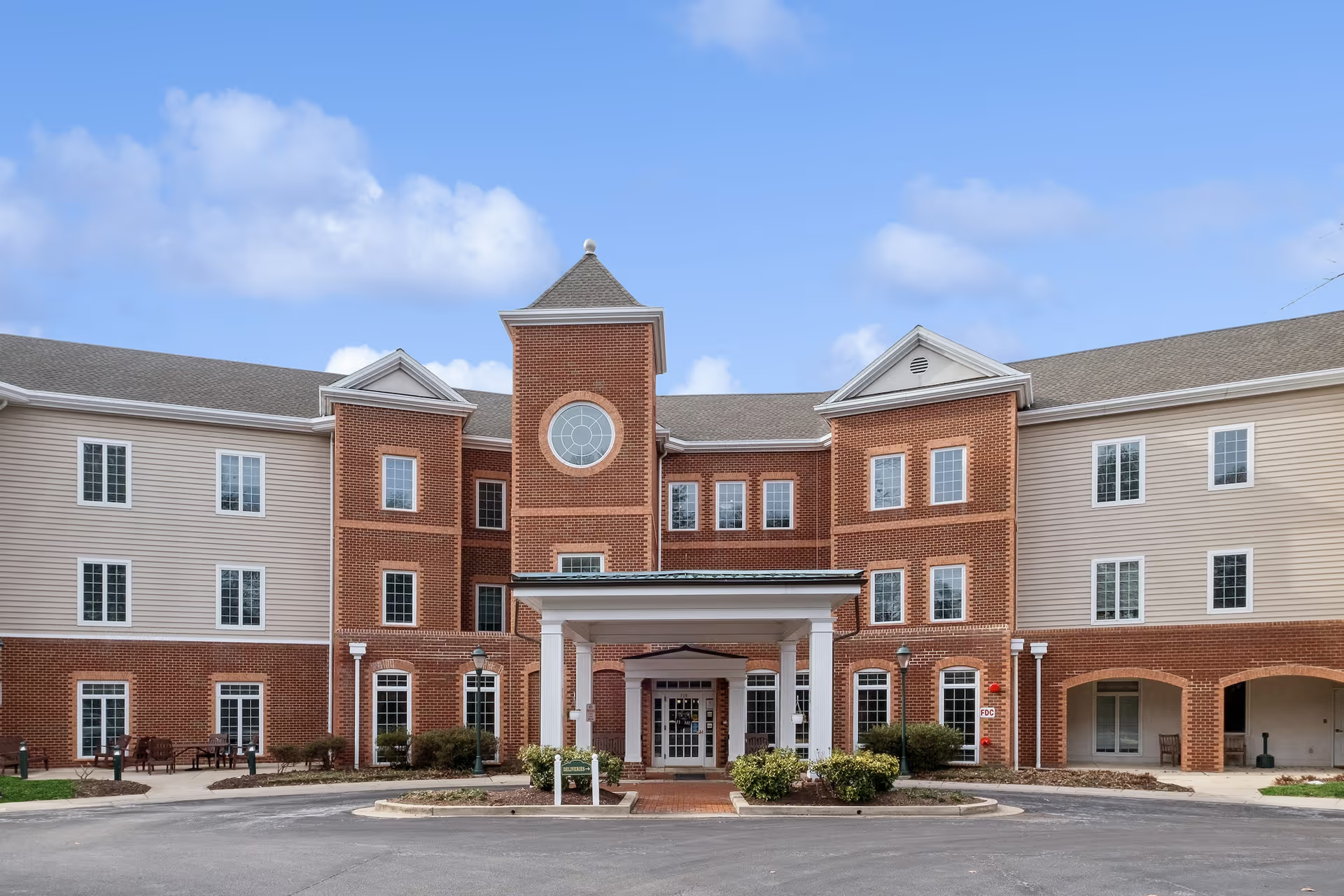
Facilities, management, and access: The physical environment receives favorable notes for cleanliness and a pleasant atmosphere. The smaller scale is repeatedly cited as lowering overhead and providing a more personalized experience. Conversely, the location may be a practical drawback for families who live at a distance, and visitation was described as more restricted during infection-control periods—an operational constraint to consider. Taken together, the pattern is of a well-intentioned, small assisted-living community with strong interpersonal care strengths and some operational vulnerabilities in staffing continuity, meal service consistency, activity breadth, and variable physician oversight.
Recommendation guidance: Peartree House appears well suited to residents and families prioritizing warmth, individualized attention, and a smaller community environment. Prospective families should ask targeted questions about current staff turnover rates and training programs, meal-service schedules and dietary accommodations, the on-site medical-provider model and backup coverage, the activity calendar and opportunities for expansion, and the facility’s visitation policies during infection-control events. Verifying these operational details will clarify whether the community’s strengths align with a given resident’s care and family-engagement needs.