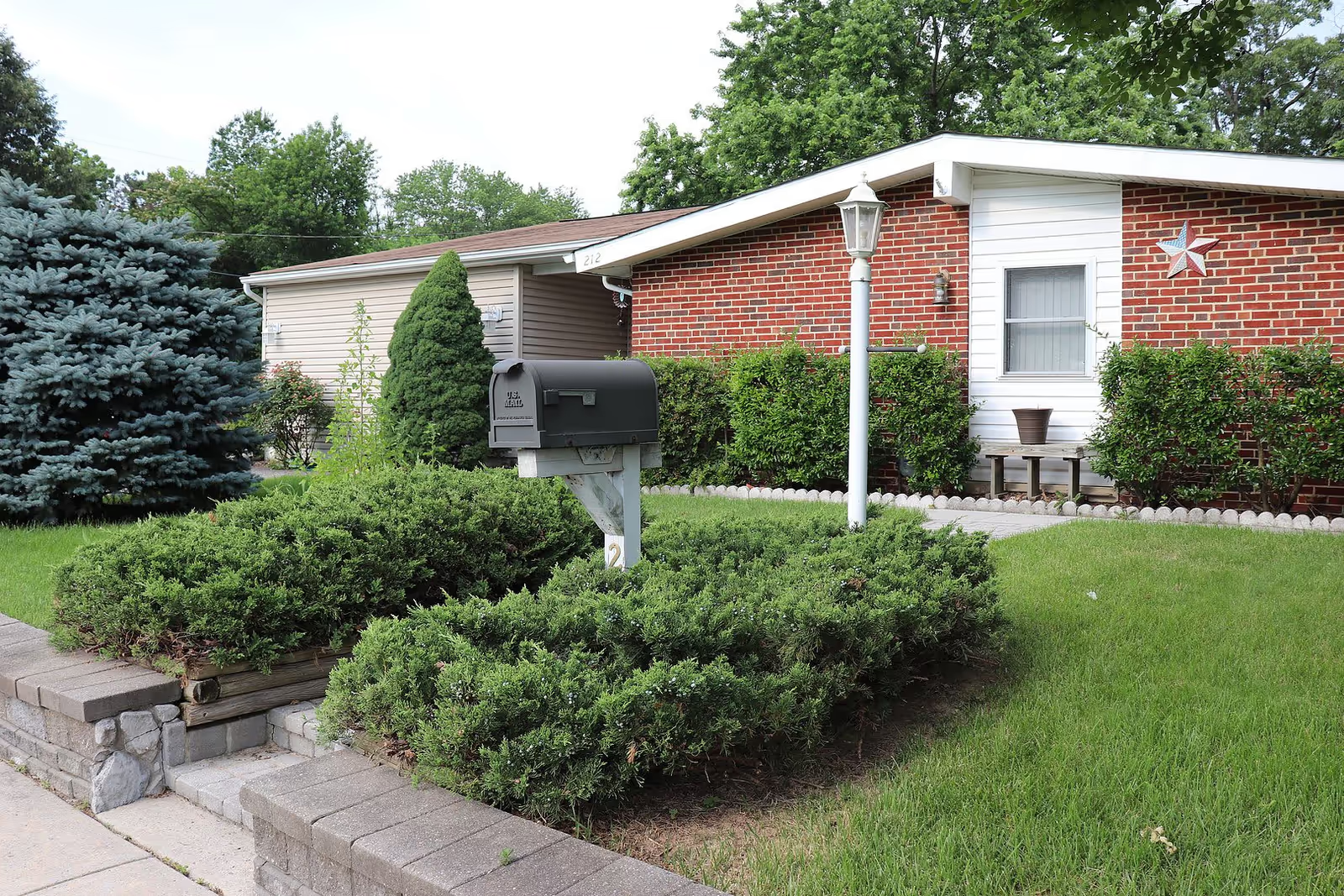
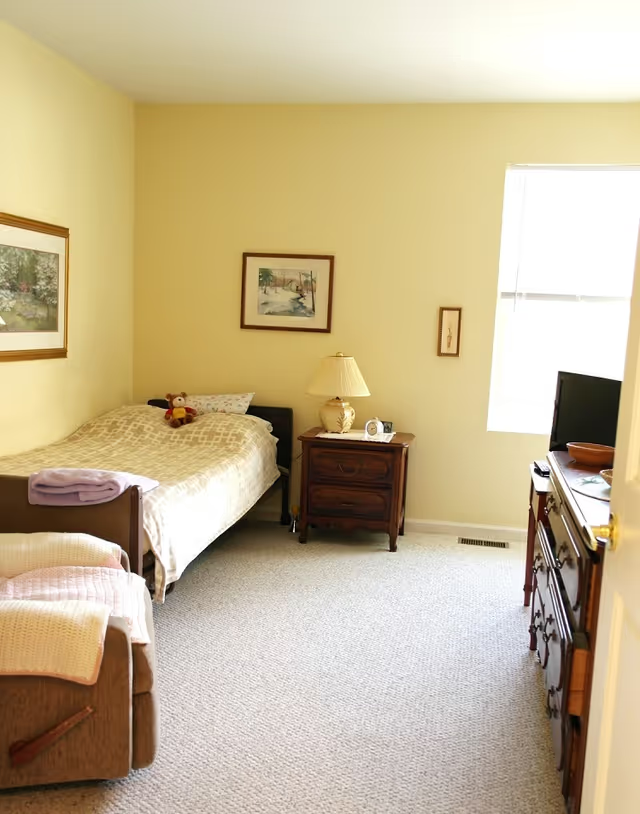
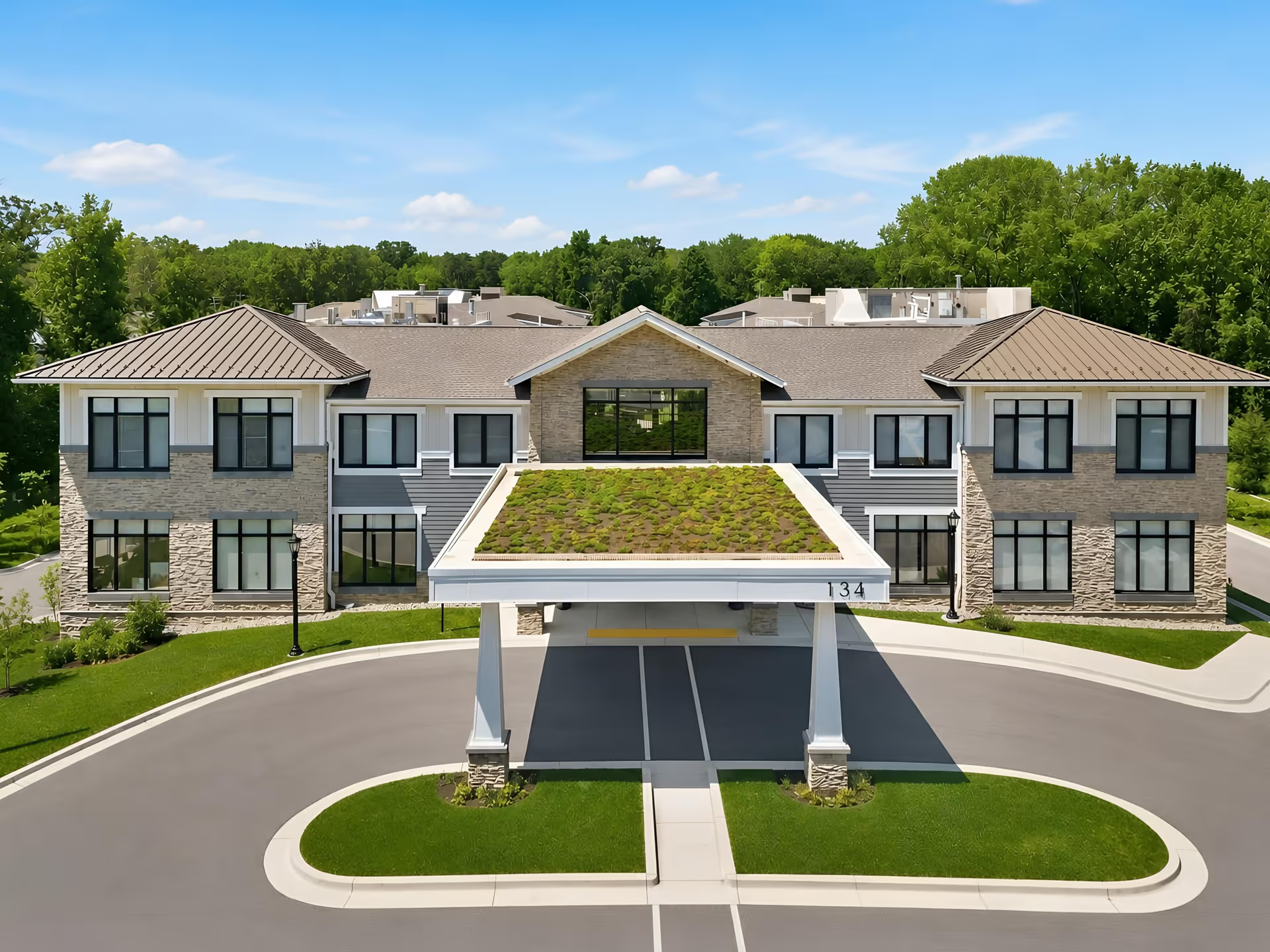
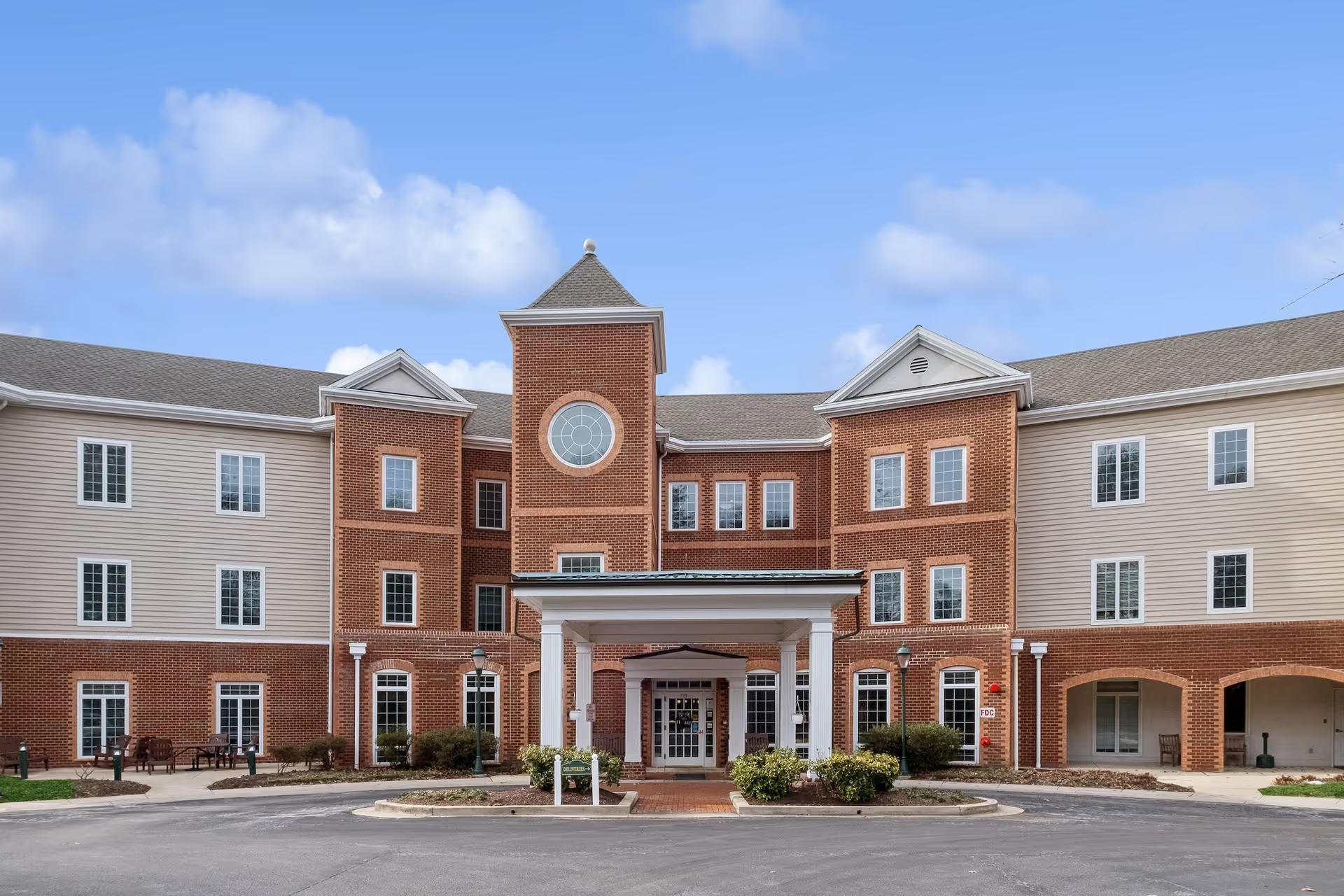
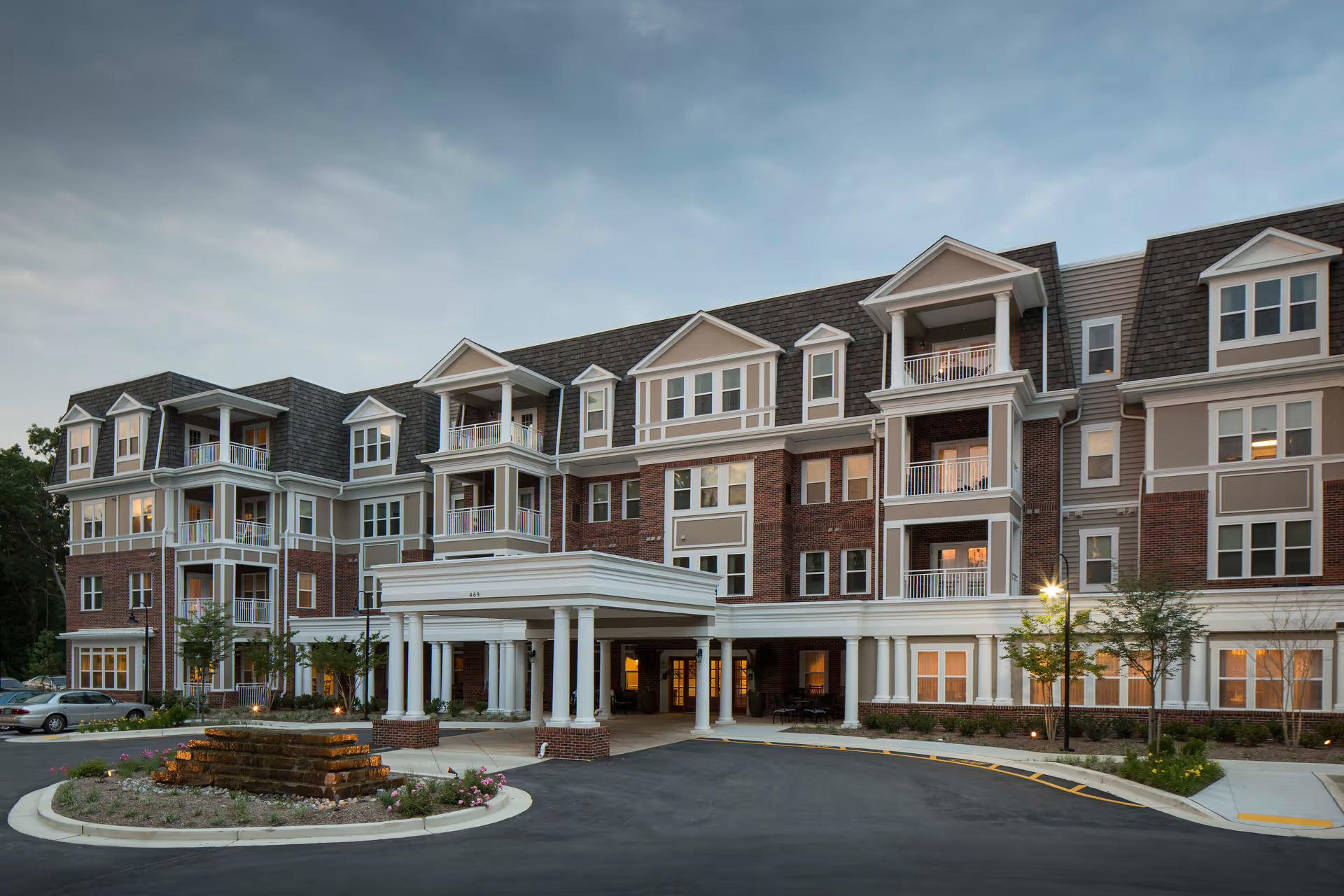
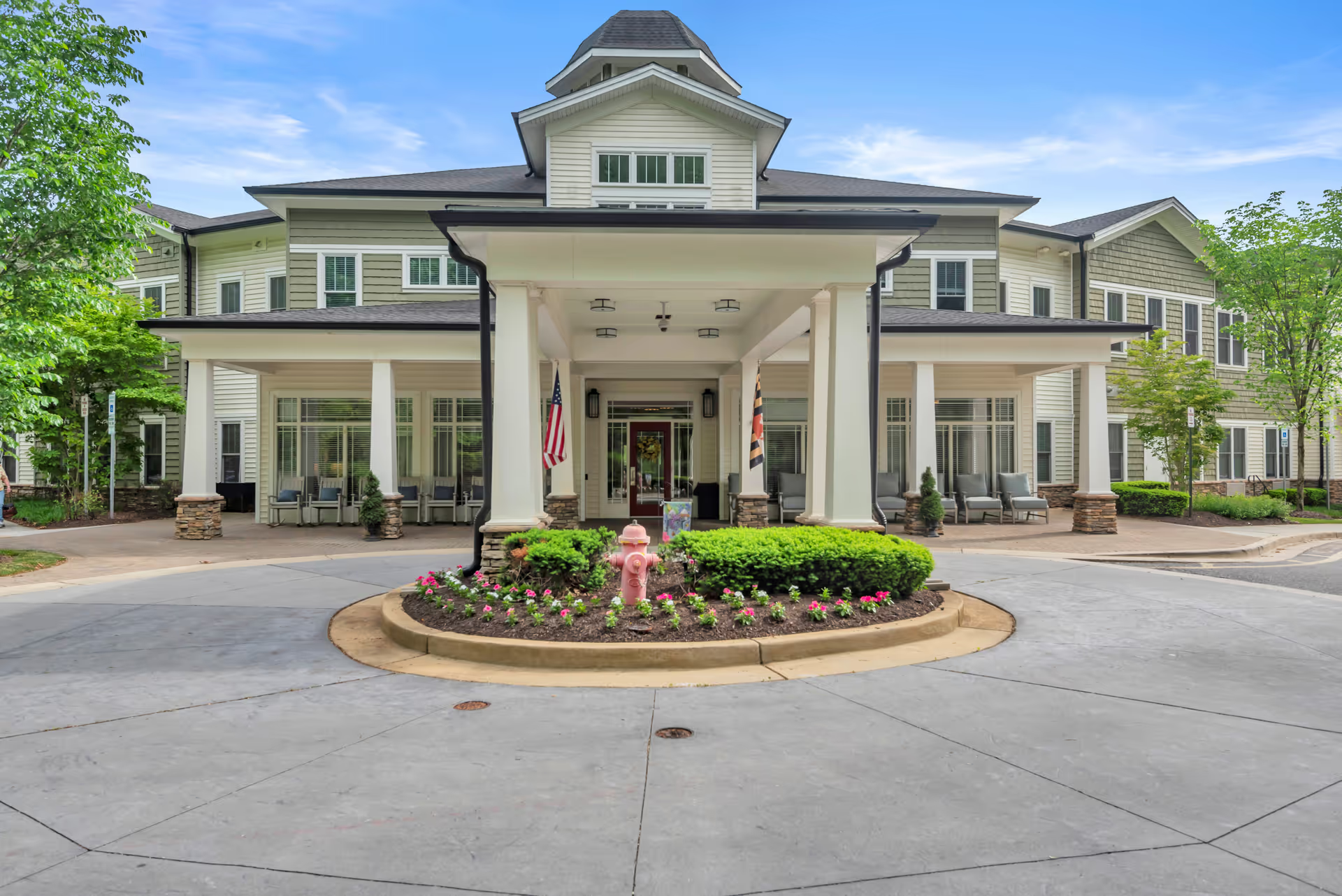
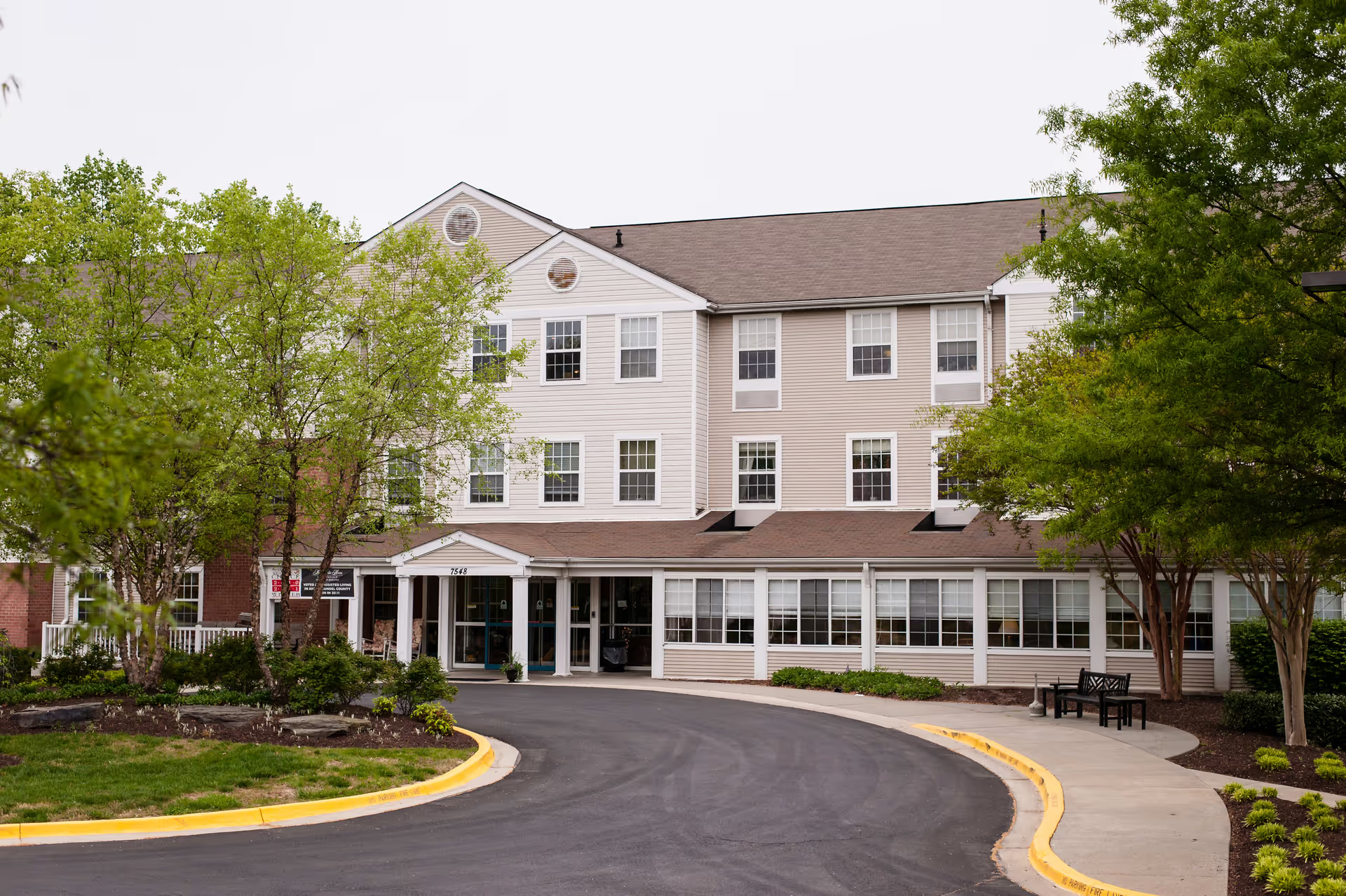
House of Loving Care is characterized by strong family-style caregiving and consistently high marks for cleanliness and presentation. Multiple reviewers emphasize an immaculate, odor-free environment and a home-like setting that many residents and families find comforting. Facilities are described as well kept and, in some units, include private rooms with ensuite bathrooms and a multi-floor layout. Infection-control and sanitation practices are frequently noted as effective.
Care quality and staff performance are central strengths in the reviews. Caregivers are regularly described as compassionate, attentive, and dedicated, with specific staff and managers (including named individuals) receiving praise for responsiveness and hands-on support. Families report clear communication, frequent updates, and visible long-term commitment by staff to residents’ wellbeing. The facility’s small size and resident-centered approach appear to support individualized attention and provide many families with peace of mind.
Dining and activities are also highlighted positively. Meals are characterized as balanced, appealingly presented, and enjoyable; the provider appears to emphasize meal quality. Activities such as birthday and holiday celebrations, resident recognition, and in-home church services contribute to a social, engaged atmosphere and reinforce the family-like culture described by multiple families.
Management and administrative practices draw mostly favorable comments about an involved owner/manager who is responsive and proactive; several reviewers name managers who they felt improved care and communication. However, there are isolated but serious concerns: at least one reviewer raised an allegation about management conduct and low trainee pay, and another described a curt telephone interaction. These comments point to potential issues around management tone and staff-compensation practices that prospective families may wish to investigate directly.
A further pattern concerns resident suitability. While many families report long-term placements and excellent outcomes, a small number indicated the facility was not appropriate for their specific needs. This suggests the home is best suited to residents requiring assisted living–level support in a small, domestic setting rather than higher-acuity medical or specialized clinical care.
Recommendations for prospective residents and families: tour the home in person to assess fit, observe staff–resident interactions, and ask concrete questions about staffing ratios, staff training and compensation, and policies for handling complaints or incidents. Confirm whether the facility can meet any specific clinical needs or higher-acuity requirements before admission. Overall, the balance of feedback indicates a well-maintained, caring assisted-living environment with strong community life, tempered by a need to clarify management practices and clinical suitability for more complex care needs.