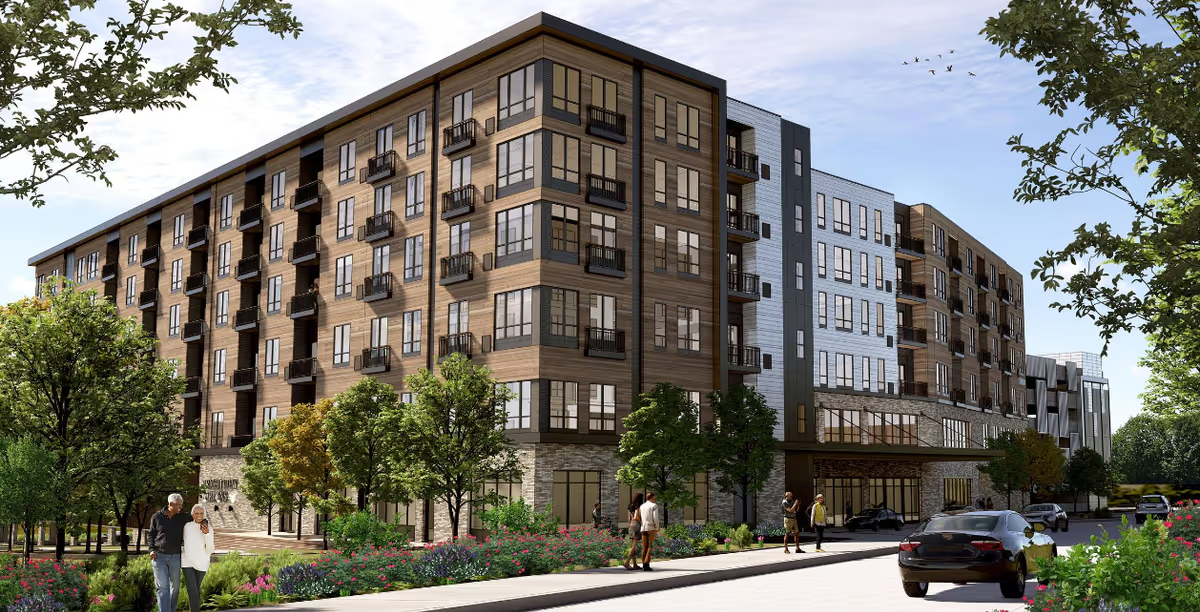
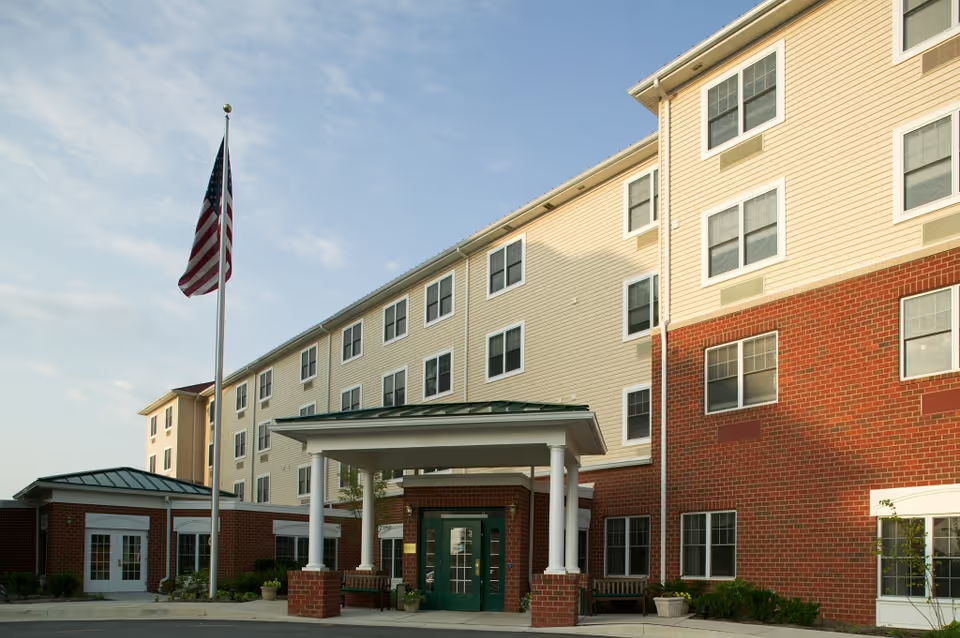
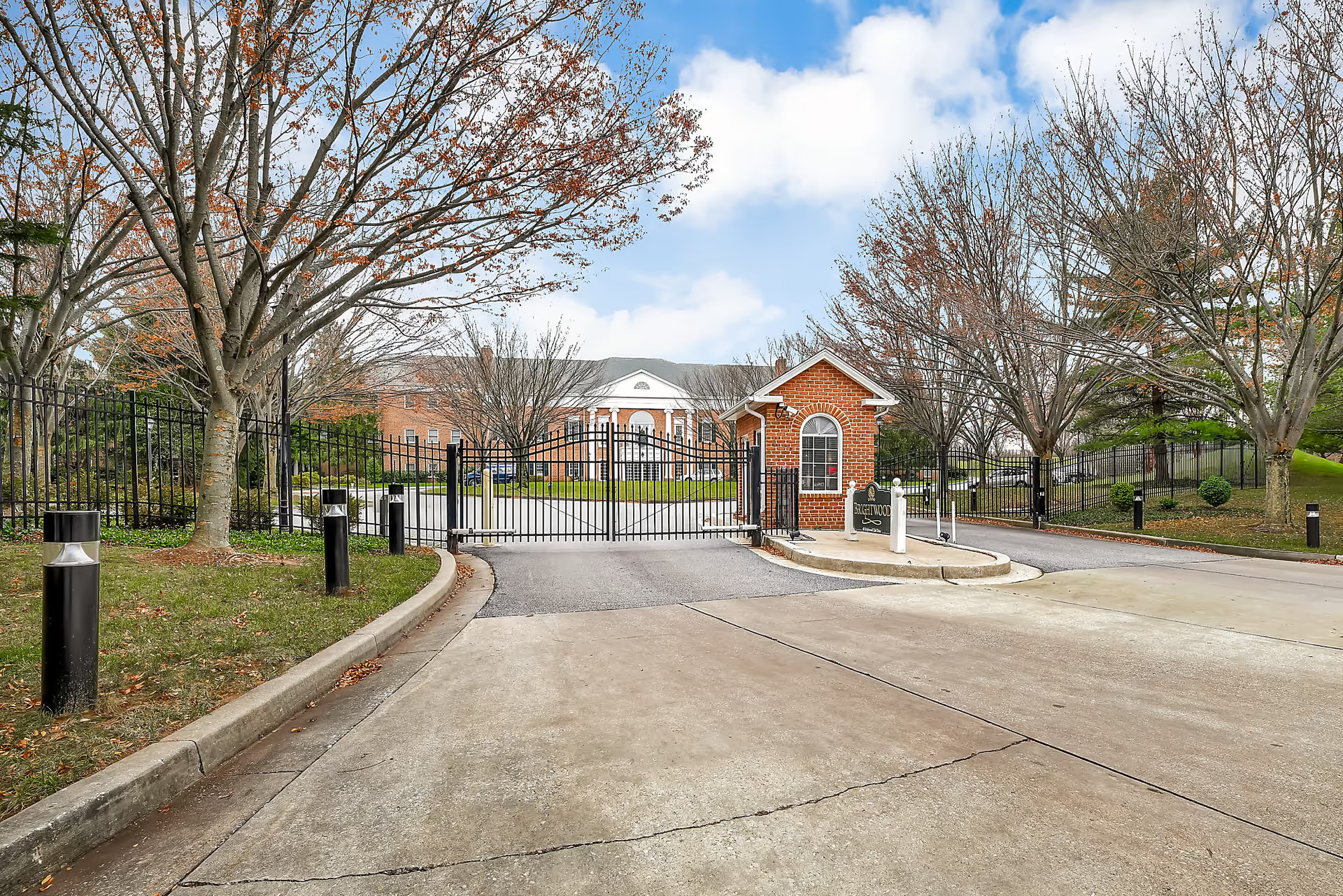
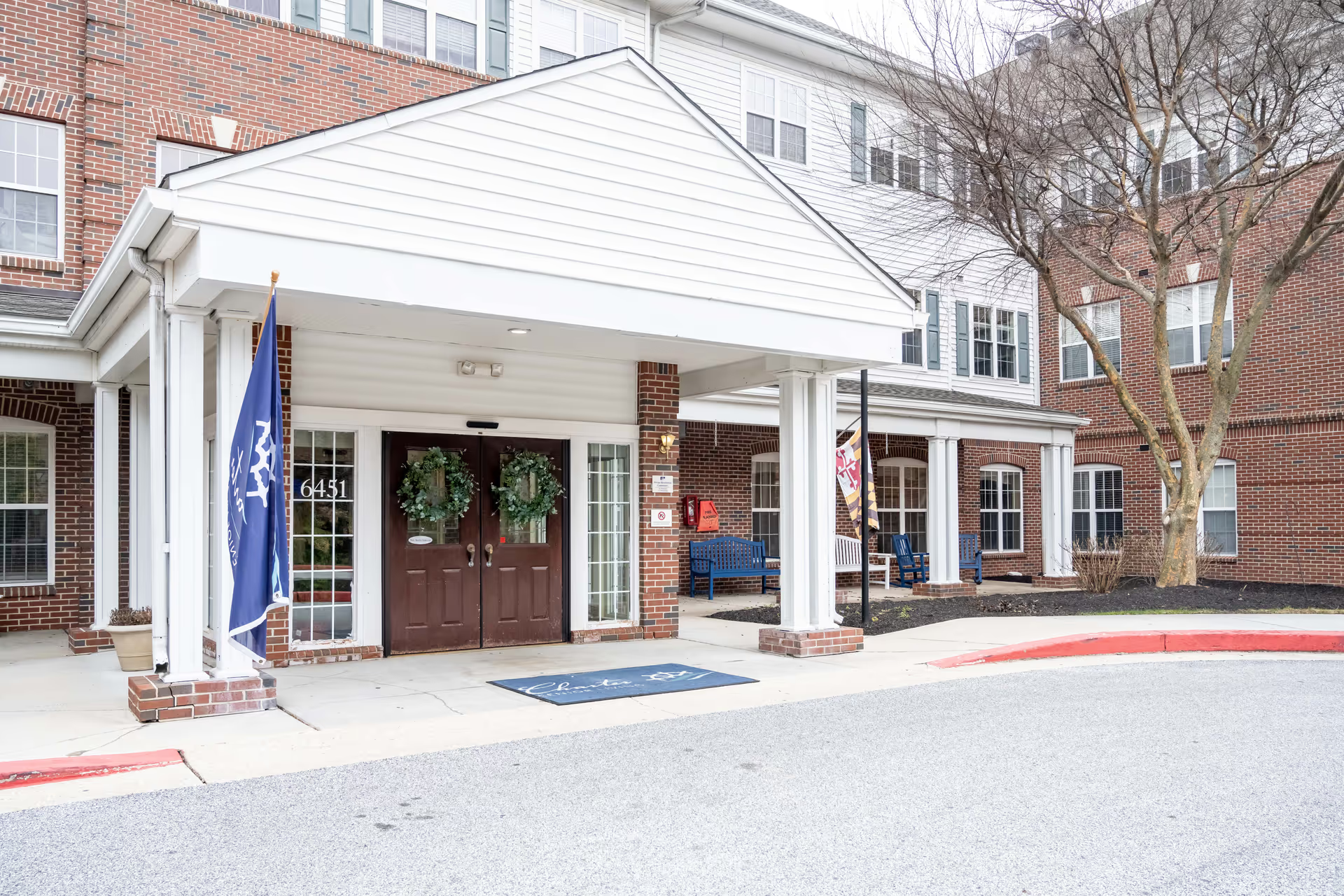
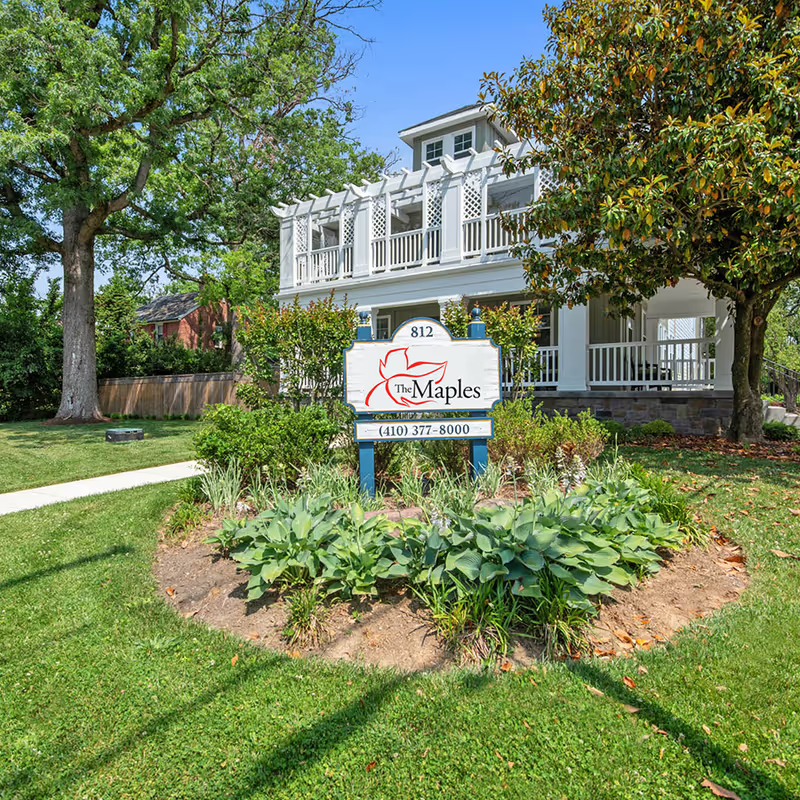
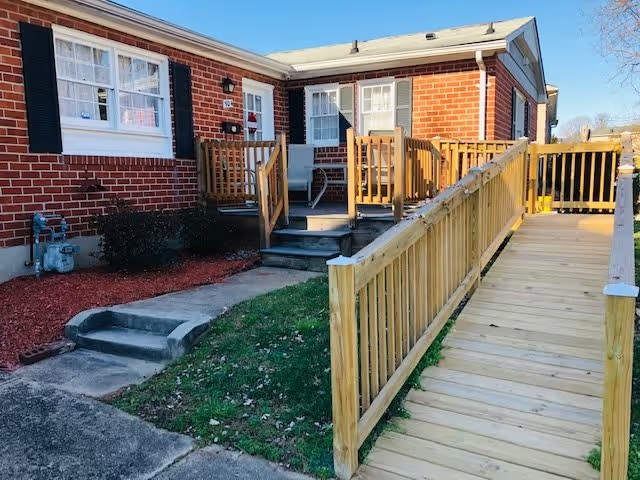
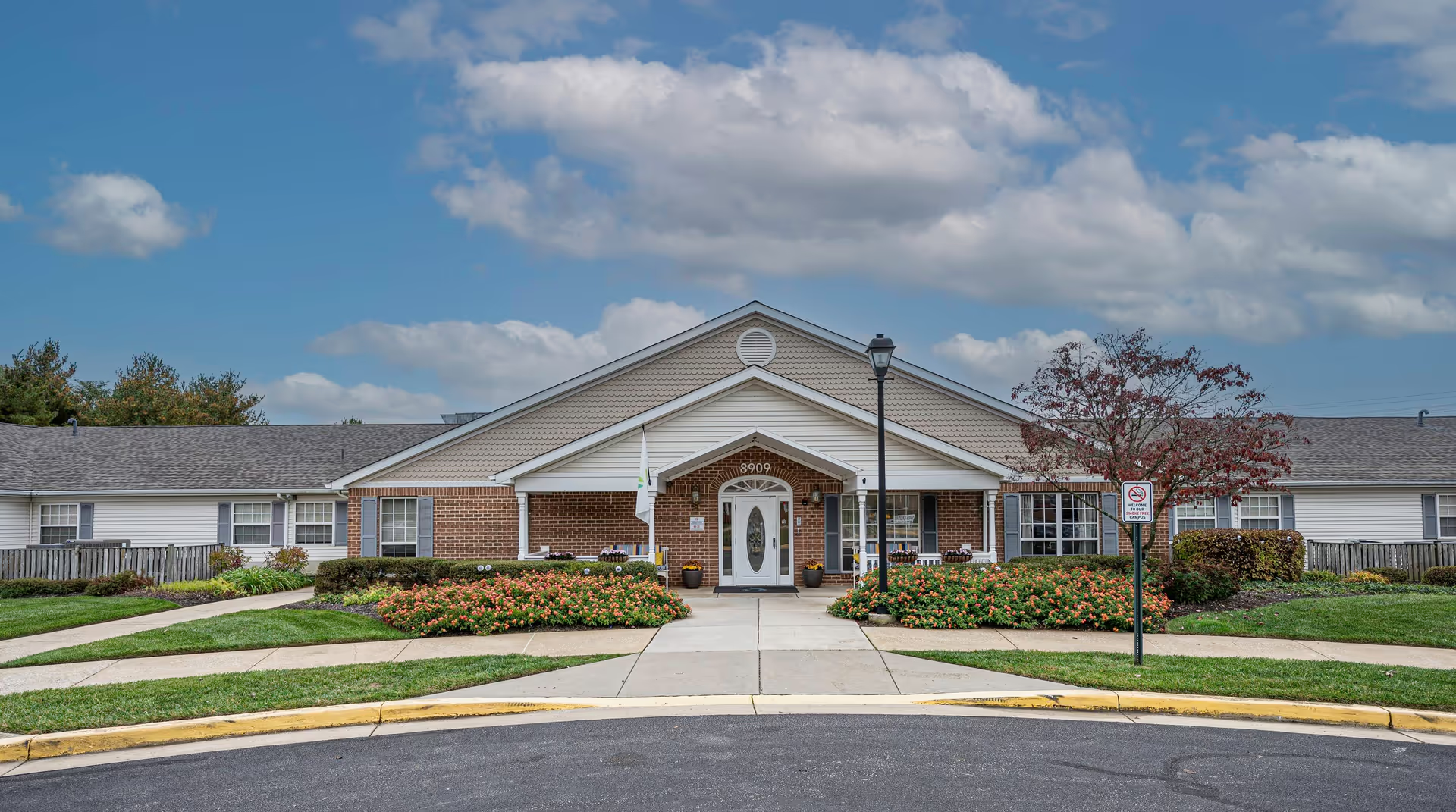
Broadmead presents as a well-appointed, campus-style senior community with notable strengths in independent living, dining, campus amenities, and social programming. Reviewers consistently praised the grounds, cottage and apartment layouts, and a broad range of recreational and therapeutic activities — gardening, woodworking, music programs, pools, exercise classes, and organized cultural outings are recurring positives. Many families and residents described a supportive community atmosphere and multiple opportunities for engagement that suit active independent residents.
Clinical and care experiences are more mixed and appear to vary by level of care and by staff assignment. The rehabilitation team and some physical-therapy programs receive strong praise for compassionate, effective care and successful short-term recoveries. At the same time, several accounts identify inconsistent therapy quality and concerns that discharge timing can be influenced by payer or administrative priorities rather than a single resident’s optimal clinical progress. Assisted living and memory-care experiences display the greatest variability; reviewers describe gaps in medication-management practices, documentation inconsistencies, and delays in clinical escalation that have led some families to question the reliability of routine medical oversight.
Staffing and management patterns emerged as a key theme. Many reviewers highlighted friendly, welcoming front-desk and dining staff and cited individualized, warm interactions from particular employees and the social-work team. Conversely, high staff turnover, variable professionalism among some care staff, and perceived administrative focus on building sales and occupancy were recurrent concerns. Limited on-site physician availability and uneven after-hours response capacity were also noted as systemic weaknesses that affect clinical continuity and emergency handling.
Dining, amenities, and campus logistics are clear strengths for prospective independent-living residents: dining quality, salon services, transportation to cultural events, and a robust activity schedule contribute to high satisfaction among those populations. However, some parts of the physical campus were described as dated and in need of refurbishment, and there are practical safety and access issues (for example pedestrian access to nearby restaurants and shopping) that prospective residents should evaluate in person. Cost and perceived value also appear to be significant considerations for many families; entry fees and monthly charges are viewed as high relative to inconsistent care experiences in higher-acuity units.
For families considering Broadmead, the important pattern is one of divergence by care level: strong community, amenities, and independent-living experiences versus variable clinical reliability in assisted living and memory care. A thorough, targeted tour that includes questions about medication procedures, emergency escalation, staffing ratios and turnover, therapy program goals and discharge planning, and recent refurbishment schedules will help prospective residents and families assess fit. Contacting current residents and families in the specific unit of interest (rehab, assisted living, or memory care) is advisable to understand day‑to‑day staffing and care consistency before making a placement decision.