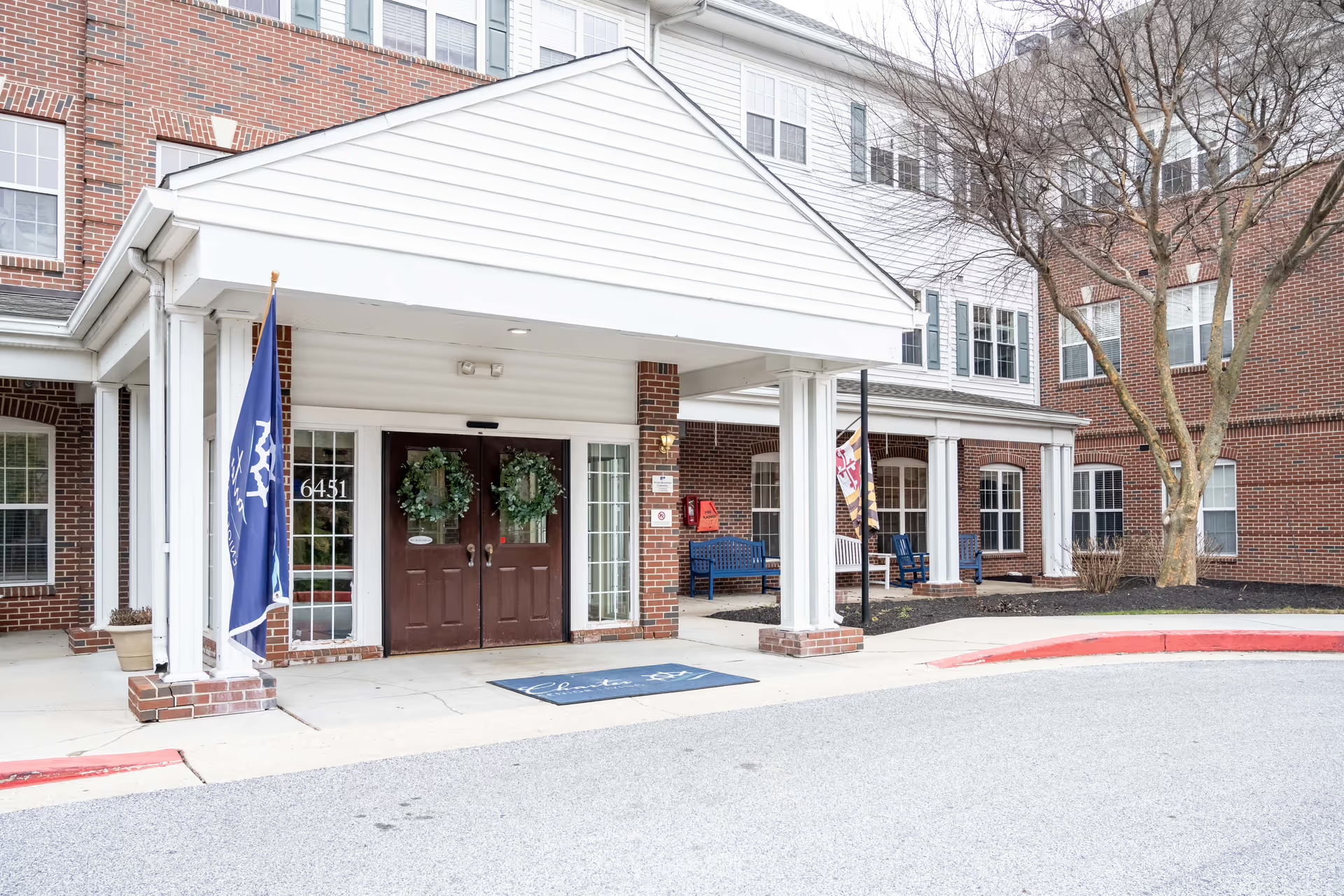
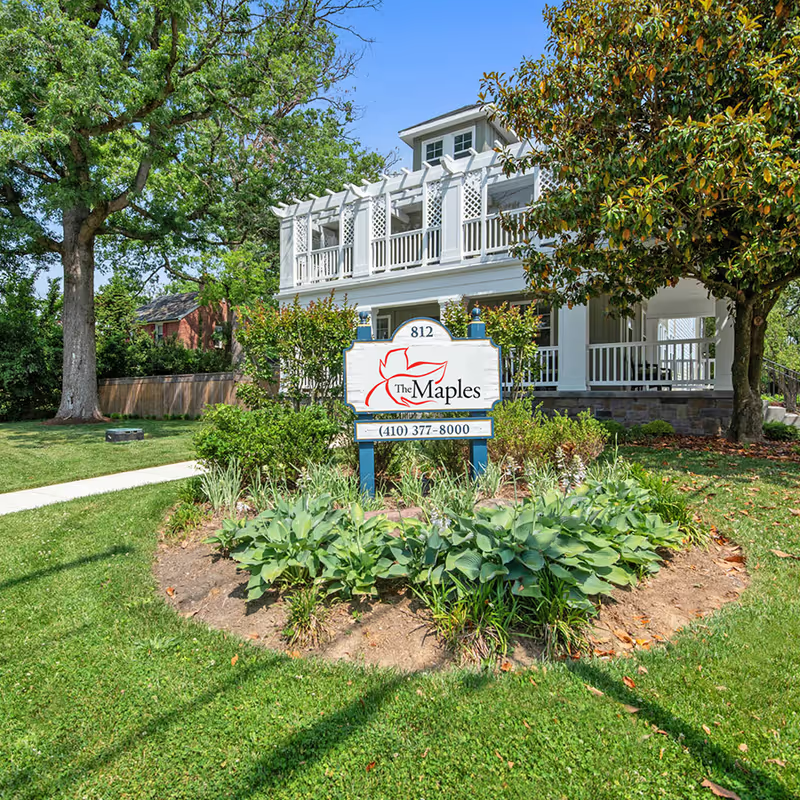
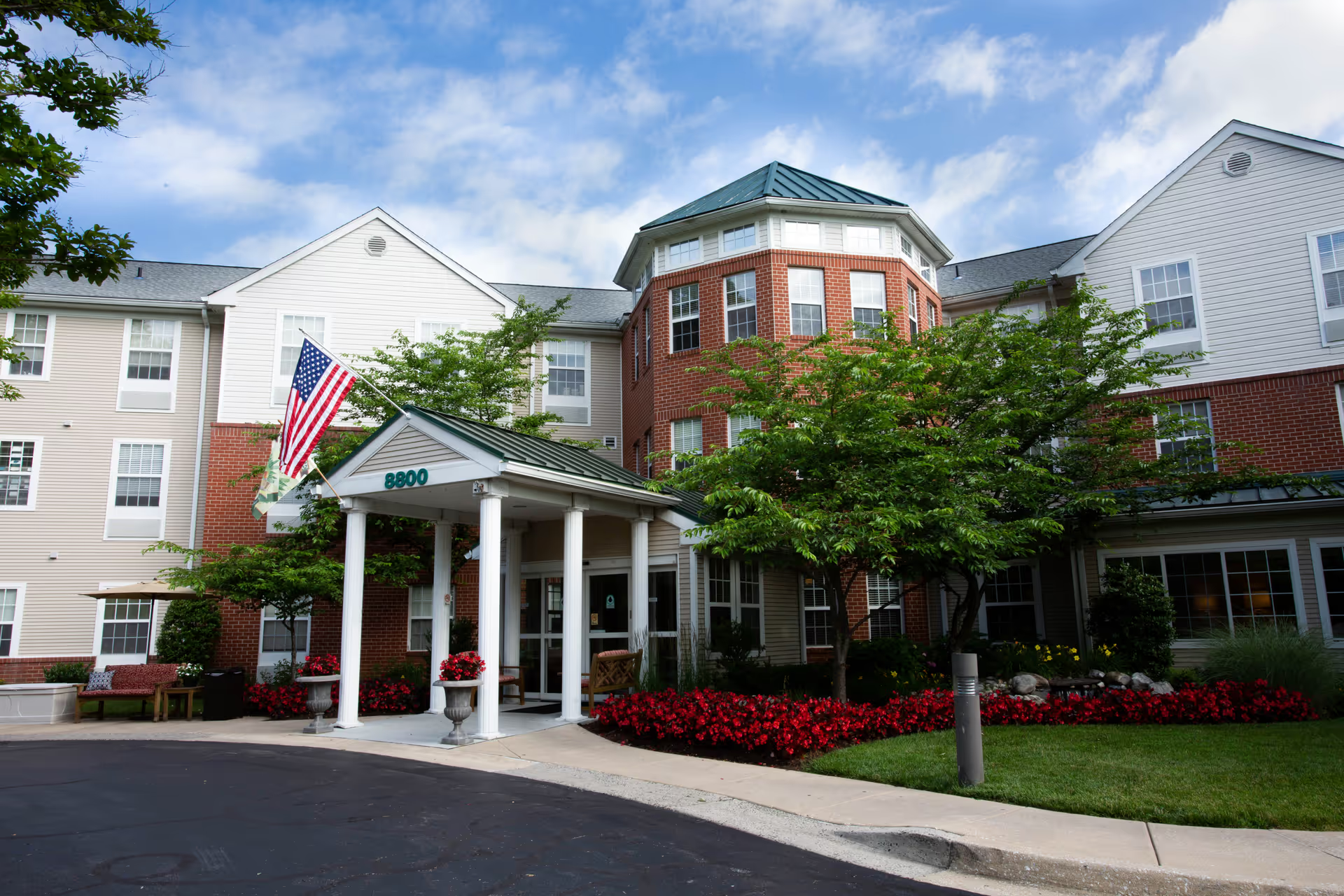
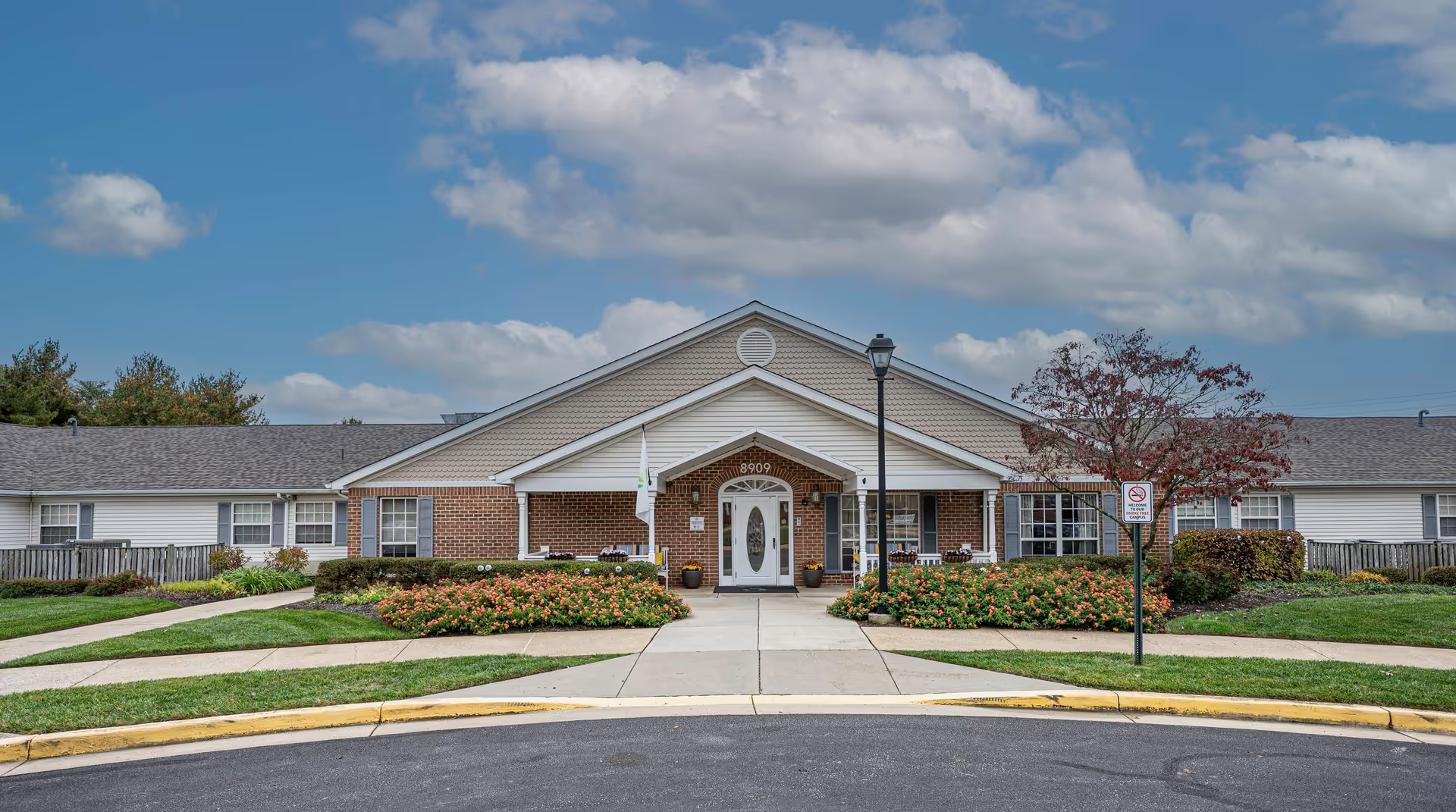
The reviews for Greenfield Senior Living at Cockeysville present a polarized picture: many families praise the community for compassionate caregiving, strong memory-care expertise, and a clean, home-like environment, while others describe operational problems that have affected care continuity. Positive comments highlight attentive direct-care staff, tailored medical support (including diabetic-diet accommodations), abundant personal attention, and features such as one-level access, garden patios, and on-site salon/fitness options. Several families emphasized that staff sometimes go above and beyond and that the facility can foster a warm sense of community.
Care quality and staffing are recurring themes with mixed assessments. Numerous reviewers report high-quality, respectful caregiving and improvements following management changes; conversely, a significant pattern of high staff turnover, understaffing, and role double-duty (e.g., staff performing multiple administrative and clinical roles) is described. These staffing dynamics are associated in some accounts with inconsistent nursing coverage, uneven medication administration, and concerns about wound/skin-care follow-through. There are also comments about variable caregiver training and CNA/GNA certification gaps — prospective families should verify staff credentials and ask about current staffing ratios and clinical oversight.
Dining and activities are frequently praised but also inconsistent. Many families describe nutritious, well-prepared meals and accommodating dietary options; others report variable food quality or plans to improve menus. Activity programming is described as vibrant when staffed, with regular events and family invitations, but reviewers also cite frequent cancellations, an activity-director vacancy at times, and occasions when advertised activities did not occur. Infection-control events (e.g., RSV/COVID) were given as reasons for some cancellations; prospective visitors may wish to confirm current activity schedules and attendance history.
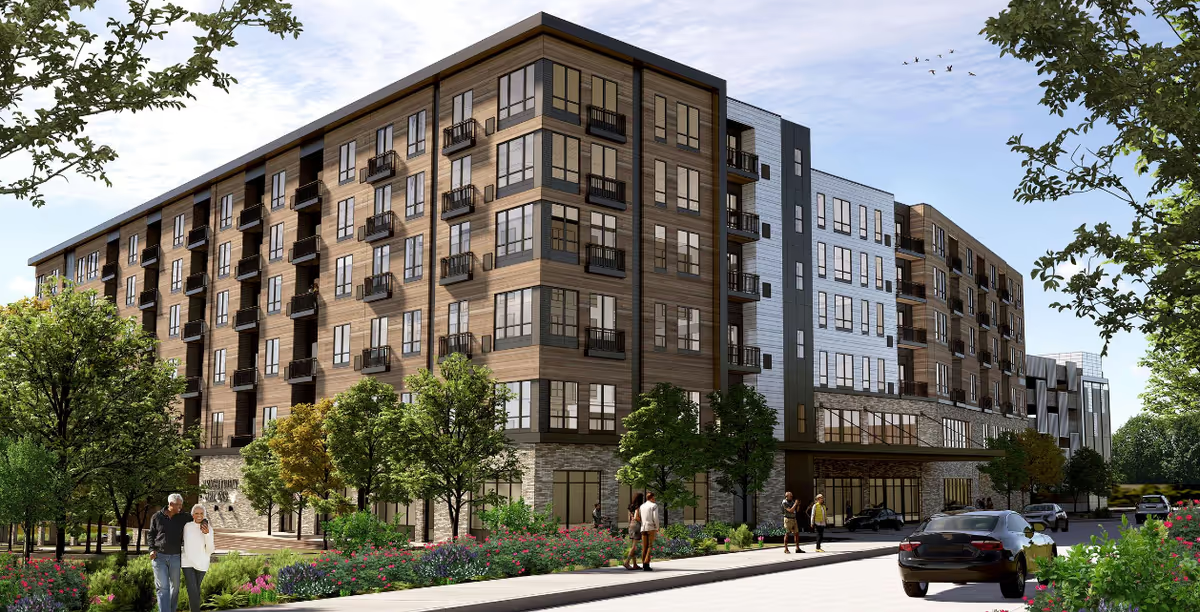
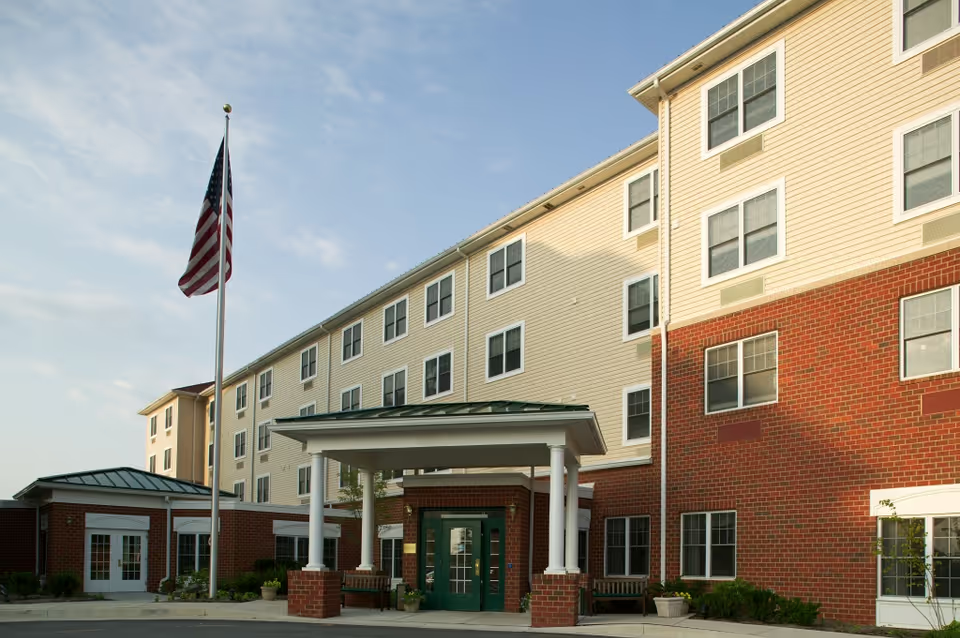
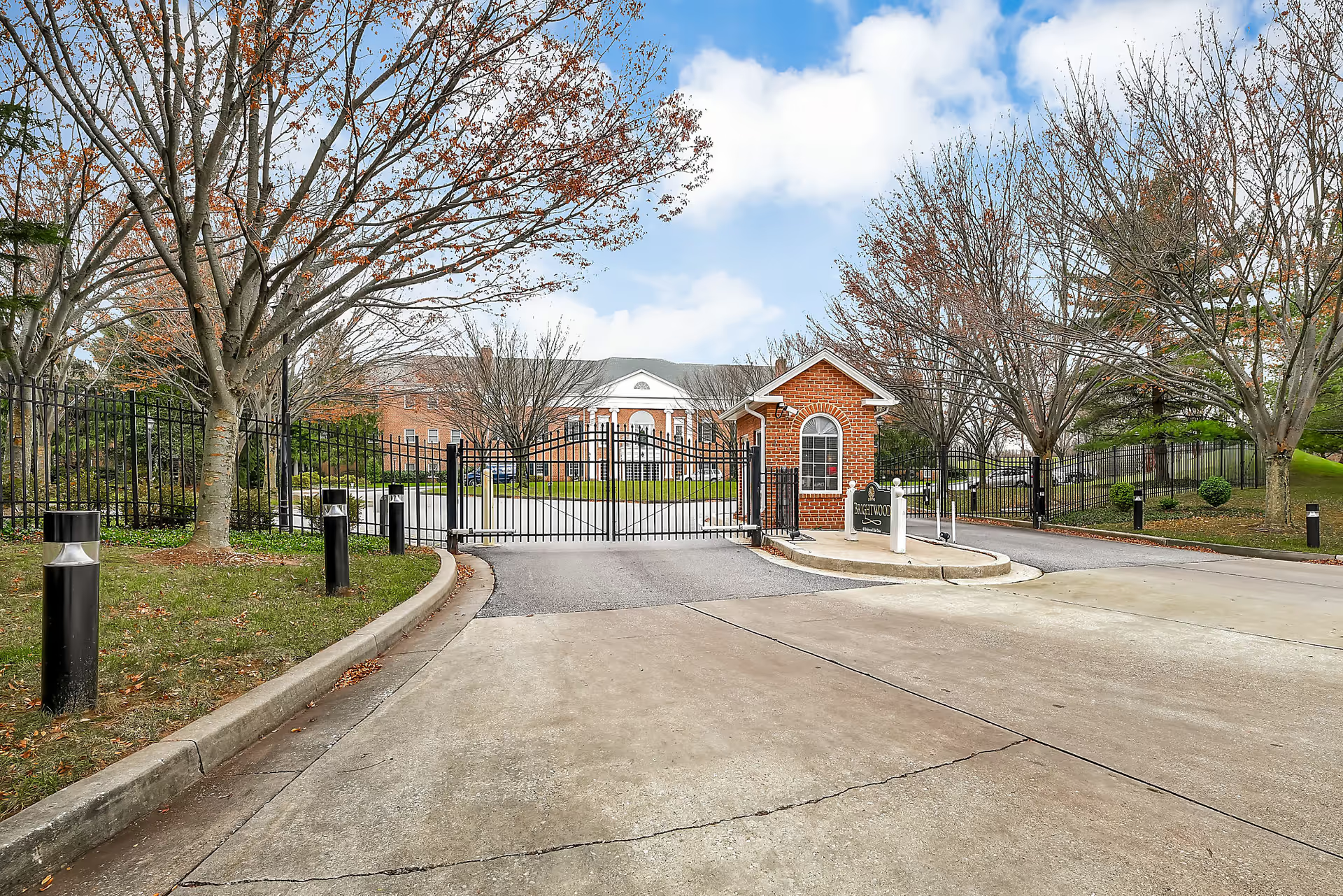
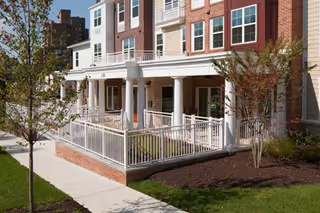
Facility condition and amenities receive generally positive remarks — clean common areas, secure entry systems, immaculate housekeeping, and a small-scale, intimate atmosphere are consistent strengths. At the same time, there are reports of maintenance gaps, deferred repairs, and occasional sanitation or odor concerns in some areas. The community’s small size is seen as a benefit for personalized attention but can limit social options for residents seeking larger-group activities or more varied amenities. Verify availability of specific amenities (fitness room, religious services, pet policy, furnished-room options) if they matter to placement decisions.
Management, administration, and finances show mixed performance. Several families praised responsive leadership and corporate engagement that resolved concerns; others cited frequent leadership turnover, unresponsive executive directors, paperwork errors, and billing or bank-withdrawal mistakes that required correction. There is mention of long waiting lists for public programs (e.g., Medicaid/MA waivers) and potential VA-benefit pathways — eligibility and timelines should be clarified directly with admissions and benefit counselors. There is also one cited allegation of staff theft with a disputed refund process; this was a serious individual claim within the dataset and should prompt direct verification of security and billing practices.
Notable patterns and practical advice: the most consistent themes are (1) variability in day-to-day staffing and leadership stability that can materially affect care consistency, and (2) strong potential for excellent, personalized care when staffing and management are stable. Prospective families should conduct multiple, unannounced visits at different times (including mealtimes, evenings, and weekends), ask for references from current resident families, confirm CNA/RN licensure and tenure, review recent maintenance and sanitation logs, and get clear, written explanations of pricing, billing, and refund policies. Given the polarized experiences, on-site verification and direct conversations with staff and current families will give the clearest sense of whether the community’s current operational state matches a family’s expectations and care needs.