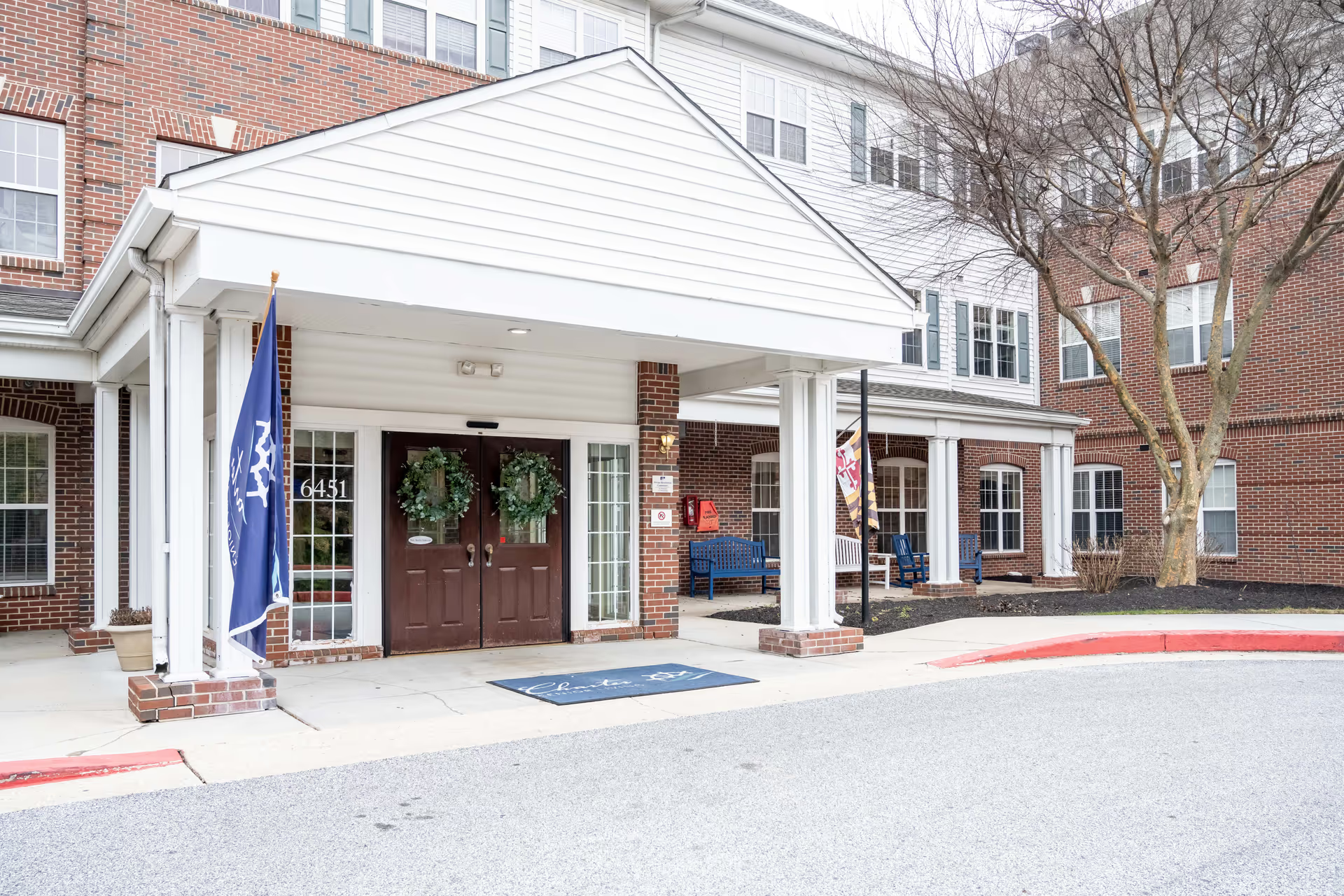
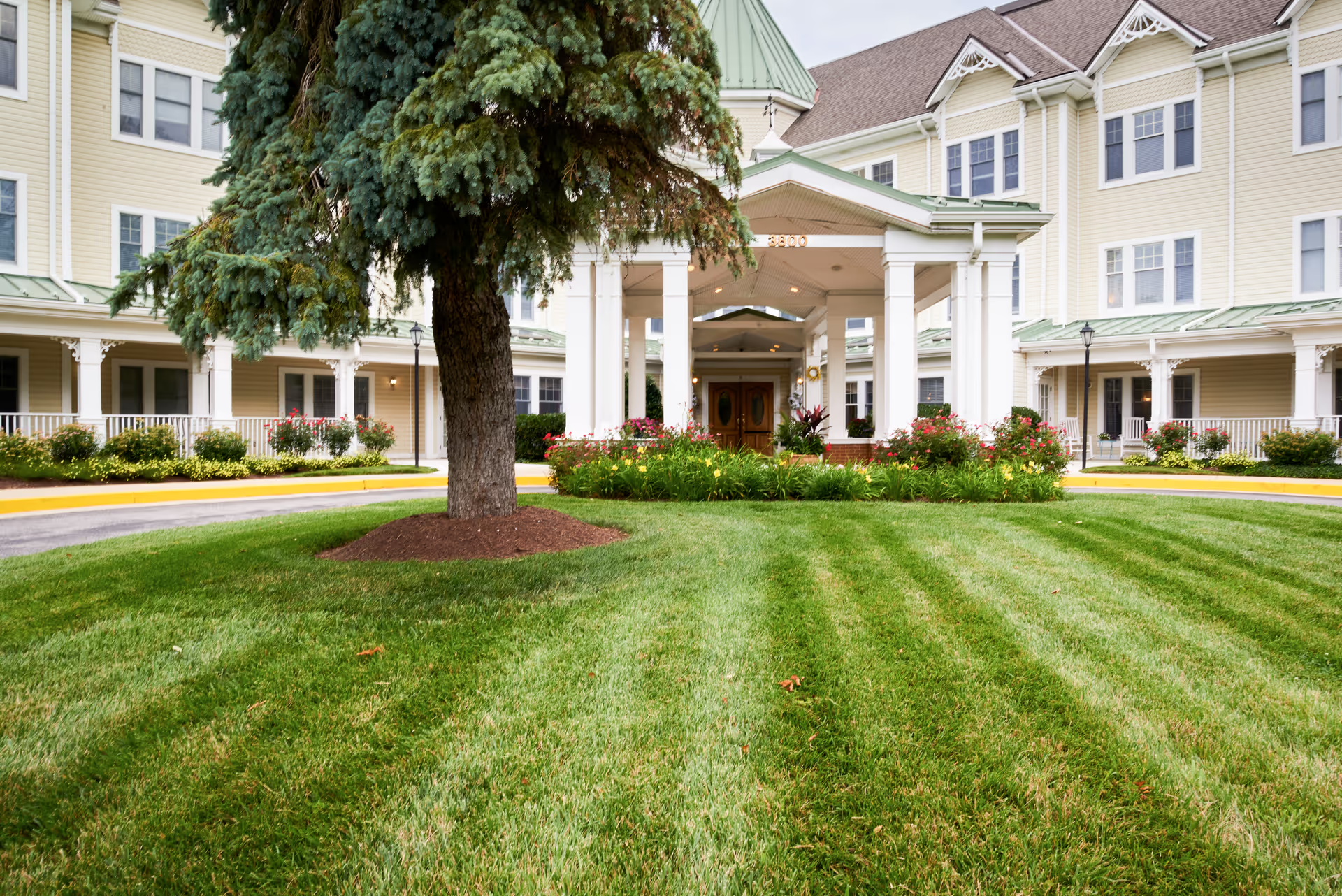
Maryland Masonic Homes presents a distinctive physical environment and a broad set of services. The campus is frequently described as attractive and well cared for, with a castle-like exterior, scenic grounds, bright interior spaces, and on-site amenities such as a salon, multiple dining venues, and fitness/therapy areas. The facility’s not-for-profit mission and policies (including private-pay admissions with an asset minimum and a hardship scholarship mechanism) are notable organizational features that appeal to families seeking continuity of care in a mission-driven setting.
Clinical and caregiving strengths are apparent in multiple areas. Reviewers consistently praise compassionate, attentive caregivers and a strong LPN/RN presence—especially in assisted living and rehabilitation units. On-site rehabilitation and therapy services receive high marks for effectiveness, and many families describe positive rehabilitation outcomes and good communication from therapy teams. Infection-control measures and pandemic response were also described positively, with low infection rates cited and professional handling of restrictions when they occurred.
Dining and activities are generally strengths. The facility offers varied, restaurant-style dining options and an active activities program that includes music, bingo, and fitness classes. Numerous reviewers described the food as high quality and the activities as engaging, contributing to resident satisfaction and social opportunities. At the same time, there are intermittent complaints about meal temperature and service consistency that prospective residents should verify during a visit.
Operationally, a pattern of inconsistent staffing and clinical continuity emerges across the reviews. Several accounts describe weekend reliance on agency nurses, staffing shortages, and slow response times to call bells or assistance requests. These staffing issues are linked in some narratives to variability in care quality, medication-management concerns, and occasional lapses in discharge follow-through. Communication gaps—between clinical staff, families, and front-desk/administrative points of contact—are another recurring theme; families are advised to confirm protocols for updates, discharge planning, and after-hours contacts.
There are also serious personnel and security-related concerns raised by reviewers. Allegations involving employee conduct, including theft and violent incidents in food-service areas, suggest weaknesses in hiring, screening, or incident-control policies that the facility should address transparently. These allegations stand apart from routine operational criticisms and warrant specific inquiry by prospective families about background-check practices, incident reporting, and security measures.
In summary, Maryland Masonic Homes combines strong physical amenities, robust rehabilitation services, and many examples of compassionate caregiving with operational vulnerabilities tied to staffing consistency, medication oversight, communication, and personnel management. Prospective residents and their families would benefit from an in-person assessment focused on current staffing levels, weekend and holiday coverage, medication-administration protocols, incident reporting processes, and direct observation of dining service and activity participation to ensure the unit and shift they select meet their expectations.