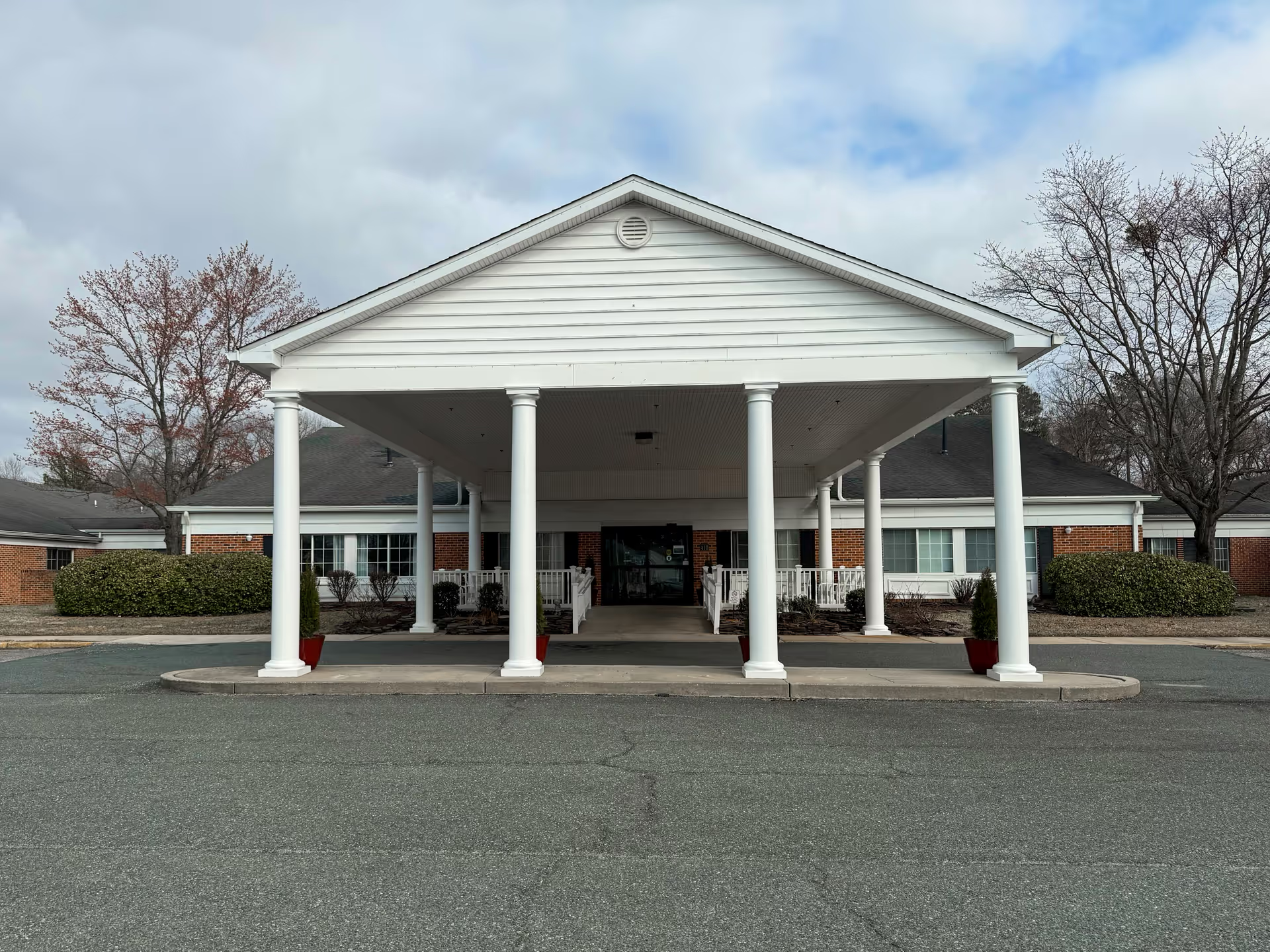
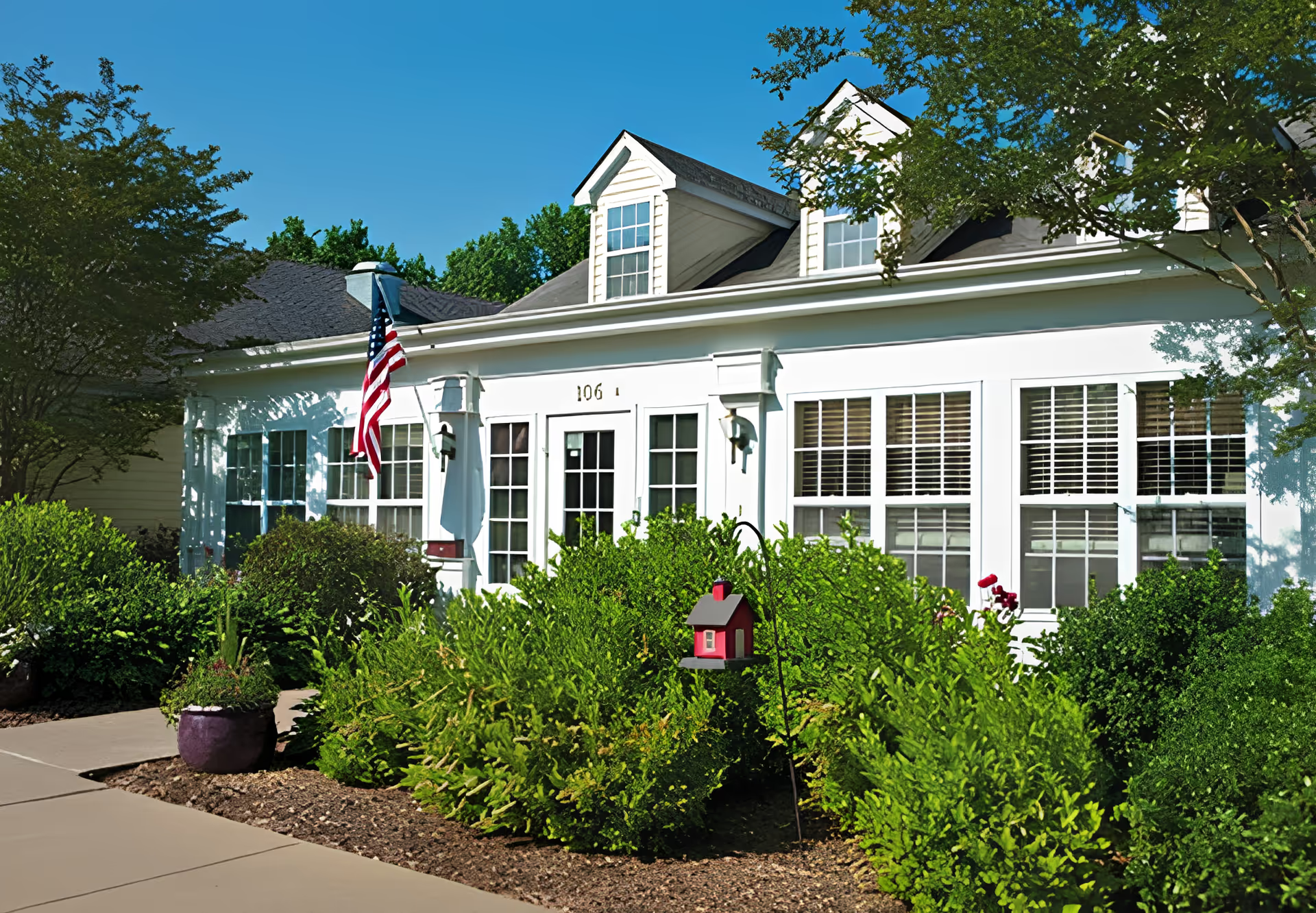
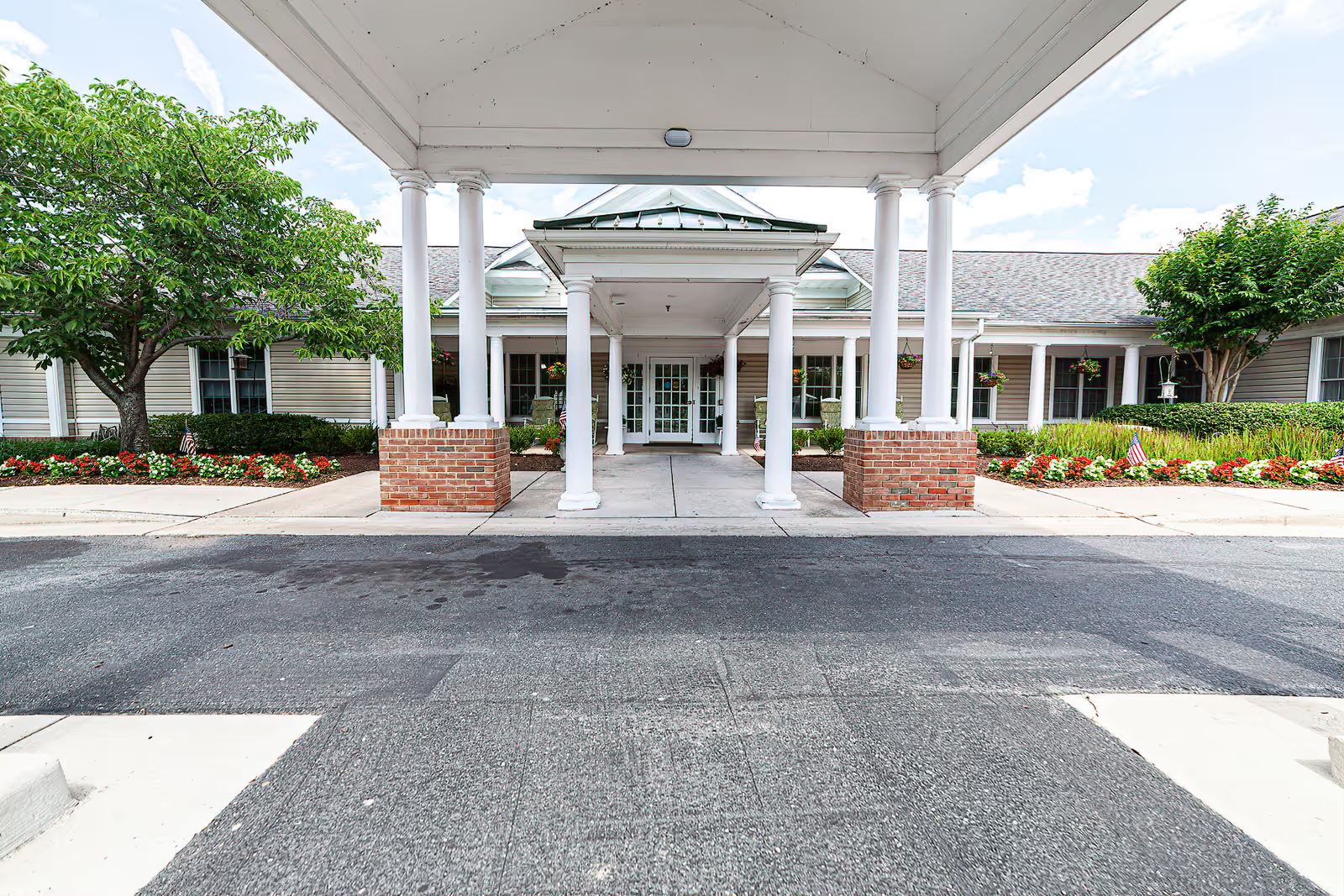
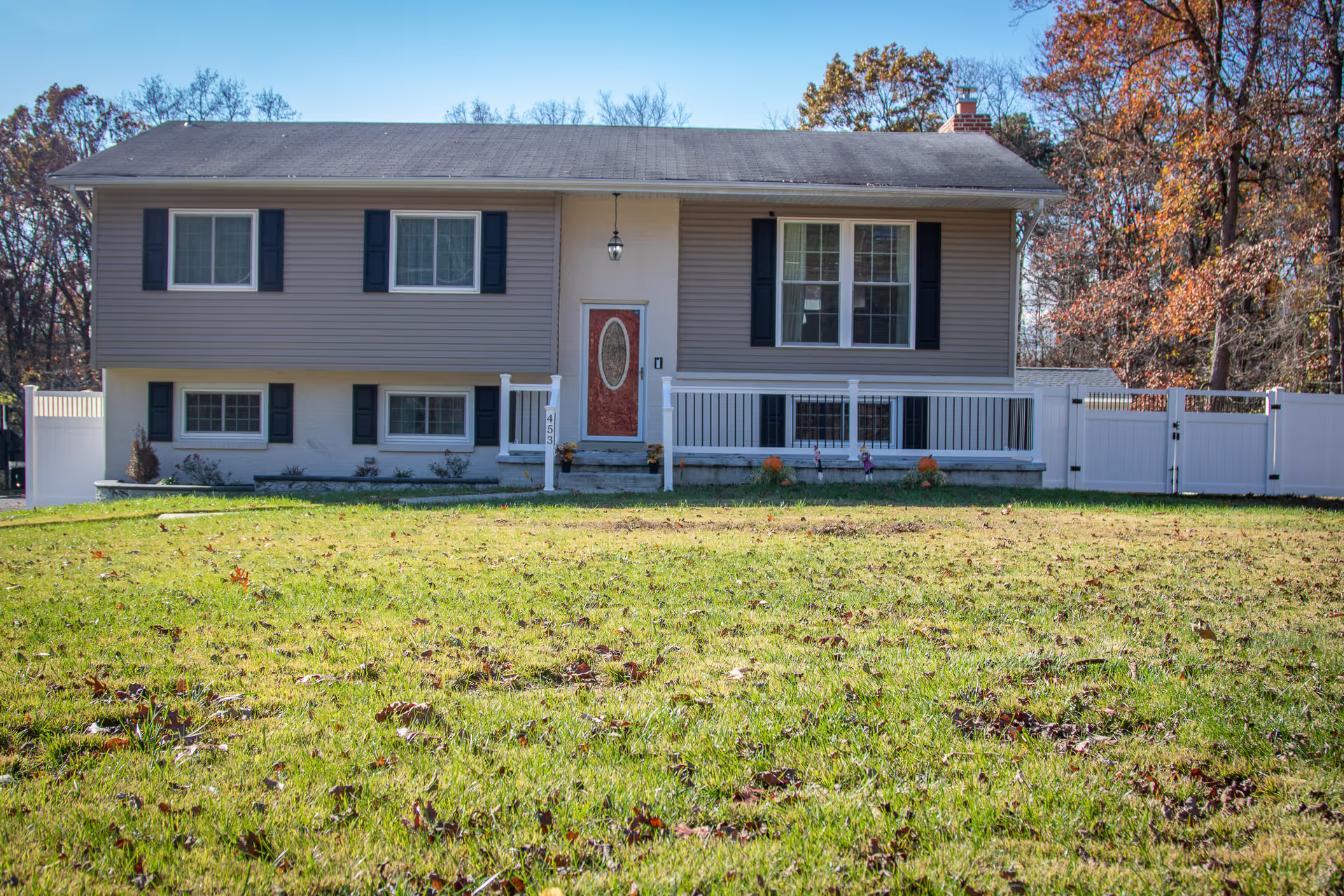
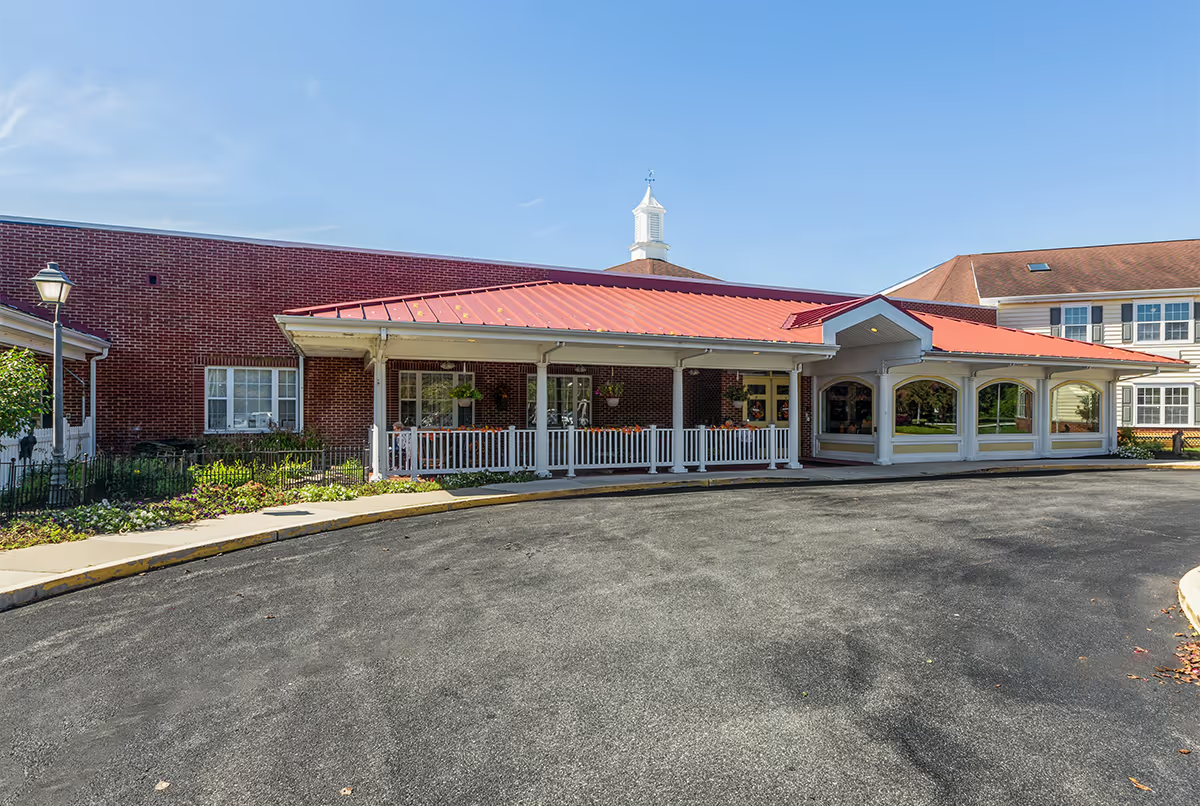
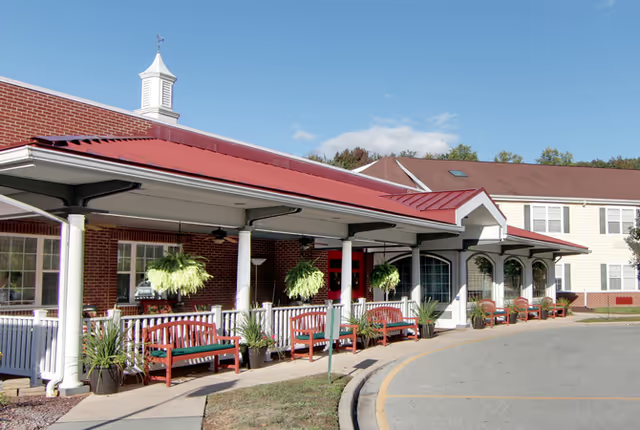
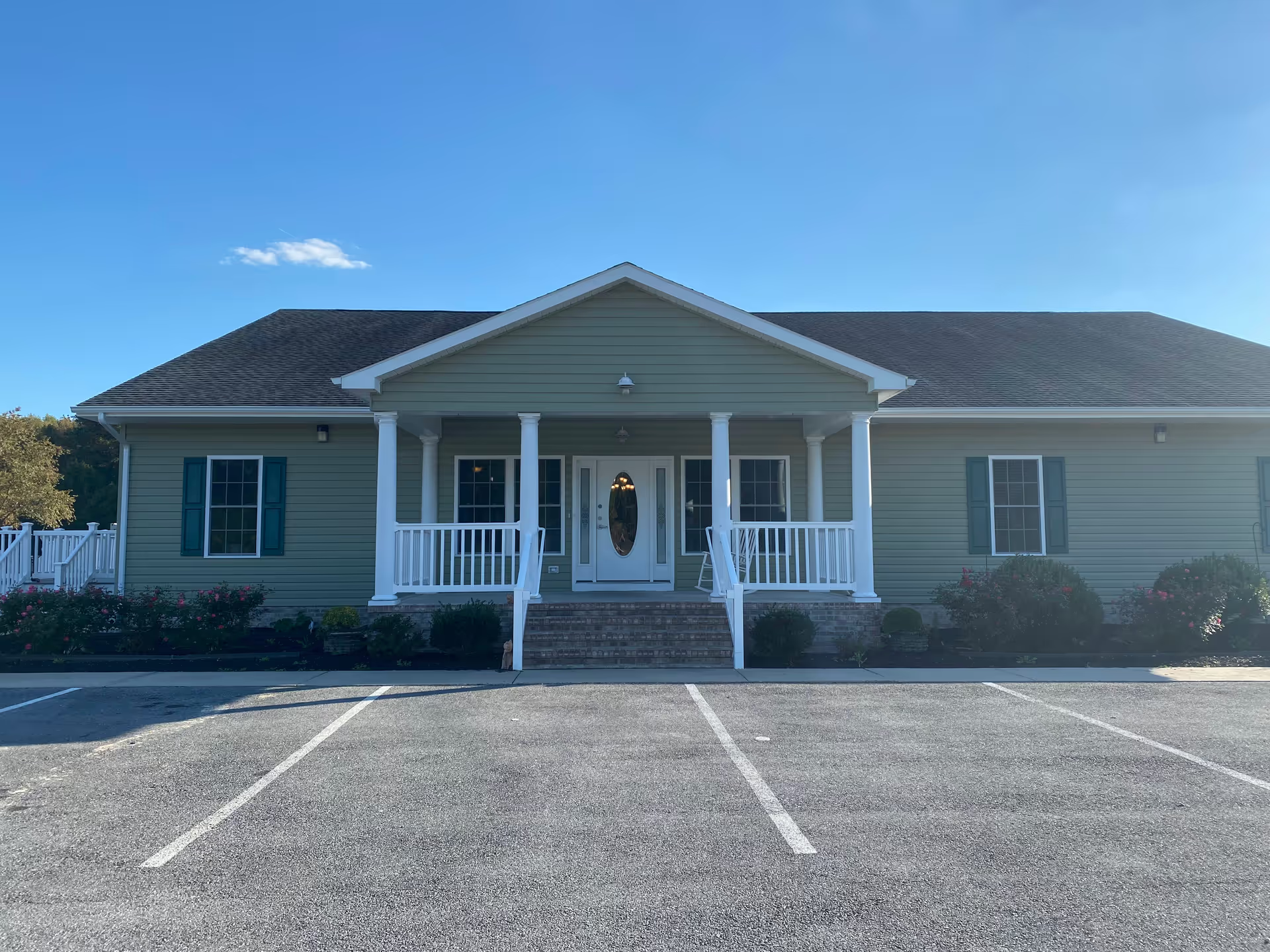
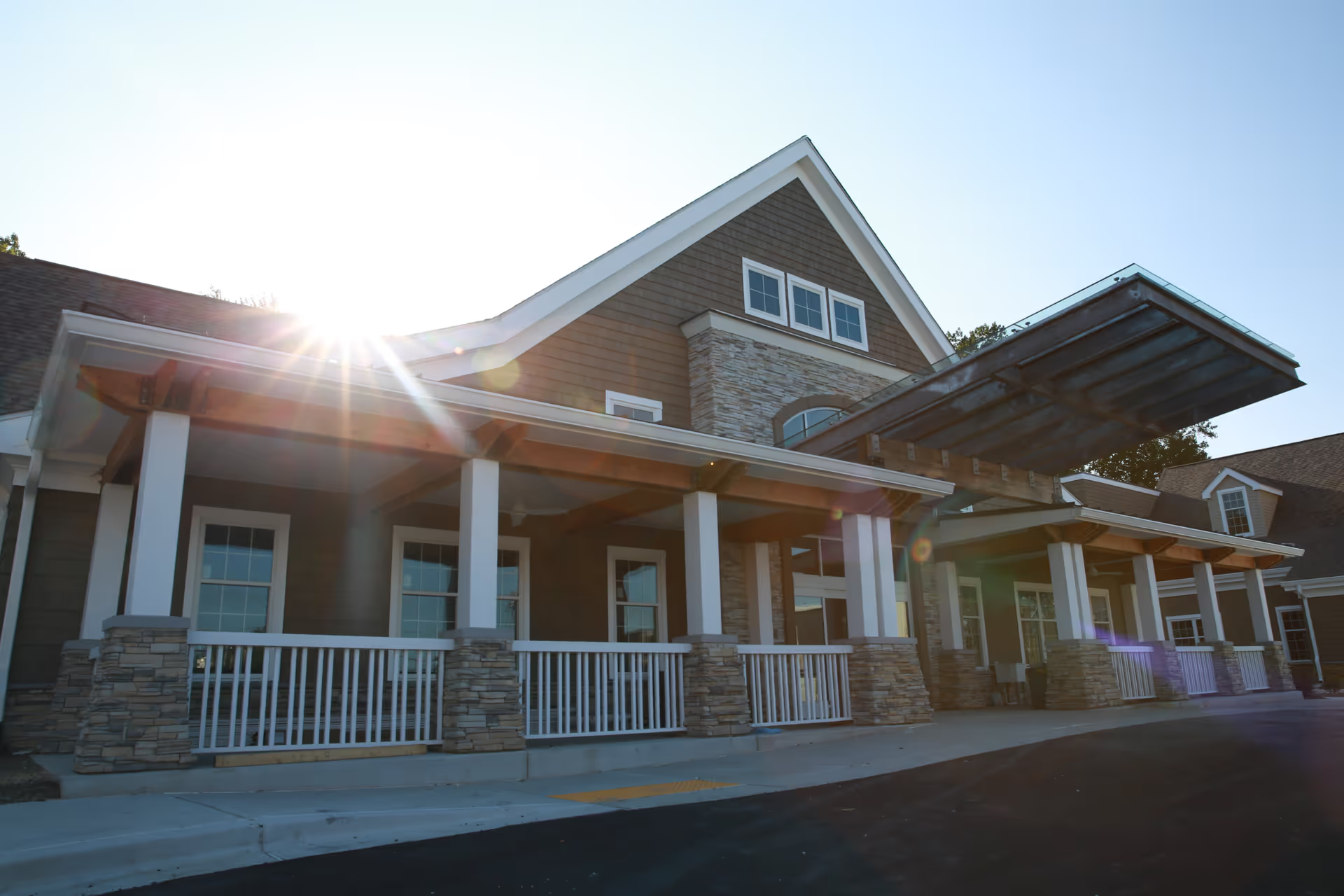
Arcadia Assisted Living of Denton is described by families as a small, well-maintained assisted‑living and memory‑care community with a strong emphasis on a home-like atmosphere. The physical plant and grounds receive consistent praise: reviewers identify attractive landscaping, ample natural light in rooms, and high sanitation standards throughout common areas and private rooms. The facility’s scale—generally described as a single‑digit to mid‑teens resident community—contributes to a residential feel and close staff–resident relationships.
Care quality is characterized primarily by attentive, compassionate staff and a hands-on caregiving approach. Multiple reviewers singled out individual caregivers and the activities coordinator for consistent engagement, adaptability to physical limitations, and efforts that improve resident well‑being. Hospice coordination and end‑of‑life support were also noted positively. That said, there are operational concerns around responsiveness and communication: some families describe delays in outreach or difficulty reaching staff in particular situations, suggesting variability in how the team manages family communication and urgent queries.
Dining and room accommodations show mixed impressions. Strengths include family‑style, on‑site meal preparation and an allowance for residents to personalize rooms with personal furnishings. Many families commented on comfortable, home-cooked meals and plates offered during tours. Conversely, there are recurring comments about inconsistent meal quality or dissatisfaction with portions and menu options for the price charged. Private rooms and en‑suite bathroom availability exist but are limited in number, and some families noted variability in room standards.
Programmatic life and activities are a clear asset for some residents and a limitation for others. The facility has an active activities coordinator and organizes outings, holiday events, music, movies, crafts, and library trips when possible. For residents with mobility constraints, staff-adapted activities are highlighted as beneficial. However, activity frequency and resident participation levels appear inconsistent: a number of families described limited programming or low engagement for some residents, and infection‑control periods (e.g., COVID restrictions) have at times reduced group activities.
Operational and policy patterns callers should weigh include payment acceptance and capacity. The facility does not accept Medicare or Medicaid, which may affect affordability for some families. Several families perceive the cost as high relative to the services received, while others consider pricing competitive. The small census supports individualized attention but can limit program breadth and private‑room options. Nighttime care practices were noted by some as involving relatively long intervals between routine checks, which may not suit residents with higher fall or overnight supervision risk.
Finally, management and transparency surfaced as a mixed area: many reviewers praised specific staff members by name and cited prompt placement or helpful tours, while others raised concerns about communication around family complaints and the authenticity of facility reviews. There are allegations relating to review authenticity and complaint handling that prospective families may want to explore directly with administration and through state inspection records. Overall, Arcadia Denton presents as a clean, intimate memory‑care and assisted‑living option with strong interpersonal caregiving strengths; prospective residents and families should weigh those strengths against concerns about activity consistency, meal preferences, payment options, room availability, and nighttime supervision when evaluating fit.