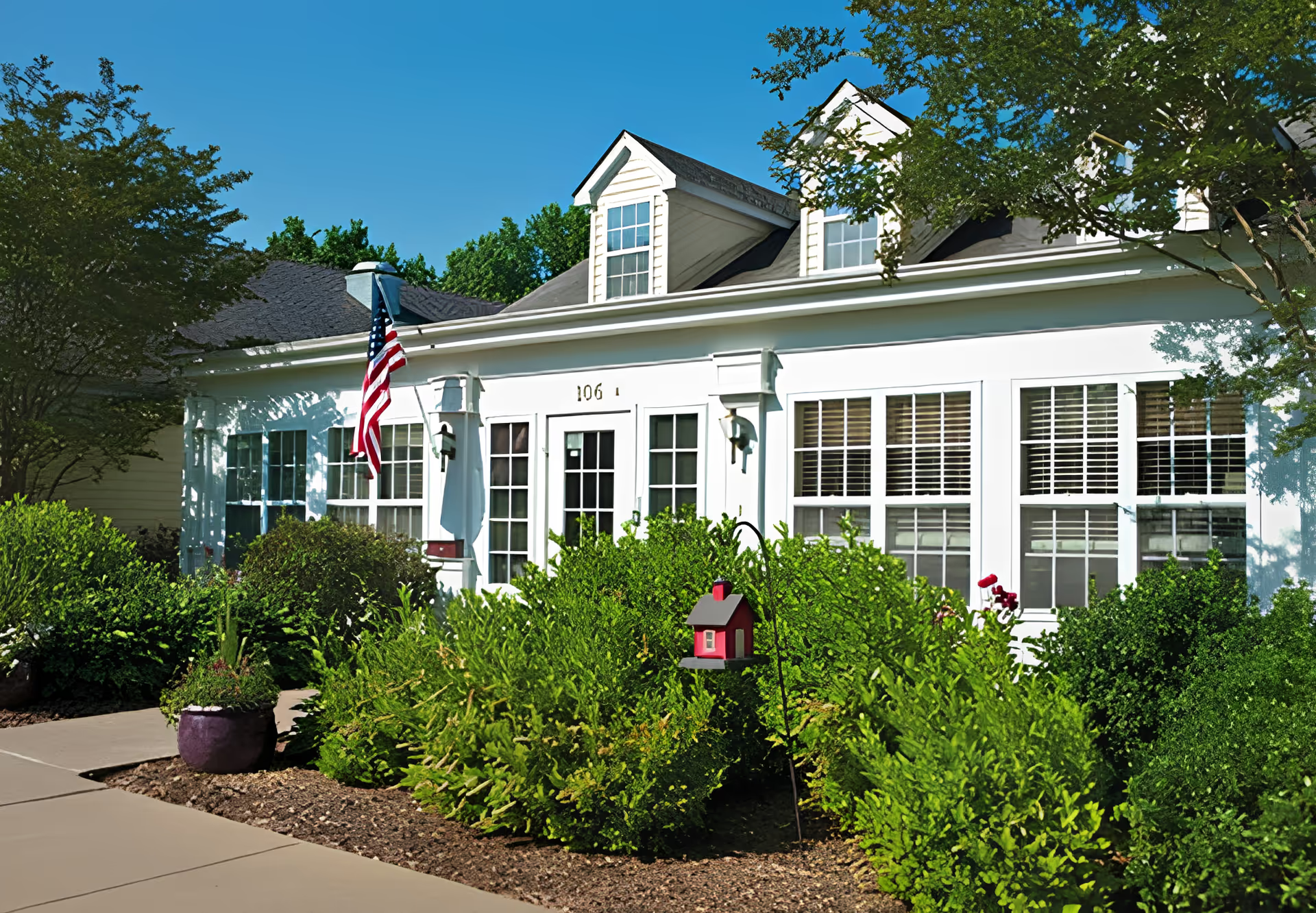
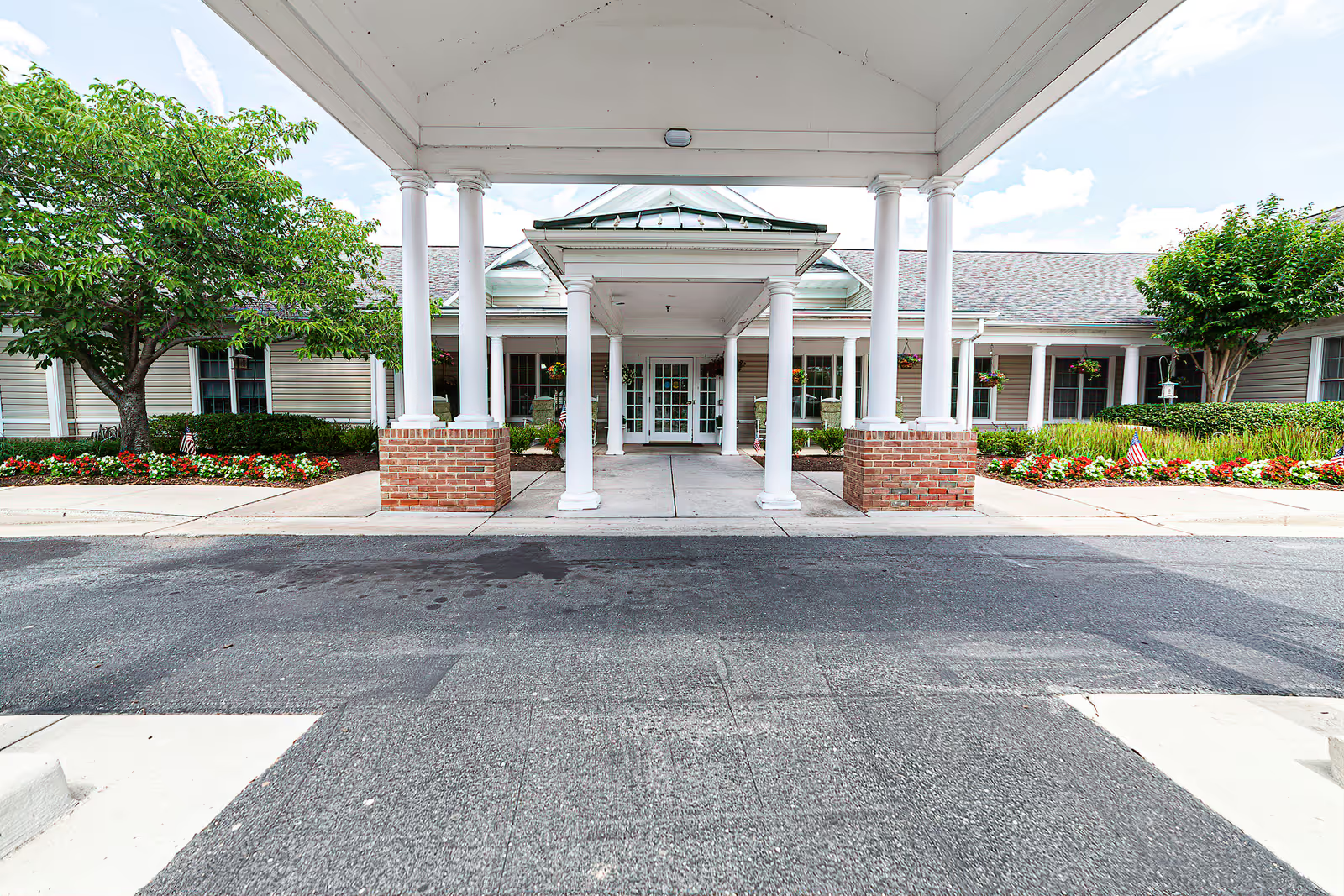
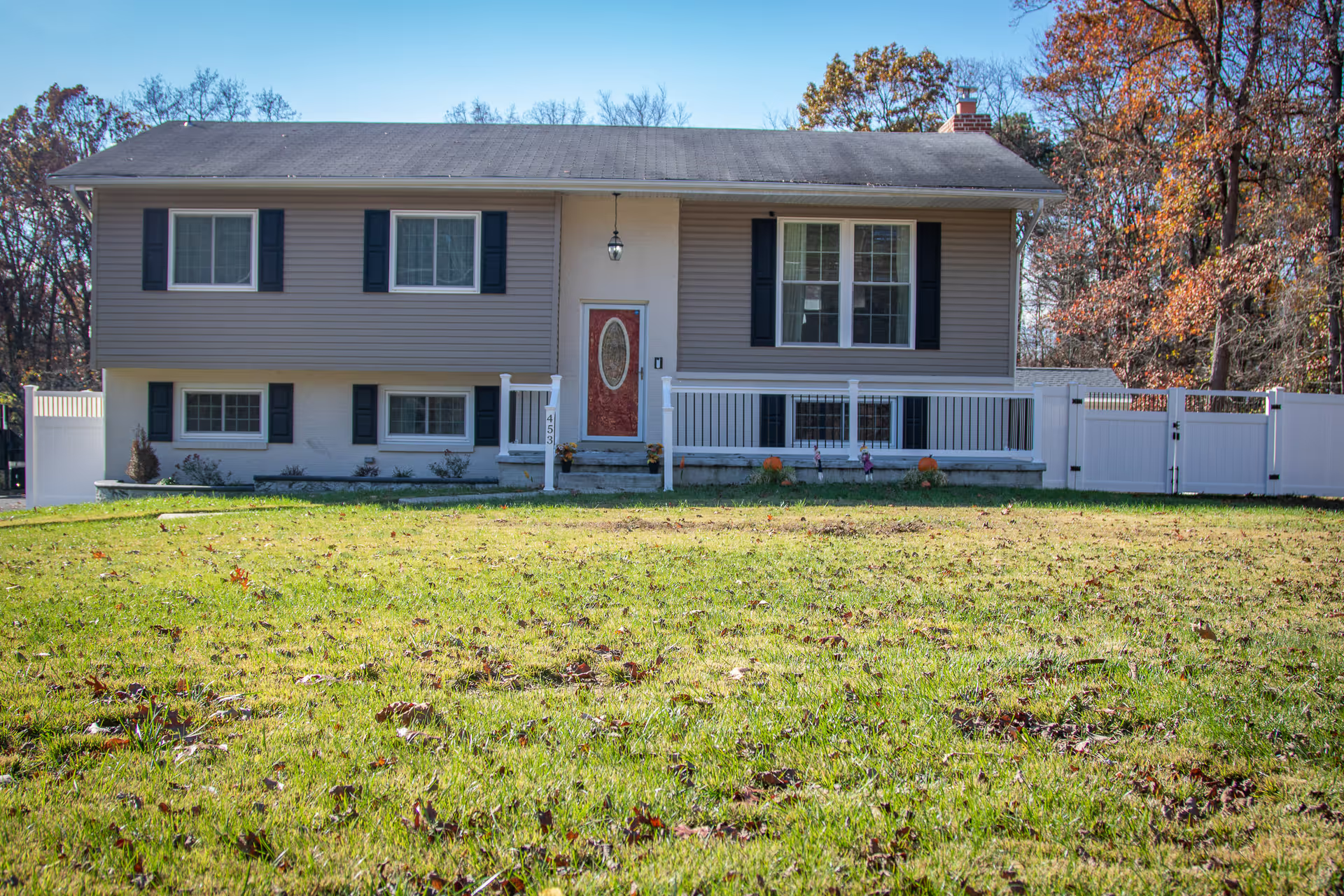
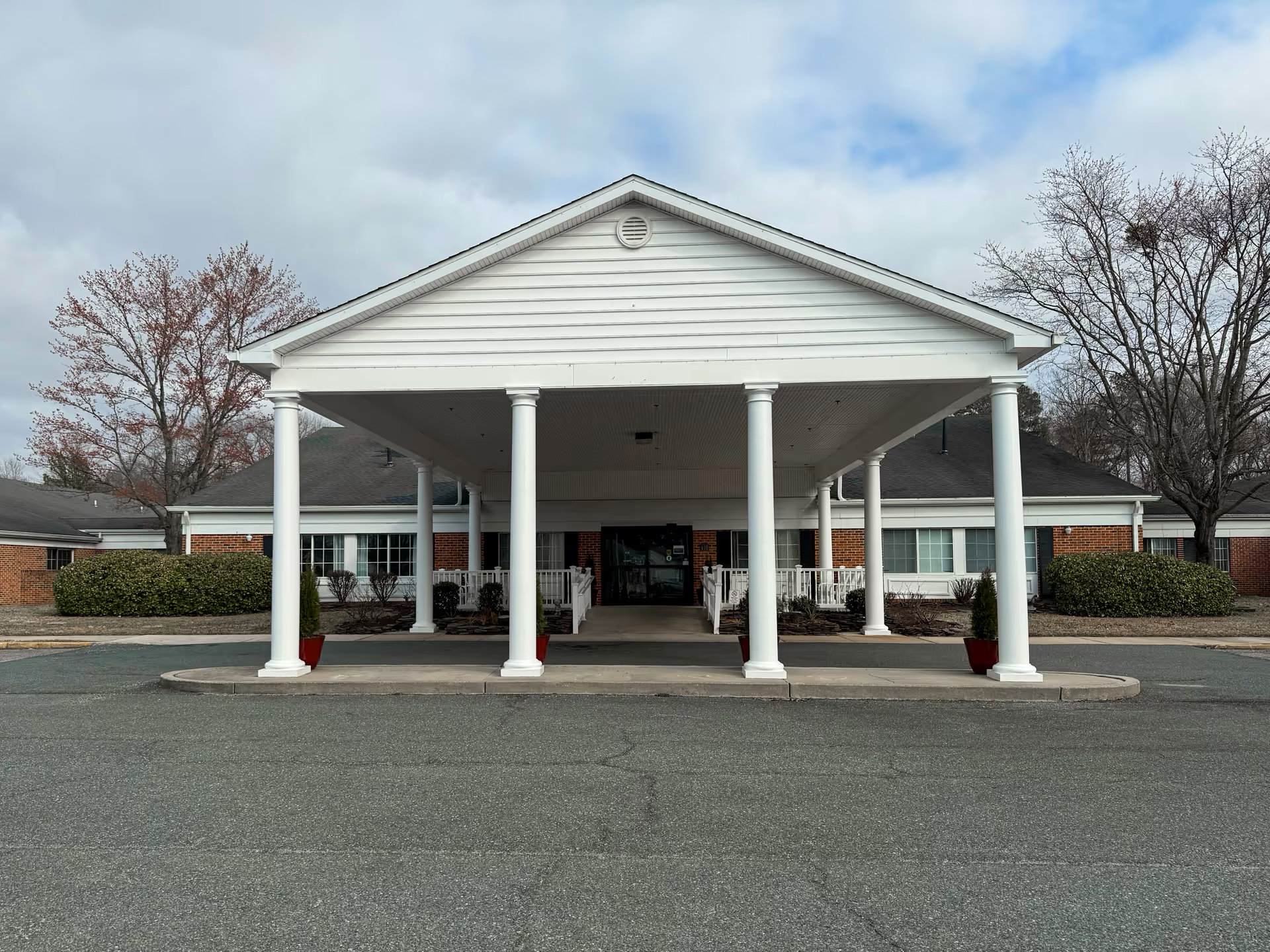
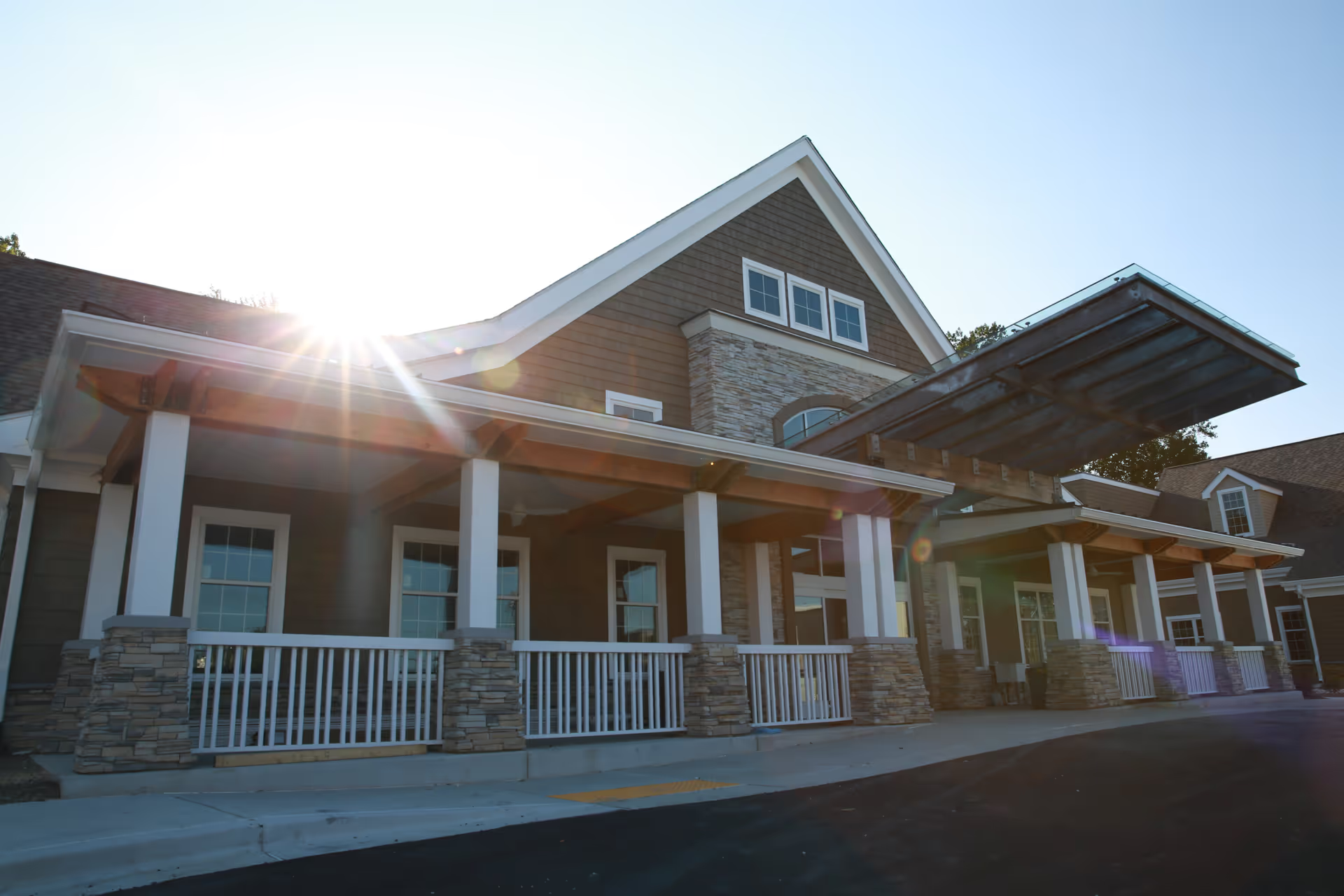
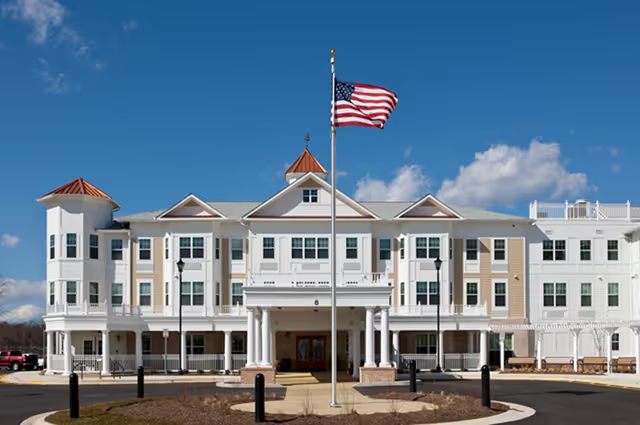
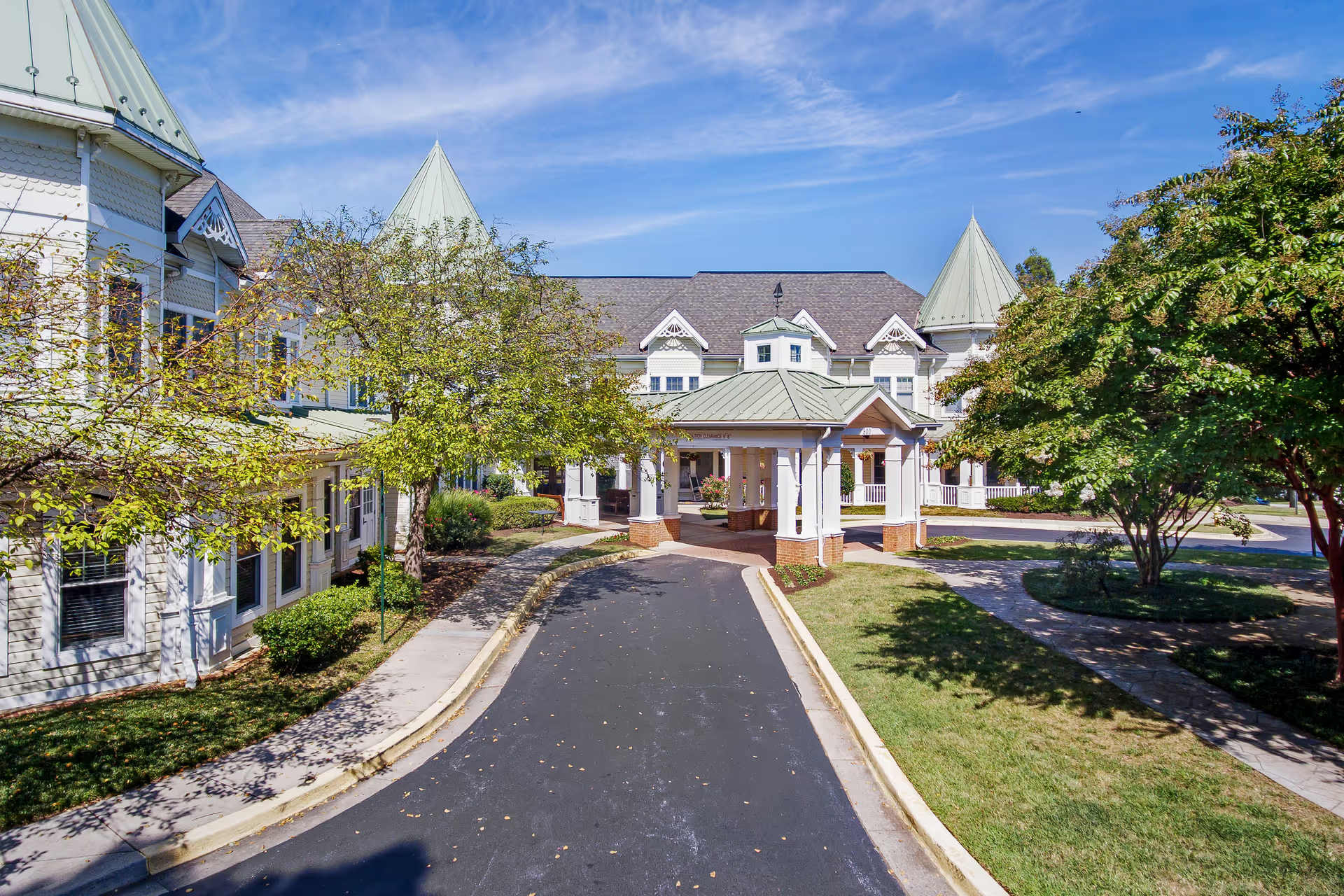
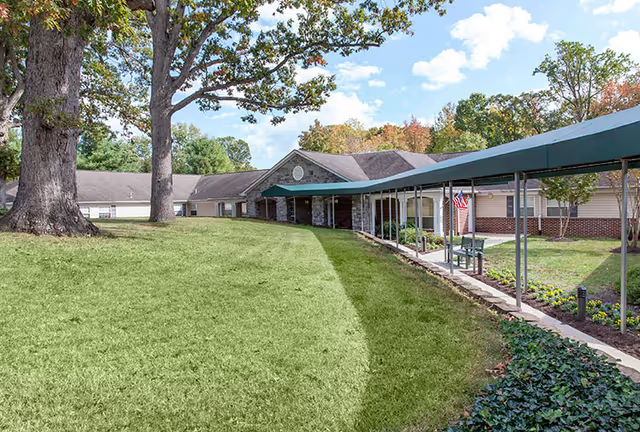
Bayleigh Chase is consistently described as a well-appointed continuing-care retirement community with strong amenities and a high level of clinical and rehabilitative capability for many residents. Reviewers commonly praise the nursing teams, therapy programs (particularly occupational and physical therapy), on-site medical and hospice partnerships, and long-tenured caregiving staff. The campus is noted for cleanliness, attractive cottage-style residences with patios and sunrooms, restaurant-style dining prepared by an executive chef, and a wide range of activities including memory-enhancement programming, outings, and transportation to medical appointments.
Clinical strengths include attentive nursing care and a therapy program that has produced good outcomes for many post-stroke residents. Families report clear examples of compassionate, dignified care and coordinated medical attention, and several accounts highlight positive end-of-life and hospice experiences. Agency nursing staff are sometimes described as highly skilled, which can bolster clinical coverage when used effectively. The community model and on-site services make Bayleigh Chase a fit for residents seeking a long-term, continuum-of-care option with robust social and recreational offerings.
Notable operational concerns recur across reviews and are relevant for prospective residents with higher medical needs. Staffing consistency and response times are uneven in some units; several accounts indicate assistance-call delays and limited aide time for high-dependency care. The rehabilitation program appears well suited for standard PT/OT and many stroke recoveries but may be less well-equipped for complex neurotrauma cases such as TBI. Families should assess staffing ratios, night coverage, and transfer protocols when evaluating suitability for high-acuity residents.
Dining and lifestyle receive mixed but generally positive feedback: many residents and families commend meal presentation, variety, and the dining environment, while a minority raise concerns about occasional variability in food quality or perceived value. The physical plant — lobbies, dining rooms, cottages, and activity spaces — is regularly described as well maintained and inviting. Amenities such as library, fitness areas, music and game programming, and small-group activities are frequent highlights.
Several reviews also raise concerns about marketing and financial practices. Admissions presentations and tours are sometimes characterized as emphasizing best-case progress and creating an especially optimistic impression; prospective residents and families are advised to corroborate clinical expectations with direct clinical staff and to review contract and refund policies carefully. Cost is frequently described as high relative to perceived value, with limited discounting or refund flexibility noted. Finally, some comments point to management priorities that appear focused on marketing and revenue, and to variability in leadership effectiveness; these themes suggest the importance of asking targeted operational questions during tours and contract review.
In summary, Bayleigh Chase offers many strengths: strong nursing and therapy services for many clinical needs, an appealing campus and dining program, and a broad activity schedule within a CCRC framework. Prospective residents and families should weigh those strengths against staffing consistency for higher-acuity care, the documented limits of the rehab program for complex neuro cases, and the facility’s cost and contractual terms. A thorough on-site clinical assessment, detailed staffing and night-coverage inquiries, and a careful review of financial provisions will help determine fit for individual needs.