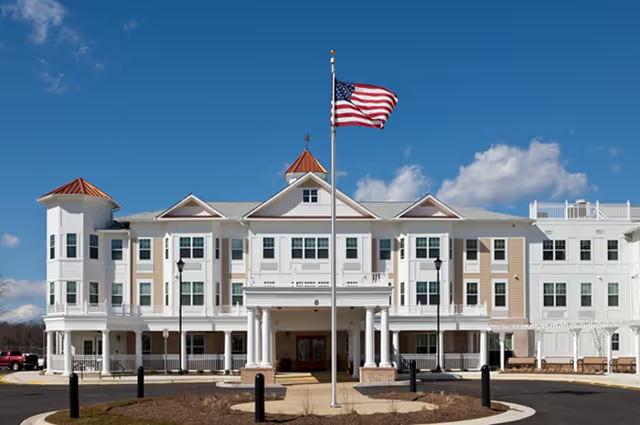
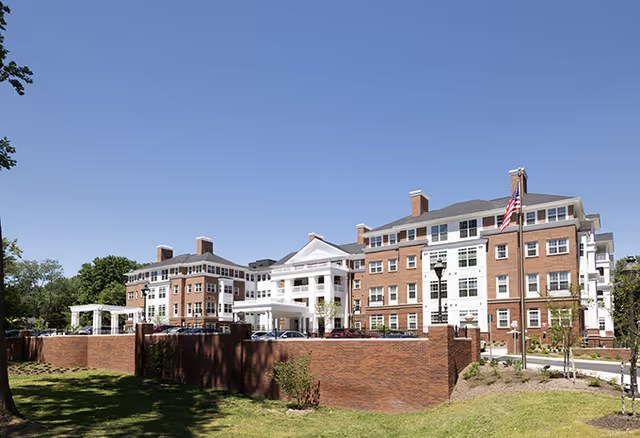
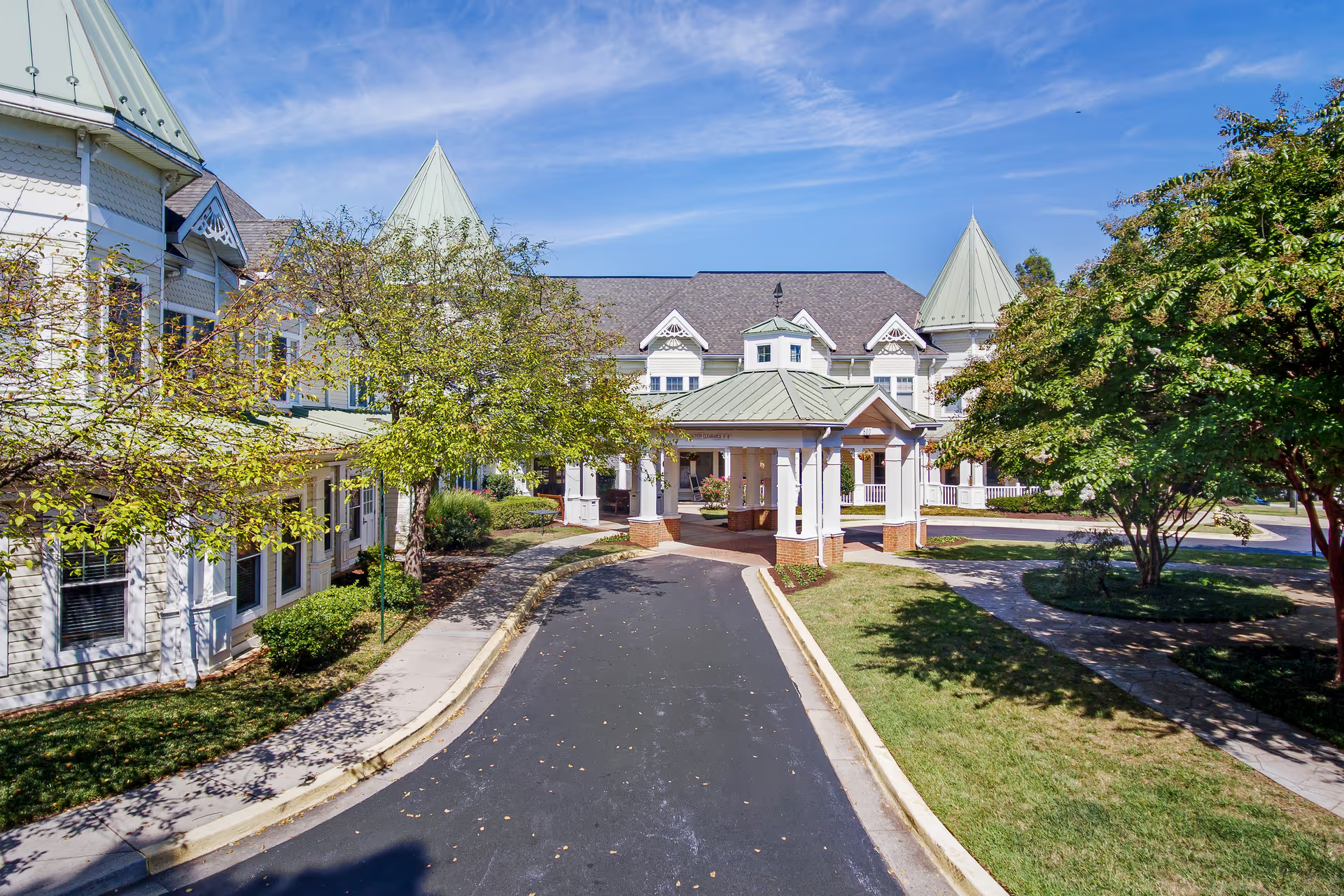
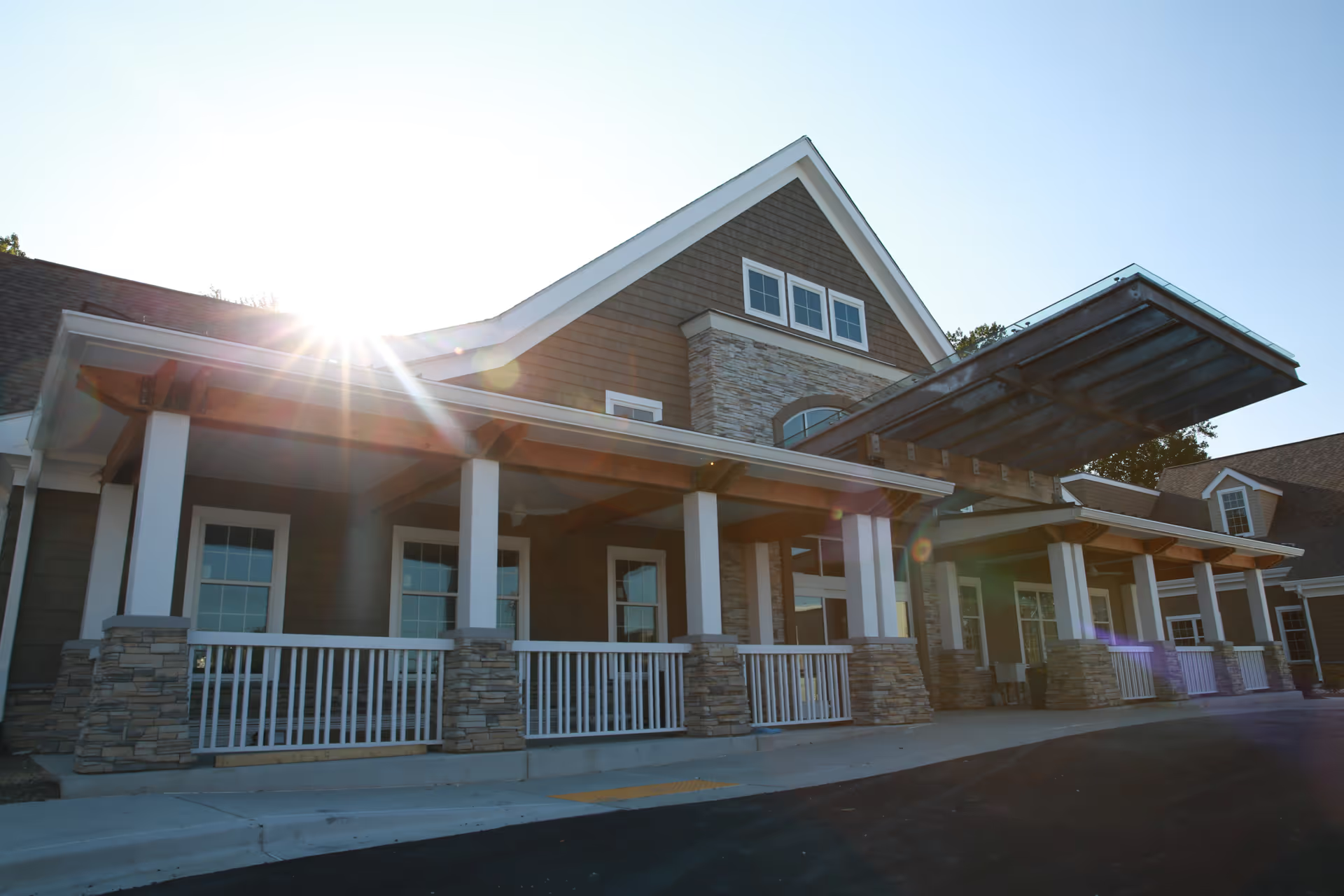
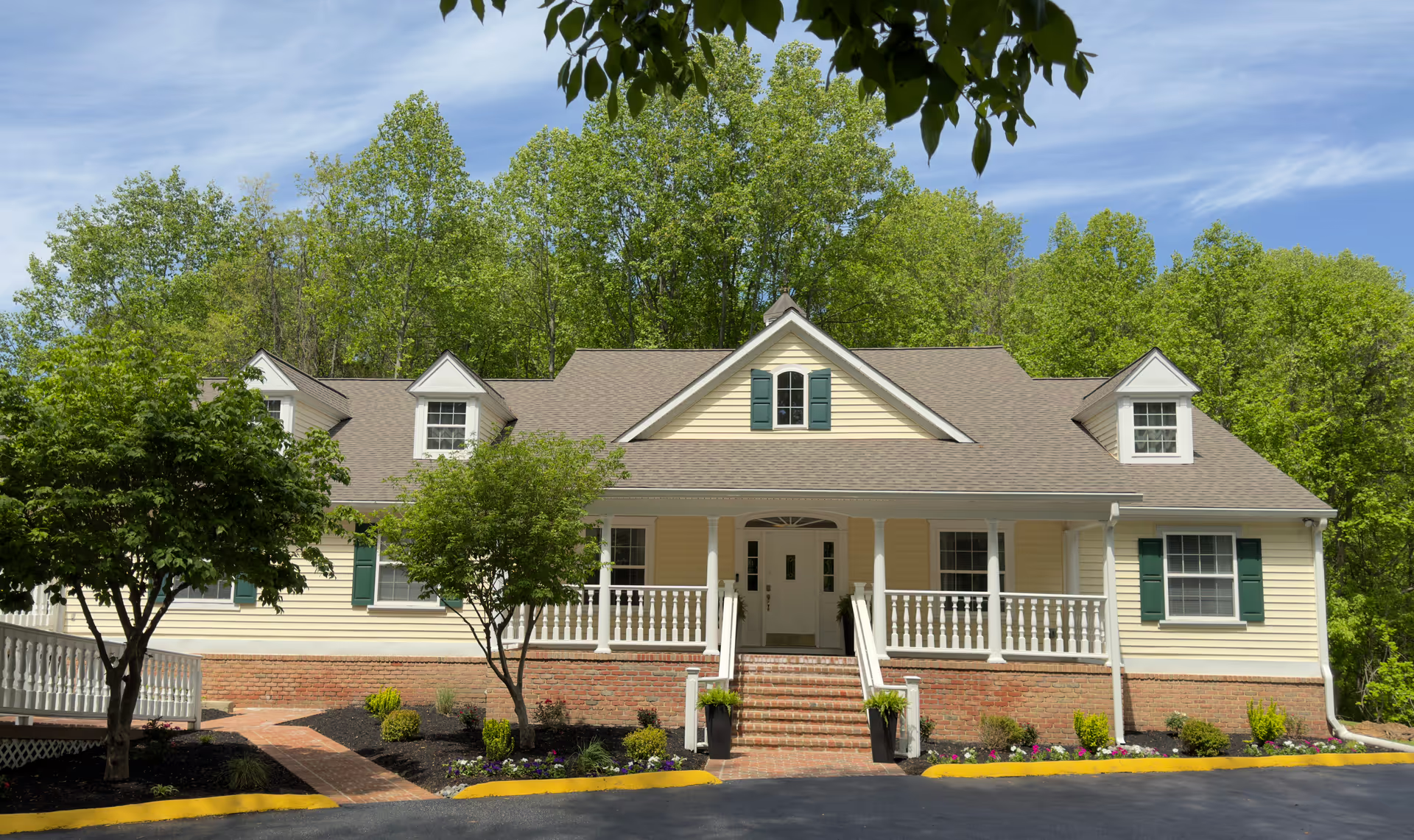
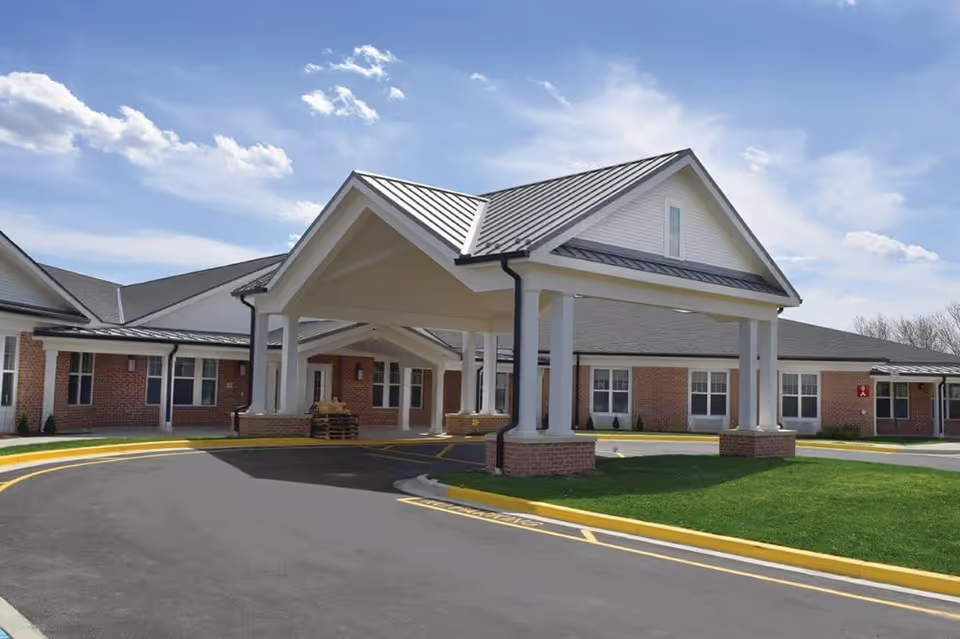
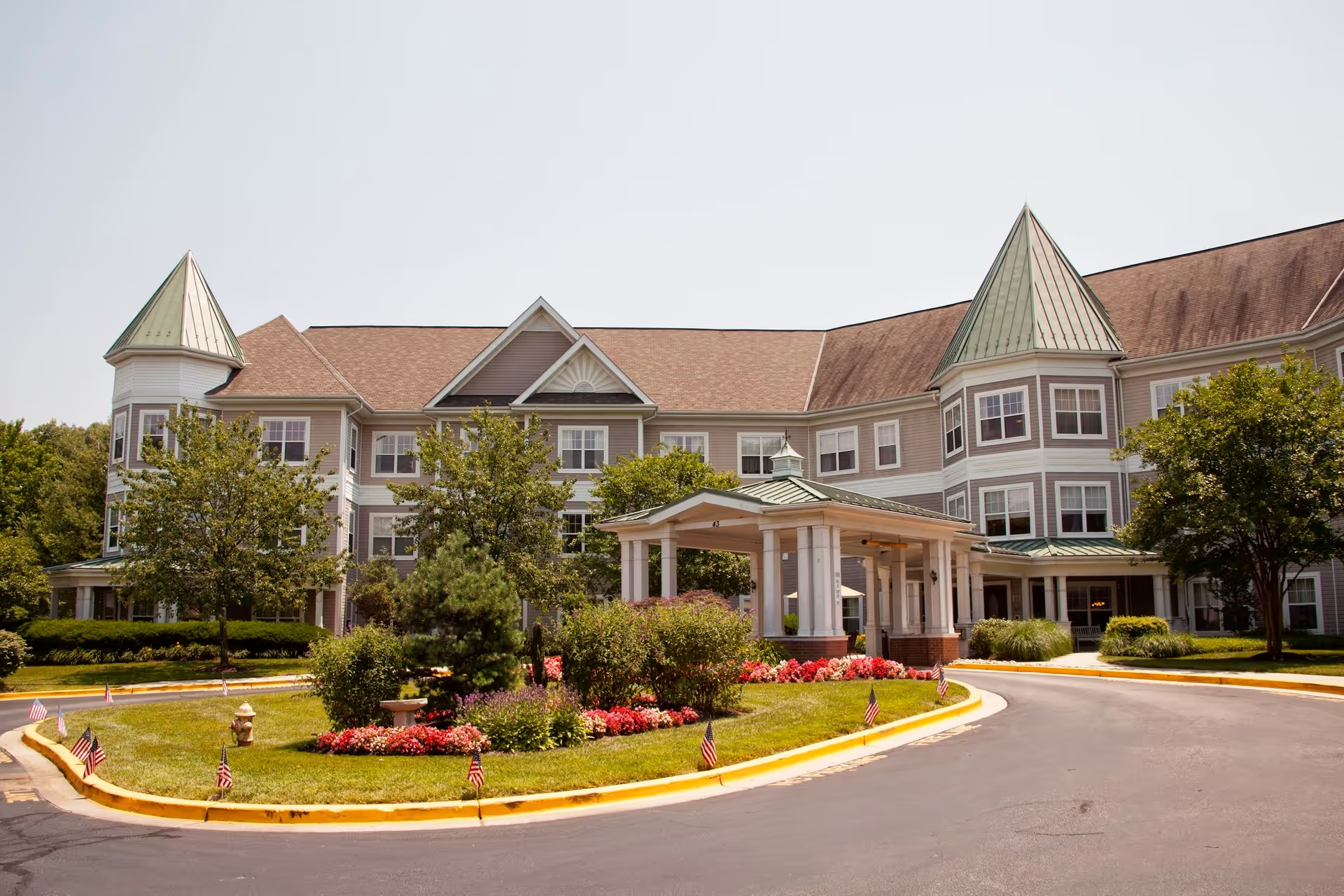
Charter Senior Living of Annapolis presents as a purpose-built, memory-care community with many features families commonly seek for residents with dementia. The facility is described as 100% memory care, with a dementia-friendly layout that includes long walking corridors, quadrant-style privacy, cottage-style kitchens, multiple sitting rooms and media spaces, a salon, and secure outdoor areas for walking and gathering. Multiple accounts praise furnished, tastefully renovated common areas and private rooms, a home-like atmosphere, and visible improvements to grounds and décor.
Care quality and staff performance are mixed but show notable strengths. Numerous families and visitors describe compassionate, attentive frontline caregivers and strong nursing and wellness personnel; named staff and care coordinators have been singled out for effective transitions and individualized attention. On-site medical services and hospice coordination are also highlighted, and many reviews underscore smooth admissions, helpful admissions staff, and supportive move-in processes. Activities programming—including themed events, SPARK meetings, social opportunities, and family-oriented events—receives consistent positive mention, as do dining and culinary offerings led by a well-regarded chef.
However, a recurrent pattern in the feedback concerns operational consistency. Staffing stability is a central issue: several accounts point to high turnover among aides and CNAs and to understaffing on certain shifts, particularly overnight. These gaps are associated with families hiring private-duty caregivers for night coverage, and with isolated but serious accounts of delayed medication administration and limited clinical responsiveness during some shifts. Reviewers also describe inconsistencies in personal-care tasks such as toileting, bathing, and laundry scheduling, and note variability in communication between staff and families. Prospective residents should therefore verify current staffing ratios, overnight coverage plans, and medication-administration protocols during a tour.
Management and leadership appear to have evolved over time; some families praise recent leadership changes and improved coordination, while others cite variability in management responsiveness and inconsistent follow-through on concerns. Cost is another theme: the facility is described as higher-cost relative to alternatives, with supplemental private-duty charges sometimes required to address overnight coverage gaps.
In summary, Charter Annapolis offers many attributes of a specialized dementia-care community—dedicated memory programming, a purpose-built physical environment, engaged activities, and numerous positive reports of compassionate nursing and caregiving. At the same time, patterns of staffing instability, training variability among some frontline aides, occasional maintenance or sanitation lapses in common areas, and questions about medication and personal-care consistency are important operational considerations. Families considering this community should tour the facility, meet nursing leadership, ask for current staffing ratios by shift, clarify overnight coverage and private-duty policies, and request examples of how the community monitors and remedies care-quality gaps.