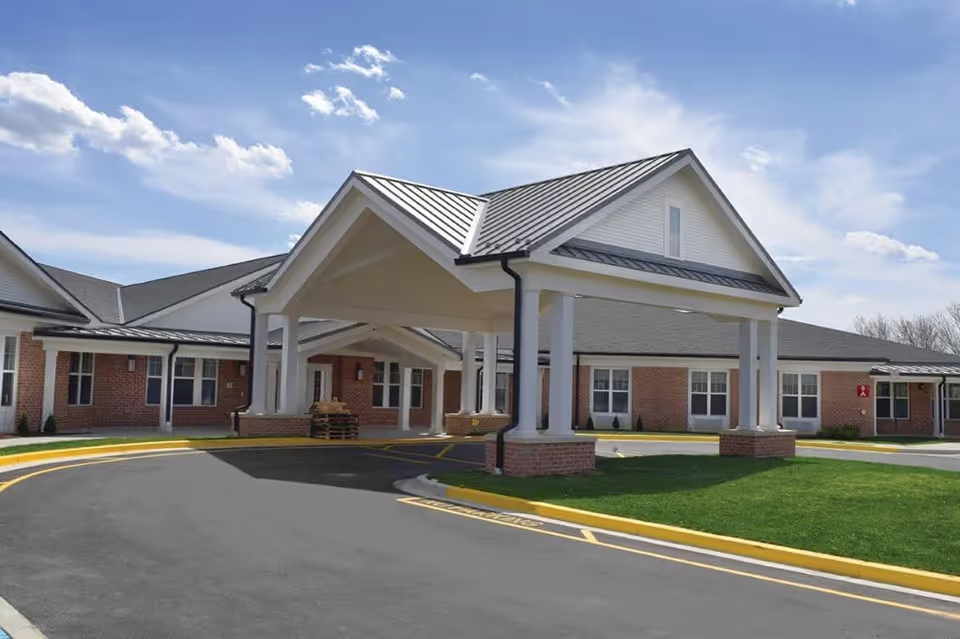
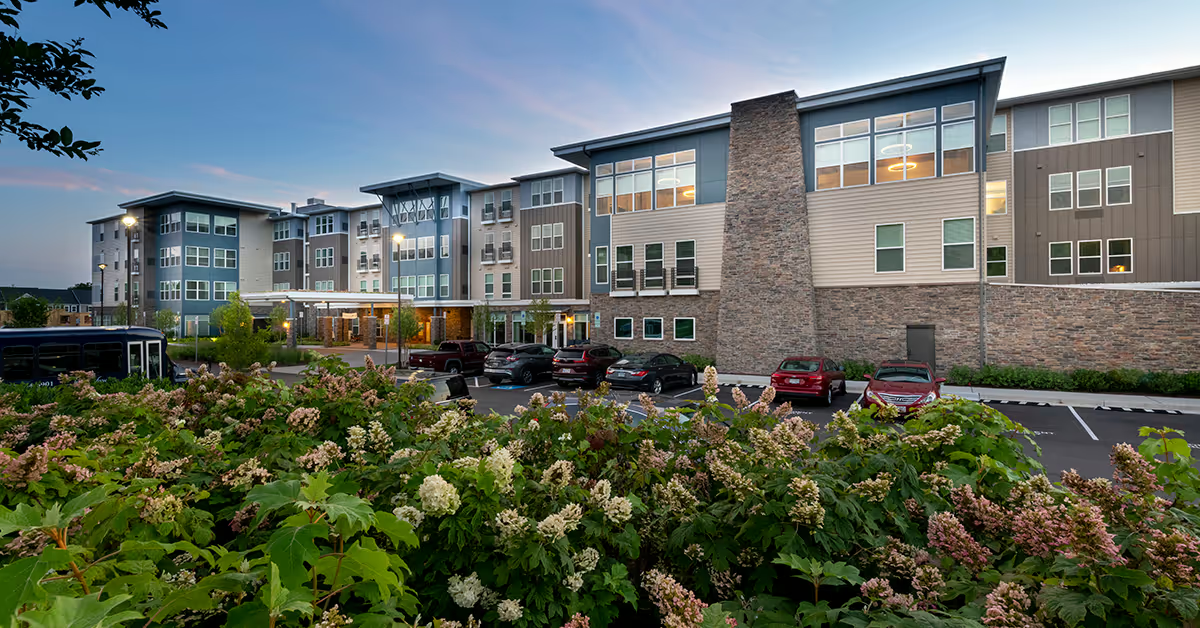
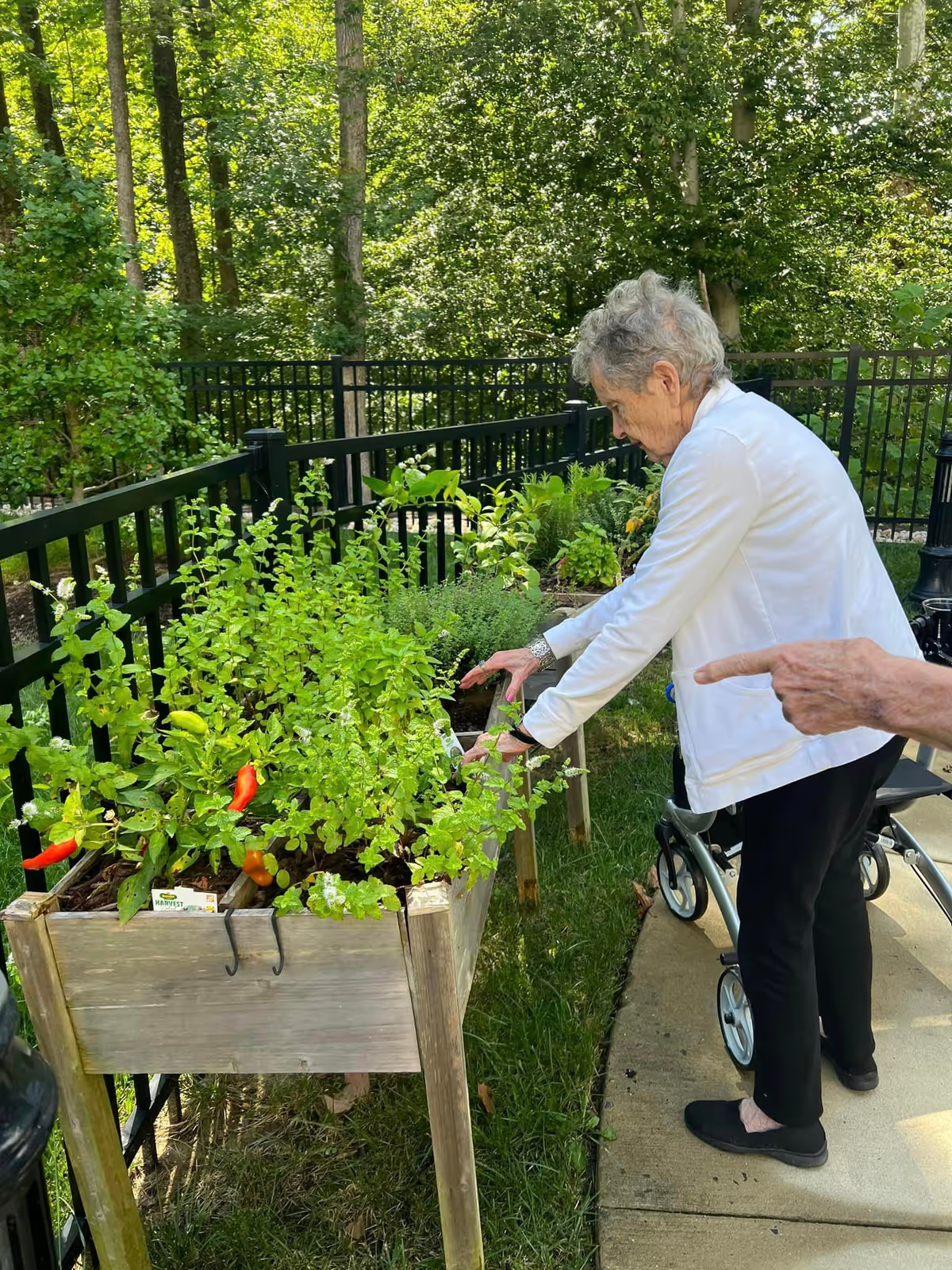
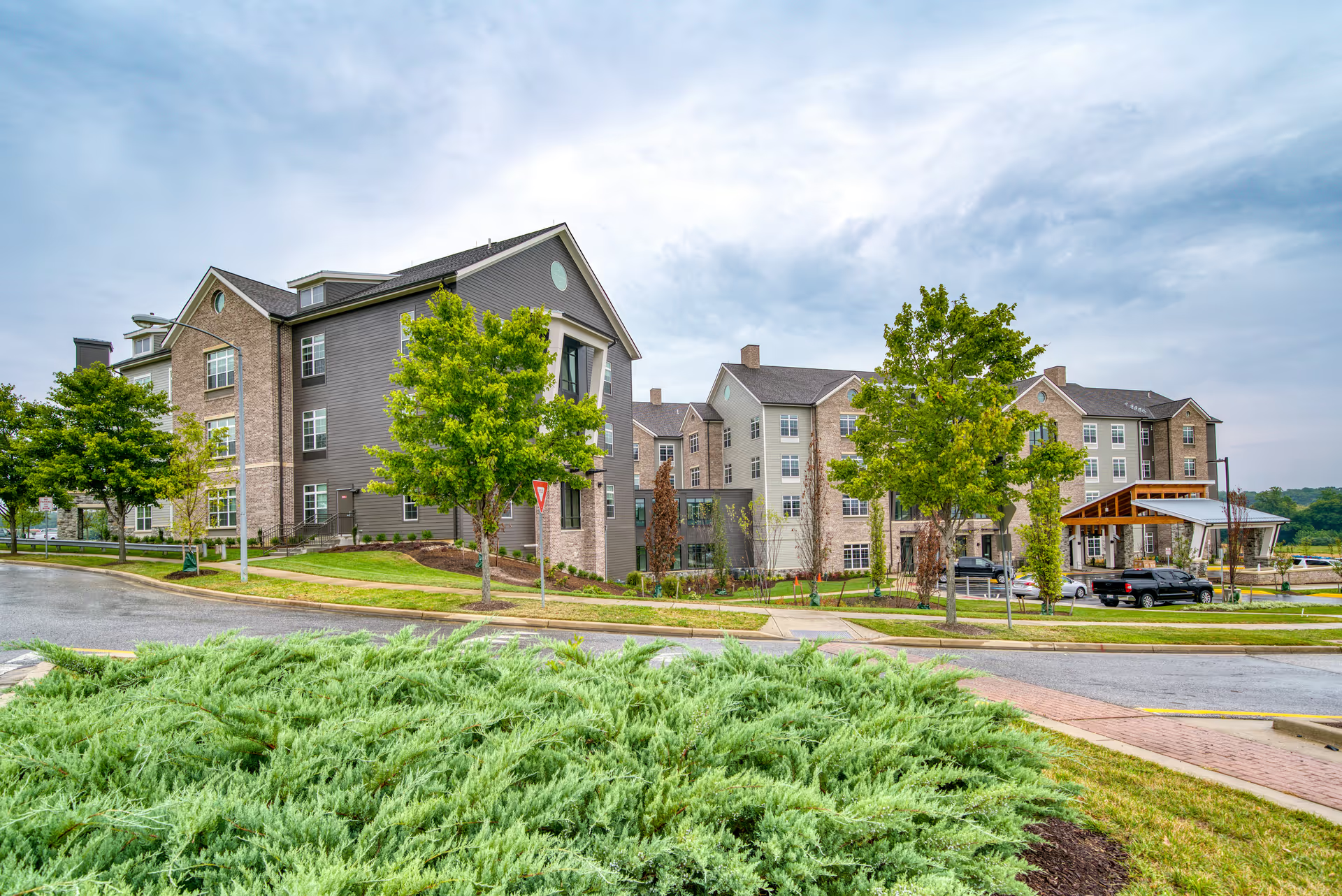
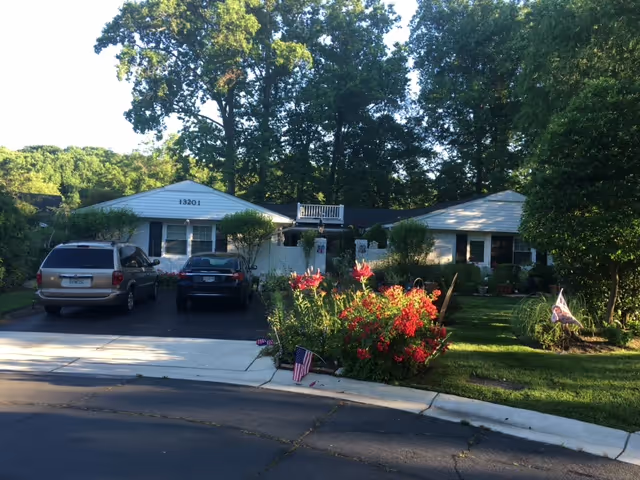
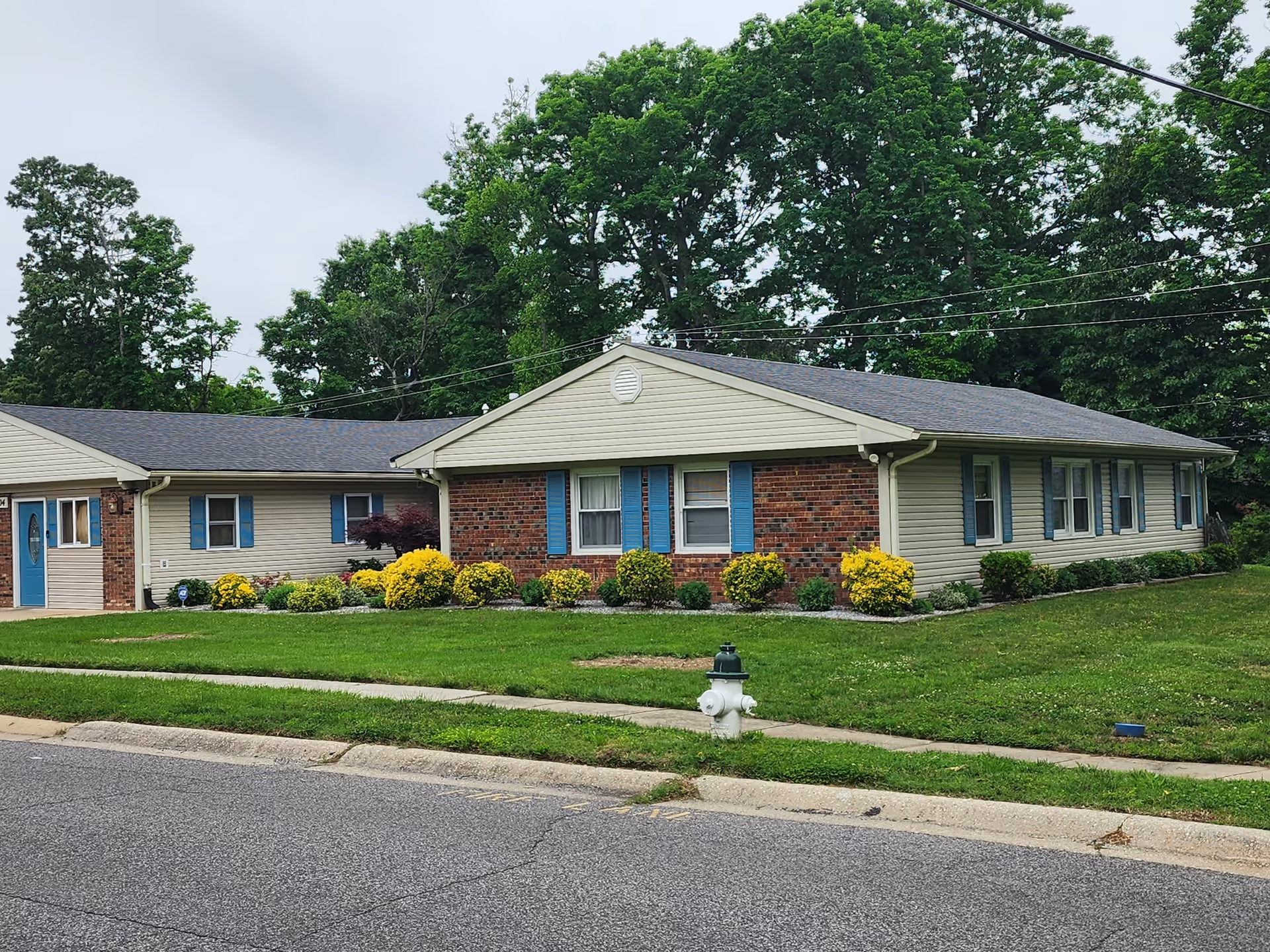
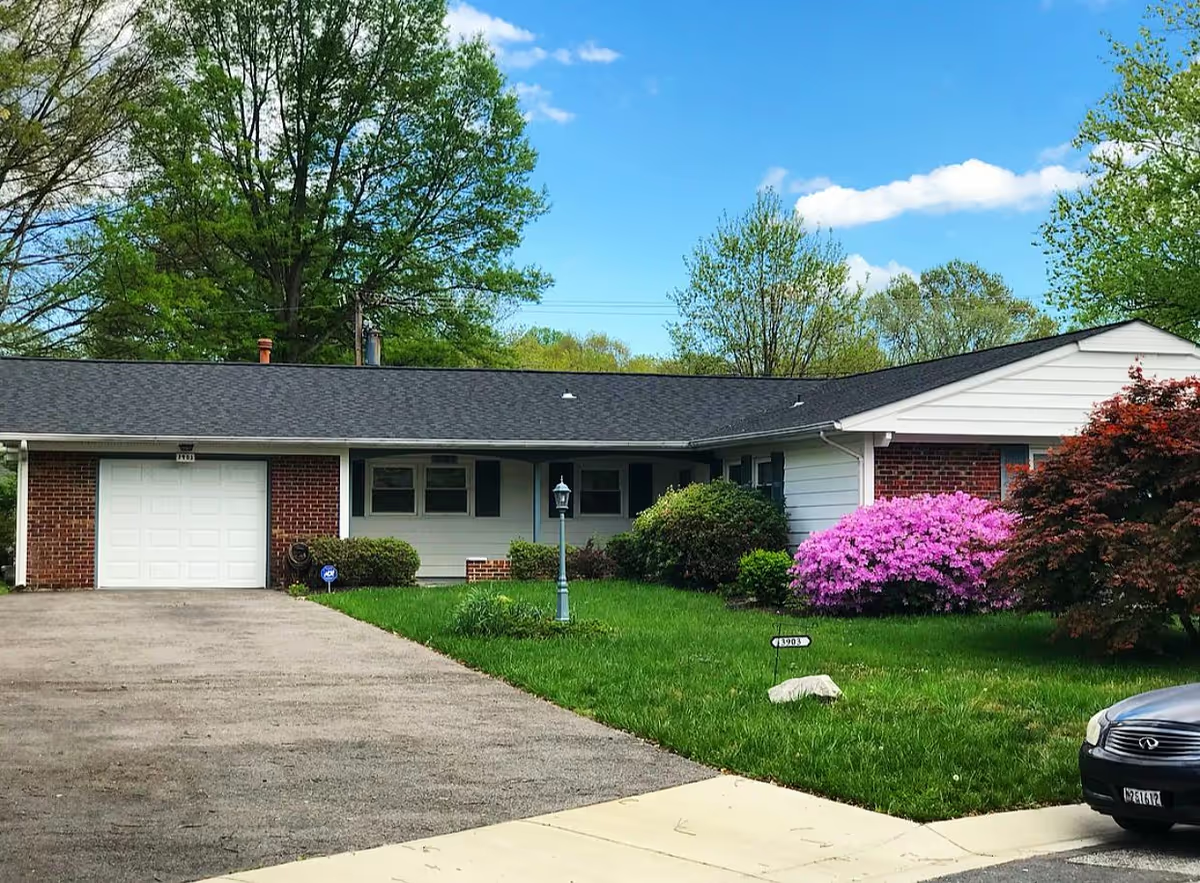
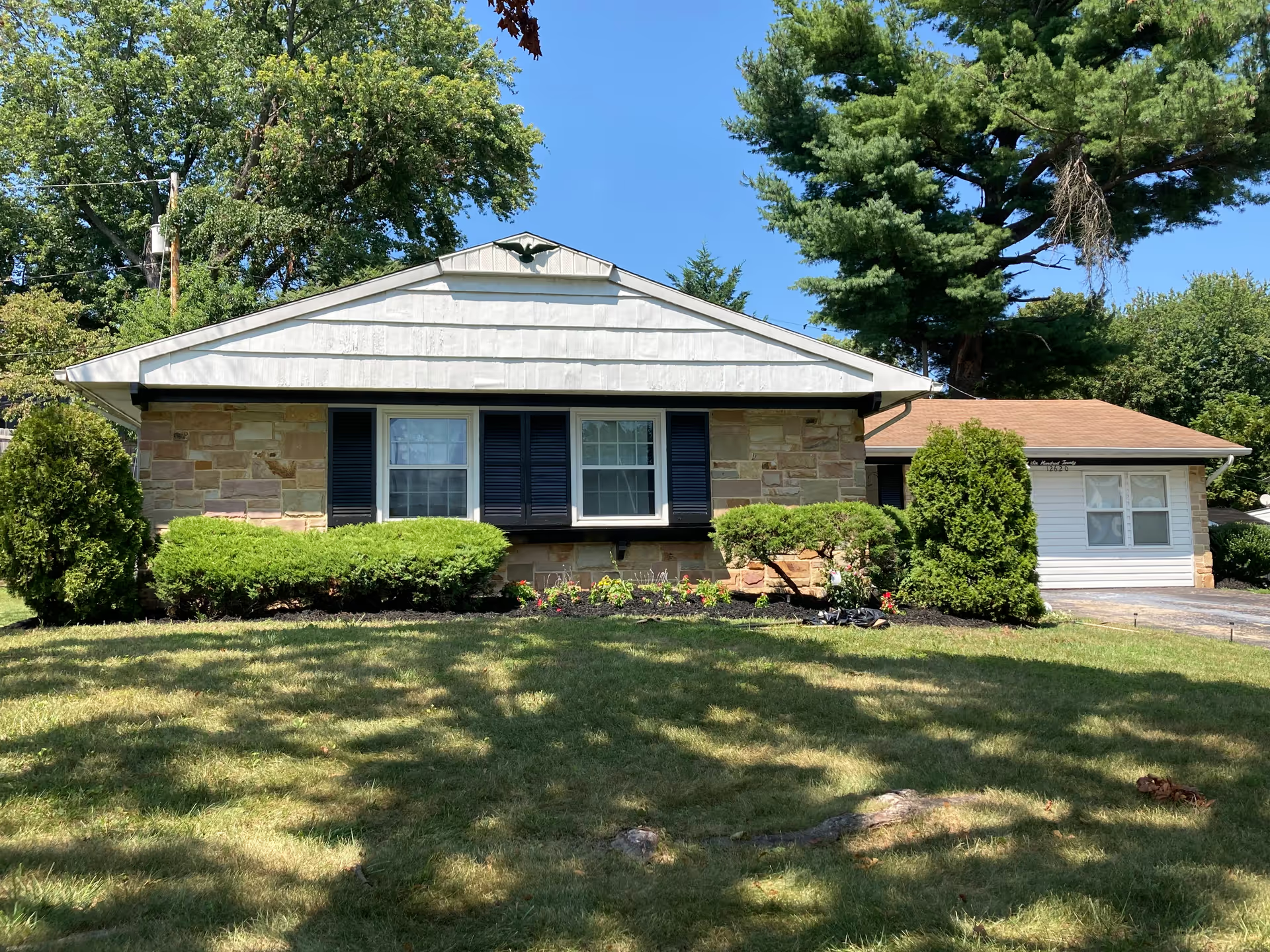
Arcadia of Crofton is described primarily as a small, homelike assisted‑living option with a low resident census and a strong emphasis on personalized, residential-style care. Multiple accounts highlight private rooms (with either en‑suite or nearby bathrooms), tranquil wooded grounds, well‑decorated common areas and outdoor patios. Families commonly cite home‑cooked meals, an engaged caregiving staff, and an atmosphere that feels more like a private home than an institutional setting. The operator’s nonprofit status and competitive pricing are recurring positives, and there is evidence of demand (waiting lists and quick admission availability).
Care and staff quality are central to the facility’s appeal and its primary source of variability. Many families praise caring, dedicated staff, proactive administrators, on‑site nursing coverage and availability of physicians for an additional fee. Admissions and transition support are often noted as attentive, with staff helping new residents settle and introducing them to the household. At the same time, reviewers describe inconsistent staffing patterns and turnover, periodic lapses in staff professionalism or responsiveness, and night‑manager continuity issues that can affect perceived reliability. These operational gaps translate into uneven experiences: some families report strong, family‑like relationships with staff, while others experienced avoidable frustrations.
Dining and activities present a mixed picture. Several comments praise scratch cooking and pleasant meals, while other accounts describe inconsistent meal quality and limited accommodations for special diets. The program of activities includes card games, board games, music and television rooms, with social interactions and a sense of community noted as positives. However, activity schedules are described by some as limited or repetitive, and a subset of families felt residents were under‑stimulated.
Facility physical plant and safety features show both strengths and weaknesses. Multiple houses are described as clean, tastefully furnished and well maintained, with private rooms that families can personalize. Accessibility limitations are cited, including lack of entrance ramps, uneven walkways and limited large, accessible outdoor concrete areas, which may affect residents with mobility aids. Reviewers also raised sanitation and odor concerns in particular units, indicating variability in housekeeping or incontinence‑care practices across the campus.
Management and operations elicit mixed impressions. Positive examples include administrators who provide individualized support, helpful admissions staff, and hands‑on orientation for new residents. Counterbalancing these are reports of inconsistent managerial presence, occasional missed appointments or communication breakdowns, and concerns about emergency or clinical‑incident handling and family communication. Financial considerations such as physician surcharges and ambulance expenses were also mentioned and should be clarified during a visit.
Overall, Arcadia of Crofton appears to offer a genuine homelike option with attentive care in many households, especially suited to families seeking small‑scale, personalized assisted living and memory‑care accommodations. Prospective residents and families should tour both houses on the campus, observe staffing levels at different times of day, ask for specifics about staffing continuity, activity schedules, special‑diet and sanitation protocols, accessibility features, and the process for clinical escalation and family notification. These questions will help determine whether the facility’s strengths align with an individual’s care needs and whether the operational variability described in reviews has been addressed.